By Staff Writer
You're driving along a familiar road when you notice the speedometer creeping above the limit. Traffic is flowing, the road looks clear and you feel completely in control.
It is tempting to think that an extra 10 or 15 kilometres per hour cannot make much difference.
But what happens when a vehicle brakes unexpectedly, a pedestrian steps into the road or you approach a pothole too late?
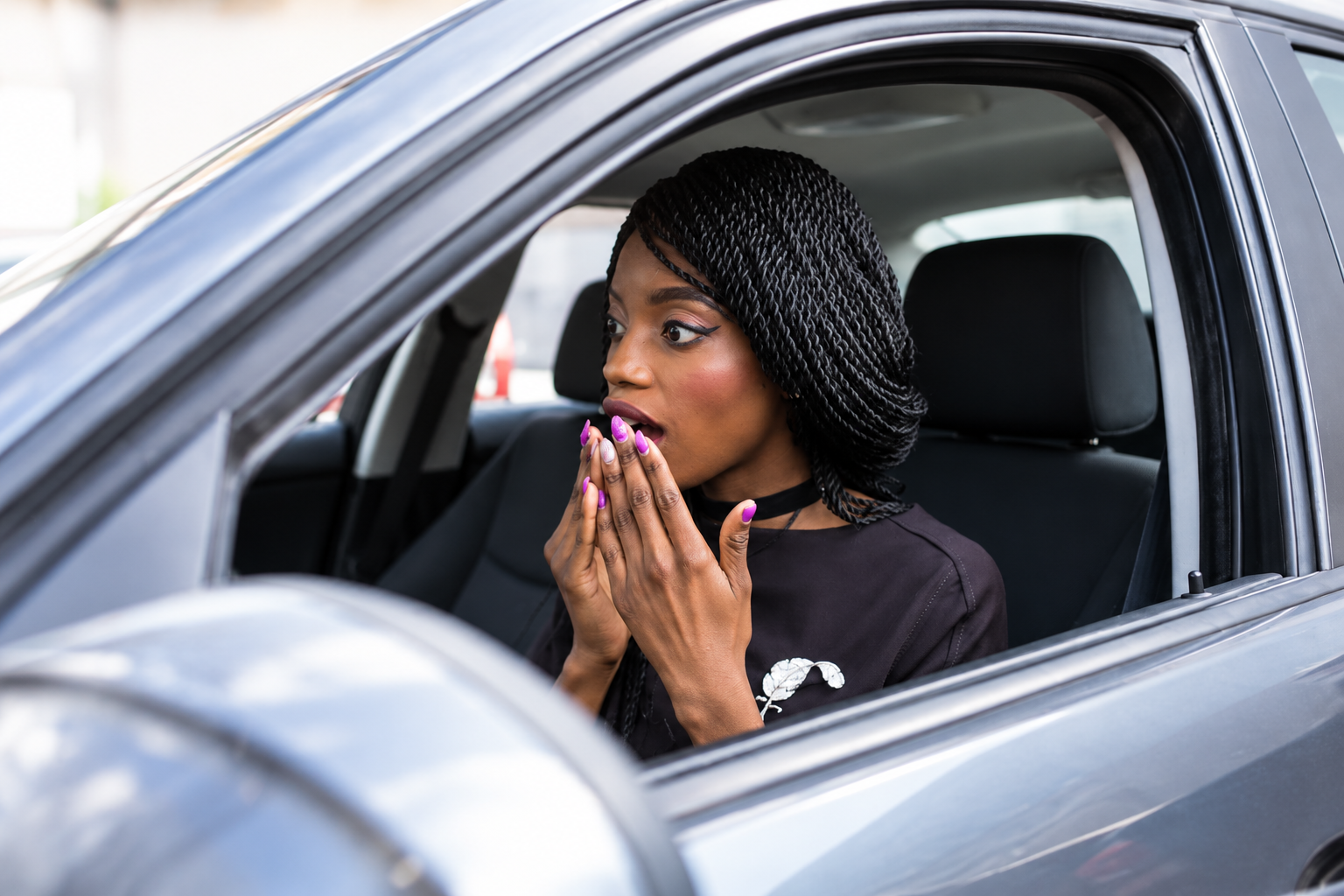
As Transport Month draws to a close, XploreZA's Safety Mondays series turns to speed, one of the driving decisions that can dramatically change the outcome of an unexpected situation.
Arrive Alive's research highlights the relationship between speed, driver behaviour and crash severity. The principle is straightforward: the faster you travel, the less time you have to respond and the greater the distance your vehicle needs to stop.
Understand what speed takes away
At 60 km/h, a vehicle travels approximately 17 metres every second. At 100 km/h, it covers almost 28 metres in that same second.
That means even before you begin braking, your car continues travelling while your brain recognises the hazard and your foot moves towards the brake pedal.
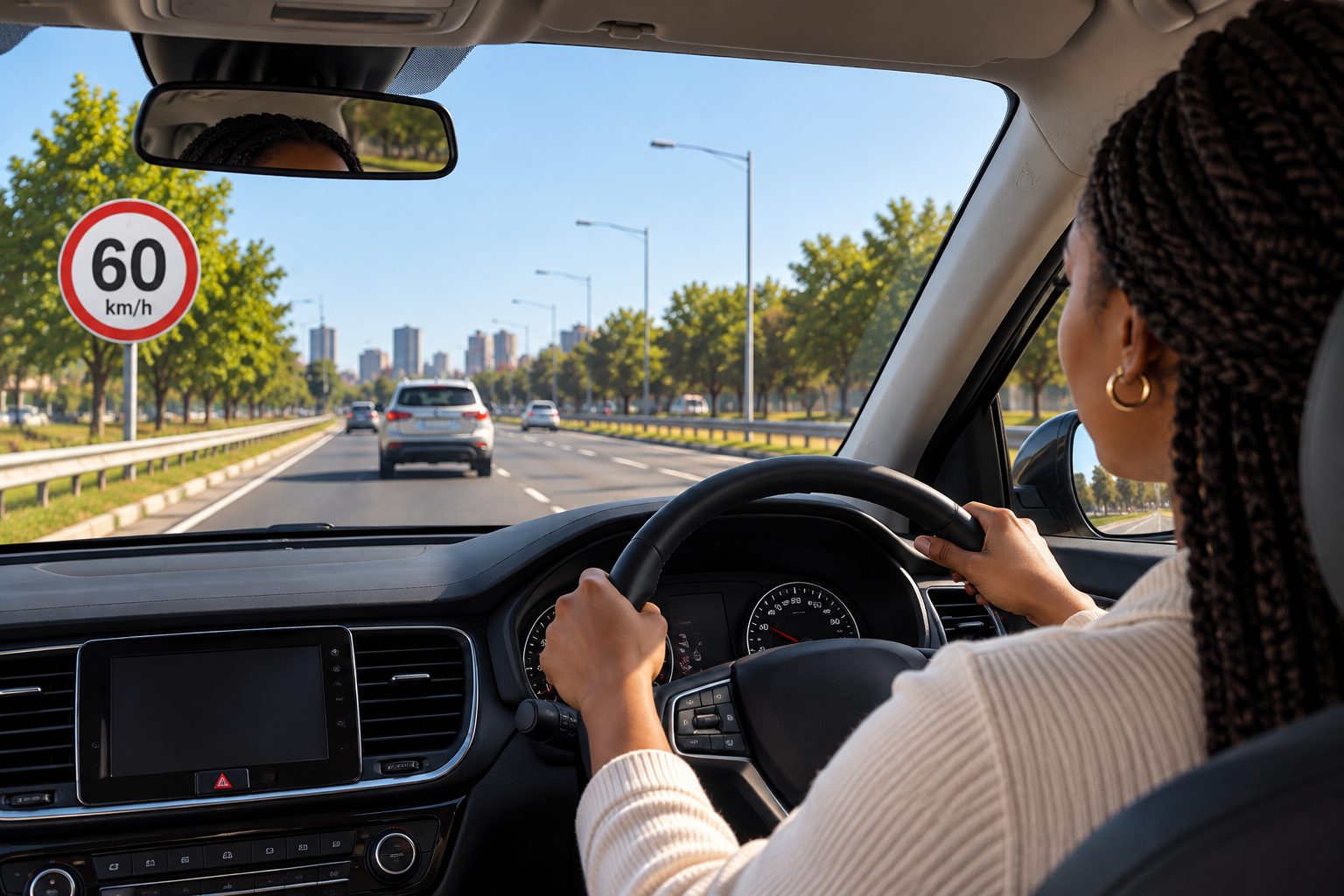
Now imagine someone stepping into the road ahead.
Those additional metres can make a significant difference.
The lesson is to leave yourself enough time and space to react, rather than relying on your brakes to rescue you.
The speed limit isn't always the safest speed
A road may have a posted speed limit of 100 km/h, but that does not mean travelling at 100 km/h is appropriate in every situation.
Rain, mist, damaged road surfaces, poor visibility and heavy traffic all demand adjustments.
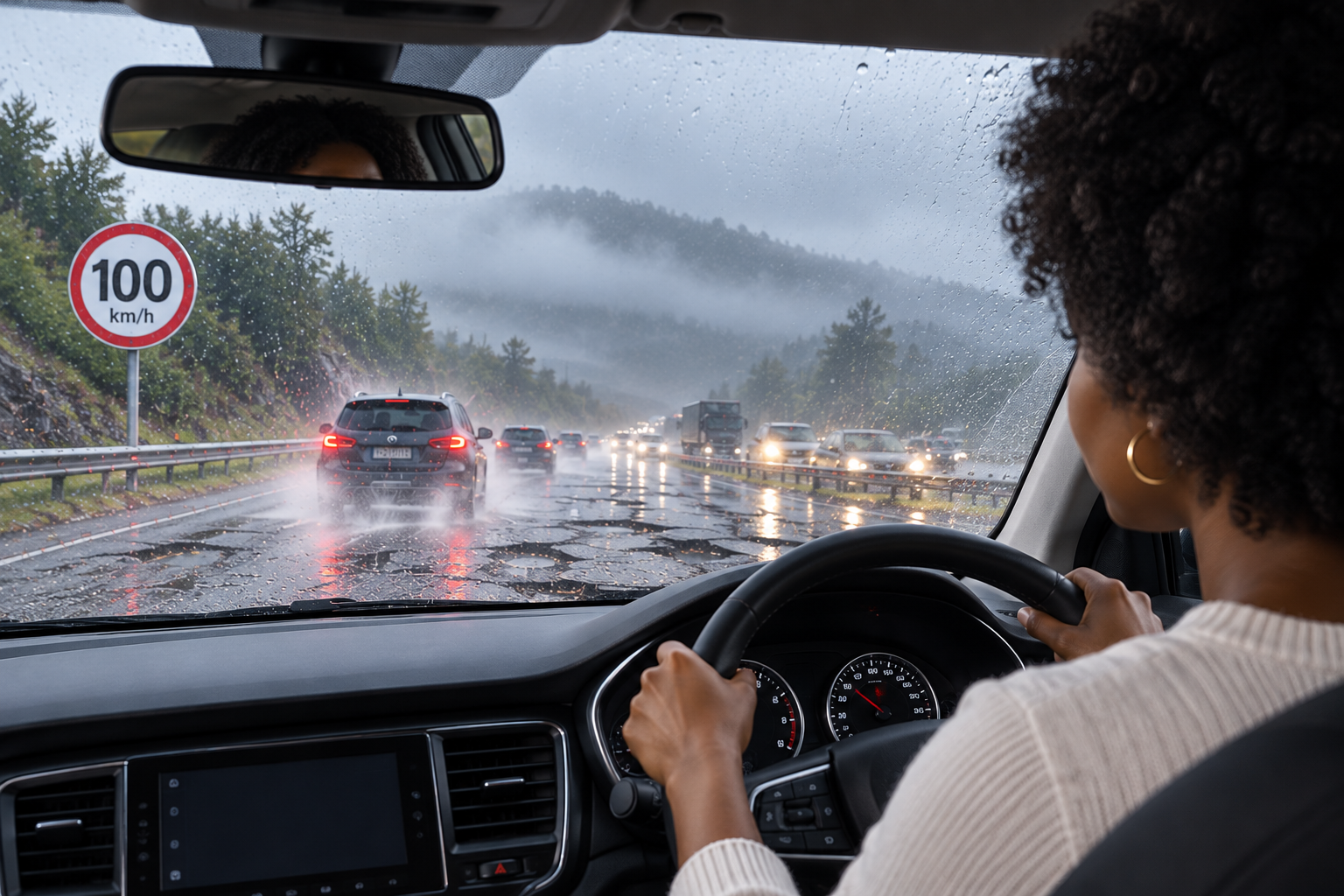
Reduce your speed before reaching a bend, approaching standing water or entering an area where pedestrians may be present.
Remember that speed limits are maximum legal limits under suitable conditions, not targets you must maintain.
Don't let another driver set your pace
Most motorists have experienced someone driving uncomfortably close behind them, flashing their headlights or pressuring them to move faster.
It can be intimidating, particularly on a busy freeway.Maintain a lawful, appropriate speed and avoid accelerating simply to satisfy an impatient driver. Where possible, allow faster traffic to pass safely without making sudden lane changes.
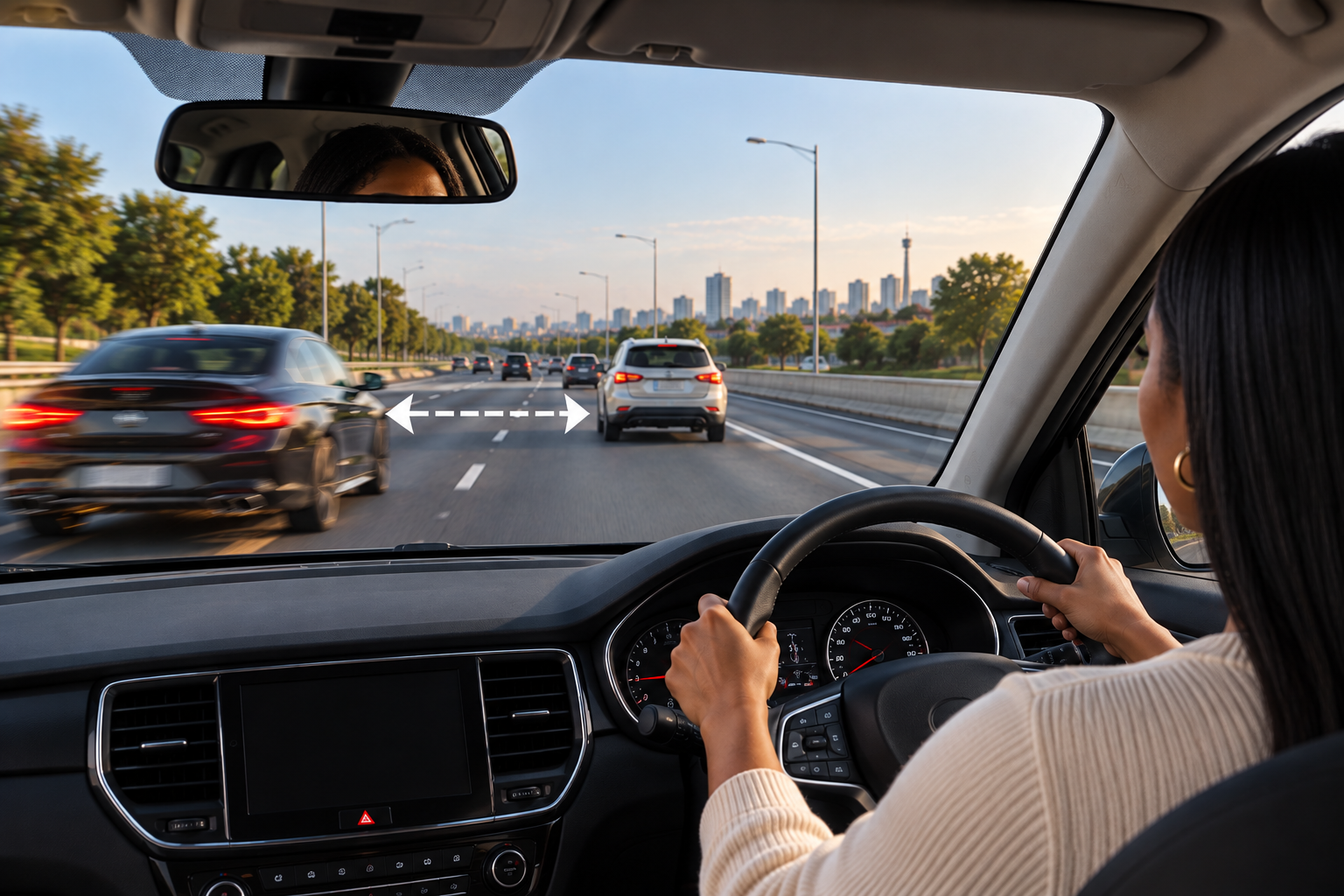
If someone is driving aggressively, create distance rather than engaging with them.
Your responsibility is to drive safely, not to compete.
Give yourself room to stop
Following distance and speed work together.As your speed increases, so does the space needed to stop.
Wet roads and worn tyres can make matters worse.
Use a time-based following gap, allowing at least three seconds in good conditions and more when visibility or road grip is reduced.
Look well ahead for developing hazards and brake progressively when circumstances allow.
Take the pressure out of the journey
Sometimes the biggest influence on our speed is simply running late.
Leave earlier when possible, allow extra time for congestion and accept that delays are part of travelling.
A few minutes saved rarely justify the additional risk.
As South Africa prepares for the busy final months of the year, the lessons of Transport Month should remain with us.
The speedometer tells you how fast you're travelling. Your judgement determines whether that speed is safe.