By Aurelia Mbokazi
Before a farmer can put seed in the ground, there is a fuel bill to pay. Diesel powers the tractors that prepare the fields and pull the planters, making the money available for fuel as important to getting started as the seed and fertiliser already waiting on the farm.
With October marking the start of planting preparations for many summer-crop farmers, that bill becomes particularly pressing. Machinery needs to move when soil moisture and weather conditions allow. For a farmer balancing fuel against other production costs, knowing which diesel expenses qualify for a SARS refund is information worth having before the season gathers pace.
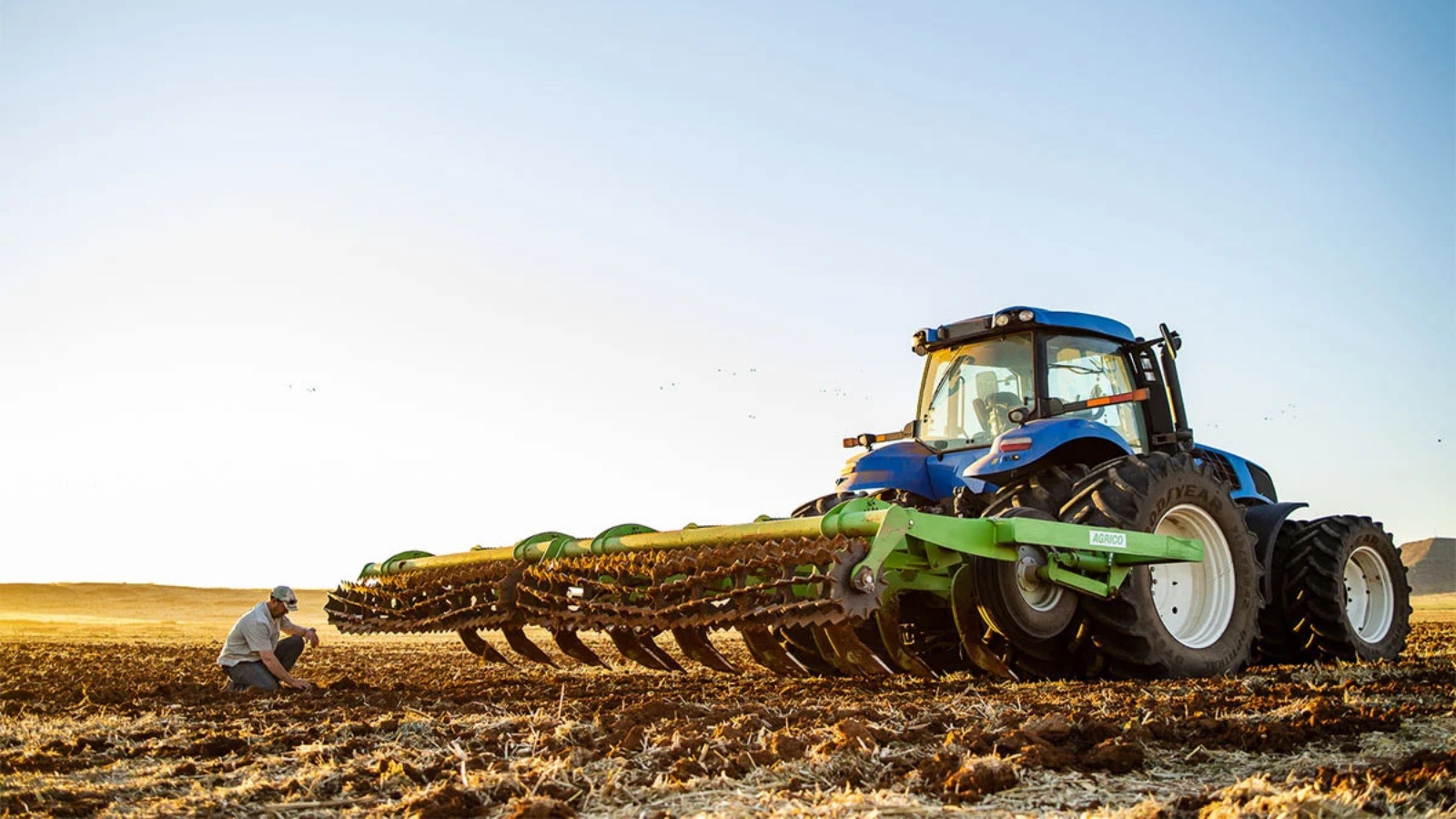
At R34.72 a litre, 200 litres of diesel costs R6,944, putting thousands of rand into the tank before the tractor even enters the field. For qualifying farmers, SARS’s Diesel Refund Scheme offers a way to recover some of that expense. Understanding how it works and getting ready for the new registration system could help ease the pressure this planting season.
What can farmers get back?
The Diesel Refund Scheme allows qualifying producers in sectors including agriculture to recover certain fuel levies on diesel used for eligible activities. These include all or part of the general fuel levy and Road Accident Fund levy.
The refund covers specified levies rather than the full purchase price. Buying diesel for a farm also does not automatically make every litre eligible. The activity, fuel use and supporting records matter, and SARS may verify a claim before approving it.
For someone starting out, this is an important distinction: running a farming business, registering for the scheme and submitting a successful claim are separate steps.
A new system needs your attention
SARS introduced its dedicated Diesel Refund registration platform on 18 September 2026, separating this registration process from VAT registration. Existing diesel-refund users must register on the new solution; registration is not automatic.
The platform also allows diesel users and sellers to manage their relationships electronically. Suppliers must register so that these relationships can be established. Farmers therefore need to check their own position and discuss the change with their diesel suppliers.
Even if your accountant has handled diesel refunds for years, this is a conversation worth having now.

Check your profile before applying
In an update published on 21 October, SARS warned that taxpayers cannot access the new platform unless their legal-entity profiles have been validated, confirmed and merged.
Put simply, SARS needs the relevant records identifying you or your business to be correctly linked. Some entities have been updated automatically, while others require action.
SARS directs taxpayers to its eFiling guidance on merging profiles, including tax and customs profiles through Legal Entity Registration. If you are unsure how this applies to your business, ask for assistance before changing the records.
The registration guide also takes applicants through checking details such as their trading name, banking information and contact details before completing the diesel-refund application. Having accurate information ready gives you a clearer starting point.

Follow the diesel beyond the receipt
A purchase invoice shows that you bought fuel. Your usage records need to explain where it went.
SARS’s calculation policy requires detailed records of diesel purchases, storage and use, including dates, vehicles fuelled and the qualifying activities performed. It distinguishes eligible litres from non-eligible use.
Consider a farm with one diesel storage tank supplying several machines and vehicles. The delivery invoice records what entered the tank, but it cannot explain every activity subsequently powered by that fuel.
A practical routine is to record the date, litres issued, machine or vehicle receiving the diesel and work undertaken. Keep invoices with those records and ask your tax practitioner to check whether your system meets the requirements.
Recording this information when fuel is issued is easier than reconstructing a busy planting month from memory.
Turn the paperwork into a farm habit
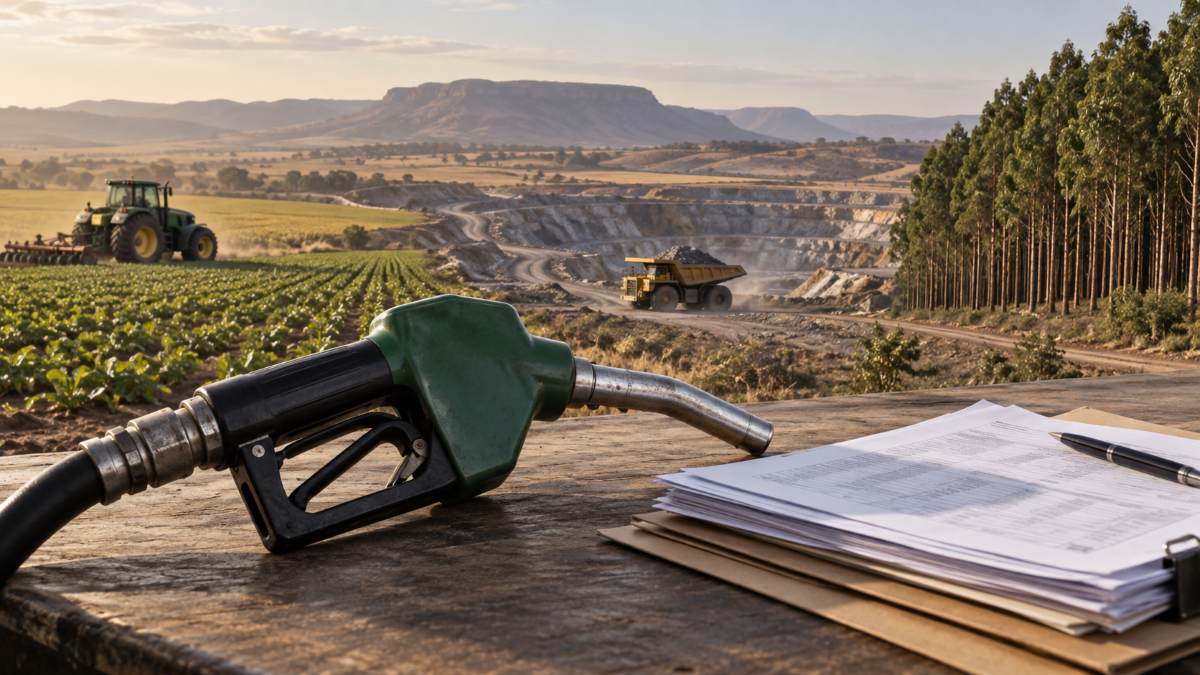
Good fuel records have value beyond a refund application. They give farmers a clearer view of how diesel is being used and provide a starting point for investigating unexpected consumption or unexplained differences.
As with any working vehicle, understanding what goes into the tank is part of understanding what it costs to keep the wheels turning. On a farm, that cost ultimately becomes part of producing food.
Before your next meeting with your accountant or tax practitioner, gather your diesel invoices, usage records and SARS registration details. Ask whether your activities qualify, whether your profile is ready and whether your records can support a claim.
For registration assistance, SARS lists 0800 00 7277 and rlaregistrations@sars.gov.za, with help also available through its Taxpayer Service Centres.