By Staff Writer
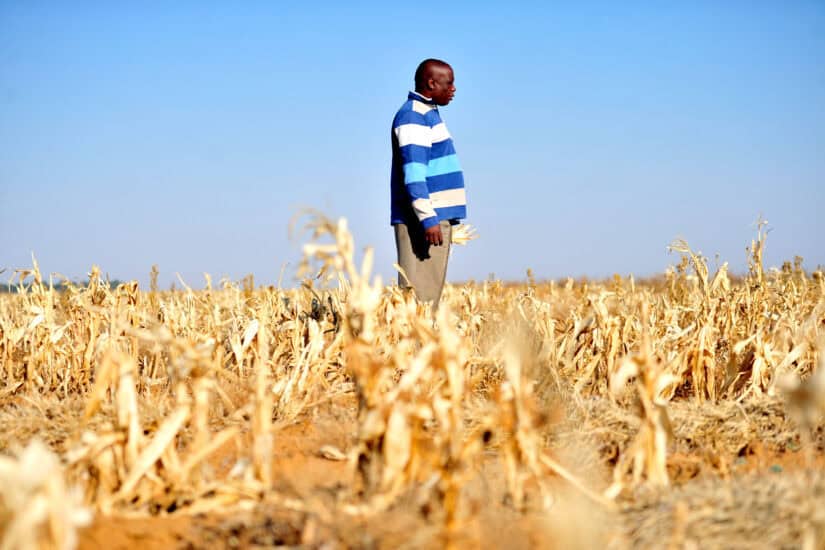
The summer planting season is usually a time of hope for South African farmers. Fields are prepared, seed is bought and plans are made for the months ahead. But this year, there is an unwelcome question hanging over those plans: what happens if the rain does not come when it is needed?
The South African Weather Service (SAWS) has warned that the 2026/27 summer could be hotter and drier than usual across much of the country, as a strong El Niño weather pattern develops.
For farmers, particularly those who rely on rainfall rather than irrigation, the warning deserves attention.
But it is not a reason to panic or abandon planting plans.Instead, agricultural experts are encouraging farmers to prepare carefully, manage available moisture and make decisions based on conditions on their own farms.
What does El Niño mean for farmers?
El Niño is a natural climate pattern associated with unusually warm ocean temperatures in parts of the Pacific. Although it occurs far from South Africa, it can influence rainfall and temperatures across southern Africa.
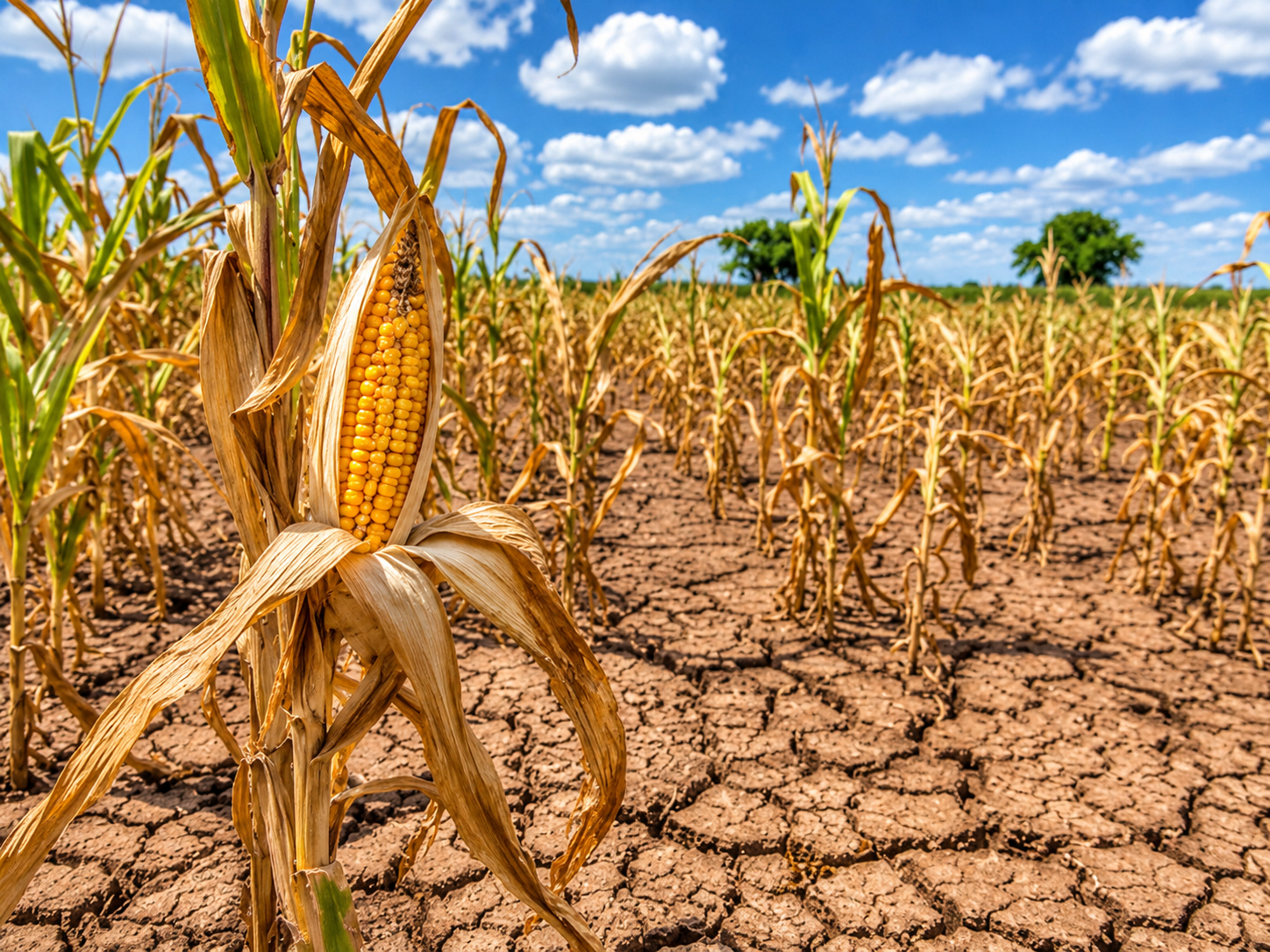
During many El Niño years, South Africa experiences below-normal summer rainfall and higher temperatures. However, this does not mean every area will experience drought.
SAWS has emphasised that even strong El Niño events do not always produce the same conditions.The important message for farmers is that the risk of a difficult growing season has increased, making preparation especially important.
Make every drop of rain count
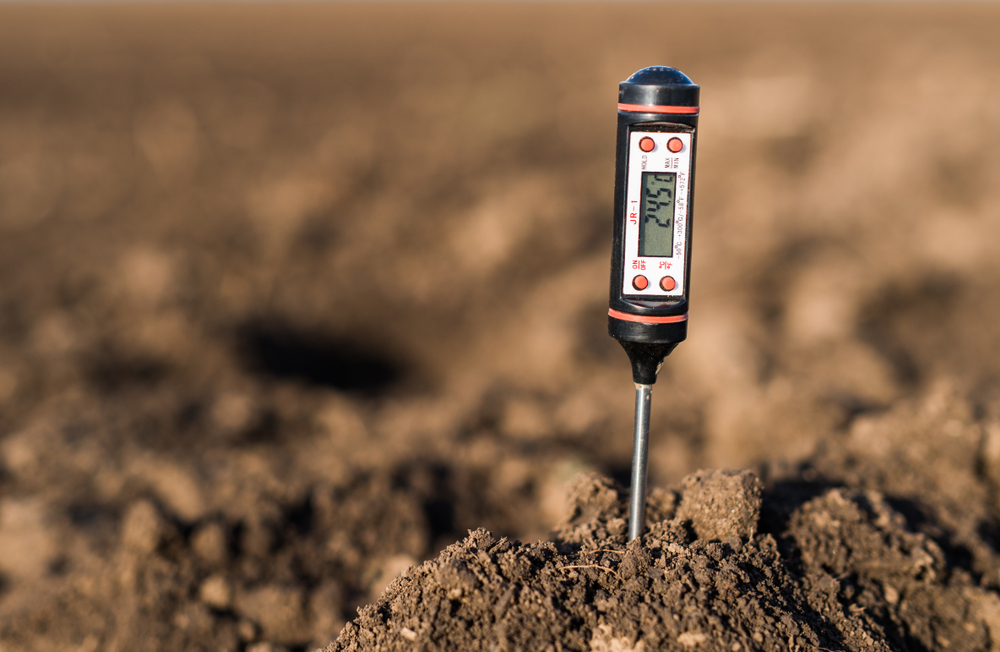
This begins before planting.Farmers should assess soil conditions and consider whether their fields can absorb and retain rainfall effectively. Soil that is compacted or poorly managed may struggle to allow water to reach the root zone.
Soil testing is equally important. Acidic soils can restrict root development, making it harder for crops to access moisture and nutrients deeper underground.
For small-scale farmers, this is a reminder that healthy soil is not simply about applying fertiliser. It is also about creating conditions that allow plants to make the best possible use of available water.
Think carefully about what to plant
A crop that performs well during a wet summer may struggle when rainfall is limited.
Grain SA advises farmers to review previous production results, understand their soil types and choose crops and cultivars suited to the conditions they are likely to face.
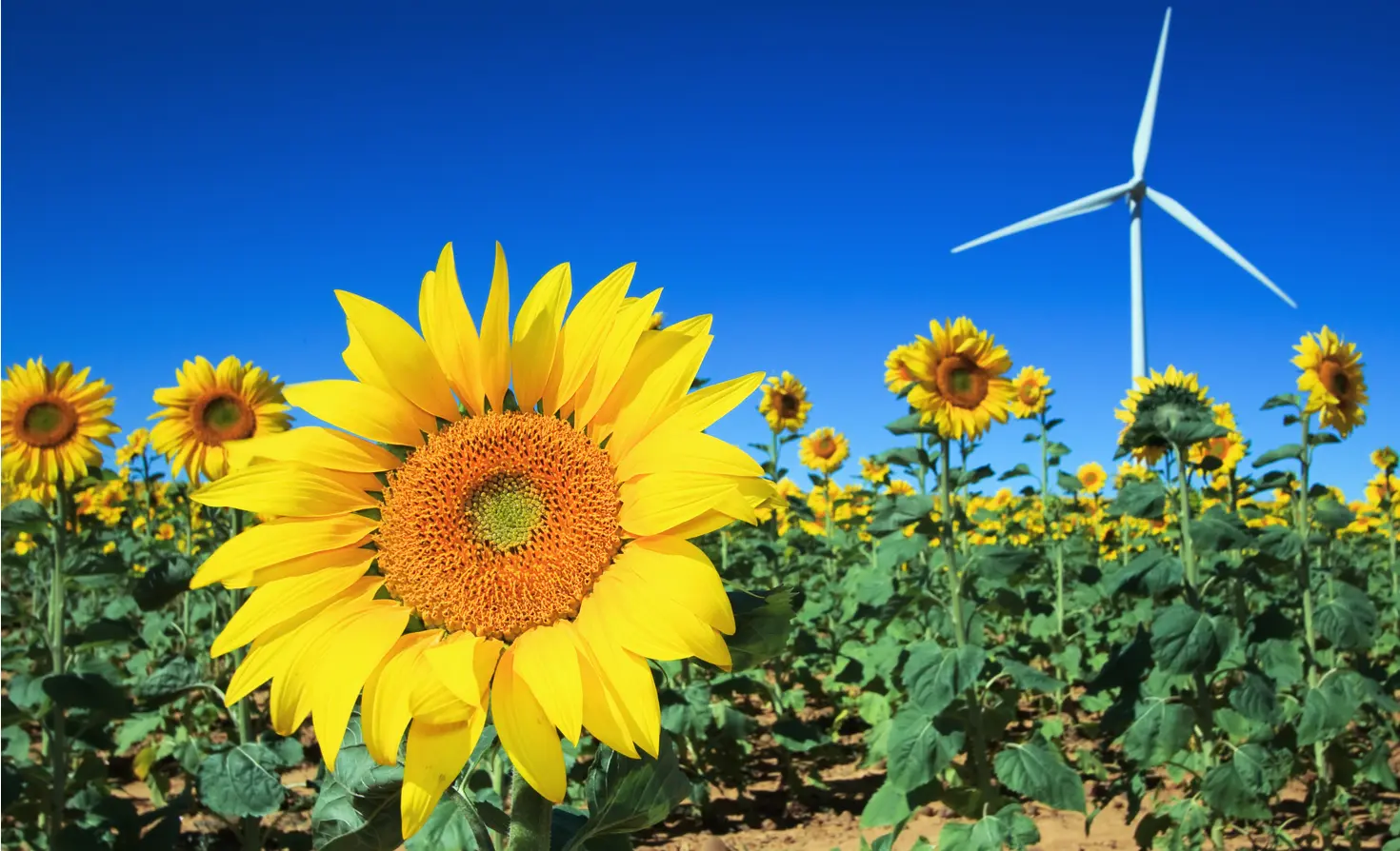
Sunflower, for example, generally tolerates dry conditions better than maize and may be worth considering on higher-risk land.
Soybeans require particular care because excessive heat can cause flowers to drop, reducing the number of pods that develop.
This does not mean farmers should automatically switch crops. Changing production plans can introduce new costs and risks, especially when farmers have limited experience with the alternative crop.
The better approach is to discuss available options with an agricultural adviser and make realistic decisions based on soil moisture, local conditions and expected yields.
Don't rush to plant after the first rain
The arrival of the first summer rain can create pressure to get seed into the ground immediately.
But one good shower does not necessarily mean there is enough moisture in the soil to support a crop through germination and early growth.
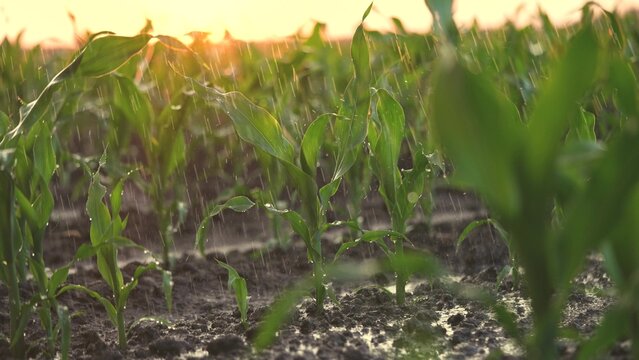
Farmers should consider how much rain has fallen, whether the soil has retained sufficient moisture and what shorter-term forecasts suggest.
Planting dates also matter. Different crops and cultivars respond differently to heat and dry spells during important growth stages.
Rather than relying on a single forecast, farmers should combine weather information with what they can observe in their fields.
Keep weeds and unnecessary expenses under control
When water is scarce, crops cannot afford additional competition.Weeds compete with crops for moisture, sunlight and nutrients. Allowing them to become established can place even greater pressure on a crop already struggling with dry conditions.
Grain SA recommends timely weed control and careful fertiliser management, with decisions guided by realistic yield expectations.
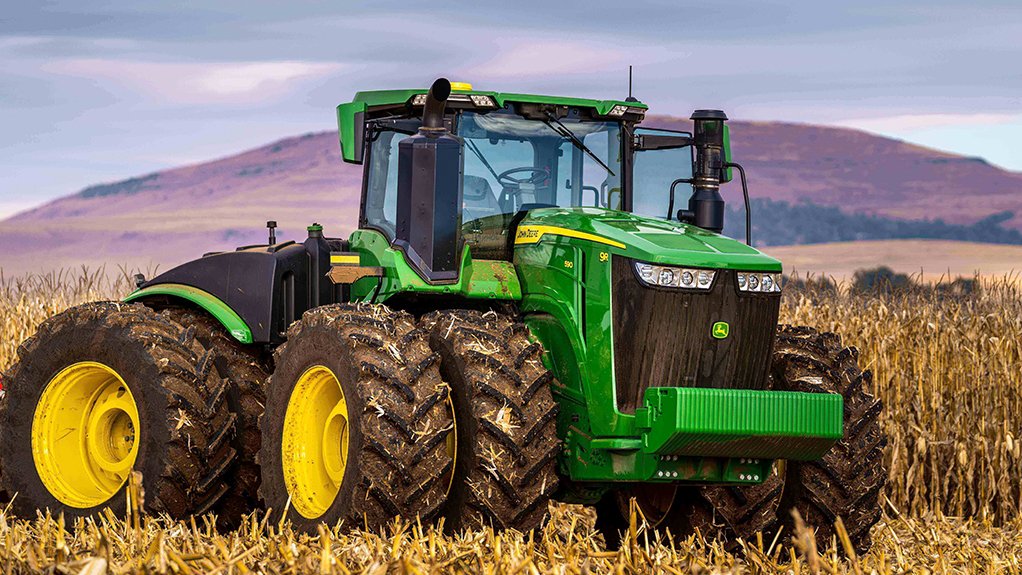
Farmers should also examine operating costs.Fuel, equipment maintenance and unnecessary tractor operations can place additional pressure on already stretched budgets.
This is not about cutting essential inputs at the expense of production. It is about making every rand spent contribute meaningfully to the farming operation.
Keep watching the weather and your farm
Seasonal forecasts provide valuable guidance, but they cannot predict exactly how much rain will fall on an individual farm.
Conditions can also change as the season progresses.Farmers should therefore continue following SAWS updates while monitoring soil moisture, crop development, water availability and local rainfall.
Those managing livestock should also assess grazing conditions and water supplies, particularly if prolonged heat or dry weather develops. The Department of Agriculture has encouraged farmers to pay attention to seasonal advisories and prepare for possible changes in water availability and grazing conditions.
A hotter, drier summer is not guaranteed, but the possibility is serious enough to plan for.For South African farmers, the most important decision this season may not be how much land to plant, but how to give every hectare the best possible chance of producing a harvest.