By Aurelia Mbokazi
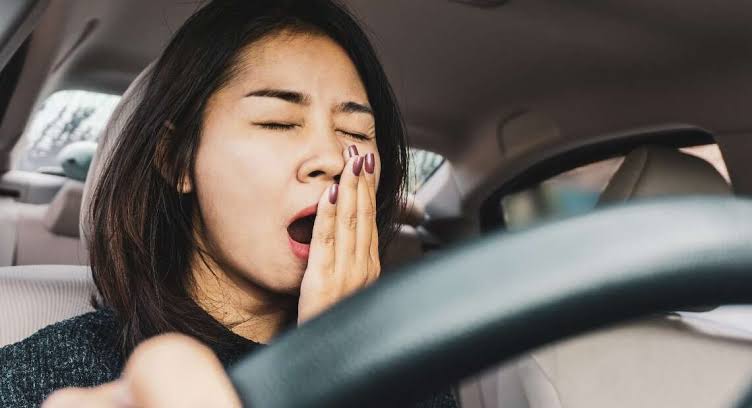
Poor sleep may be one of the biggest threats on South Africa's roads, and most drivers don't even realise it.
When Discovery Insure invited journalists to spend a day learning about the science behind safer roads, I expected the conversation to centre on familiar dangers such as speeding, distracted driving and drunk driving. Instead, the biggest talking point was something more personal: how well we sleep.
It turns out that what happens the night before you get behind the wheel could have a bigger impact on your safety than many drivers realise.

At the centre of the event was new research by Discovery Insure that analysed four years of sleep and driving data from more than 10,000 South African drivers. The findings indicate that poor sleep is one of the strongest predictors of motor vehicle accident risk, highlighting a significant road safety blind spot that has largely gone unnoticed.
One of the study's most significant findings is that it's not just one bad night's sleep that matters. It's the build-up of poor sleep over several consecutive nights, known as sleep debt, that significantly increases the likelihood of being involved in an accident.
Drivers who consistently get between seven and eight hours of sleep were found to be around 32% less likely to be involved in a crash than those who regularly sleep too little. Maintaining a consistent bedtime also reduced accident risk by as much as 36%, while getting enough rapid eye movement (REM) sleep further lowered the risk.

The findings also challenge the way many of us think about driving while tired. According to Discovery Insure, almost 90% of adults would avoid driving after drinking alcohol, yet only about half would avoid driving after several nights of poor sleep. Research shows that staying awake for more than 16 hours can impair driving to a level comparable with South Africa's legal alcohol limit.
"Sleep affects concentration, reaction time and decision-making, all of which directly influence driving behaviour and outcomes," said Discovery Insure CEO Robert Attwell during the launch. "Our research suggests that poor sleep is up to five times more predictive of motor vehicle accident risk than traditional insurance risk factors considered in isolation."

How to avoid driving tired
The research reinforces a simple message: road safety starts before you leave home.

For many drivers, road safety begins with fastening a seatbelt. This research suggests it begins much earlier, the night before.
The sleep study was just one part of a day spent with Discovery Insure xploring the many partnerships and initiatives working to make South African roads safer. Look out for behind the behind-the-scenes report on the efforts and the people helping to make a difference beyond the driver's seat.