By Staff Writer
The first heavy rains of the season have a way of exposing things we have ignored for months. A windscreen wiper that smears instead of clearing, tyres that have seen better days or headlights that are no longer working properly can suddenly become serious safety concerns.
After months of relatively dry winter driving in much of inland South Africa, the return of summer storms demands a different approach.
The Automobile Association of South Africa (AA) advises motorists to check their vehicles carefully and adjust their driving behaviour when roads become wet.
But how prepared is your car for the next downpour?
Start with the tyres
Your tyres are the only parts of the vehicle in contact with the road, and their condition becomes particularly important when grip is reduced.
Check tyre pressures when the tyres are cold and use the manufacturer's recommended figures. Inspect the tread for excessive wear, cuts and uneven patterns.
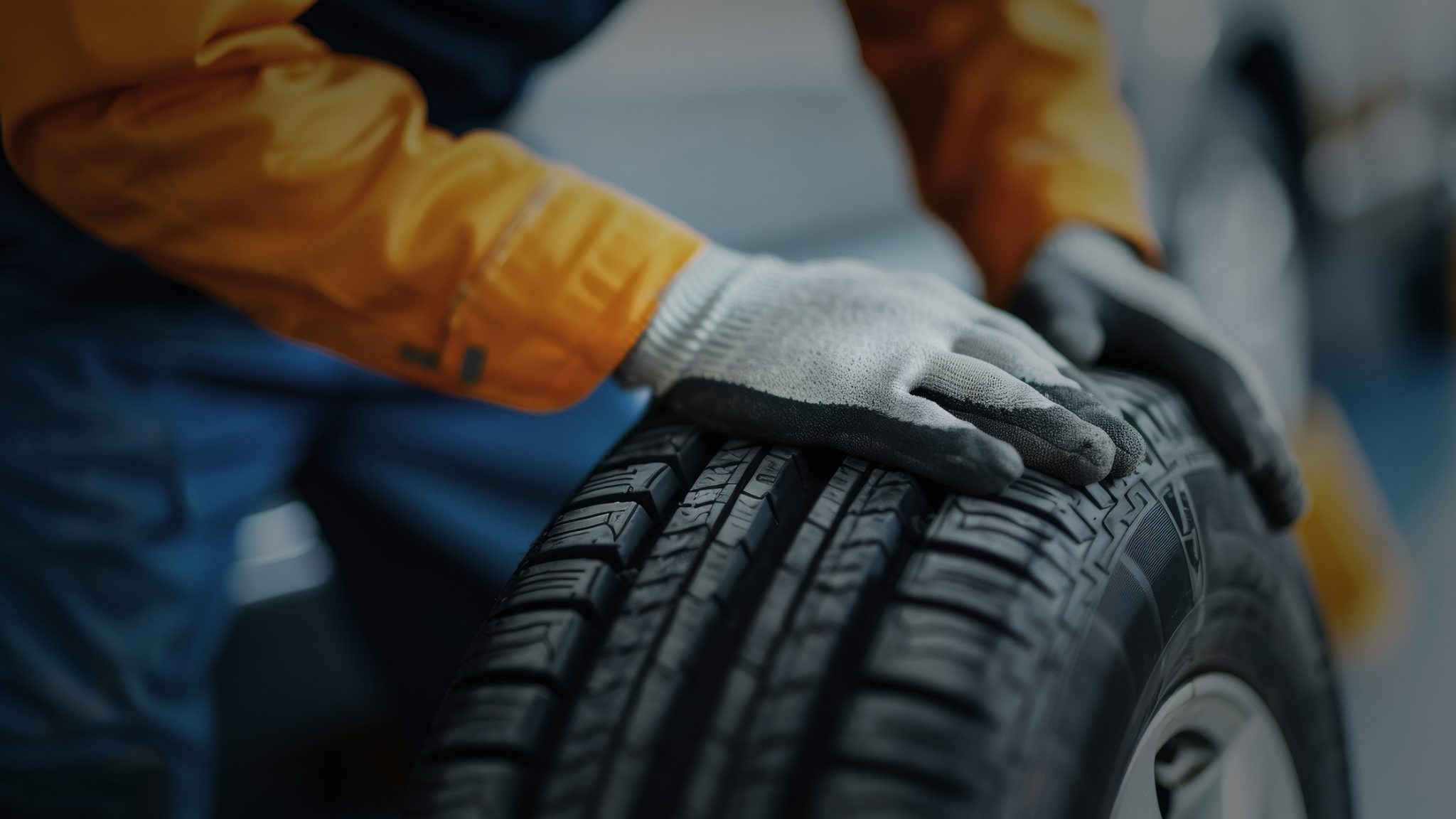
Do not assume that tyres are safe simply because they still hold air.
If you are uncertain about their condition, ask a reputable tyre specialist to inspect them. Worn tyres are particularly dangerous when water collects on the road.
Your wipers should clear, not smear
Imagine joining a busy freeway just as the rain intensifies, only to discover that your wipers leave streaks across the windscreen.
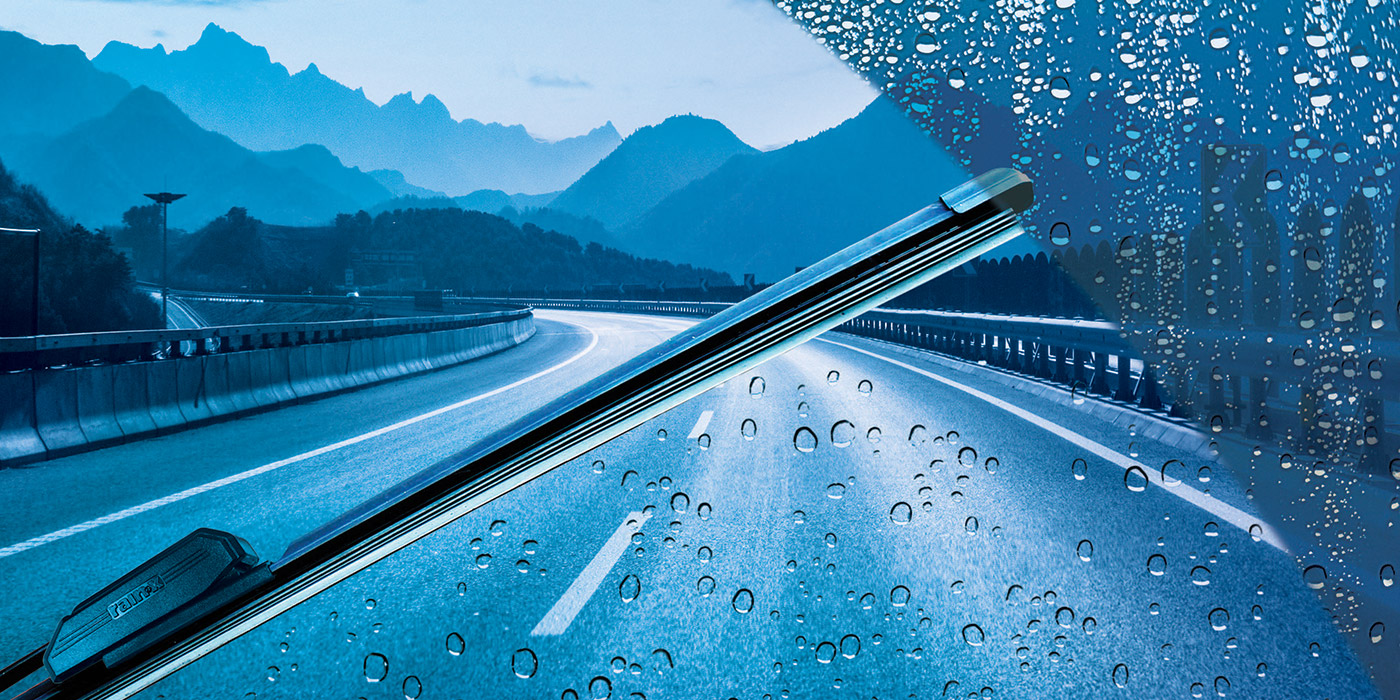
Inspect the rubber blades for cracks or deterioration and replace them if they are no longer clearing properly.
Top up the windscreen-washer fluid and clean the glass inside and outside. Dirt and greasy residue can worsen glare, particularly at night.
Check that your headlights, brake lights and indicators work. Switch on your dipped headlights when visibility deteriorates so that other motorists can see you more easily.
Give yourself more room
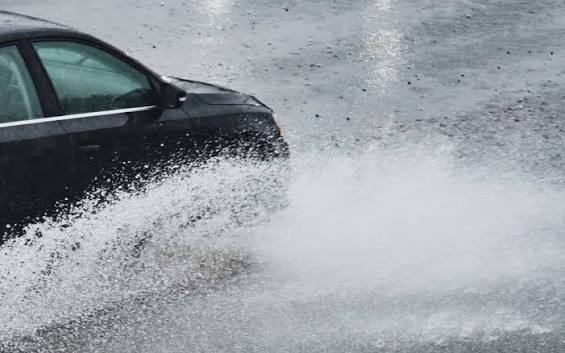
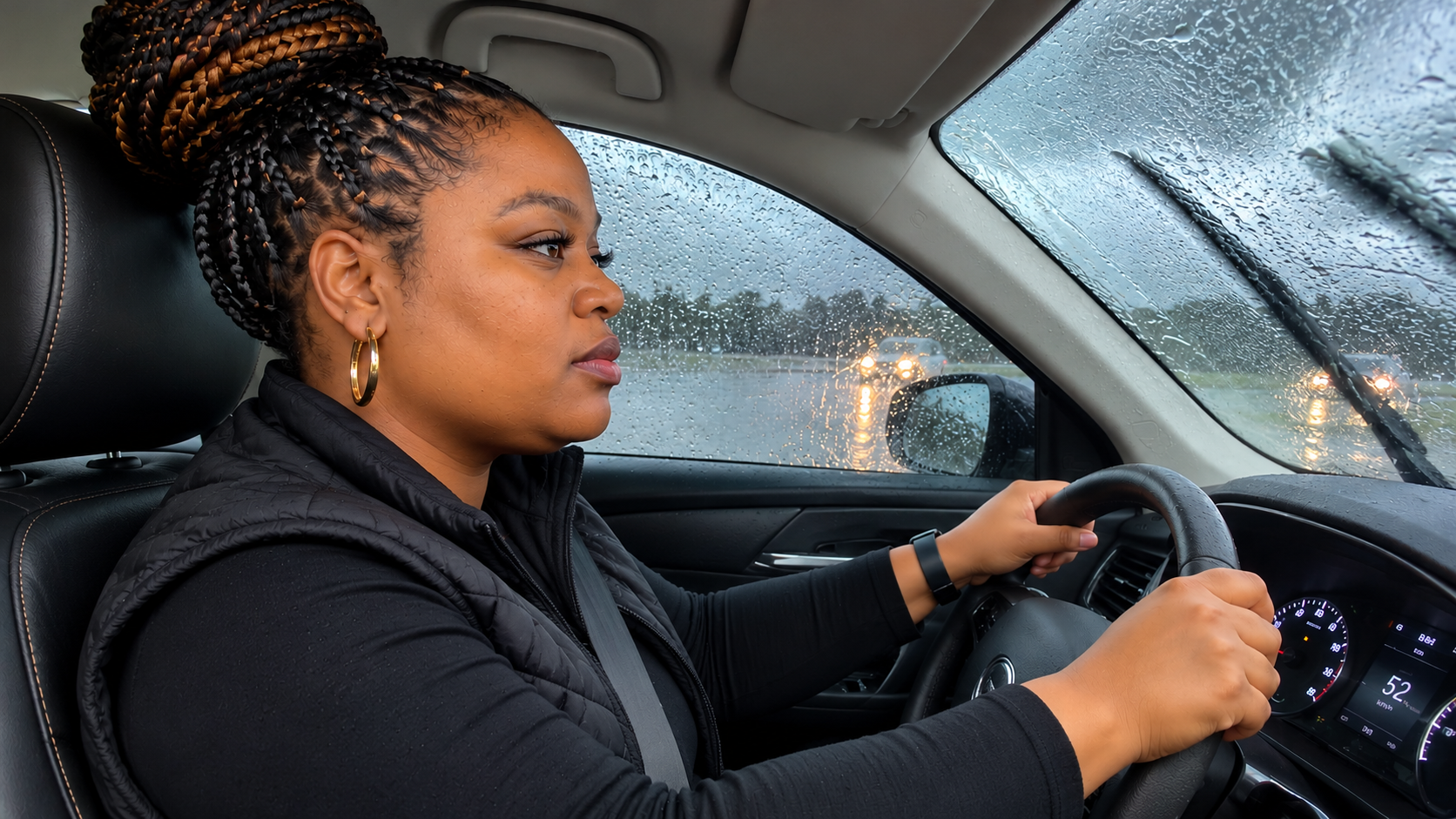
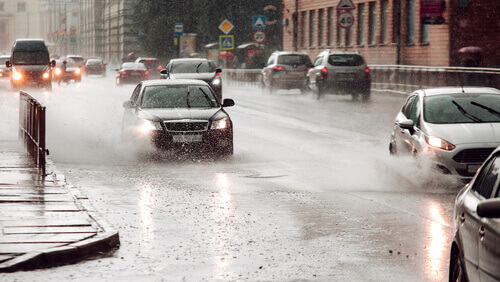
Wet roads change how your vehicle responds. The AA recommends reducing speed and increasing following distance in rainy conditions. That extra space matters because stopping distances can increase when road grip is reduced.
Avoid harsh braking, sudden steering movements and unnecessary overtaking.Be especially cautious when rain begins after a dry spell, when oil and other residue on the road may make the surface slippery.
If visibility becomes so poor that you cannot see far enough ahead to drive safely, find a suitable place away from moving traffic and wait for conditions to improve.
Know what to do if the car loses grip
One of the most frightening experiences in heavy rain is aquaplaning, when tyres lose effective contact with the road because they cannot disperse water quickly enough.
You may notice that the steering suddenly feels unusually light or the vehicle stops responding as expected.
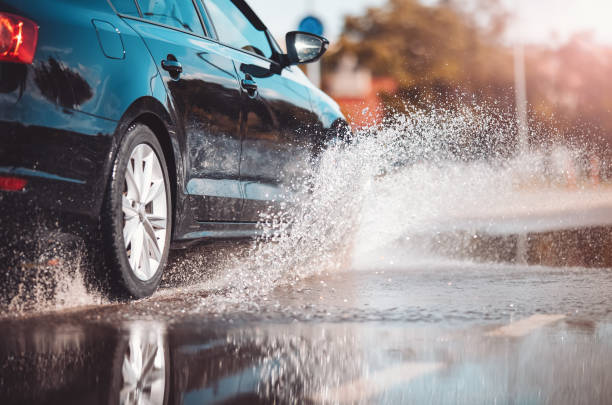
Ease off the accelerator, keep the steering steady and avoid sudden braking or sharp turns. Allow the tyres to regain grip before making gradual corrections.If you are unsure how your vehicle behaves in difficult conditions, consider professional defensive-driving training.
Some roads are simply not worth crossing
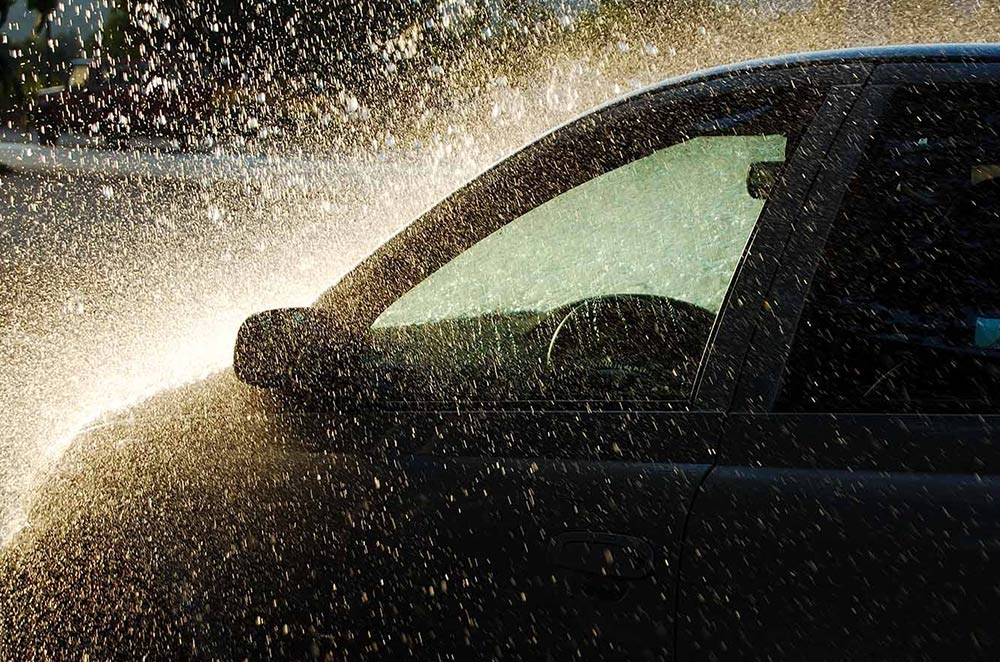
Standing water can hide potholes, damaged road surfaces and unexpected depth.
Never attempt to drive through a flooded road or low-lying bridge when you cannot establish that it is safe.
A delayed arrival is inconvenient. A vehicle stranded in rising water can become a life-threatening emergency.
South Africa's summer rains are part of the season, but they should not catch drivers unprepared. A few minutes checking your vehicle before departure could prevent a much more serious problem on the road.