Staff Writer
You know that moment when you finally get out of the car after a long commute and have to straighten your back before you can walk away? That little stretch, stiff shoulder or dull ache may feel like nothing more than the price of sitting in traffic, but the way we sit and move inside our cars can take a toll on our bodies.
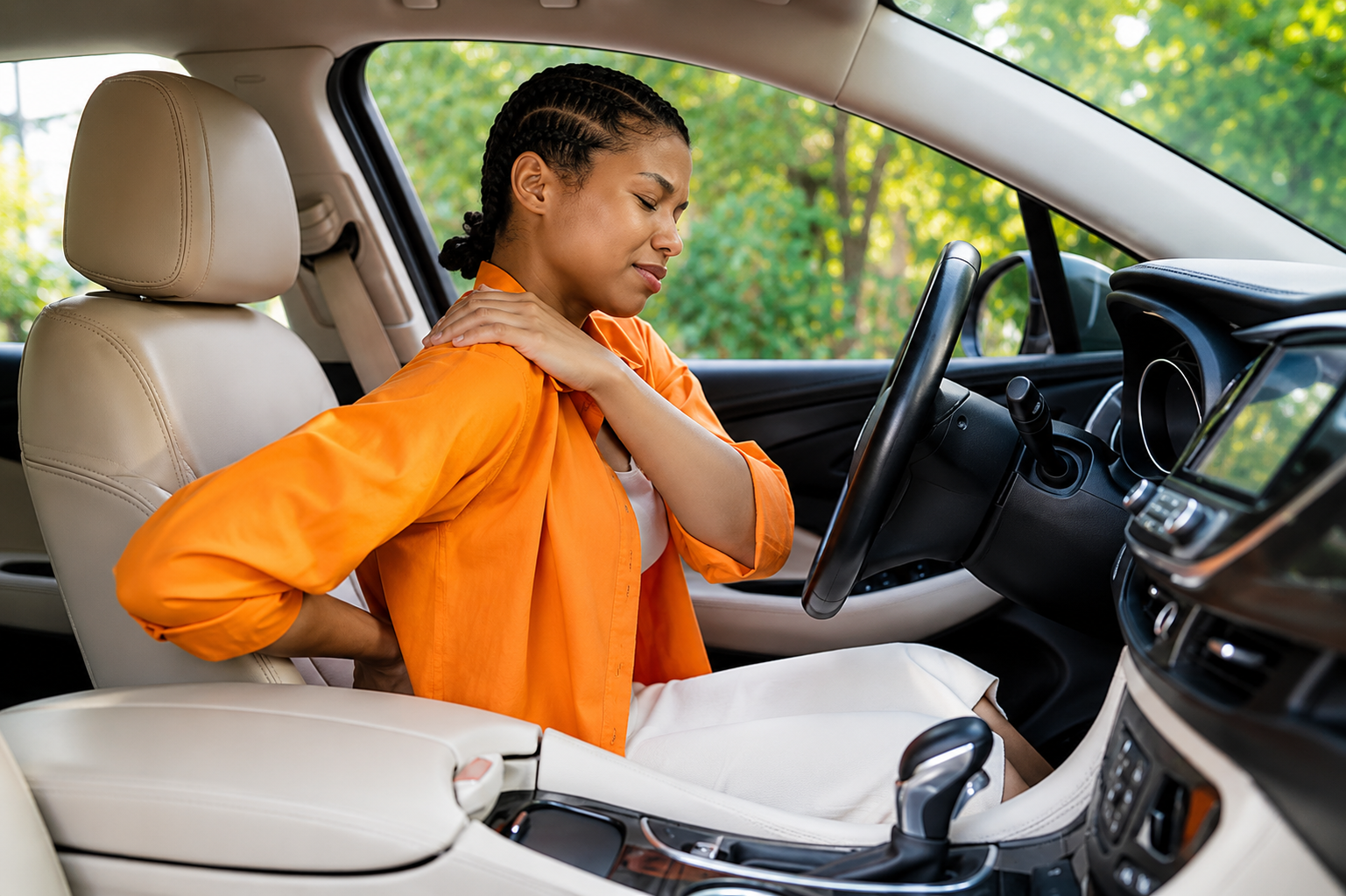
Think about how often you twist around to reach a handbag on the back seat, lean over to retrieve something from the passenger footwell or remain in the same driving position through another long stretch of Gauteng traffic. By the time you arrive home, that niggling ache in your lower back or stiffness around your neck and shoulders is easily dismissed as part of a long day.
During Women's Month, when we're talking about women's wellbeing and safety in so many other areas of our lives, perhaps it's also worth paying attention to how we look after our bodies behind the wheel.
Start with how you sit
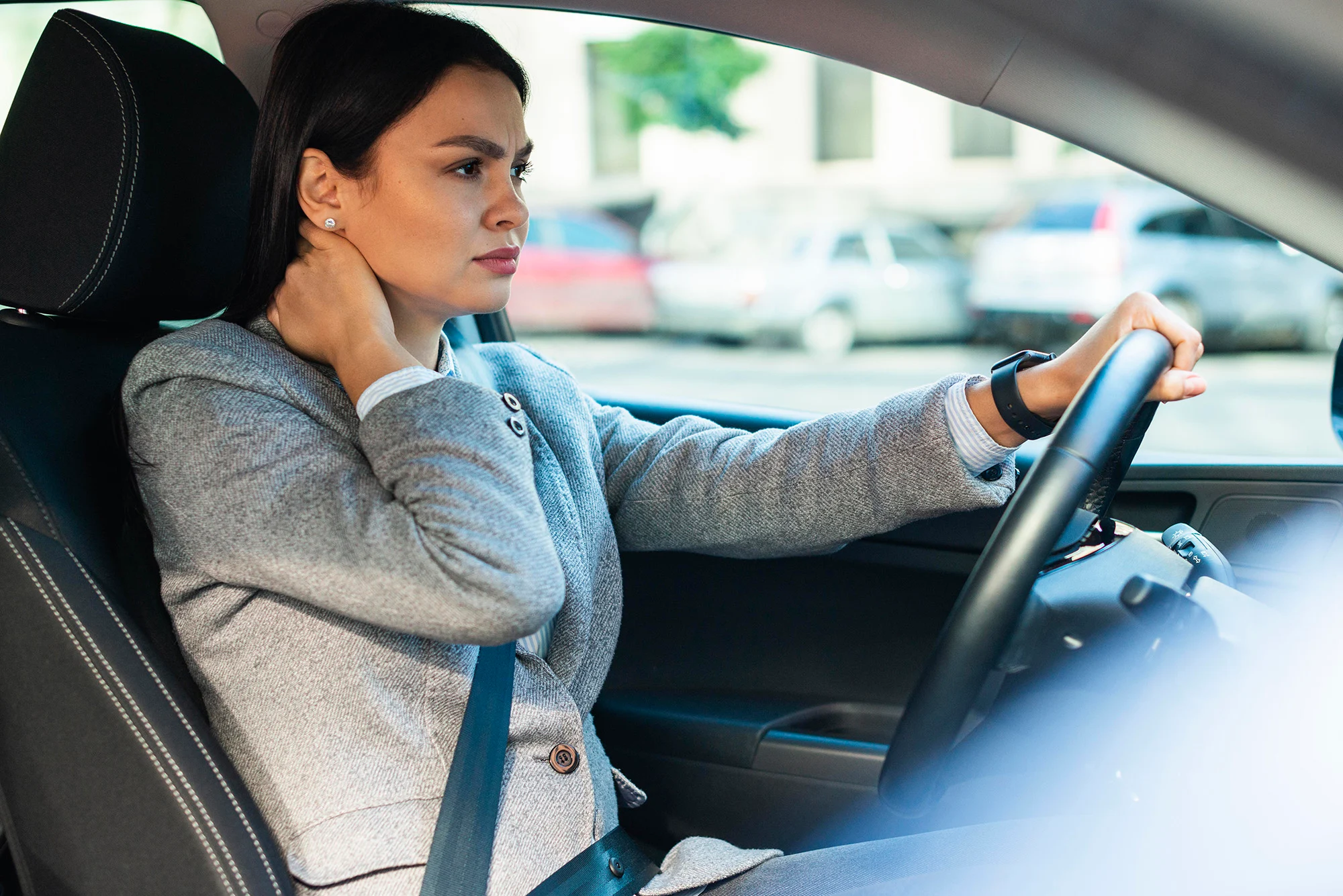
According to road safety organisation Arrive Alive, sitting in the same position for long periods can contribute to back and neck pain, which makes the way you position yourself behind the wheel more important than you may realise.
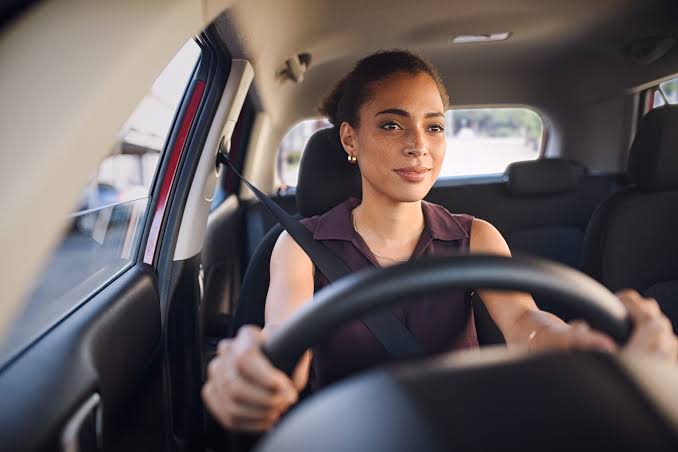
Your bottom should sit against the back of the seat, with adequate support around your lower back. Try to avoid rounding your back, pushing your chin forward or allowing your shoulders to hunch as you drive. Your seat should also be positioned so that your knees and elbows remain slightly bent rather than forcing your arms or legs to stay completely straight.
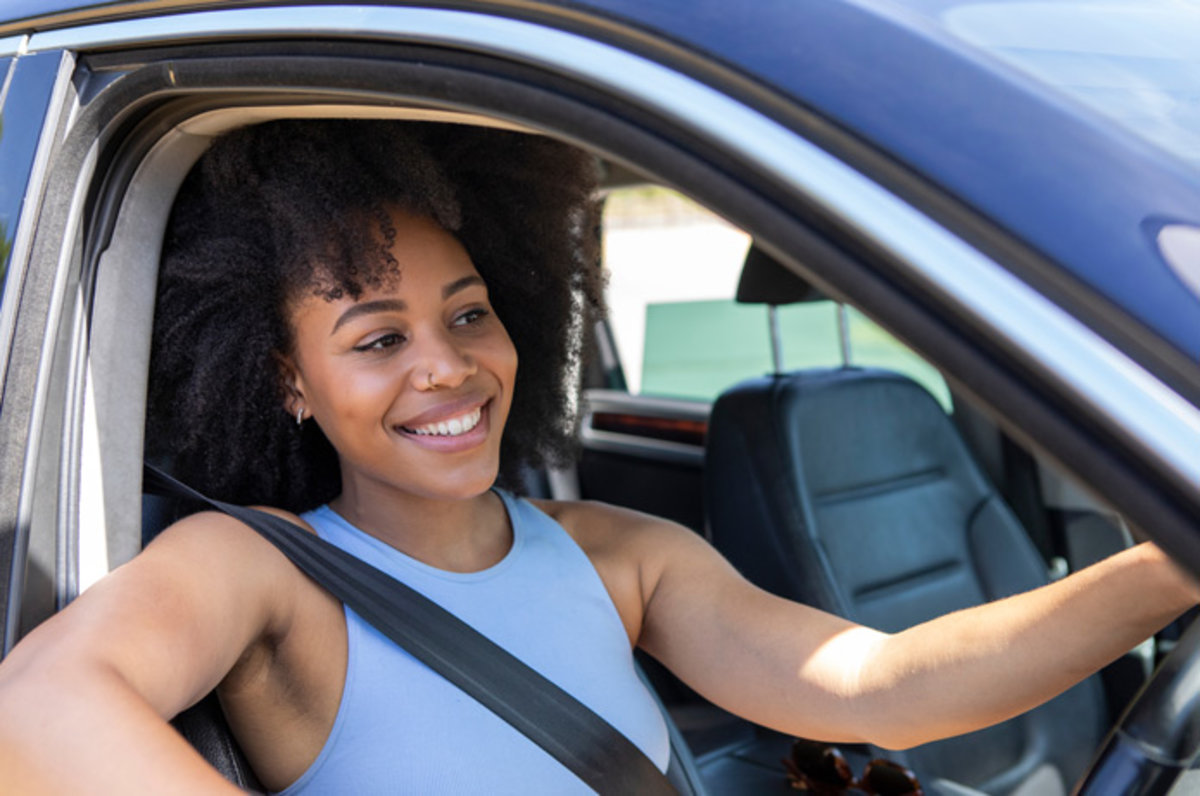
They may sound like small adjustments, but consider how many hours you spend behind the wheel every week. Over time, your driving position matters.
Think before you twist
Your handbag is behind you. A child wants something from the back seat. You've left your jacket there and, rather than getting out of the car, you simply turn around and reach for it. Sound familiar?
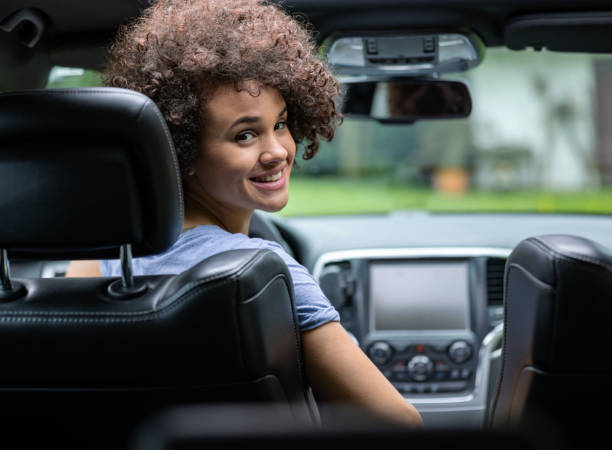
Arrive Alive cautions against twisting the body backwards because it places the spine in an unnatural and vulnerable position. Where possible, move your whole body rather than twisting your spine, particularly when lifting something heavy.
Sometimes the better option is also the simplest: park safely, get out and fetch what you need.
Be smarter when loading the car
The same principle applies when you're loading groceries, luggage, school bags or anything heavy into the boot.
Instead of bending from the waist, move closer to what you're lifting, bend your knees and hips while keeping your back aligned, and allow your legs to do more of the work. Avoid lifting and twisting at the same time.
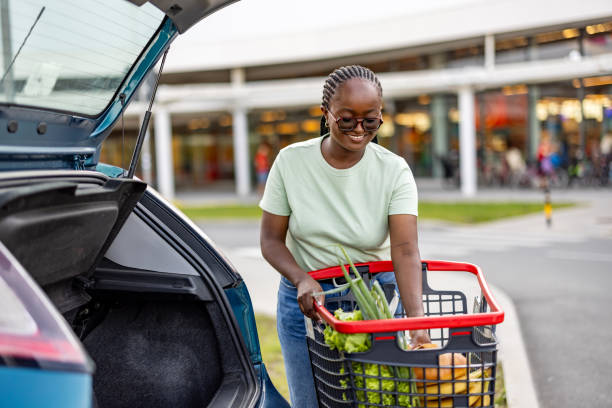
It's a small habit worth developing, particularly when you consider how often we load and unload cars without giving much thought to the strain we're placing on our bodies.
Give your body a break on longer journeys
Regular stops on a road trip aren't only about managing driver fatigue. They also give your body a chance to move after spending a long time in one position.
Arrive Alive recommends taking breaks on longer journeys and using the opportunity to stretch. Any stretches or exercises should, of course, only be done once you've stopped somewhere safe, never while driving.
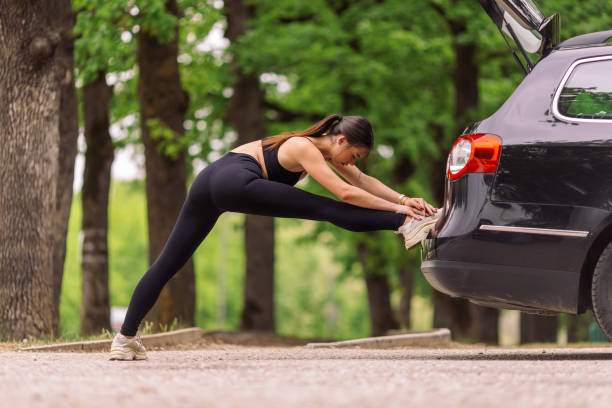
Away from the car, activities such as walking, cycling and swimming can also help keep the muscles surrounding the spine strong.
Make comfort part of your safety routine
We think about checking our tyres, fastening our seatbelts and putting our phones away before driving. Perhaps there're another simple question worth adding before pulling away: Am I sitting properly?
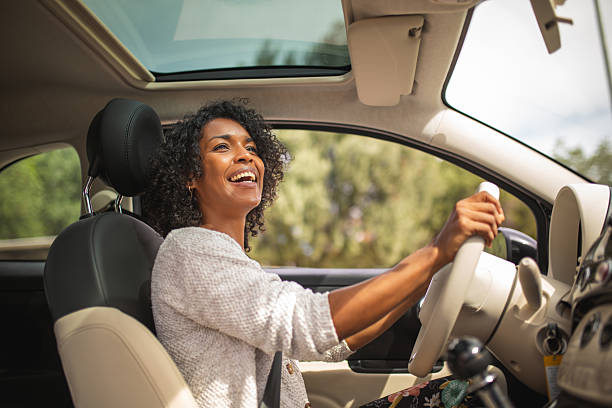
You don't have to wait until your back is aching to pay attention. Take a few seconds to adjust your seat, think twice before twisting towards the back seat and be more mindful about how you lift that heavy shopping bag into the boot.
Looking after yourself on the road isn't only about avoiding a crash. It's also about the everyday habits that determine how you feel when you reach your destination. And for women whose days involve constantly moving between work, home, family and everything in between, arriving safely should also mean arriving well.