By Aurelia Mbokazi
With El Niño threatening summer rainfall, farmers may need to rethink how they manage soil, choose crops and use water to protect their harvests.
By mid-November, many farmers in Gauteng expect summer rainfall to be helping their crops along. But when the rain is late or lighter than expected, preparing for the planting season becomes a difficult balancing act.
Do farmers plant and hope for better rainfall, or wait and risk missing their planting window?
The South African Weather Service (SAWS) has warned that the 2026/27 El Niño could bring below-normal rainfall and above-normal temperatures across much of South Africa. While this does not guarantee drought everywhere, it makes managing available water particularly important.
Fortunately, there are practical ways to reduce water losses and improve production without necessarily investing in expensive equipment. Sometimes, it begins with understanding what is happening beneath the soil.
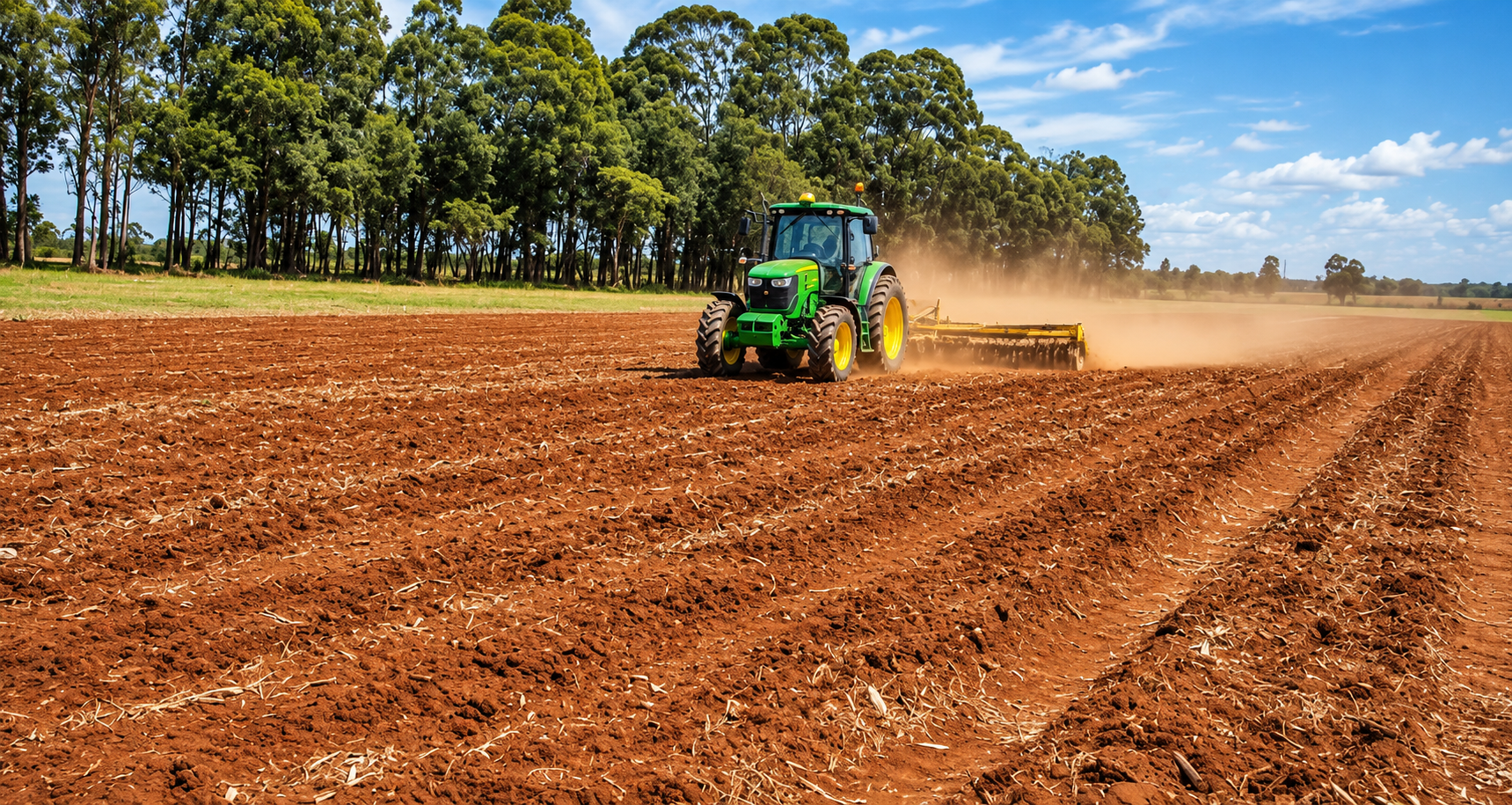
It starts with the soil
A farmer can invest in quality seed and fertiliser, but if the soil cannot retain moisture, much of that investment could be lost.
Healthy soil does more than hold plants upright. It stores water and makes that moisture available to their roots.
Pietman Botha, an independent agricultural consultant writing for Grain SA, emphasises that preparing for an El Niño year begins with conserving soil moisture and making better use of rainfall. He advises farmers to assess soil conditions, address acidity where necessary and encourage strong root development.
For small-scale growers, adding well-prepared compost can improve soil structure over time, while covering exposed soil with mulch helps reduce evaporation.
In fact, the Department of Water and Sanitation’s water-saving guide for emerging farmers notes that using crop residues as mulch can reduce irrigation water requirements by up to 20%, depending on conditions.
Mulch can be as simple as clean, dry plant material placed around vegetables without covering their stems.
The idea is to give every drop of water the best chance of reaching the roots and remaining available to the crop.
More watering is not always better
One mistake inexperienced growers can make is assuming that plants need water simply because the soil surface looks dry.
However, moisture conditions a few centimetres below the surface may be different.
At a recent agricultural event in Barrydale, soil scientist Dr Pieter Raath encouraged farmers to examine their soil and root systems to understand whether irrigation water was reaching the right places.
His advice is practical: digging into the soil can reveal whether water is reaching active roots, draining too deeply or leaving parts of the ground waterlogged.
Too little water can stress plants, but excessive watering can also damage roots and waste a valuable resource.
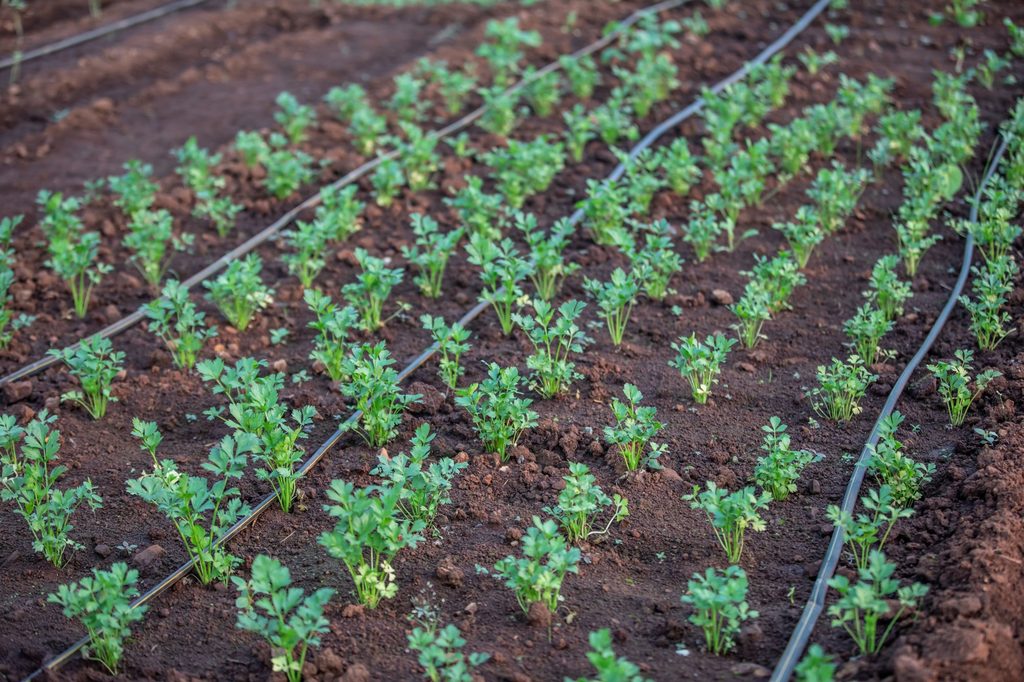
For farmers using irrigation, checking for leaks, blocked drippers and uneven water distribution can prevent unnecessary losses.
Even a small leak becomes expensive when it continues unnoticed.
Choose crops with your water supply in mind
Not every crop needs the same amount of water.
Leafy vegetables, for example, often require consistent moisture to maintain their quality. Other crops may tolerate periods of limited water more effectively, depending on their variety and growth stage.
Before deciding what to plant, farmers should consider how much water is reliably available throughout the growing season.
This is particularly important for growers who depend on municipal water, boreholes or rainwater storage.
Planting a crop that requires regular irrigation without a dependable water supply can create financial losses long before harvest.
The Agricultural Research Council’s vegetable production guidelines also emphasise the importance of considering soil conditions, water quality and available water when planning production.
Pay attention to timing
Water is particularly important during certain stages of crop development.
For some crops, moisture stress during flowering or fruit formation can significantly reduce yields. Farmers should therefore understand when their crops are most vulnerable and plan water use accordingly.
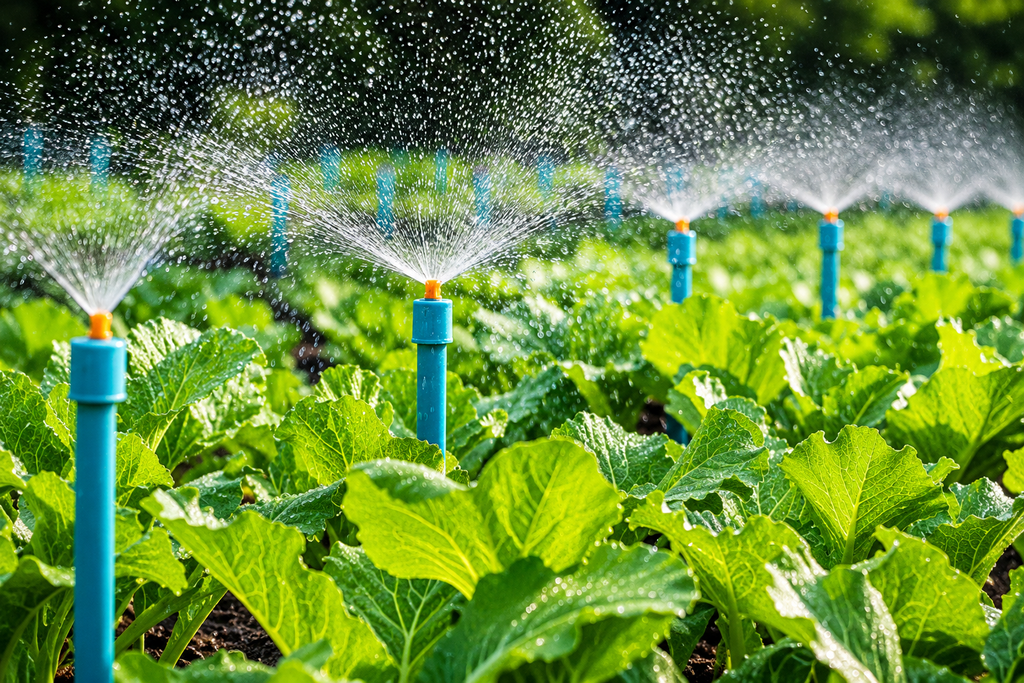
Where possible, watering during cooler parts of the day, such as early morning or late afternoon, can help reduce evaporation.
Farmers should also monitor rainfall forecasts and actual soil conditions rather than watering automatically according to a fixed routine.
Know what every drop is costing you
Water management is also a business decision.
Pumping water requires electricity or fuel. Irrigation systems need maintenance, while municipal water comes at a cost.
Keeping records of water use alongside harvest quantities and sales can help farmers understand whether their production methods are financially sustainable.
A vegetable grower who uses less water without compromising crop quality may improve profitability while conserving a scarce resource.
For farmers considering expansion, this information becomes even more valuable.
Small changes can make a difference
There is no single irrigation method or crop choice that works for every farm. Soil type, climate, available water, equipment and budget all influence the best approach.
But farmers can begin with a few practical questions. Is water reaching the roots? Is any being wasted? Is the crop suitable for the available water supply? Could better soil management reduce moisture losses?
Water scarcity may be a challenge that South African farmers cannot control, but how they manage the water available to them is something they can improve.
And with an uncertain summer ahead, making every drop count could be the difference between simply keeping crops alive and producing a worthwhile harvest.
Read more: A drier summer could be ahead and South African farmers need to prepare now