Staff Writer
The first spring rain can turn a familiar drive home into a very different journey. Traffic slows, visibility drops and that pothole you normally avoid disappears beneath a pool of water. Then the car ahead brakes suddenly.
With the rainy season returning to parts of South Africa, this is a good time to pay attention to something most of us only think about when there is a problem: our brakes.
Wet roads change the way your car stops
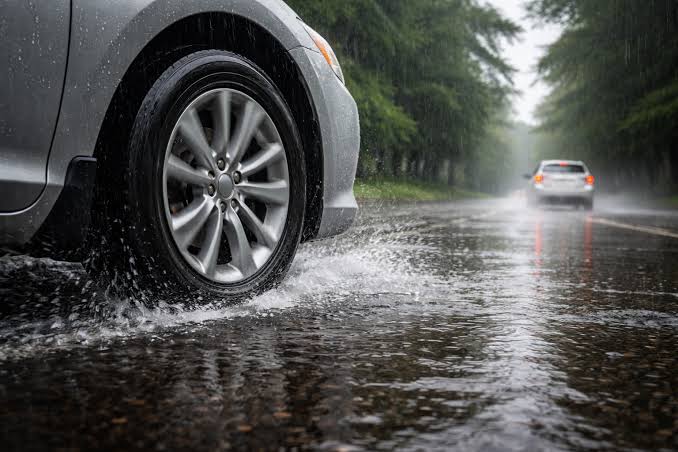
Rain reduces the grip between your tyres and the road, which means your vehicle needs more distance to stop. The Automobile Association advises motorists to brake earlier, slow down and increase following distances when roads are wet.
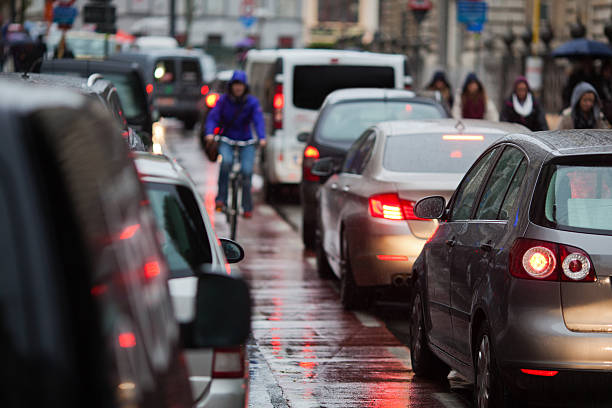
Your brakes therefore need help from you too. Leave more space between yourself and the vehicle ahead so that you can slow down progressively rather than having to slam on the brakes. Approach bends and intersections more slowly, particularly when rain is heavy or visibility is poor.
That extra space could also give you valuable time when standing water conceals one of South Africa's other wet-weather hazards: a pothole.
Listen to what your brakes are telling you
You don't have to understand the mechanics of a braking system to recognise that something doesn't feel right.
Pay attention if the brakes squeal or grind, the car pulls to one side when you brake, the steering wheel vibrates, the brake pedal feels unusually soft or you notice that the car is taking longer to stop than it normally does.
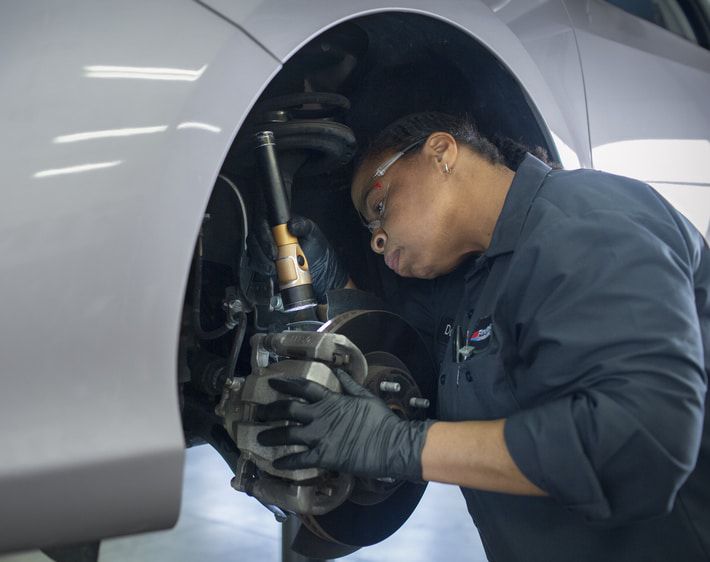
Don't wait for your next scheduled service if you notice a change. Have the braking system inspected by a qualified workshop, particularly before the rainy season settles in.
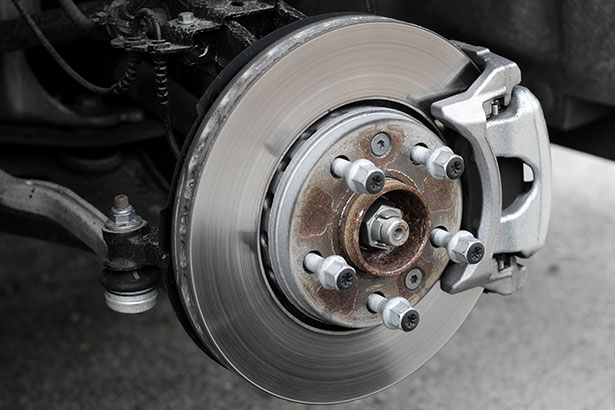
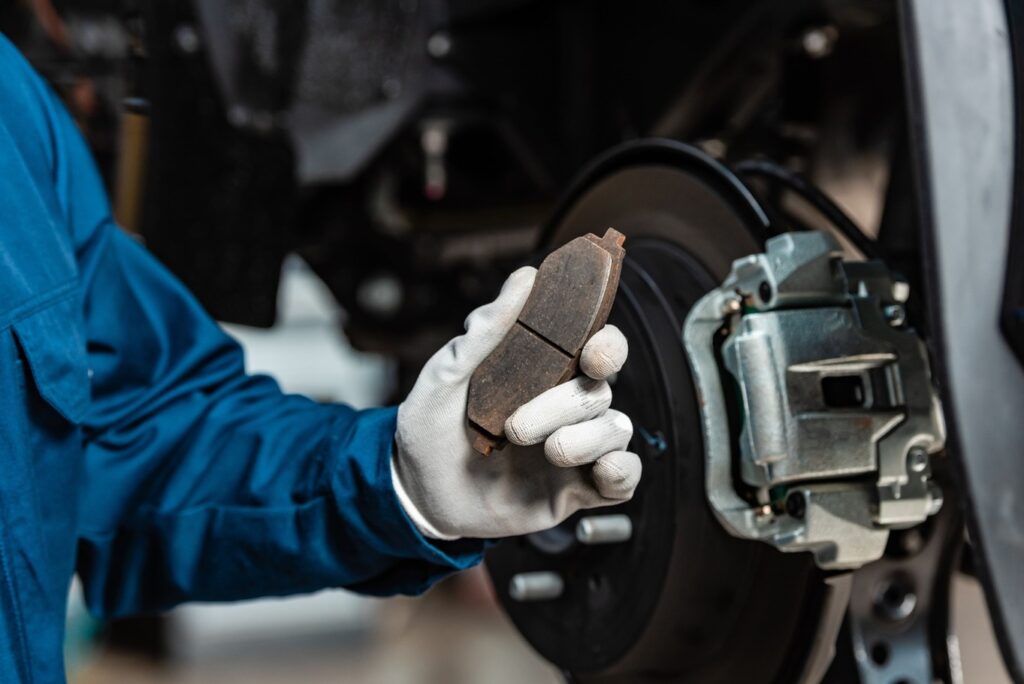
Brake pads are designed to wear and eventually need replacing, while discs or rotors, brake fluid and other components also require inspection and maintenance. A workshop can tell you what needs attention rather than leaving you to guess.
Know what ABS feels like
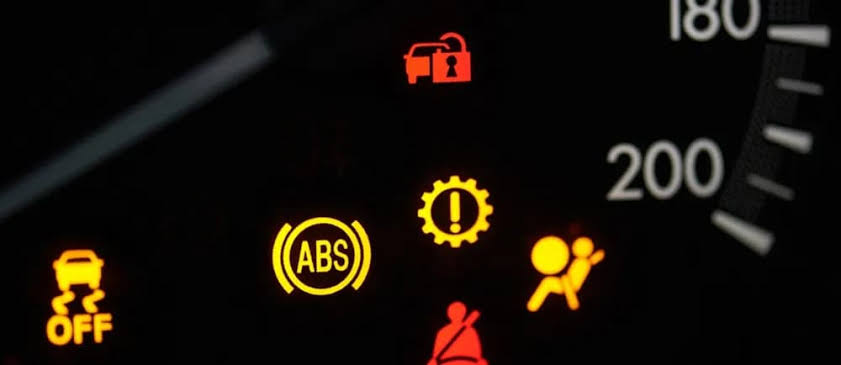
Most newer vehicles have an anti-lock braking system, or ABS. During hard braking, ABS helps prevent the wheels from locking so that the driver can retain greater steering control.
If ABS activates, you may feel a rapid pulsing through the brake pedal. That sensation can be alarming if you've never experienced it, but it doesn't necessarily mean something has broken.
Find out whether your vehicle has ABS and understand how the manufacturer recommends using it. Knowing what to expect can prevent panic when you need the system most.
Be careful after driving through water
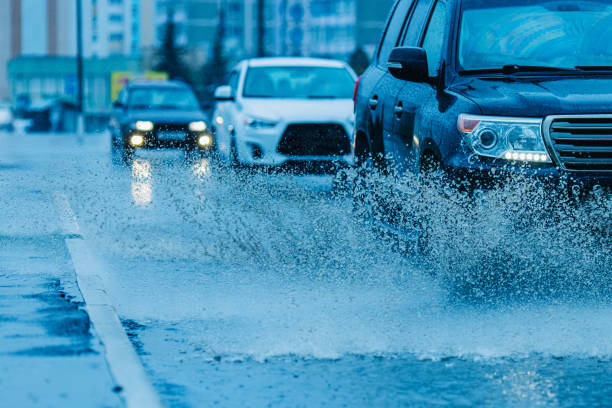
Sometimes avoiding standing water isn't possible. If you have driven through a significant amount of water, braking performance can temporarily be affected.
Once you are safely through, drive cautiously and pay attention to how the brakes respond. Arrive Alive advises that brakes can lose some effectiveness after travelling through considerable water. If they don't feel normal, don't continue driving as though nothing has happened. Stop somewhere safe and seek assistance if necessary.
Give yourself one simple rainy-season job
Before the next downpour, think back to the last time your brakes were checked. If you can't remember, or you've noticed a change in the way your car stops, book an inspection.
Then check your tyres and wipers too, because safe braking in the rain depends on more than the brake pedal.
When the road is wet and the unexpected happens ahead of you, those few extra metres you gave yourself and the maintenance you did before the rain arrived could make all the difference.