By Staff Writer
Getting cattle through winter is one thing. Making sure they enter the new season healthy and well-fed is another. As September brings warmer days and the promise of better grazing, now is the time to assess the condition of your herd, check feed and water supplies, and keep up the biosecurity measures that have become so important during the foot-and-mouth disease outbreaks. Before easing supplementary feeding or other winter routines, make sure your cattle are genuinely ready for the season ahead. Take a good look at the herd. Have some animals lost condition over winter? Is there enough feed to carry them until the veld improves? Are water points ready for hotter days? These are simple questions, but answering them now can prevent bigger problems later.
Start with the cattle, not the calendar
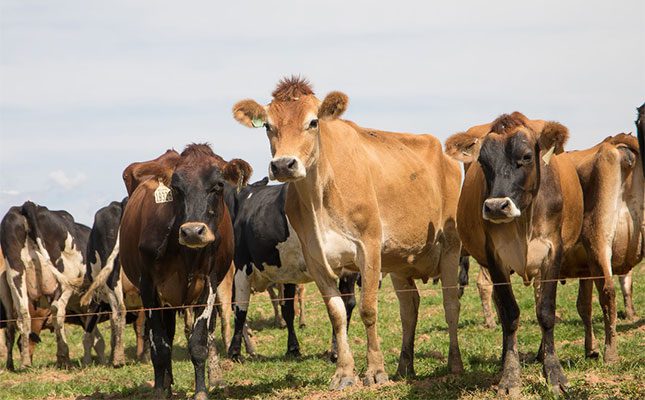
Spring does not automatically mean winter feeding is over. New green growth may look encouraging, but that does not always mean there is enough good-quality grazing to meet the needs of the herd.
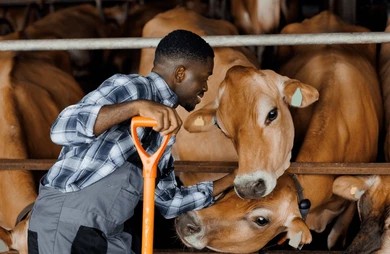
Walk through your cattle and look at their body condition. Pay particular attention to animals that have become noticeably thinner, growing calves and cows that need extra support. Feed decisions should be based on what is actually available in the veld and what the animals need, rather than simply the change of season. If you are unsure whether supplementary feed is still necessary, speak to an animal nutritionist, veterinarian or agricultural adviser before making major changes. The principle is simple: it is easier to protect good body condition than to rebuild it once animals have lost too much weight.
Prepare before conditions become difficult
Weather is one of the things farmers cannot control, but preparation can make a difficult season easier to manage.ARC-Animal Production researchers Prof Michiel Scholtz and Motshabi Chadyiwa-Mokolobate describe resilient animals as those able to “recover quickly, bounce back, or are just tough”.
For farmers, resilience also means making sure the basics are in place before they are urgently needed.
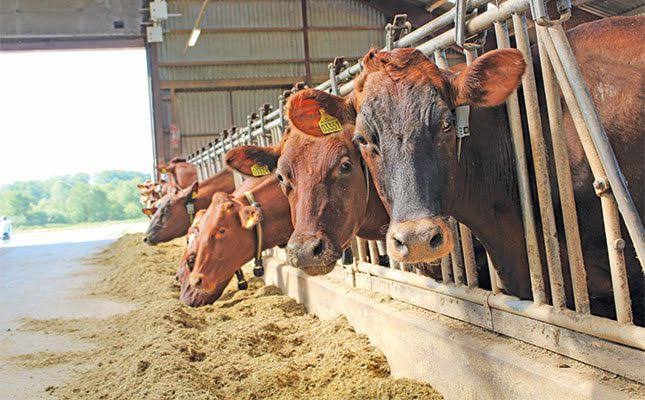
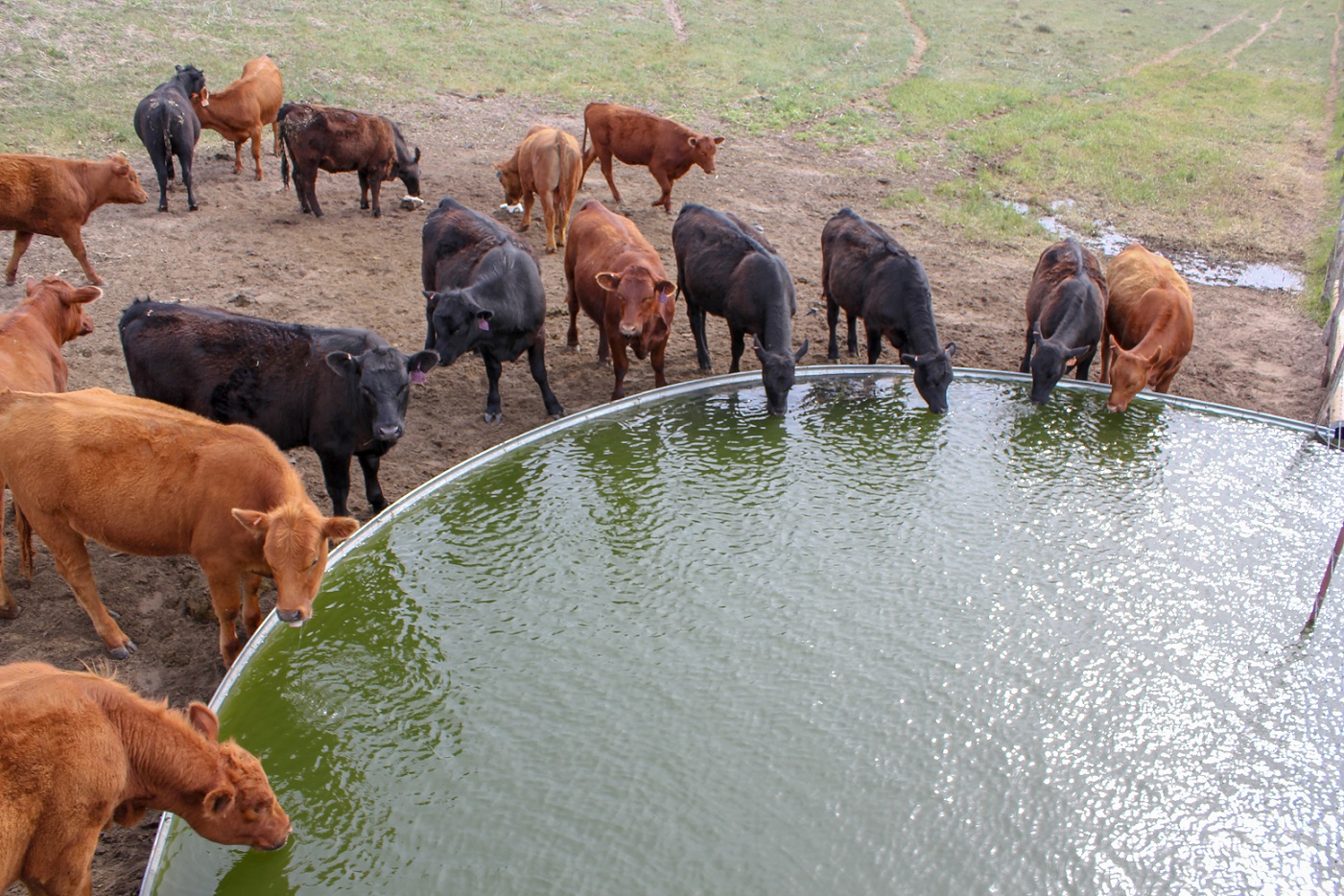
Check water troughs for leaks and dirt. Inspect pumps, pipes, boreholes and storage tanks. Make sure the herd has reliable access to clean water as temperatures rise. Look at feed reserves too. Know how much hay, roughage or supplementary feed you have available and whether it will be enough if grazing takes longer than expected to recover. Planning early gives you more room to adjust than waiting until feed is already scarce.
Keep biosecurity at the farm gate
Foot-and-mouth disease has reminded livestock farmers how quickly disease can disrupt a farm. The biosecurity measures strengthened during outbreaks should not disappear simply because the immediate pressure begins to ease. FMD can spread through infected animals, but people, vehicles, boots and equipment that have been in contact with infected animals can also carry the virus from one place to another.
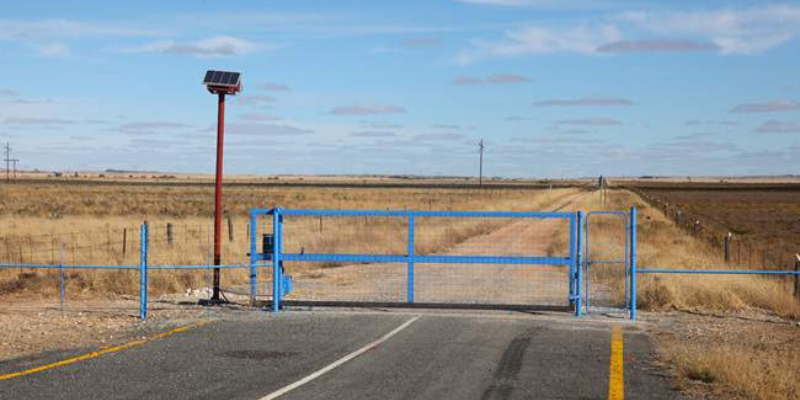
That means footbaths, clean boots, disinfected equipment and controlled access to cattle areas still matter. Be careful about who enters the farm, where vehicles have been and what equipment is brought onto the property. Newly bought cattle should also be kept separate from the main herd while their health is monitored. Knowing what is normal in your herd is just as important. Excessive drooling, mouth sores, loss of appetite and unexplained lameness are among the signs linked to FMD. If you suspect the disease, contact your state veterinarian or animal health technician immediately, separate affected animals and stop animal movements until you receive guidance.
Biosecurity is not only about FMD. Good habits at the farm gate can help reduce the risk of other diseases entering and spreading through the herd.
Keep an eye on the herd and keep records
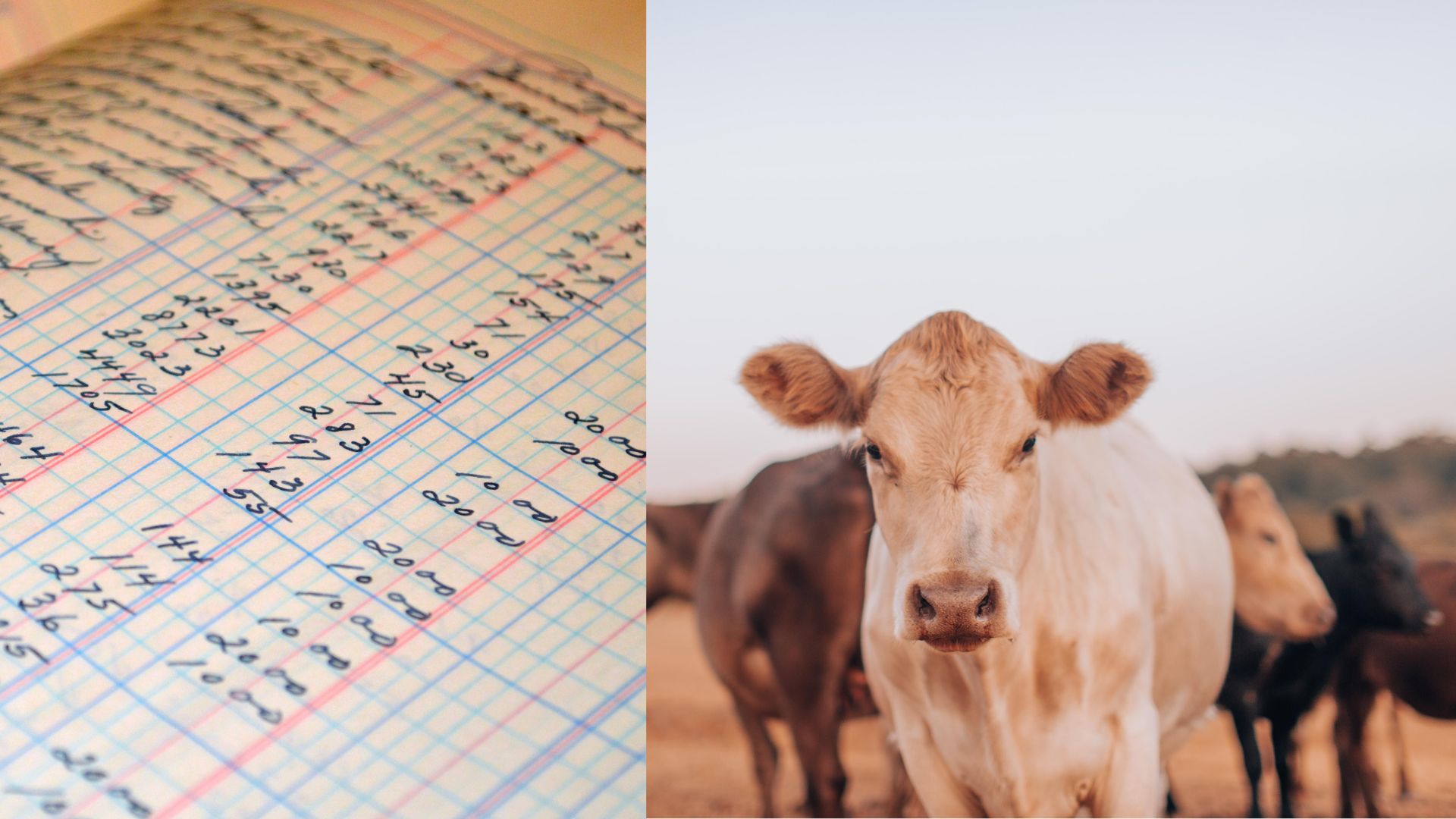
Some of the most useful farming tools are still a notebook, a phone and a farmer who pays attention. Record births, illnesses, treatments, vaccinations and deaths. Note changes in body condition, feed intake and behaviour. Keep track of calves and reproductive performance.
Simple records can reveal patterns that are easy to miss from memory alone. Weighing calves, noting whether a cow had difficulty calving or recording an animal's temperature when it is unwell can all help farmers make better management decisions over time. Dr Ben Greyling, Research Team Manager: Beef Cattle Improvement at ARC-Animal Production, has also cautioned against expecting technology alone to solve farming problems. Tools can help, but good management, knowledge and consistent decision-making remain at the heart of a strong cattle operation.
Use spring as a reset
No two cattle farms are exactly the same. A farmer managing a small communal herd will face different challenges from a large commercial producer. But the basics do not change.
Know the condition of your cattle. Know what they are eating. Make sure they have enough clean water. Keep unnecessary disease risks away from the herd. And pay attention to small changes before they become expensive problems. Spring brings the promise of a new season, but it should also be a time to take stock. Getting cattle through winter is one achievement. Getting them ready to thrive in the months ahead is the next.