Staff Writer
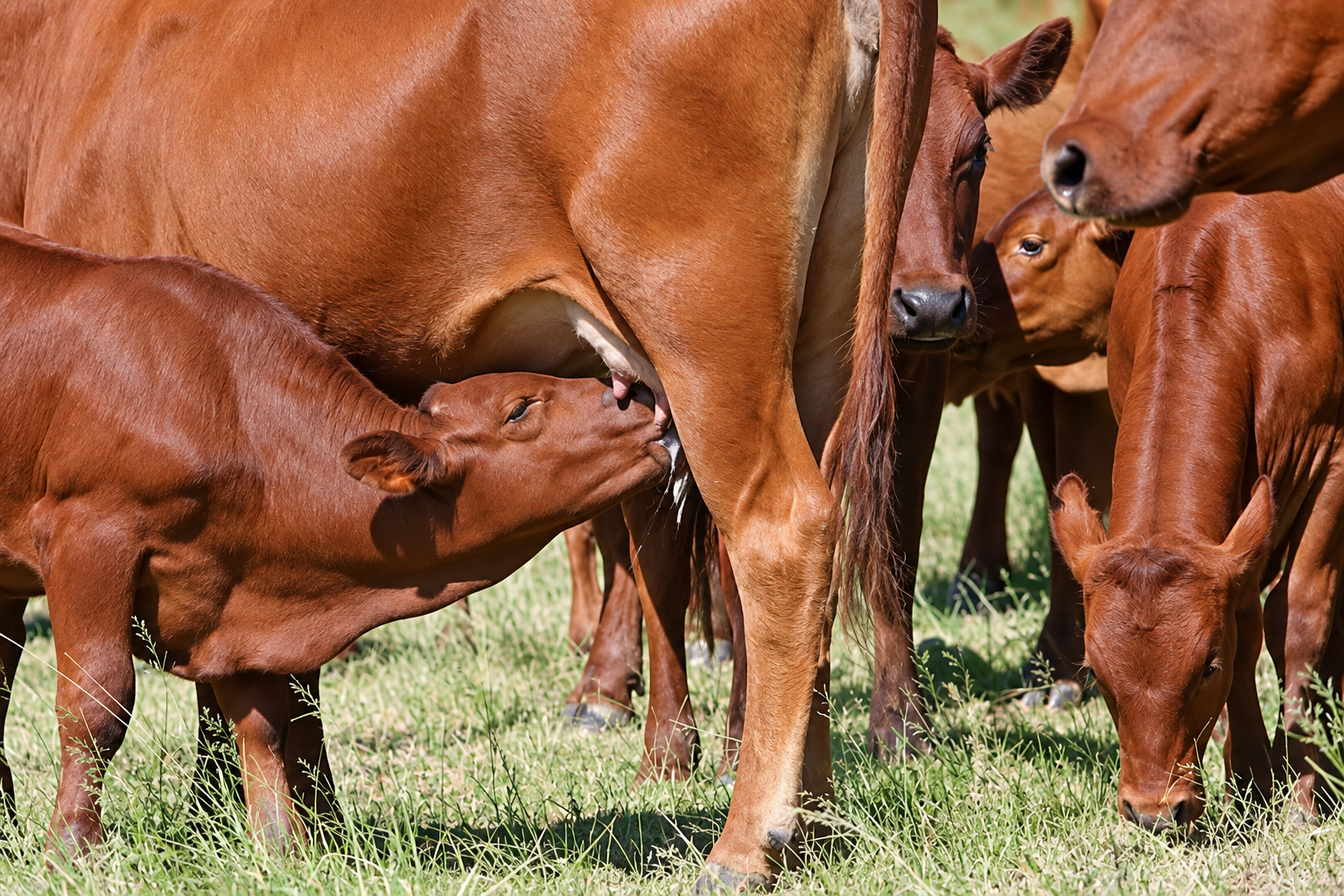
For many South African beef farmers, September is not simply the end of winter. It is calving time, or very close to it. After months of dry veld, cold mornings and carefully managed winter feed, the next few weeks can determine how much of the year's breeding effort eventually translates into healthy weaners.
There is no single national calving season. Rainfall, region, breeding system and available grazing all matter. But in South Africa's summer-rainfall areas, spring calving is common because farmers try to match the cow's rising nutritional needs after birth with the return of nutritious summer grazing.
Agricultural Research Council (ARC) guidance illustrates the regional differences: typical calving windows range from August to October on the Eastern Highveld, September to November on the Western Highveld, and later in parts of the Bushveld.
So, for many farmers, the calves are not merely "around the corner". Some are arriving already.
Start with the cow, not the calf
A successful calving season begins before labour.
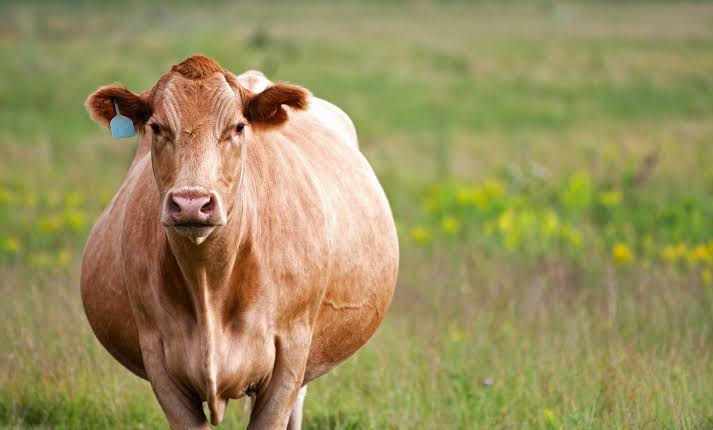
Late winter can be particularly demanding because the nutritional value of natural veld is often at its lowest just as heavily pregnant cows approach calving. A cow going into birth in poor condition has less nutritional reserve for calving, milk production and the next breeding cycle.
This makes the transition from winter into spring a period when farmers should be watching body condition closely rather than assuming that warmer weather means the nutritional challenge has passed.
Research and practical experience repeatedly point to the value of entering winter with animals in good condition. ARC-Animal Production's Nelly Chabalala, Mohau Moshounyane and Yolanda Venter put it simply: "Ending the autumn with well-conditioned stock is far cheaper than trying to pull thin stock through the winter."
For cows already approaching calving, assess what the veld is actually providing and supplement strategically where necessary. Clean water and appropriate mineral supplementation must remain available.
Know who is due and when
Good records become particularly valuable during calving.
Separate cows that are close to calving where practical and observe them regularly, paying particular attention to first-calf heifers. Know approximate expected calving dates and keep the animals somewhere they can be checked without unnecessary disturbance.
Dr Simon Lashmar of ARC-Animal Production argues that seemingly routine information such as calf weights and calving ease forms the foundation of long-term herd improvement. "Genomics is only as strong as the records behind it," he says.
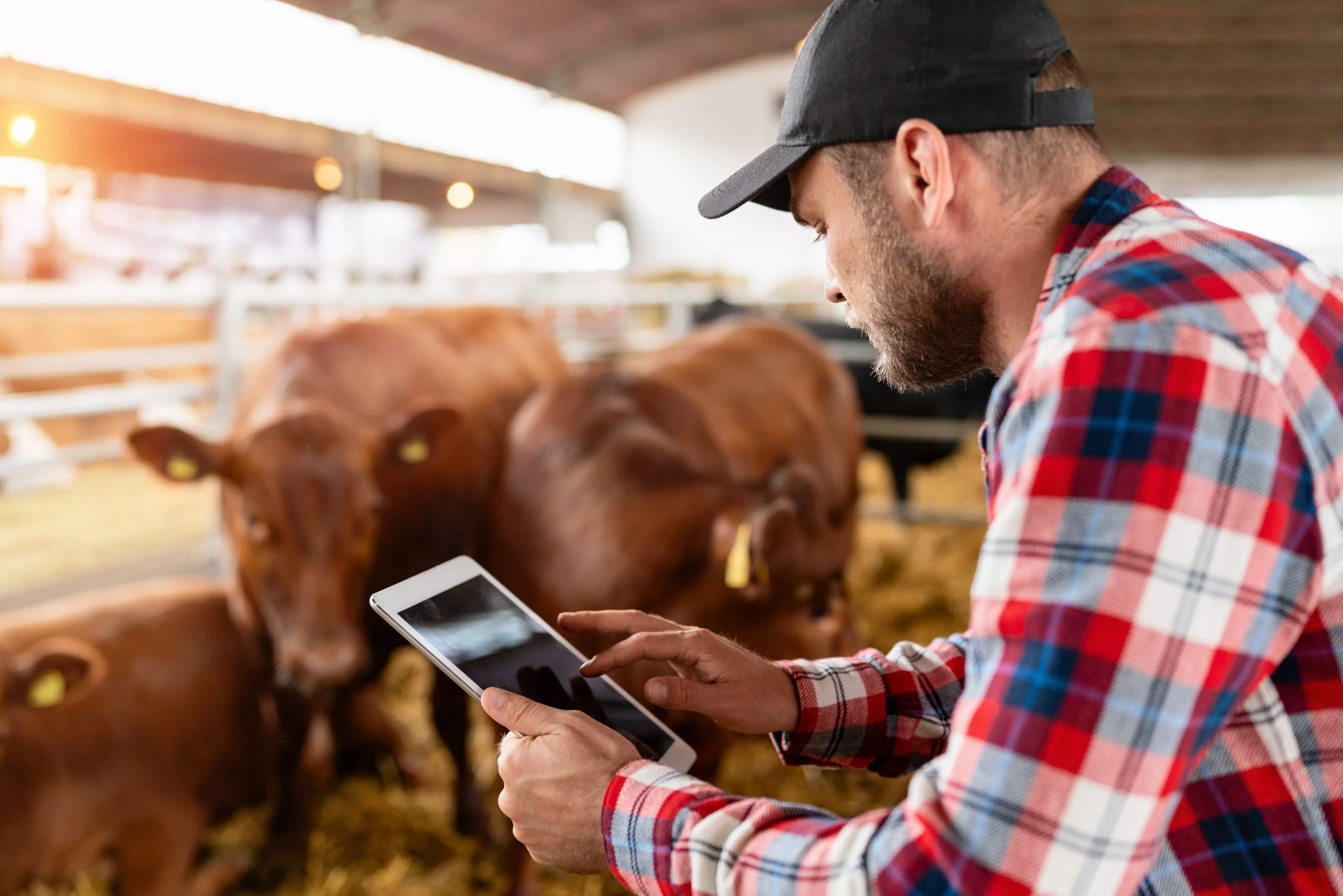
A notebook or phone is enough to start. Record the dam, calf's date of birth and sex ,whether assistance was required, birth weight where possible and any abnormalities.
Over several seasons, those notes can expose patterns that memory misses.
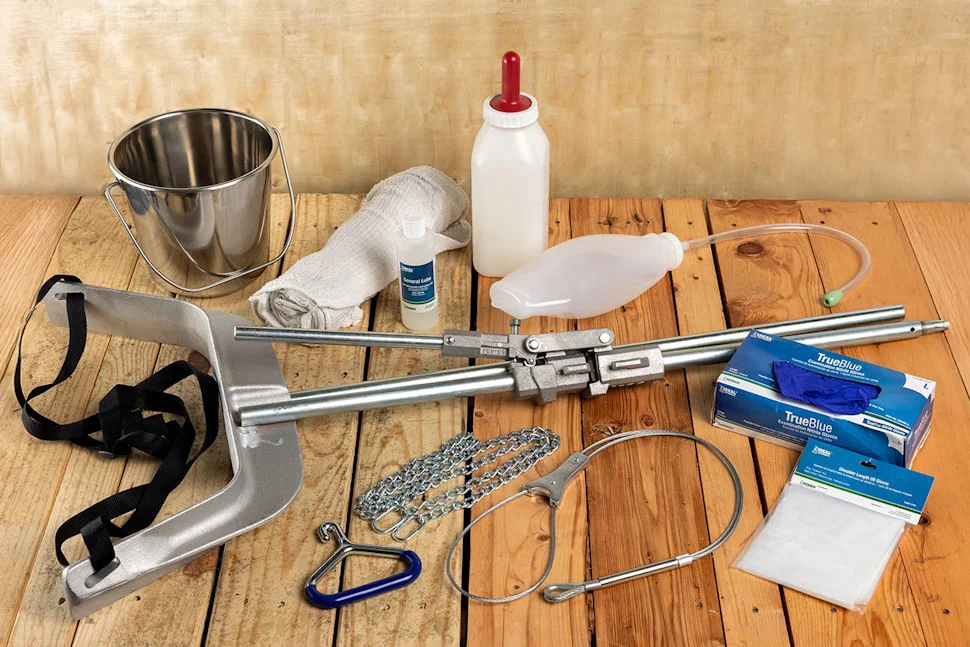
Prepare your calving kit before you need it
The middle of a difficult birth is not the time to discover that something is missing. Have a clean, accessible calving area and speak to your veterinarian beforehand about what should be included in your farm's calving kit and when intervention is appropriate .Keep your vet's number readily available, together with the details of someone experienced who can assist if you are a novice farmer.
Cleanliness matters. Equipment used during an assisted birth should be properly cleaned and disinfected, and good hygiene around both cow and calf reduces unnecessary infection risk.
Most importantly, know your limits. Difficult calving, or dystocia, can threaten both cow and calf. A farmer who is uncertain about the calf's presentation, sees no reasonable progress once active labour is under way, or suspects something is wrong should seek veterinary assistance rather than repeatedly attempting an intervention they are not trained to perform.
The first hours belong to the calf
Once the calf arrives, resist the temptation to regard the job as finished.
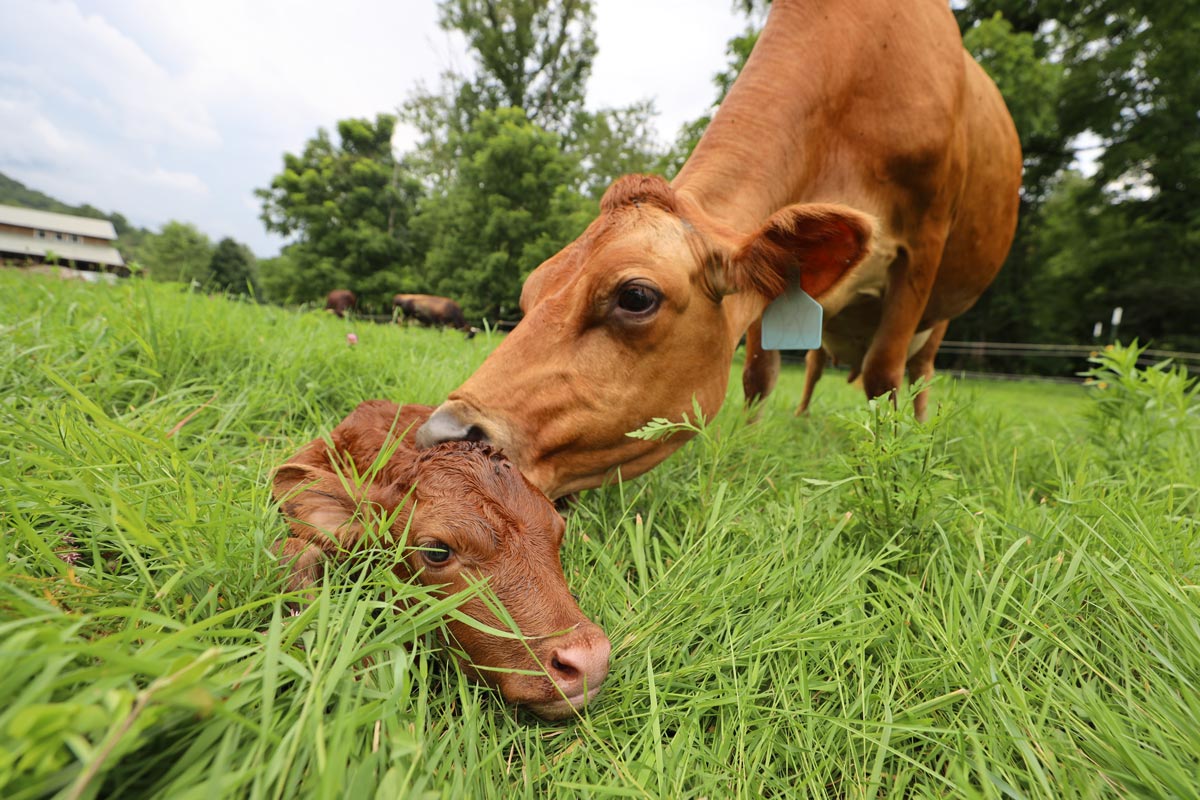
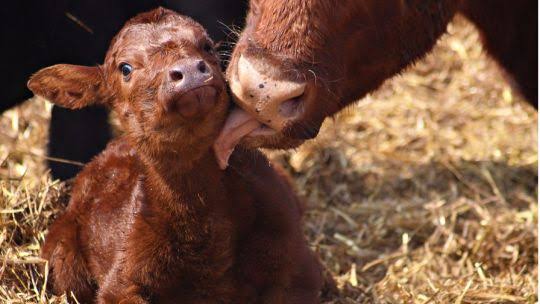
Check that it is breathing normally, is responsive and is able to stand and suckle. Make sure the cow accepts the calf and has milk available.
Colostrum, the cow's first milk, is particularly important because it supplies the newborn calf with antibodies and vital nutrients during its vulnerable first hours. A weak calf that does not suckle deserves immediate attention. If there is any doubt about whether it has received adequate colostrum, contact your veterinarian promptly for advice rather than waiting until the calf deteriorates. Also watch the pair beyond day one. Is the calf suckling vigorously? Is its stomach filling? Is the cow attentive? Is either animal unusually dull or isolated?
Don't forget the mother
Calving places enormous demands on a cow, and her next reproductive cycle has effectively begun.
Spring calving works well in summer-rainfall systems precisely because her highest nutritional demand after calving can coincide with improving summer grazing. The objective is not merely to produce a live calf this year, but to have the cow recover, produce enough milk and conceive again.
That makes post-calving condition important, particularly in first-calvers.
Use this season to improve the next one
Calving is also one of the clearest audits of a breeding programme.
Which cows calved without assistance? Which repeatedly needed help? Which produced vigorous calves? Which cows mothered well, and which calves performed strongly?
ARC data on elite cows highlights the value placed on reproductive efficiency, including age at first calving, inter-calving period and weaning performance.
The calf in front of you matters today. But the information you collect about how it arrived can help build a healthier, more productive herd for years to come.