By Staff Writer
A car recall can make you think twice about turning the key. You drove home yesterday without a warning light or a strange noise. Now the model you trust with your family is in the news because something could go wrong. How do you know if the warning is meant for you?
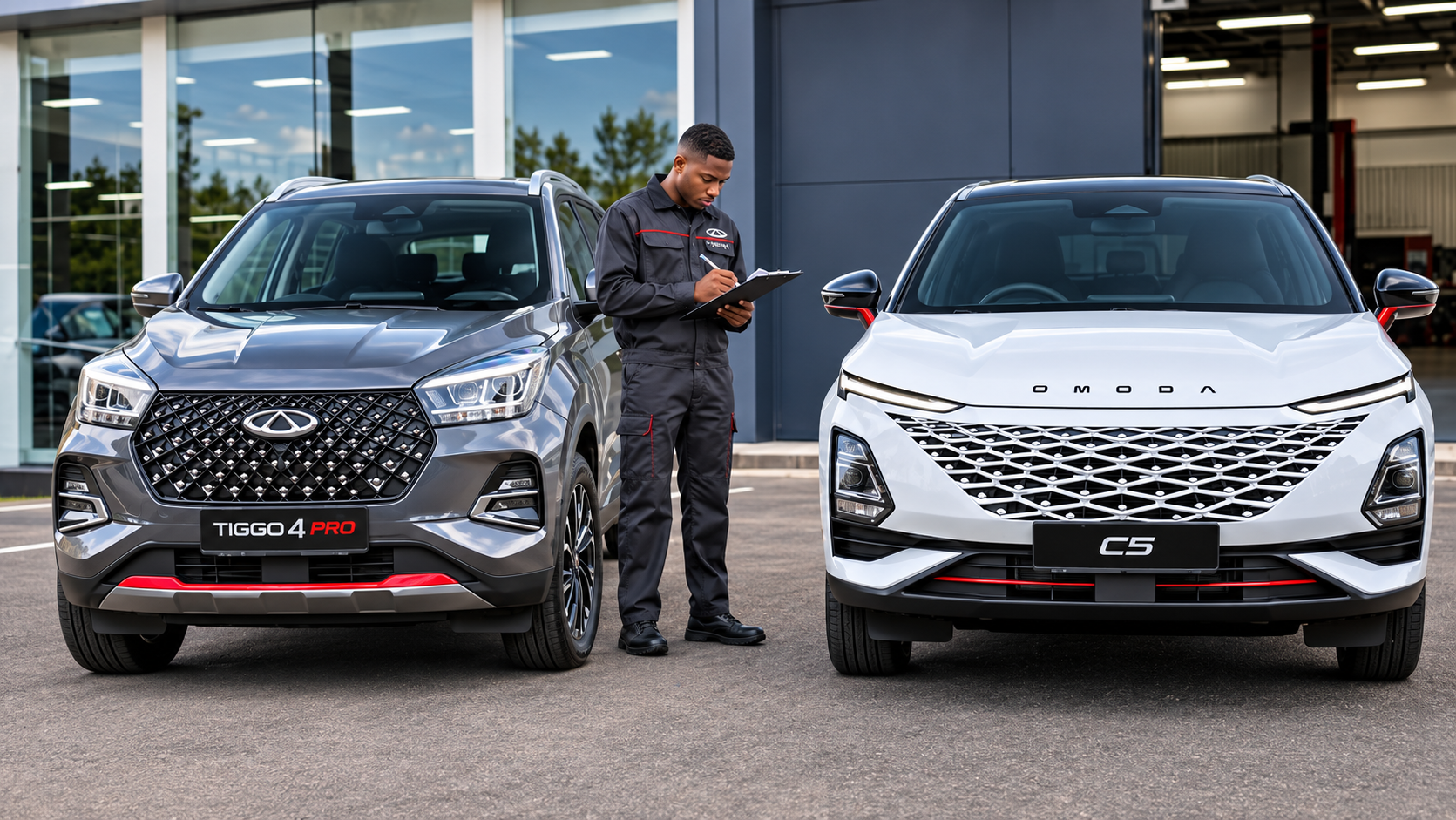
That question is especially timely after South Africa’s National Consumer Commission announced recalls affecting 23 667 Chery and Omoda vehicles in November. A recall flags a specific safety risk in a defined group of cars, and the model name alone can’t tell you whether yours is among them. Here’s how to find out, what to ask the dealer before you drive again and what to expect when you book the fix.
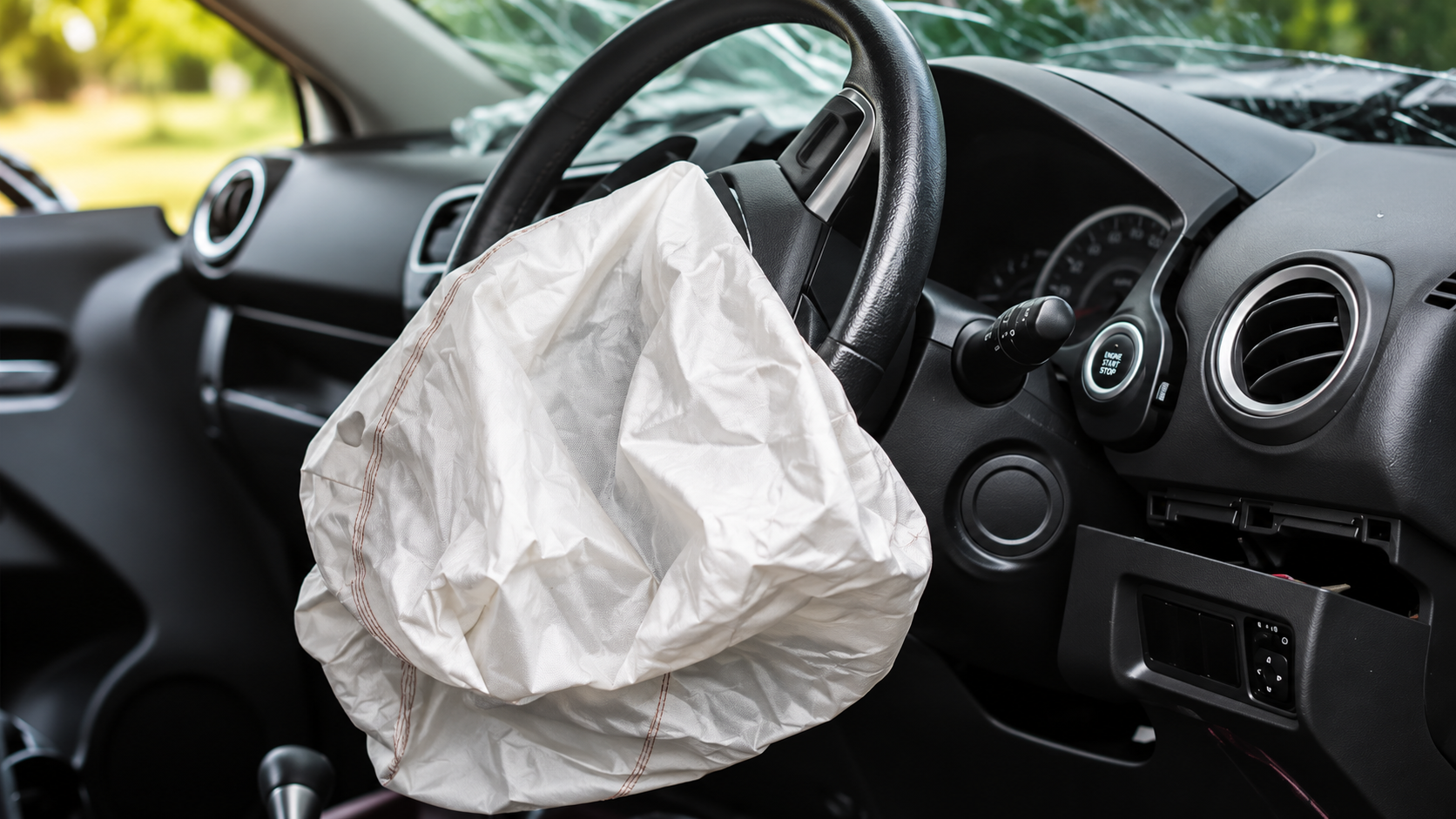
In the US, Toyota recalled nearly eight million vehicles over accelerator pedals that could stick or become trapped by floor mats. The global Takata airbag recall reached across dozens of brands. The Automobile Association of South Africa estimates it affected 1.7 million vehicles locally. Heat and humidity can degrade the chemicals in the device that inflates the airbag, which helps explain why a car that’s driven normally for years can still need a safety fix.
A recall can come down to a supplier’s part, an assembly defect or even software. In November, for instance, 77 Toyota RAV4 plug-in hybrids were recalled in South Africa for a software update. For carmakers, a serious recall can dent sales and shake buyers’ confidence. Research on vehicle recalls has also found that delays in resolving them can hurt the company. How quickly a brand tells owners what’s wrong and gets their cars fixed matters.
“Whilst we urge consumers to heed the call and respond to this recall, we also remind suppliers of their obligation to notify any product recall promptly,” said NCC acting commissioner Hardin Ratshisusu in the November Chery and Omoda notice.
1. Check your VIN as soon as you hear
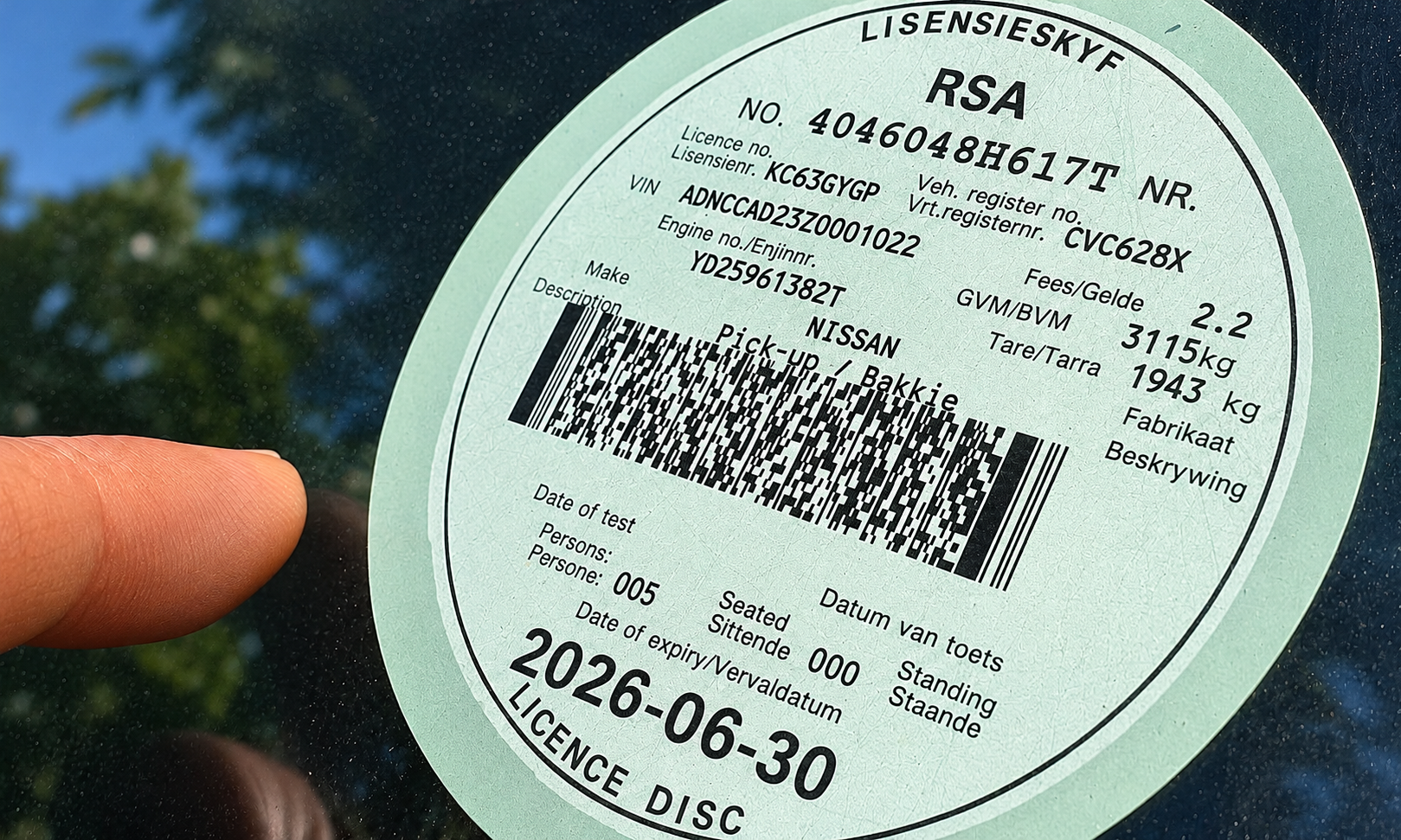
Find the 17-character vehicle identification number (VIN) on your licence disc or registration certificate. Use the manufacturer’s South African recall checker or call an authorised dealer. Ask, “Is my VIN affected, and is the recall still open?” Do this even if you bought the car second-hand and never received a notice.
2. Find out if you can still drive
Ask before your next trip, “Can I drive it until the repair, and are there any restrictions?” If the notice says to stop driving, leave the car parked, including for the trip to the workshop. Ask the dealer how to arrange towing and whether transport assistance is available.

3. Book the fix and confirm what’s covered
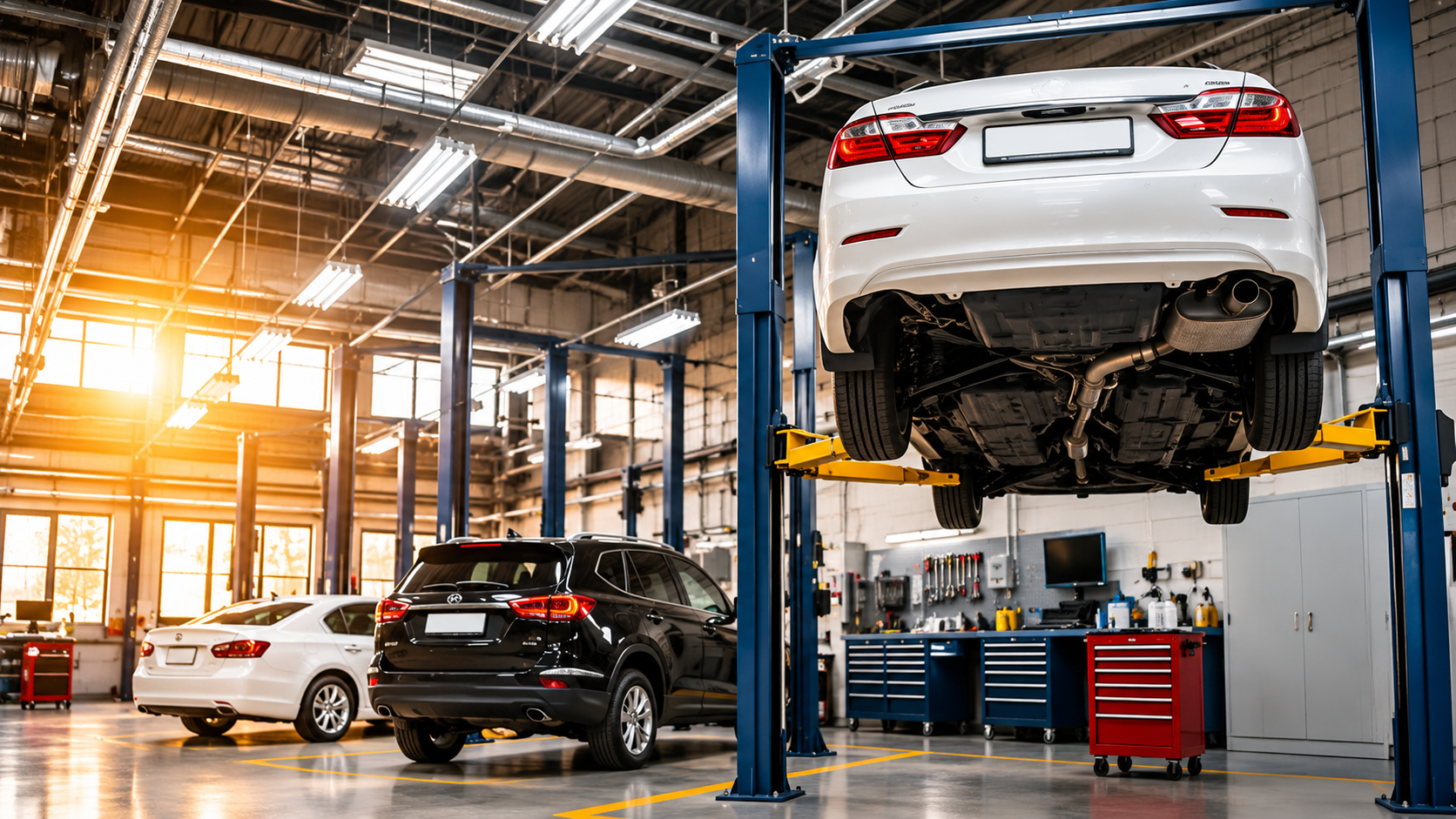
Call an authorised dealer promptly, even if the car feels fine. Ask what they’ll check or replace, whether parts are in stock and how long they’ll need the car. The recall work is free. If they suggest additional paid work, ask for a separate quote before approving it.
4. Get clear instructions if there’s a wait
If the dealer is waiting for parts, ask for an expected date, who will contact you and what driving instructions apply in the meantime. Keep the booking reference. If you’re struggling to get an answer, contact the manufacturer’s customer care team or email the NCC at ProductRecall@thencc.org.za.
5. Get proof before you leave
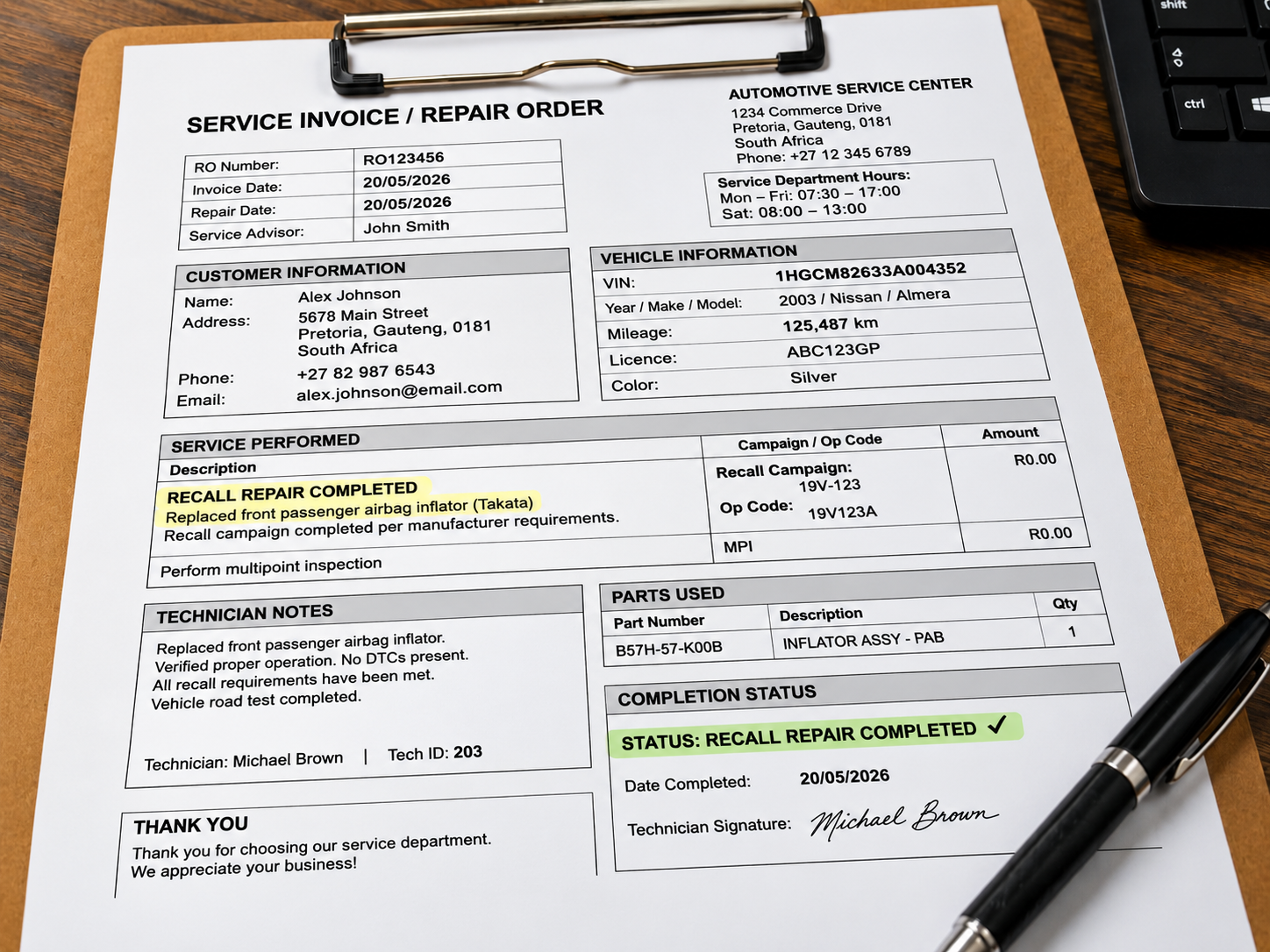
Ask for a job card or written confirmation showing what was done and whether the recall has been marked complete against your VIN. Keep it with your service records so you can show the next owner that the work was done.