By Aurelia Mbokazi
Farmers spend a great deal of time thinking about what comes out of their fields and orchards, from the quality of the crop to where it will be sold. But what comes onto the farm deserves just as much attention. Every vehicle, piece of equipment, new plant and person moving between farms can bring something with them that was never part of the plan.
That overlooked risk has come into sharper focus as South Africa’s citrus industry reflects on a difficult 2026 season. Growers have had to contend with severe rain and flooding in some production regions, port delays, higher shipping and input costs, weaker buying power in important markets and disruption to established export routes. Yet among those challenges, Citrus Growers’ Association of Southern Africa (CGA)CEO Dr Boitshoko Ntshabele has highlighted another issue that deserves attention beyond the citrus industry: farm biosecurity.
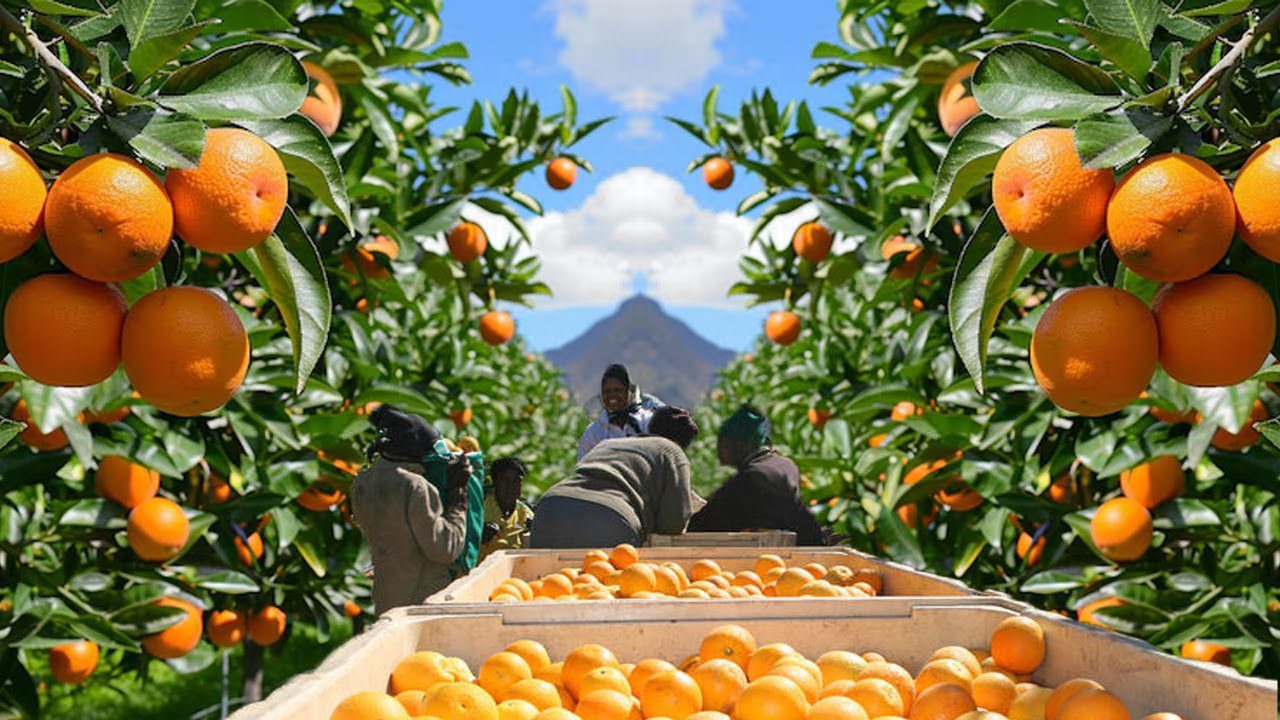
For crop farmers, biosecurity simply means taking sensible steps to reduce the chance of harmful pests and diseases entering a farm, establishing themselves and spreading. And sometimes, the biggest risk is not something obvious. It could arrive on plant material, equipment or even through the movement of people.
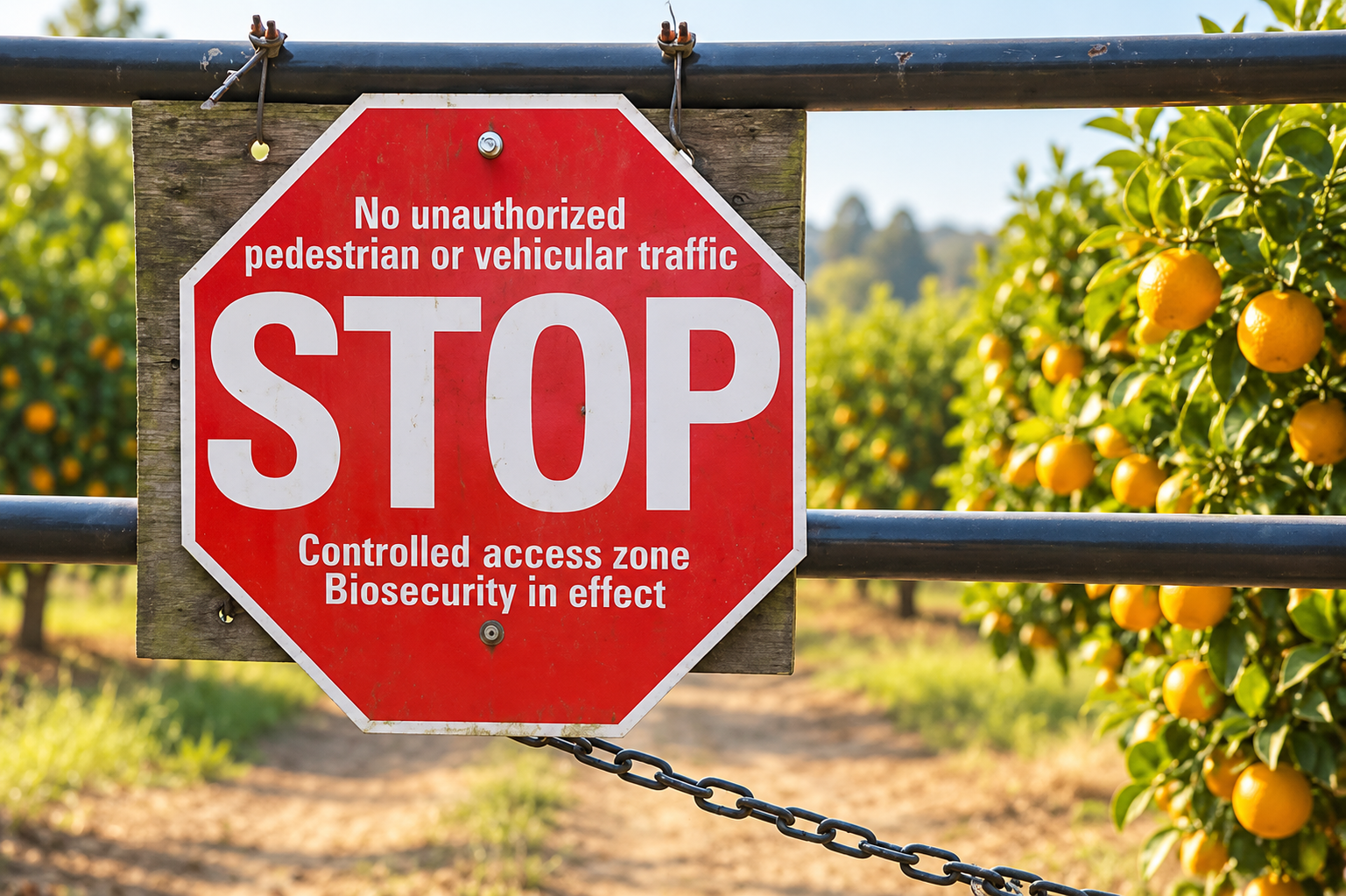
Start at the farm gate
Biosecurity can sound like something that belongs in a laboratory or on a large commercial operation. In practice, many of the first steps are surprisingly ordinary.
Think about what enters and leaves your farm during a normal week. Where have visiting vehicles and equipment been before arriving? Do contractors move between several farms? Where are seedlings, young trees and other planting materials sourced? Are plants being moved from an area where there is a known pest problem?
South African agricultural authorities encourage farmers to use certified pest-free seeds and seedlings, monitor crops regularly and avoid moving plant material from infested areas into unaffected areas without the required permission.
The point is not to become suspicious of everything entering the farm. It is to know where your potential risks are and manage them.
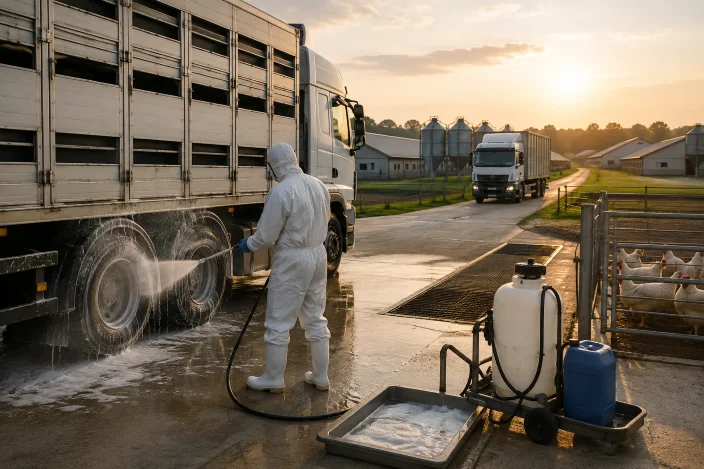
A simple farm rule could be that equipment arriving from another property is checked and, where appropriate, cleaned before entering production areas. Visitors and contractors should know where they may and may not go. Planting material should come from reputable sources.
The larger the operation, the more formal those systems may need to become. But even on a small farm, asking a few questions before something enters the property can make a difference.
Know what normal looks like
One of the best biosecurity tools costs nothing: knowing your crops.
Walk through your fields or orchards regularly. Look at the leaves, fruit, stems and general condition of the plants. Notice changes in colour, growth or yield and pay attention when damage suddenly appears in an area where it was not present before.
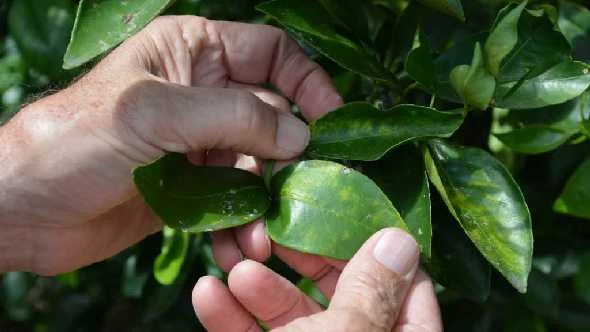
Not every yellow leaf means a serious disease, and finding an unfamiliar insect does not automatically mean there is an outbreak. The important thing is noticing unusual changes early enough to investigate them.
If something looks unfamiliar or begins spreading, don't simply guess at the cause and reach for a pesticide. Take photographs, note where the problem first appeared and seek advice from an agricultural extension officer, crop adviser or relevant industry specialist.
South Africa's plant-health framework provides for surveillance, reporting and measures to control regulated pests. In cases involving regulated or quarantine pests, movement of affected plant material may also be restricted to prevent further spread.
Disease can become a business problem
The lesson becomes particularly important for farmers supplying formal or export markets.
Ntshabele points to Huanglongbing (HLB), a serious citrus disease that has caused major problems in countries including Brazil and the United States, as an example of why the industry cannot afford to become complacent about plant health. He says the citrus sector needs to "strengthen biosecurity controls" and work together to prepare for new pests or diseases entering production areas that could threaten the progress already made.
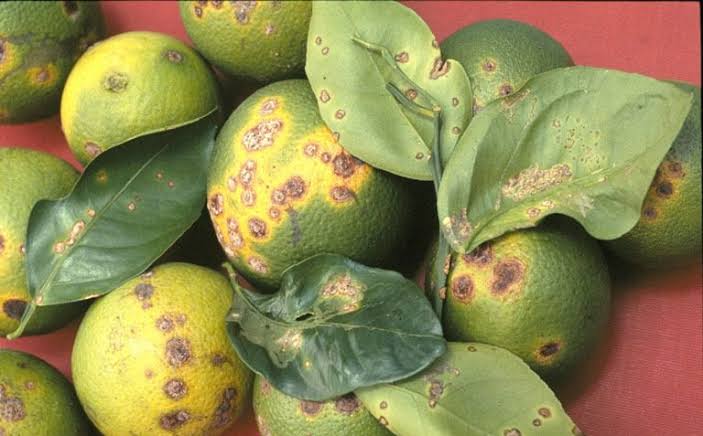
There is a bigger lesson here.
Keeping a pest or disease off a farm is not only about protecting this season's harvest. Plant-health problems can affect production, increase costs and, where regulated pests are involved, restrict the movement or trade of agricultural products.
For an export-driven industry such as citrus, that connection is especially important. As Ntshabele puts it, "Our quest for market access should be built on a platform where we strengthen farm biosecurity against pests and diseases that impact trade."
In other words, what happens at the farm gate can eventually affect whether produce gets through another gate thousands of kilometres away.
Clean equipment can be more important than it looks
Farmers routinely share, hire or move machinery and equipment. Picking equipment, tools, tractors, trailers, crates and other items may travel between different production areas.
That movement is worth including in the farm's biosecurity thinking.
Cleaning visible soil and plant debris from equipment before moving it between production areas is a sensible starting point. The same thinking applies to tools used on plants, particularly when moving from an affected area into a healthy one.
And don't forget people. Workers, contractors and visitors should understand why access to certain production areas may be controlled. Biosecurity works best when everyone on the farm understands that it is part of normal farm management, rather than something introduced only after a problem appears.
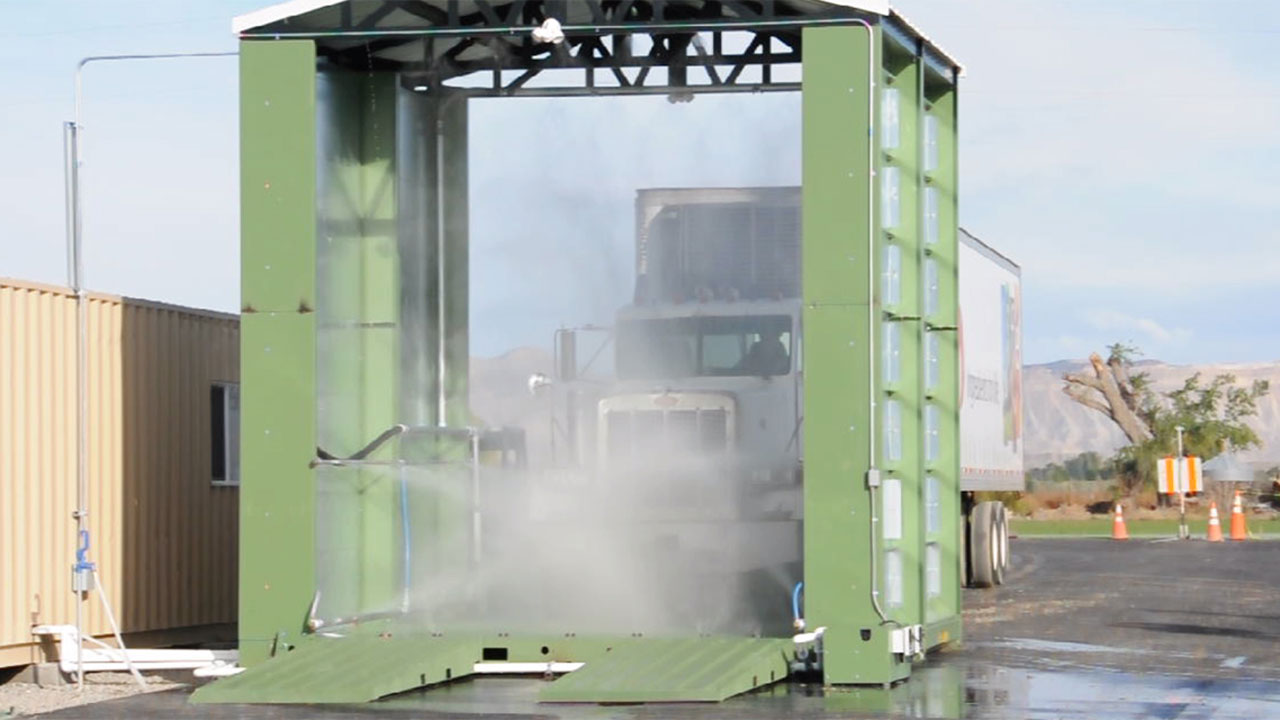
Make biosecurity a habit
There is no way to remove every farming risk. Weather changes, markets shift and new pests and diseases can emerge.
But farmers can control how quickly they notice something unusual and how easily a problem is allowed to move around their property.
The end of South Africa's 2026 Valencia orange export season offers a useful moment to reflect on that. The CGA and Fresh Produce Exporters' Forum have confirmed that the final packhouse inspection date for Valencia oranges destined for Europe, outside the Western and Northern Cape, is 27 September.
Behind those exports are farms that depend not only on producing good fruit, but on maintaining the plant-health standards that allow that fruit to reach markets.
The lesson applies well beyond citrus.
Know what is coming onto your farm. Source planting material carefully. Watch your crops. Keep equipment clean. Control unnecessary movement through production areas and ask for help when something does not look right.
Biosecurity does not have to begin with an outbreak. Done properly, it begins long before one.