By Staff Writer
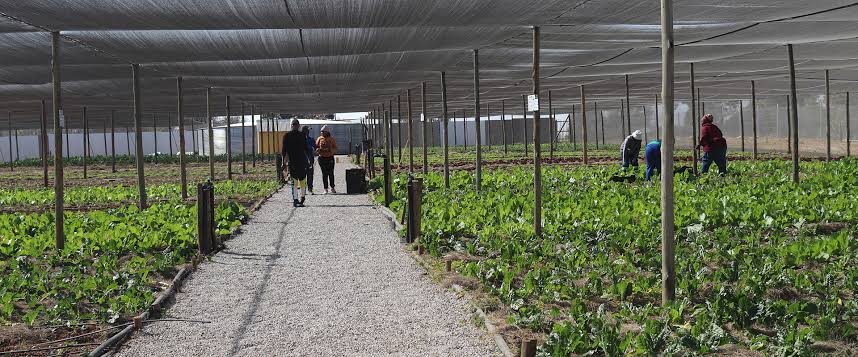
In Diepsloot and Orange Farm, a community farming initiative is showing how growing fresh produce can help improve nutrition, develop practical skills and open doors to entrepreneurship.
A vegetable garden can help put food on the table. But what happens when that same garden begins to put money in someone's pocket? For many aspiring farmers, that is where the real opportunity lies.
In Gauteng's townships, where unemployment and the cost of living remain pressing concerns, agriculture is finding a place beyond traditional farmland. From Diepsloot to Orange Farm, community farming initiatives are demonstrating how growing vegetables can become a stepping stone towards running a business.
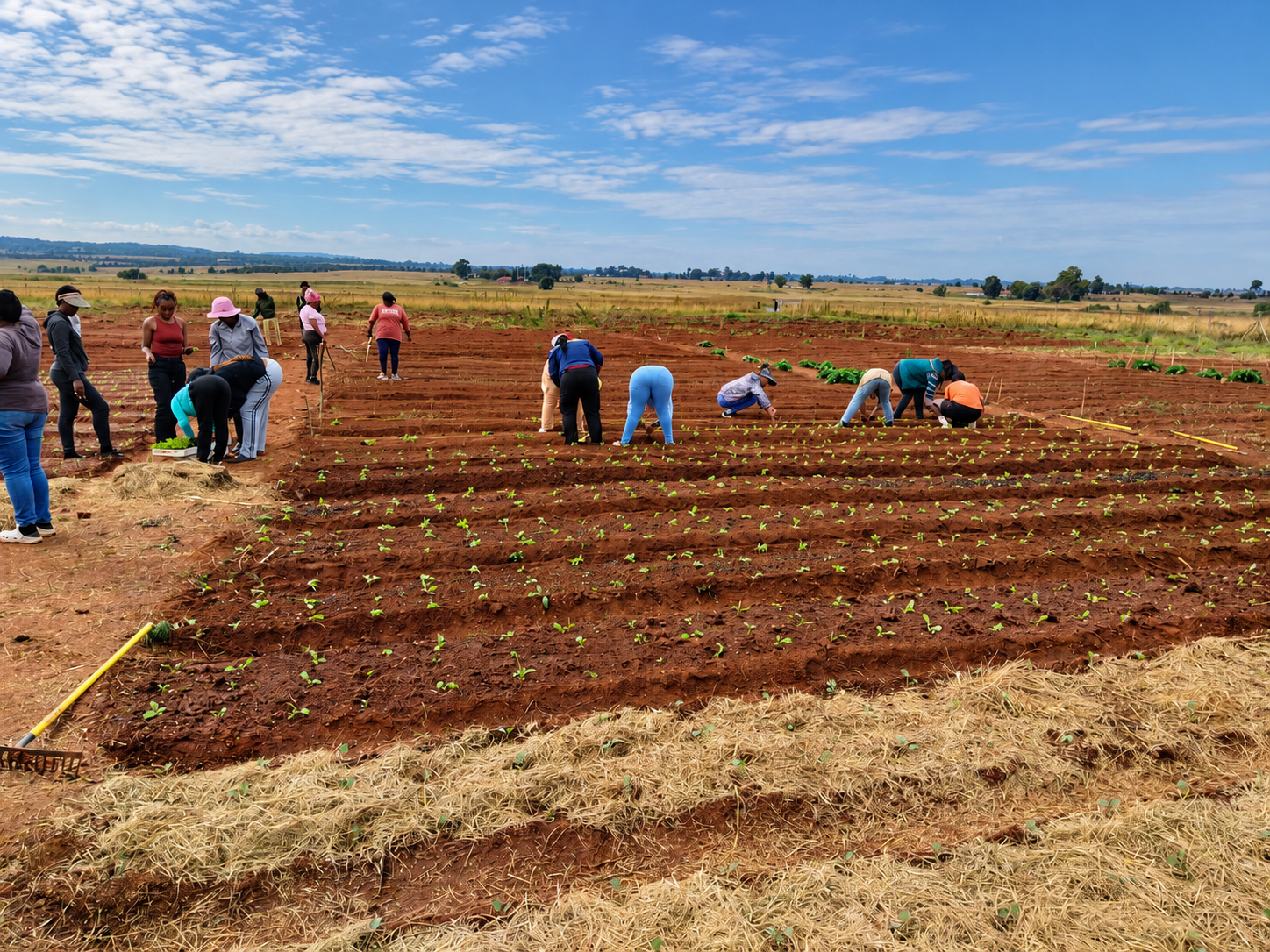
At the centre of this approach is Rhiza Babuyile, a non-profit organisation working with under-resourced communities to improve access to nutritious food while helping people develop the skills to earn a living.
The organisation believes South Africa's food challenges go beyond whether people have enough to eat.
“South Africa is not underfed, but it is undernourished,” says Alef Meulenberg, founder of Rhiza Holdings. “We have many food programmes, but often the food provided is not sufficiently nutritious.”
For families managing tight household budgets, healthier food is not always the most affordable option. Rhiza's response is to help communities become producers of fresh food rather than relying entirely on what they can afford to buy.
Growing opportunities in Diepsloot and Orange Farm
Two of the organisation's agricultural initiatives are Thuthuwa Farm in Diepsloot and Amathuba Farm in Orange Farm.
At Thuthuwa Farm, participants receive practical crop-production training and exposure to commercial farming. Amathuba Farm produces seedlings and vegetables, including spinach, onions, broccoli, beetroot and okra.
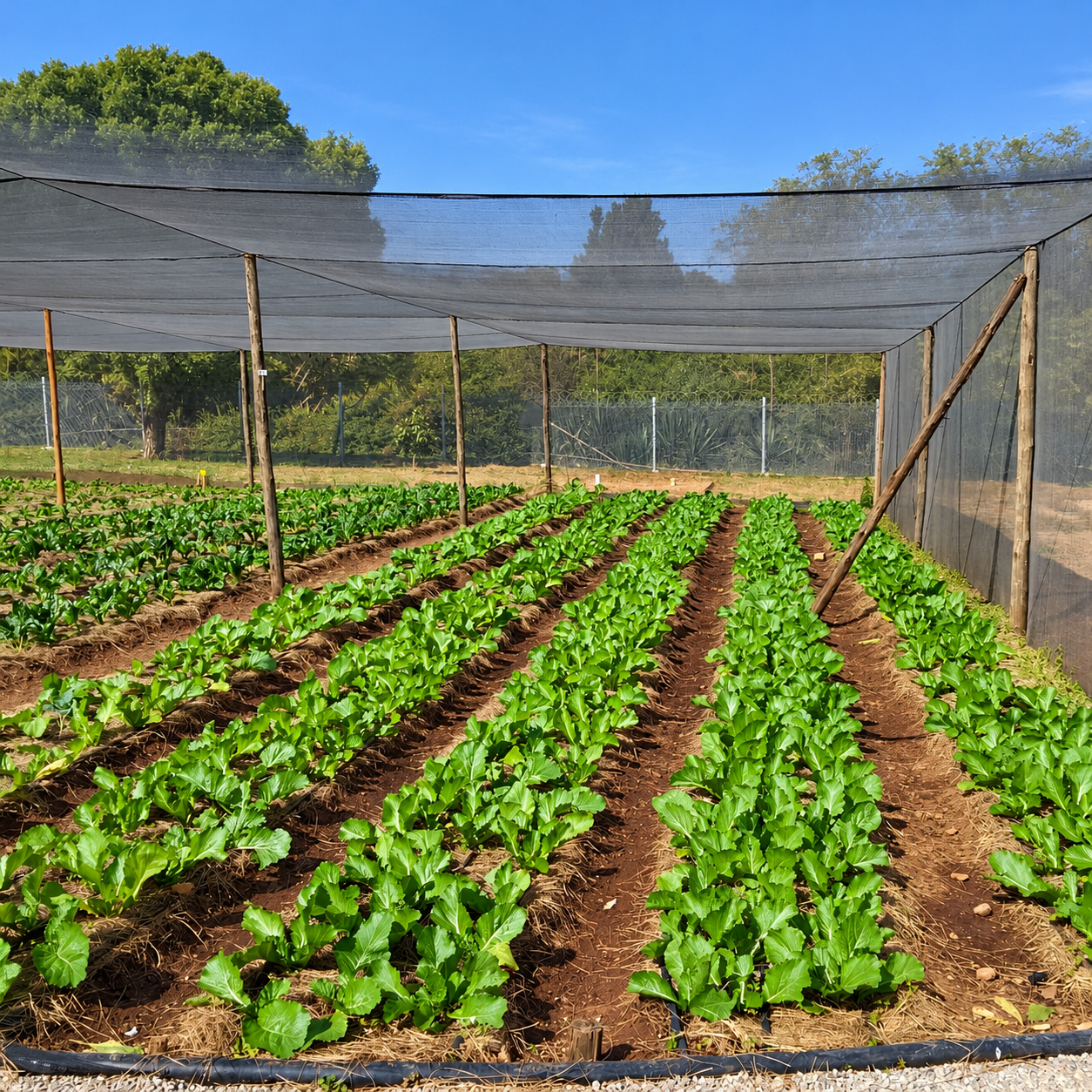
These projects introduce participants to the possibilities of agriculture in communities not traditionally associated with commercial farming.
However, the goal is not simply to teach people how to plant and harvest vegetables. It is to equip them with the knowledge needed to turn agricultural production into a sustainable source of income.
“Growing food is only one part of it,” explains Meulenberg. “People need to understand the market, the customer, pricing and how to make the business sustainable.”
Learning to farm and run a business
Rhiza's 2025 annual report, covering the financial year ending February 2026, provides a clearer picture of how this approach works.
Participants, primarily women and young people, begin with four months of intensive agricultural training covering crop planning, production cycles and managing yields. They then complete two months of entrepreneurship training, learning about financial planning and forecasting sales.
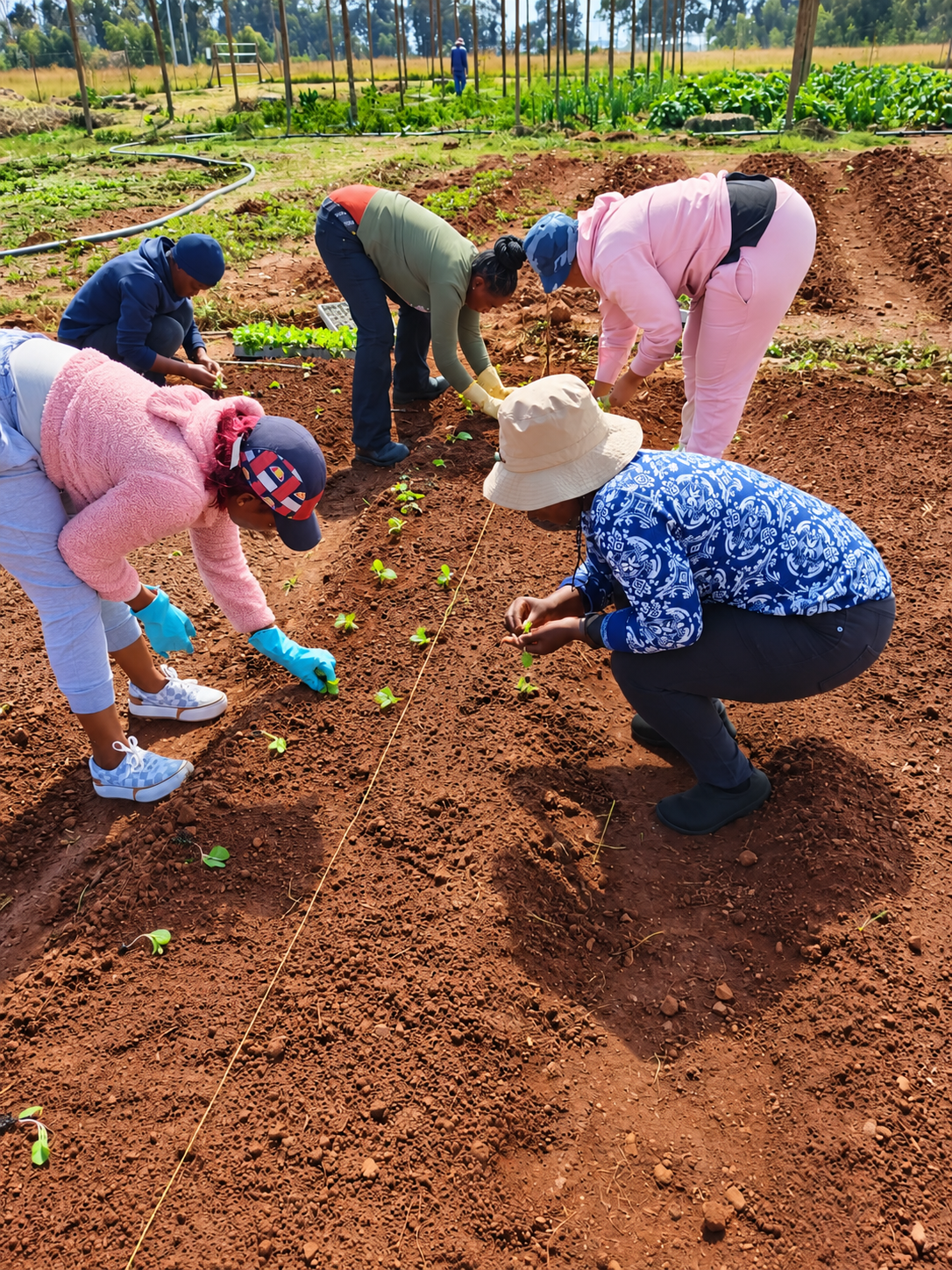
This is followed by a 12-month practical placement, during which participants receive mentorship and exposure to agricultural markets.
The programme aims to prepare participants to establish viable farming enterprises, with the potential to supply formal retailers, including supermarkets
Rhiza's report records 85 students enrolled in its agriculture programme, 69 trainees who received entrepreneurship training and 78 trainees placed on farms for practical training during the reporting period.
These figures offer a glimpse of how agricultural training can create opportunities beyond the garden itself.
What aspiring urban farmers can learn
One of the most useful lessons from Rhiza's approach is that a successful vegetable-growing business starts long before the first harvest.
Someone considering growing spinach, for example, needs to think about more than seeds, soil and water. Who will buy the spinach? How much can they realistically sell? What will production cost, and will the selling price cover those expenses?
It also helps to understand what customers in the surrounding community actually need. A crop may grow beautifully, but without reliable buyers, even a productive garden can struggle to generate an income.
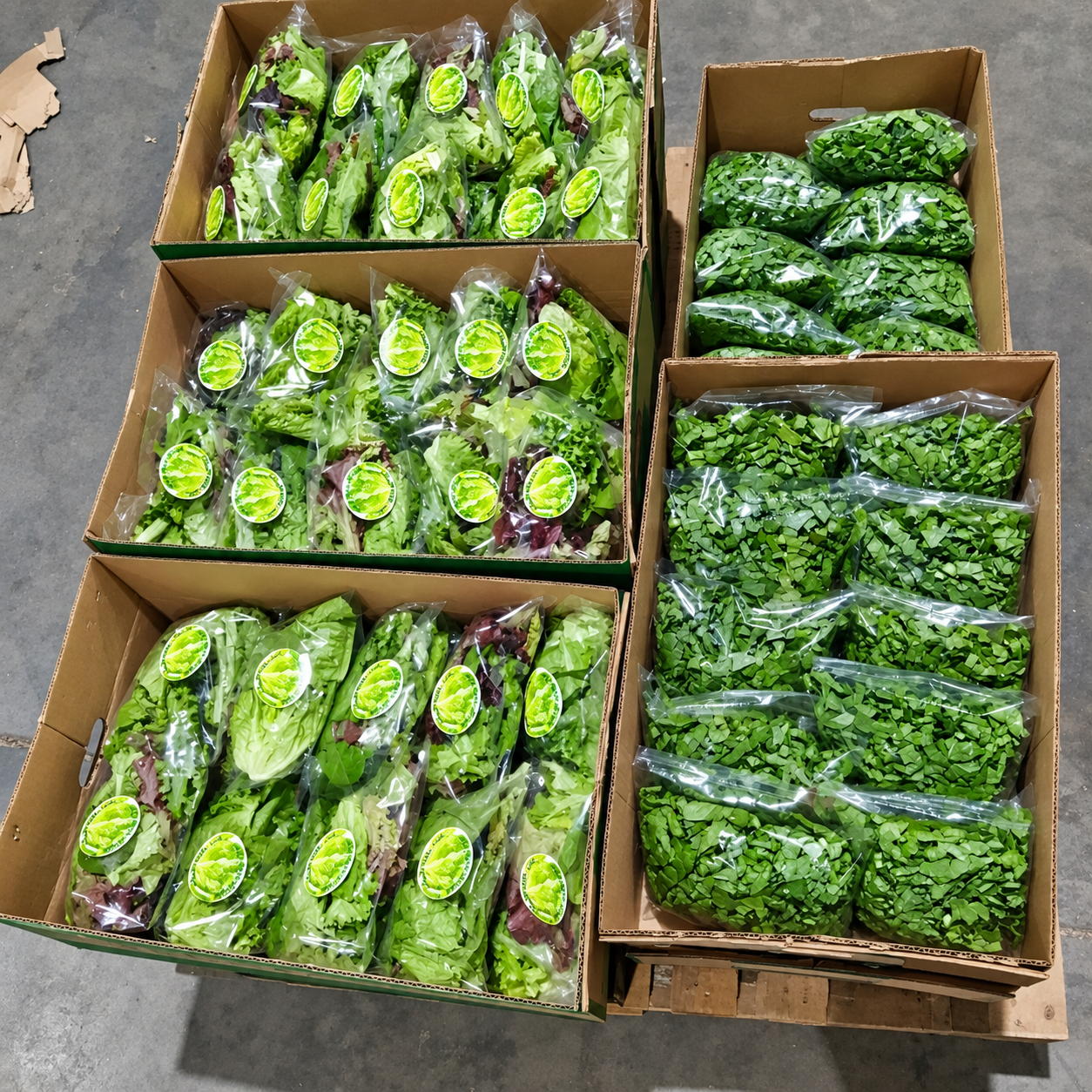
For small-scale growers, starting with a manageable planting area, keeping records of expenses and harvests, and identifying potential customers early can help reduce costly mistakes.
The same principle applies whether someone is farming on a small township plot, a school property or a larger piece of land.
Connecting farmers to customers
Rhiza's wider model also recognises the importance of finding markets for emerging farmers.
Its Munching Mongoose food enterprise sources produce from local farming initiatives and connects growers to consumers through fresh produce and prepared meals.
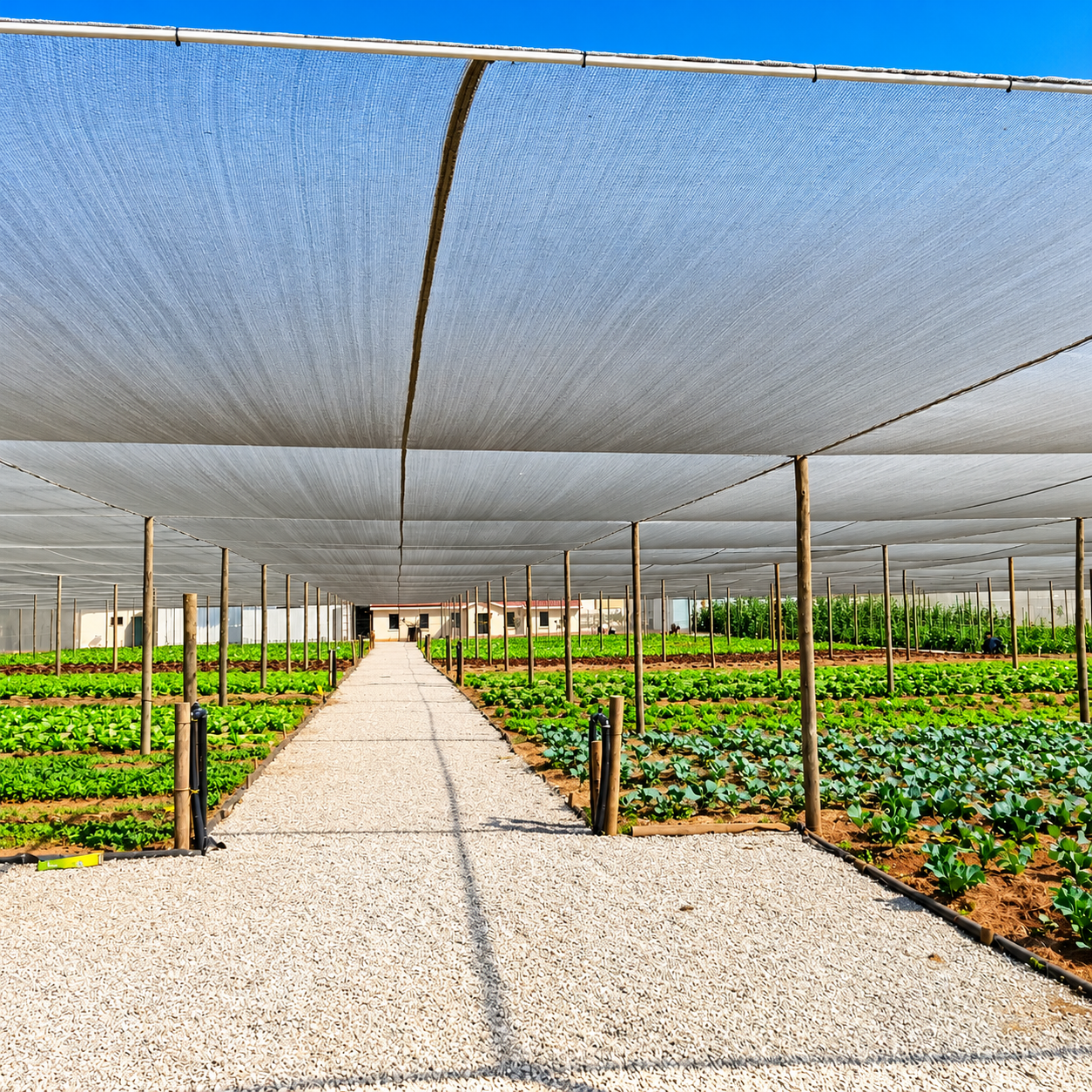
According to the annual report, the enterprise sourced from 12 small-scale farmers during the reporting period.
This is particularly relevant for emerging growers, who may have the skills to produce good-quality vegetables but struggle to secure consistent buyers.
For Meulenberg, the connection between agriculture and economic opportunity is fundamental.
“If people can produce food and earn an income from it, you are addressing two problems at the same time,” he says. “Food security and economic security cannot be treated as separate issues.”

The experience in Diepsloot and Orange Farm offers an important reminder that agriculture does not have to begin on a large commercial farm. With access to land, practical training, mentorship and potential markets, even a modest growing space can become the starting point for something bigger.
And perhaps that is the most encouraging lesson for anyone considering urban farming: the real value of a vegetable garden may extend well beyond what is harvested from it.