By Aurelia Mbokazi
It's easy to think that winter is a time when the land simply waits for spring. The fields are quieter, planting plans are still taking shape and much of the attention shifts to machinery, budgets and preparing for the months ahead.
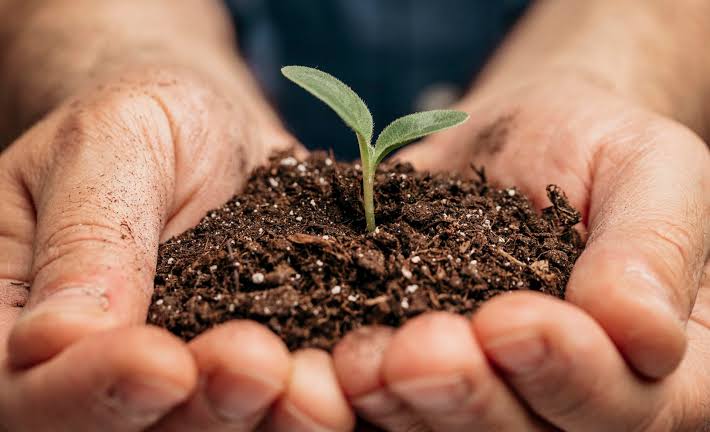
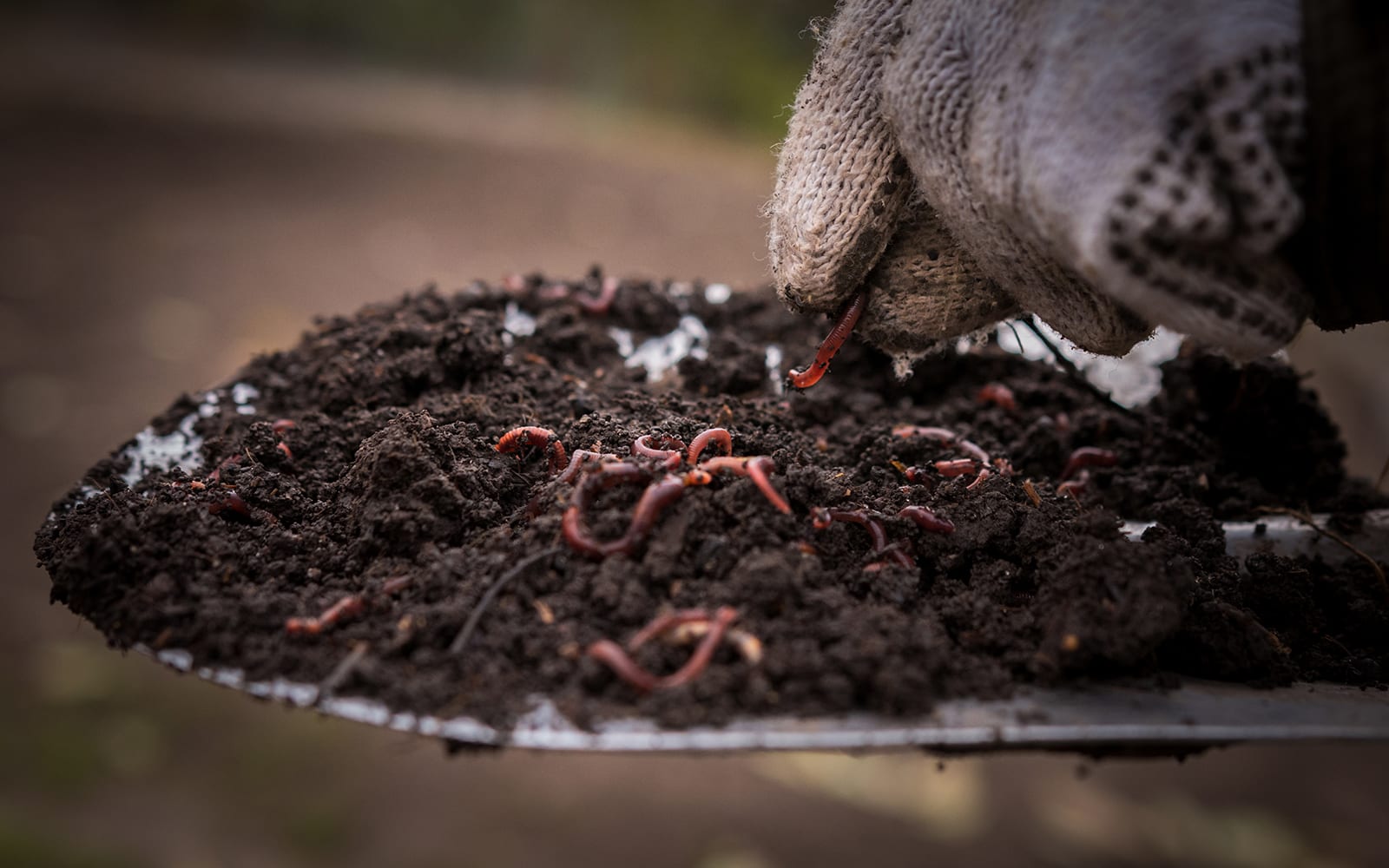
But while the surface may appear still, some of the most important work of the farming year can begin long before the first seed is planted. Healthy crops don't start with seed. They start with healthy soil.
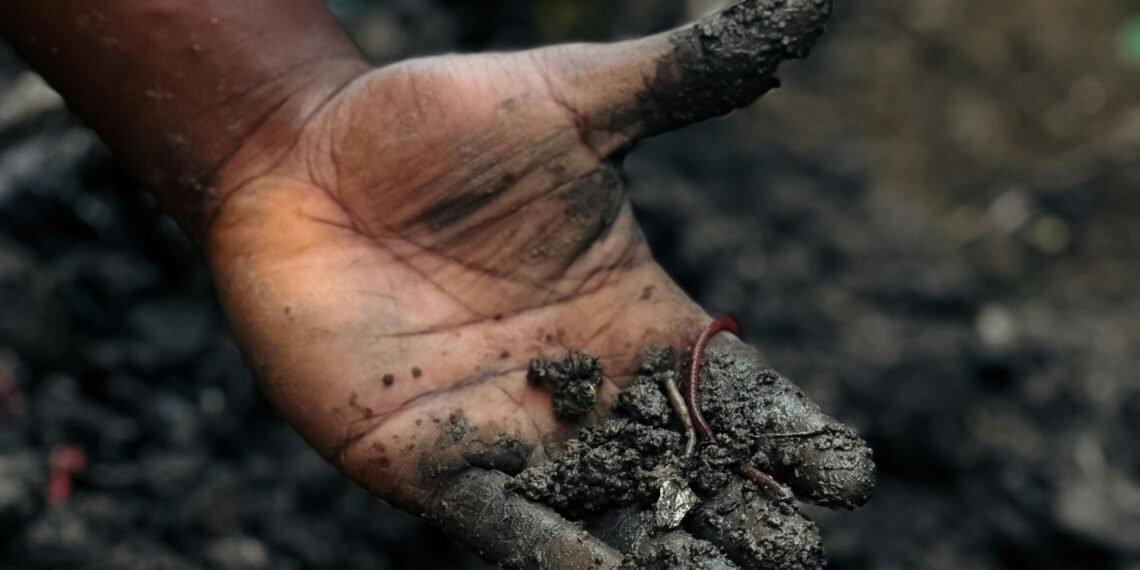
Every season, farmers invest thousands of rands in fertiliser, seed, crop protection and fuel, yet the success of those investments often depends on the condition of the soil beneath them. Healthy soil stores water more effectively, supplies nutrients to growing plants, supports beneficial organisms and provides the strong foundation that crops need to thrive.
The opposite is equally true. Compacted, eroded or nutrient-poor soils can limit yields, increase production costs and leave crops more vulnerable to dry conditions.
That is why winter presents such an important opportunity. With planting still a few months away across much of South Africa's summer rainfall region, farmers have time to assess their soils, make improvements and prepare their land for the season ahead.
According to Grain SA, soil erosion remains one of South Africa's biggest agricultural challenges, with an estimated 10% to 20% of agricultural land affected to varying degrees. Good soil management is therefore not simply about improving yields, but about protecting one of every farmer's most valuable long-term assets.
Here are five practical ways to build healthier soil before spring arrives.
1. Keep the soil covered
Bare soil is vulnerable soil.
Whether it's exposed to wind, frost or heavy rainfall, uncovered ground loses moisture more quickly and is far more susceptible to erosion. Valuable topsoil can disappear long before farmers notice the damage.
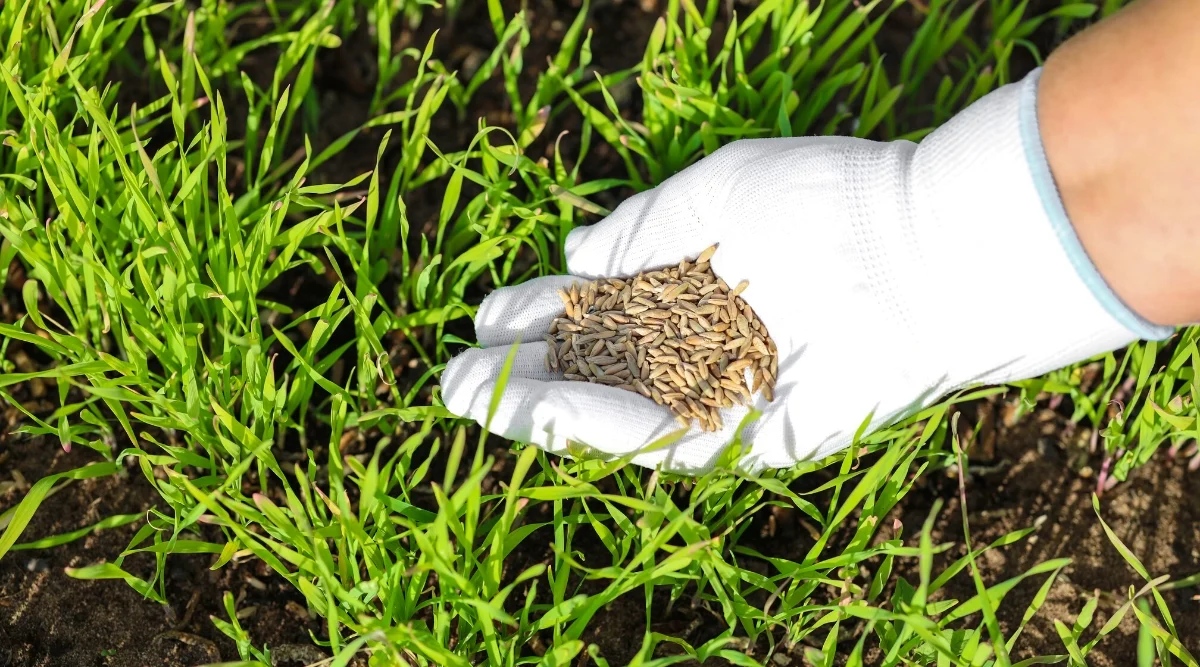
One of the best ways to protect the land during winter is by planting cover crops such as oats, rye, grazing vetch or crimson clover. These crops keep living roots in the ground, suppress weeds and improve soil structure while adding valuable organic matter.
Where cover crops are not practical, retaining crop residues or applying straw or compost as mulch can provide similar benefits by protecting the soil surface and reducing moisture loss.
As Eric Wiggill, Regional Development Manager at PGP, explains in a Grain SA article, keeping the soil covered is one of the simplest but most effective ways to protect valuable topsoil while improving long-term soil health.
2. Disturb the soil as little as possible
Many farmers are moving away from excessive cultivation, and for good reason.
Every unnecessary tillage pass disrupts the soil's natural structure, damages beneficial fungal networks and accelerates the loss of organic carbon that healthy soils rely on.
Where conditions allow, minimum-tillage, strip-till or no-till systems can help preserve soil structure and improve moisture retention, particularly in lighter sandy soils that are more vulnerable to erosion.
The goal is not to eliminate cultivation altogether, but to disturb the soil only when it genuinely adds value.
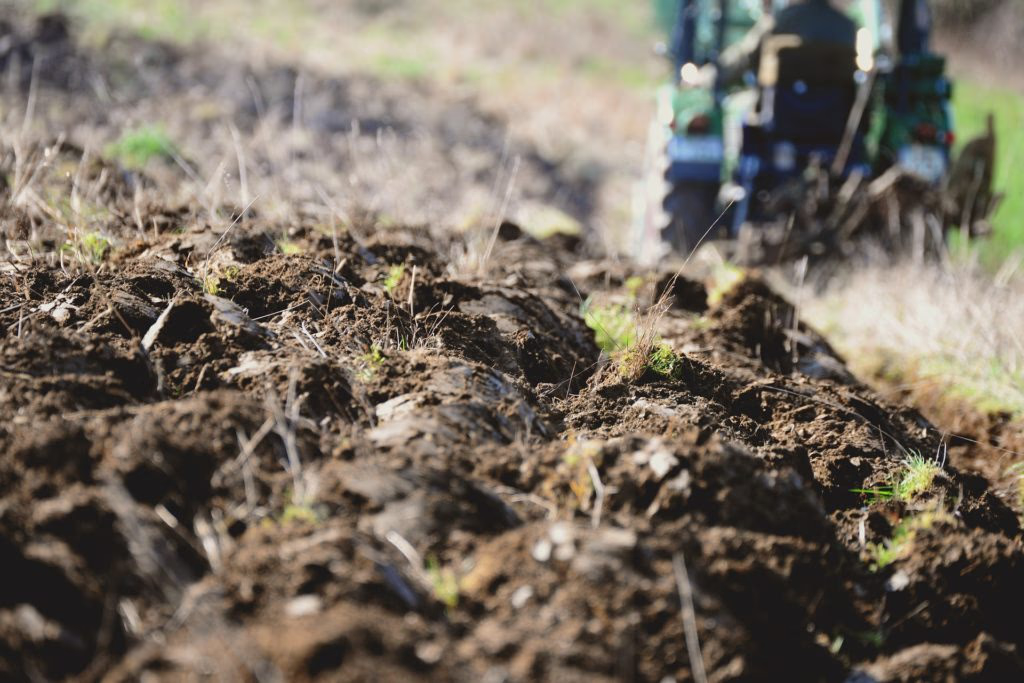
3. Check for compaction before planting
If rainwater struggles to soak into the ground or crops repeatedly underperform in the same parts of a field, soil compaction could be the cause.
Years of machinery traffic, repeated cultivation or unmanaged livestock grazing can compress the soil beneath the surface, making it difficult for water, air and roots to move freely. Winter is an ideal time to inspect fields for compacted layers before planting begins.
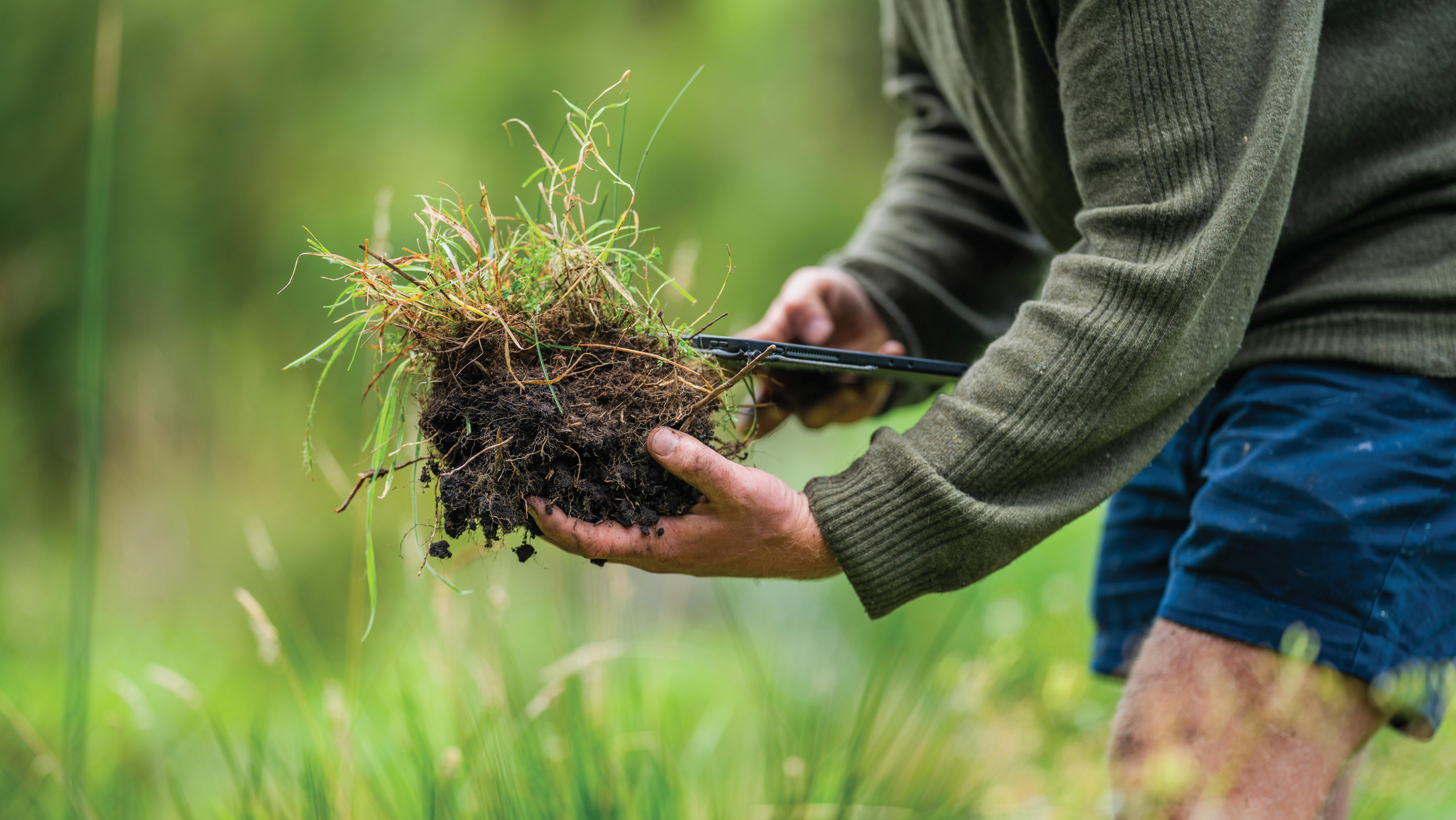
Grain SA recommends that farmers periodically address compacted soils through appropriate ripping practices where necessary, allowing water and roots to move deeper into the soil profile. This improves access to moisture and nutrients while supporting stronger root development during the growing season.
4. Manage grazing with the soil in mind
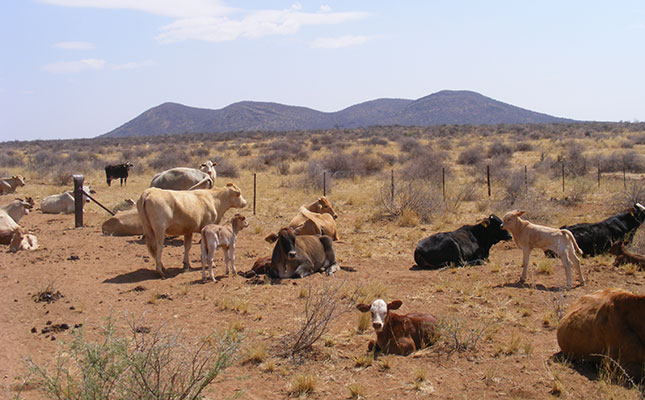
Livestock and cropping often go hand in hand, but winter grazing should be managed carefully.
Allowing animals to graze maize stubble throughout the season can lead to soil compaction, remove valuable protective cover and reduce the organic matter that would otherwise return to the soil.
Good fencing and rotational grazing help farmers match stocking rates to the carrying capacity of the land while protecting both natural veld and cultivated fields.
Wiggill notes that overgrazing doesn't only reduce grass production. It also weakens soil structure and increases the risk of erosion, particularly when heavy rains return in spring and summer.
5. Slow water down before it becomes a problem
Soil erosion often begins with water moving too quickly across the land.
On sloping fields, fast-flowing runoff strips away fertile topsoil and creates channels that become increasingly difficult and expensive to repair.
Maintaining well-designed contours helps slow the movement of water, giving it time to soak into the soil instead of washing valuable nutrients away. Planting grasses such as kikuyu on contour banks can provide additional protection, while rocks or logs can help stabilise existing erosion areas.
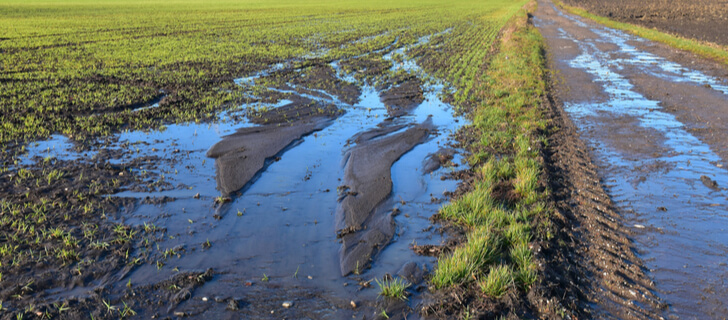
"The objective isn't to collect the water in one place,'" Wiggill explains. "It's to slow it down so that it has time to penetrate the soil."
That simple principle can make a significant difference to both soil conservation and water use efficiency.
Healthy soil is built one season at a time
There is no quick fix for improving soil health. It is built through consistent management, careful observation and decisions that prioritise the long-term productivity of the land over short-term gains.
The quieter winter months offer farmers a valuable opportunity to prepare without the pressure of planting deadlines. Whether it's keeping the soil covered, checking for compaction, managing grazing more effectively or preventing erosion before it starts, every step taken now helps build a stronger foundation for the season ahead.
For new farmers, these habits establish good practices from the outset. For experienced producers, they are a reminder that some of the biggest gains don't always come from buying more inputs, but from making better use of the soil they already have.
After all, every successful harvest begins long before the planter enters the field.