By Gugulethu Tshabalala
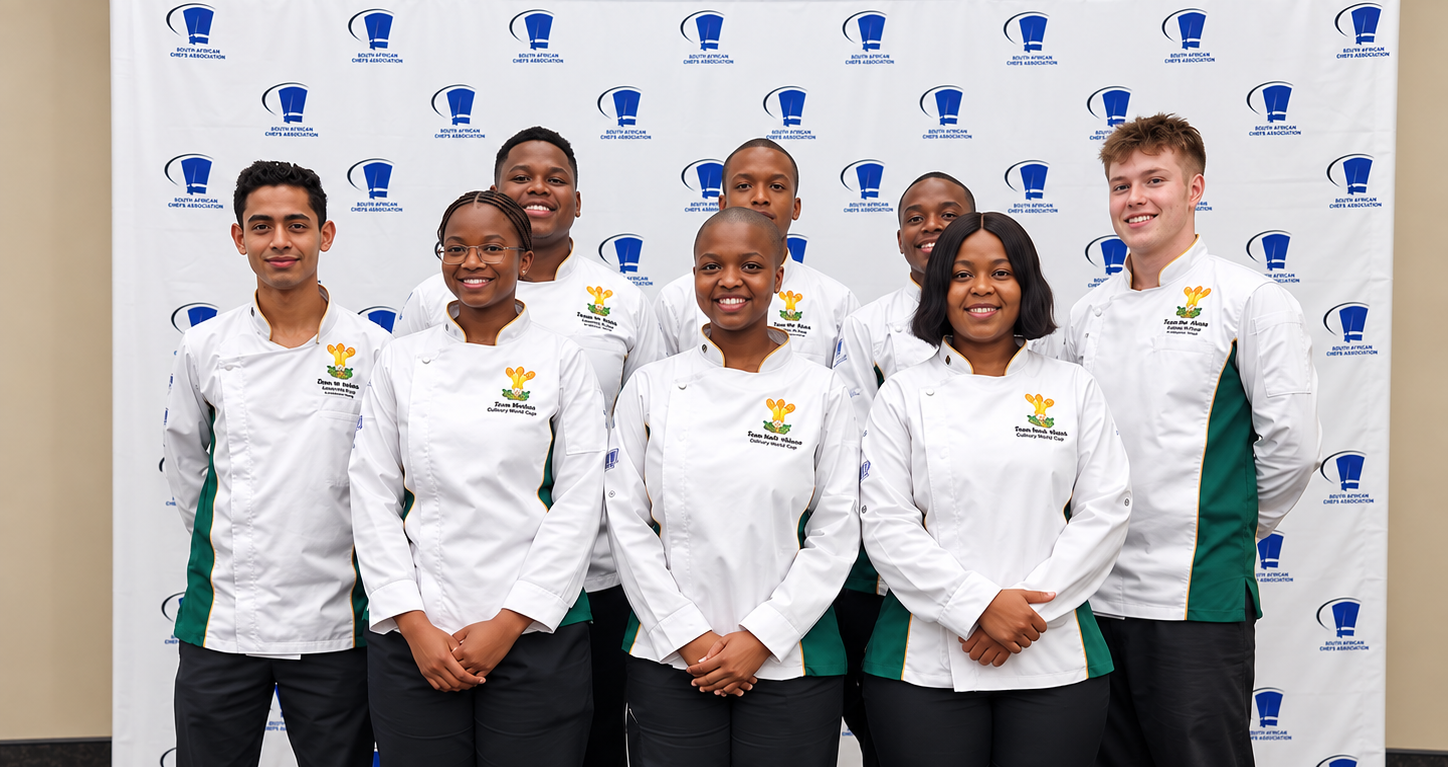
South Africa's national junior culinary team is ten weeks out from the 2026 Culinary World Cup. I sat in on the announcement, and the room had that particular hum you get when talent knows exactly how much work is ahead of it.
There's a specific energy that comes off a kitchen team before a World Cup. Not nerves exactly. More like focus with the volume turned up. That's what I walked into when Team Masakhane, South Africa's national junior culinary team, was unveiled ahead of its trip to Luxembourg this November.
Nine chefs, all under 25, all wearing their green and gold with the kind of pride you can't fake. They've earned it too: the SA Chefs Association put every one of them through a rigorous national selection process to get here.
Meet the Team
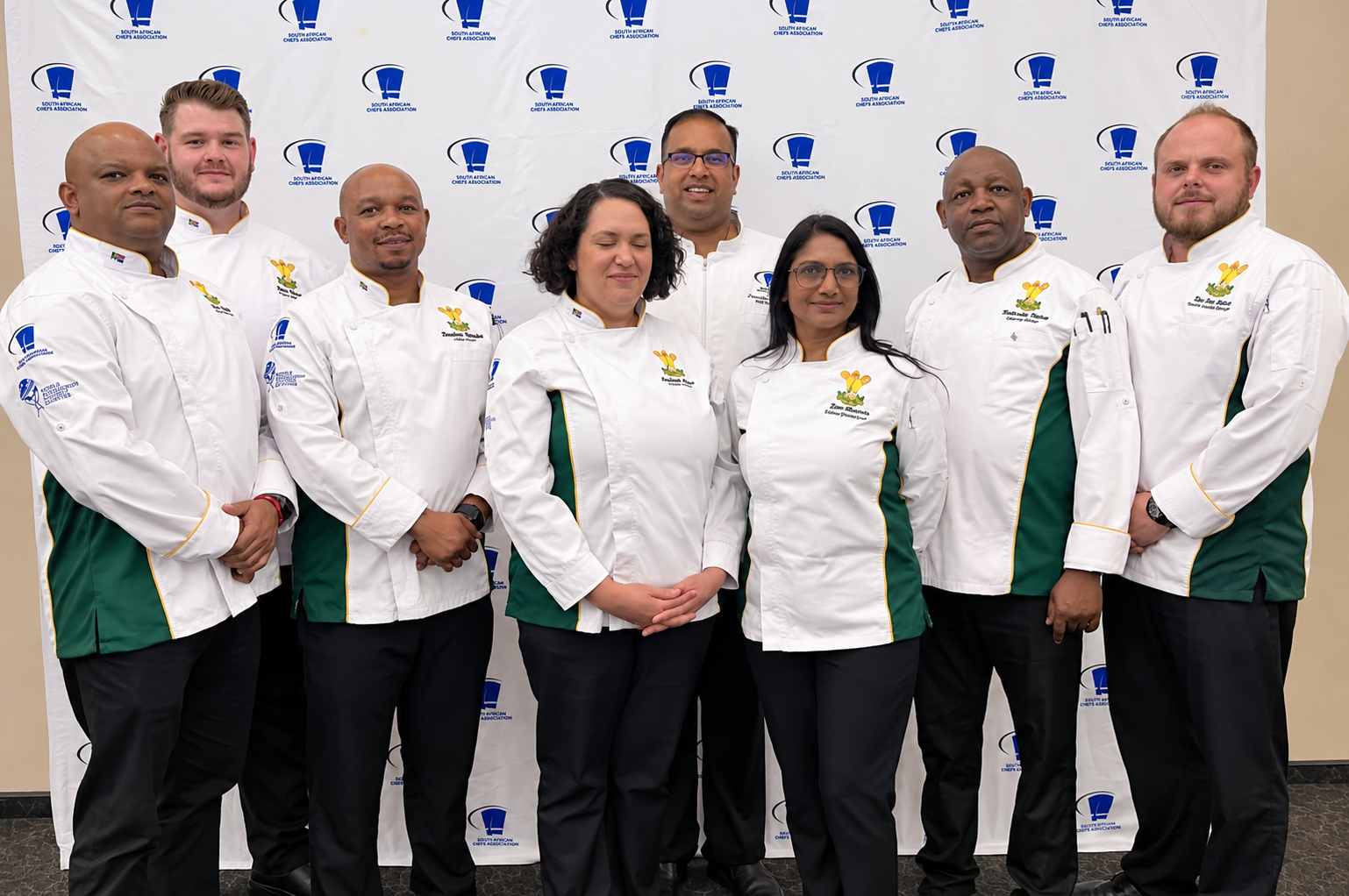
Steering them is Head Coach Chef Donaldson Madubela, with Chef Marcus Gericke as Technical Head Coach and Chef Catherine Adonis on pastry. Chef Pieter Malan manages the team and directs competitions, alongside Mahlomola Thamae, Head of Team Talent. It's a lot of names, but every one of them will matter in Luxembourg.
What They're Actually Cooking
Held every four years, the Culinary World Cup is expected to draw more than 2,000 chefs from 55 countries, which puts the scale of this in perspective. Team Masakhane will be judged across two brutal programmes.
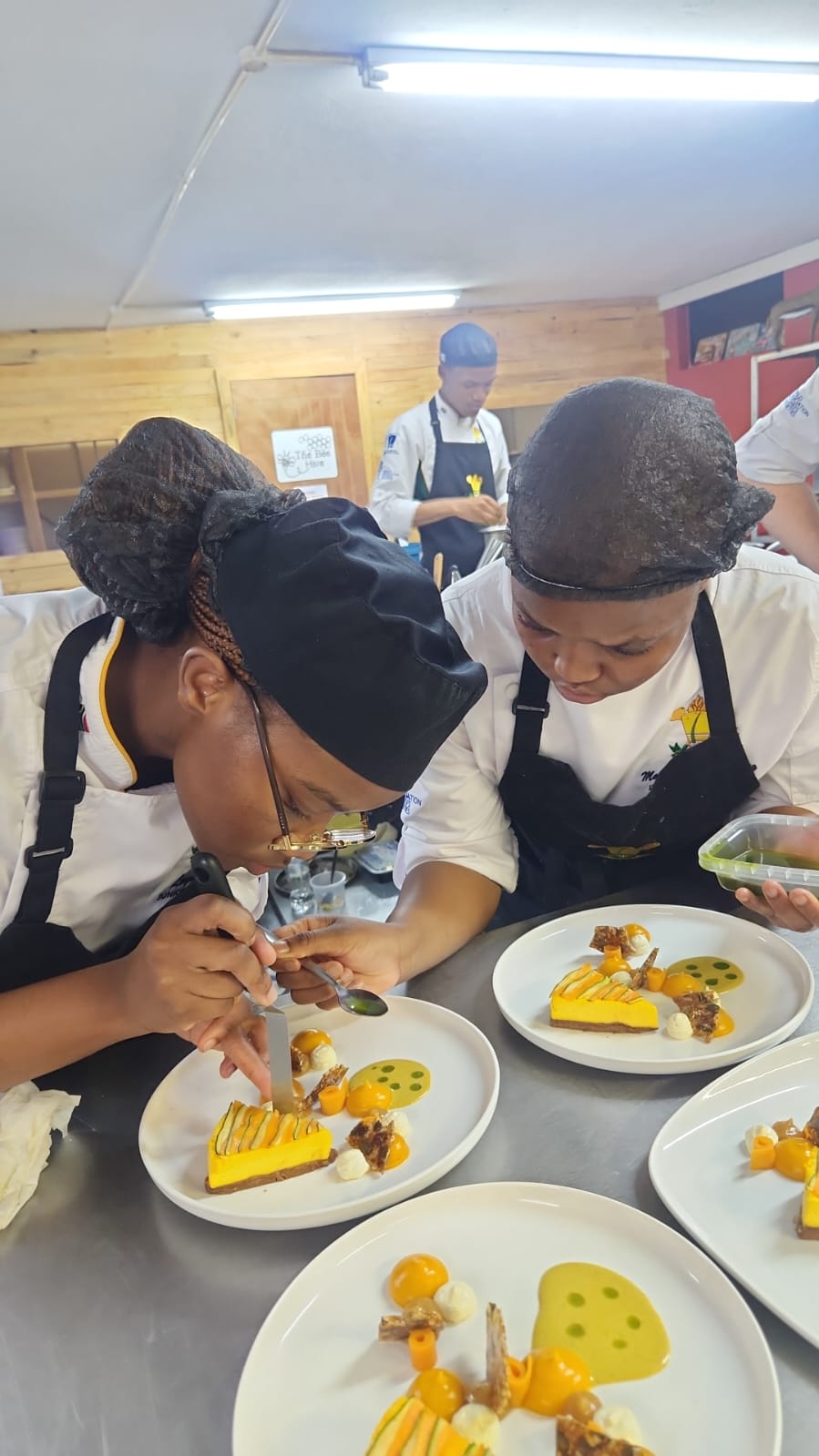
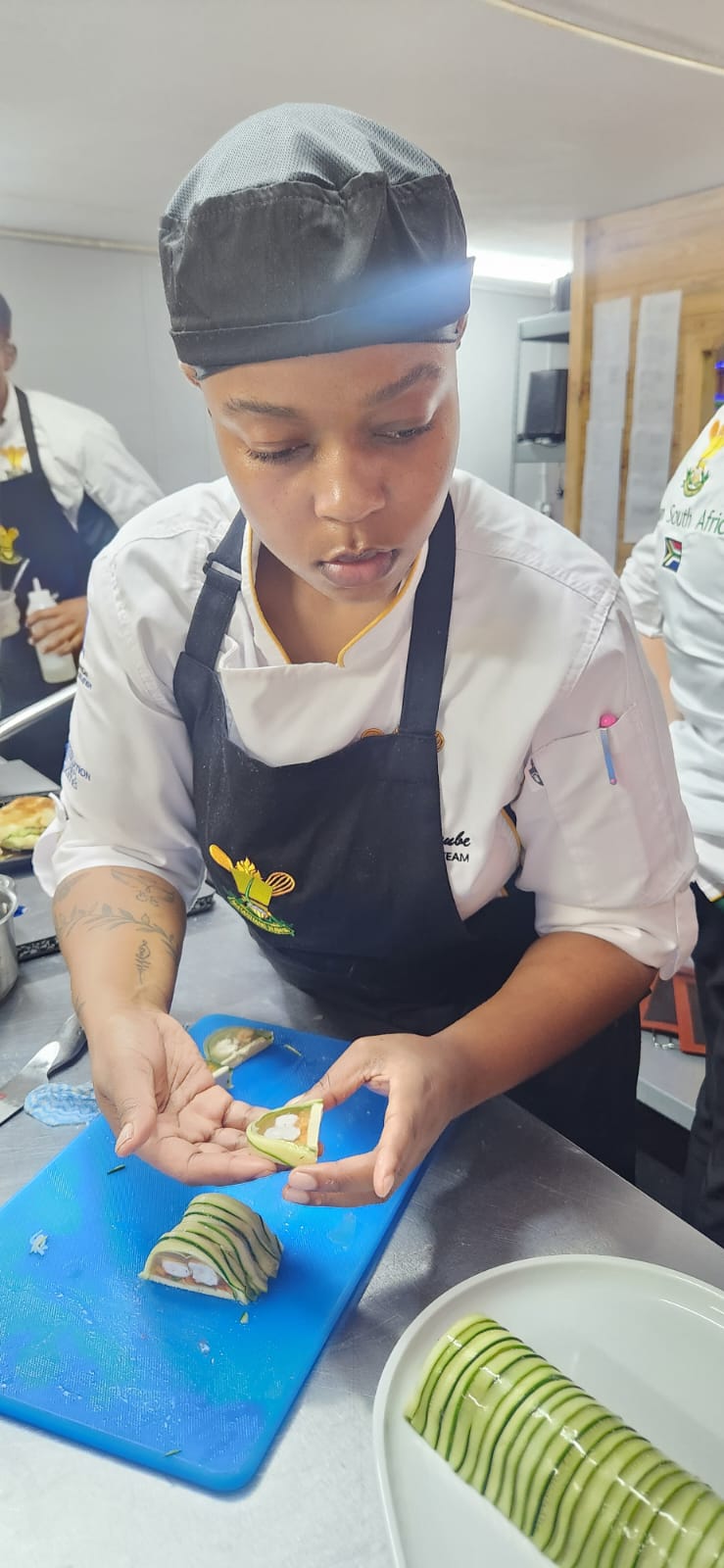
In the Hot Kitchen, they'll plan, cook and serve a three-course meal for 70 people, live, under pressure, with zero room for the kind of small mistakes a home kitchen forgives. The Chef's Table asks for something different: three themed dishes, scored on hygiene and food waste, professional technique, workflow and, eventually, taste. It's less a cook-off than a full audit of how a kitchen team thinks.
"Team Masakhane is going to Luxembourg to demonstrate that they can plan, create, execute and serve food to international competition standards as a cohesive professional kitchen team."— Coo Pillay, President, SA Chefs
What struck me most, was how often the coaches spoke about the team as a unit rather than nine individual chefs chasing nine individual medals. That's deliberate. It's also, frankly, the harder thing to build.
The Cost of Getting There
Representing South Africa doesn't come cheap. Months of training, ingredients, equipment, flights, accommodation, visas and competition fees all sit between this team and the pass they've already earned. SA Chefs is now asking South African businesses, hospitality groups, food producers and individuals to help close that gap.
Pillay put it plainly: these chefs earned their place. What they need now is the rest of the country behind them, so money doesn't become the reason talent doesn't get to compete.
Masakhane: Let Us Build Together
The name fits. Masakhane means "let us build together," and that's the thread running through the whole project: nine chefs, five schools, a handful of hotel kitchens and one shared green-and-gold jersey, carrying South Africa's food culture onto a stage most of us will only ever watch on a livestream.
Ten weeks out, the work is all still ahead of them. But if the room I sat in is anything to go by, Team Masakhane already knows exactly what they're building toward.
Organisations and individuals wanting to support Team Masakhane's journey to Luxembourg can get in touch directly.
info@sachefs.co.za | 011 482 7250