By Aurelia Mbokazi
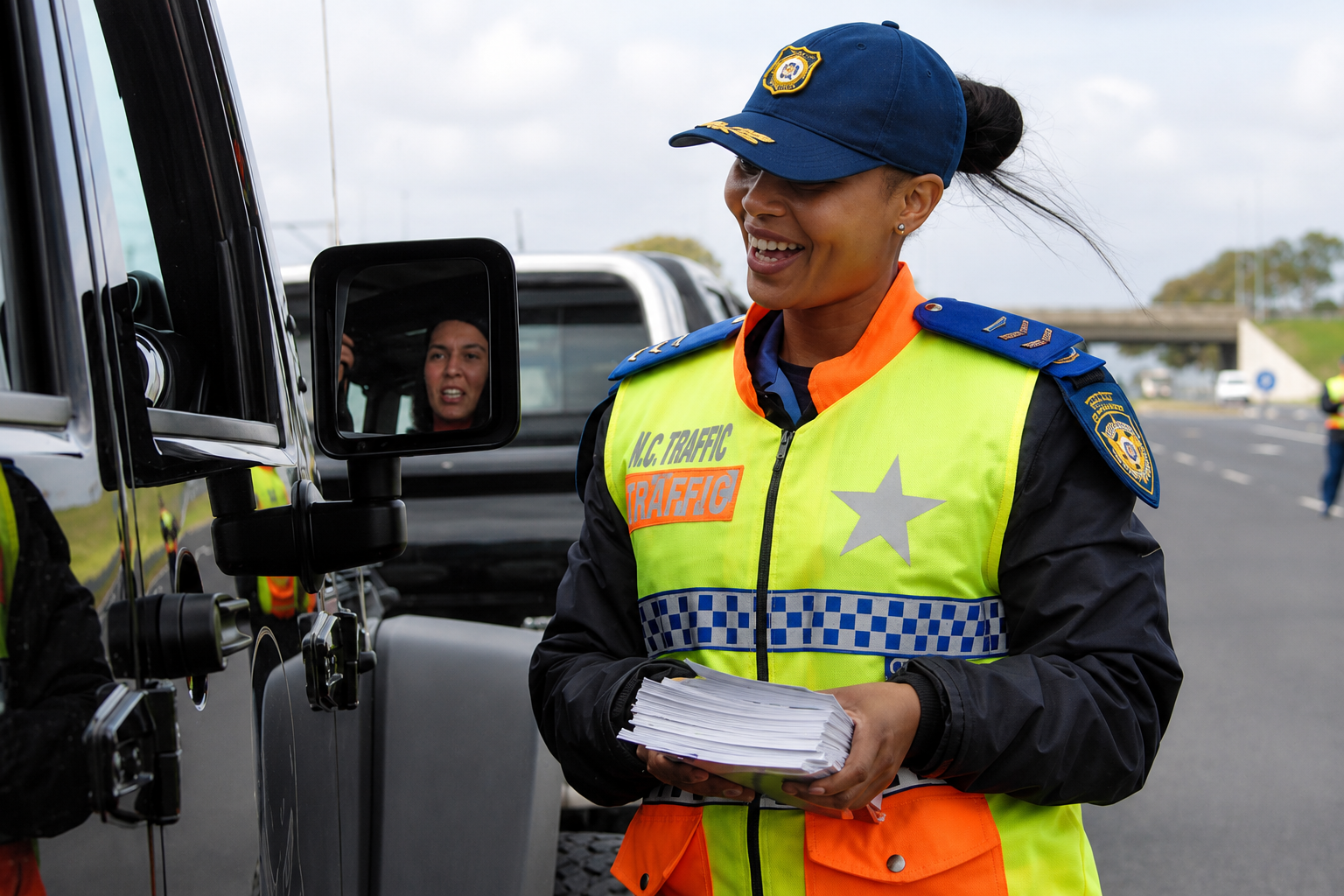
On Friday morning, women police and traffic officers took charge of a busy road blockalong the N14 in the Northern Cape, stopping hundreds of vehicles, checking motorists and enforcing the rules of the road. It was part of Operation Basadi, a Women's Month initiative predominantly led by female law-enforcement officers, but the image raises a bigger question: what difference could having more women visibly involved in road safety make throughout the year?
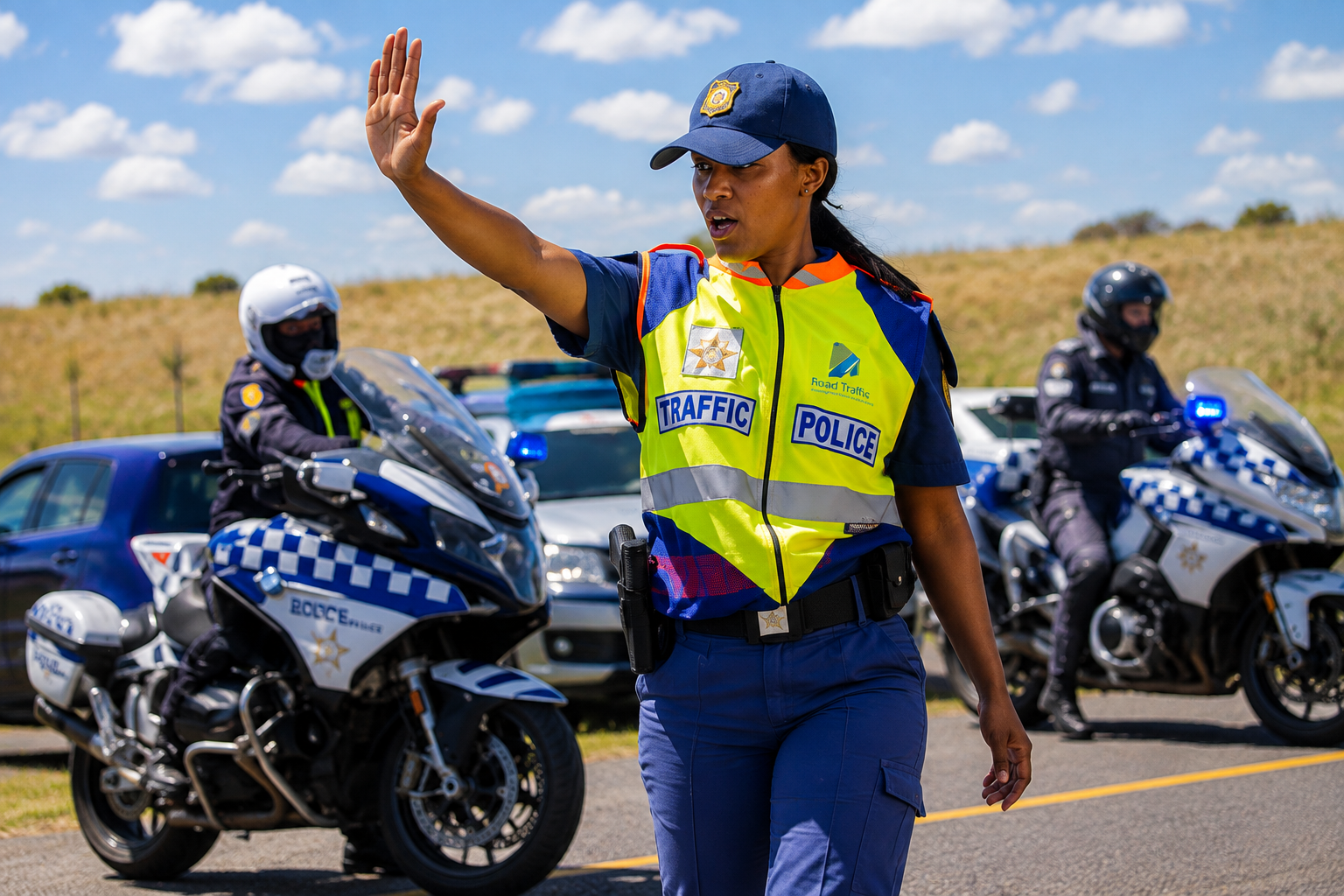
For women motorists in particular, that presence can matter. Whether you've just been involved in a crash, are reporting an intimidating encounter on the road or arrive shaken at a police station after something has gone wrong, having a female officer available may make it easier for some women to explain what happened, ask questions or discuss an experience they find difficult or sensitive.
As Women's Month draws to a close, perhaps Operation Basadi should therefore b viewed as more than a once-a-year celebration of women in uniform. It offers an opportunity to consider the value women can bring to everyday road policing, accident response and road safety education, and why their visibility should matter long after August has ended.
More than a Women's Month roadblock
Operation Basadi brought together SAPS, provincial and municipal traffic authorities and other stakeholders, with women predominantly leading the operation.
In just two hours, officers stopped 360 vehicles, including 14 trucks, searched 502people and inspected luggage, while traffic fines and notices were issued for various violations.
Northern Cape Provincial Commissioner Lieutenant General Koliswa Otola said the operation reflected the significant contribution women make to law enforcement and safer communities.
But perhaps its real significance lies beyond the numbers.
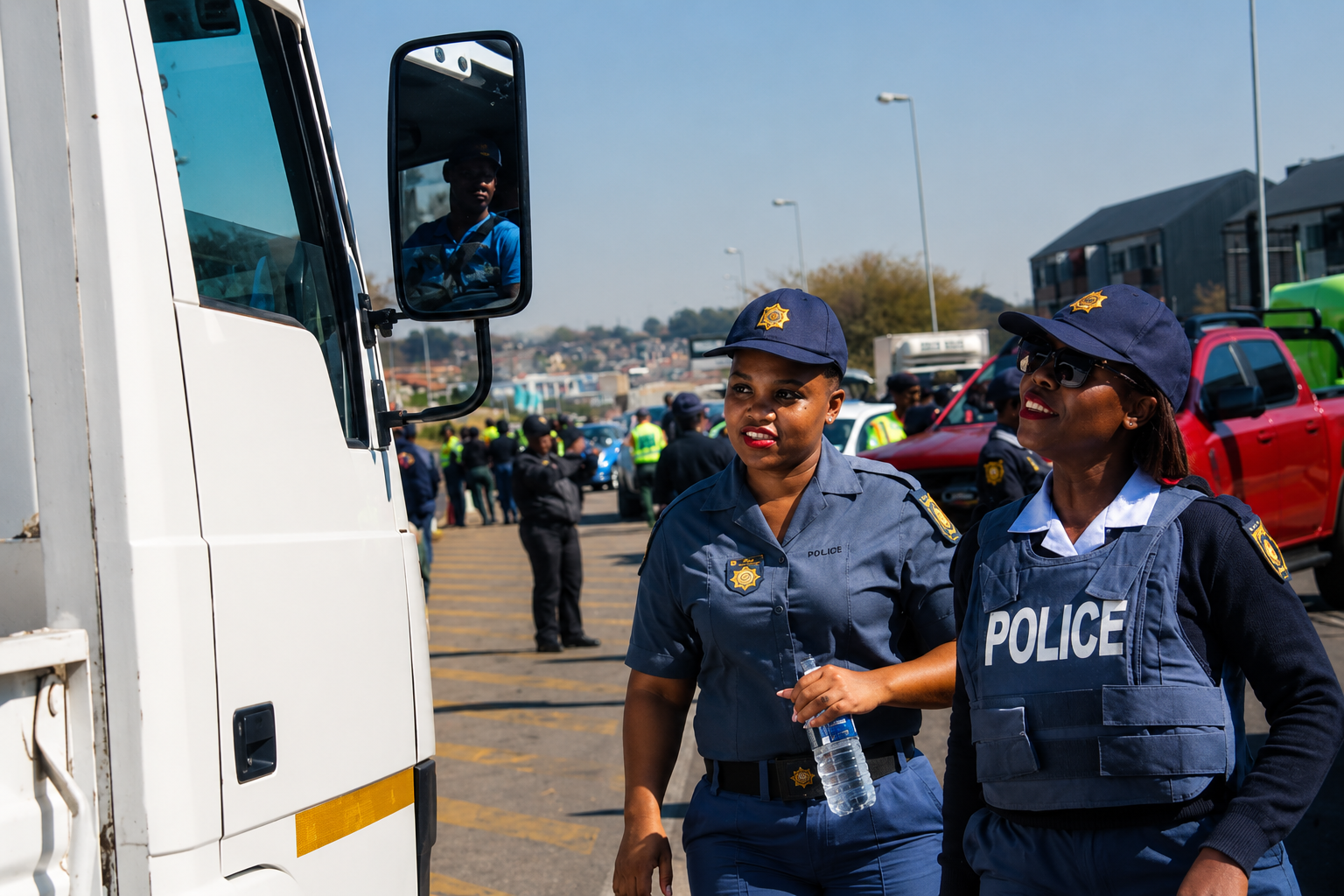
When you're shaken, who meets you matters
Think about the moments when most of us encounter police on the road. Often, something has already gone wrong.
You've just been involved in a crash. You're standing beside your vehicle at night, perhaps injured or disorientated, trying to contact your family while also answering questions about what happened.
Trauma can also be deeply personal. A woman may be crying uncontrollably, struggling to explain herself or dealing with an embarrassing physical response to shock. In those moments, some women may simply feel more comfortable asking another woman for help.
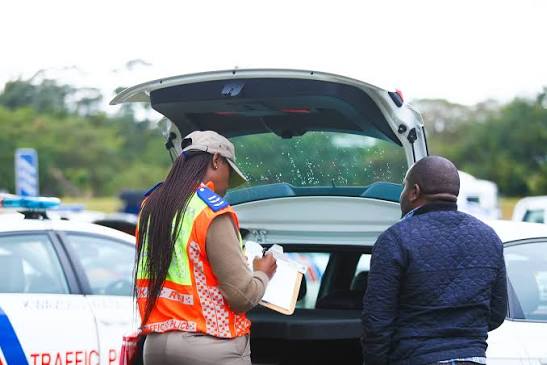
The same applies when the road incident involves crime. A woman who has been threatened, followed, hijacked or intimidated by a male perpetrator may understandably feel vulnerable afterwards. Having a female officer among the first responders gives her another option when she needs to explain what happened.
It isn't about suggesting that male officers cannot provide compassionate, professional assistance. It's about recognising that representation can give people choices at precisely the moment when they may feel they have very little control.
That presence matters beyond the roadside
The value of female representation doesn't end once an accident scene has been cleared.
It can matter when a distressed motorist calls for assistance and needs someone to calmly guide her through what happens next. It can matter at the police station when she has to recount a frightening incident in detail, or during a roadblock when she needs to raise a concern she may not feel comfortable discussing with a male officer.
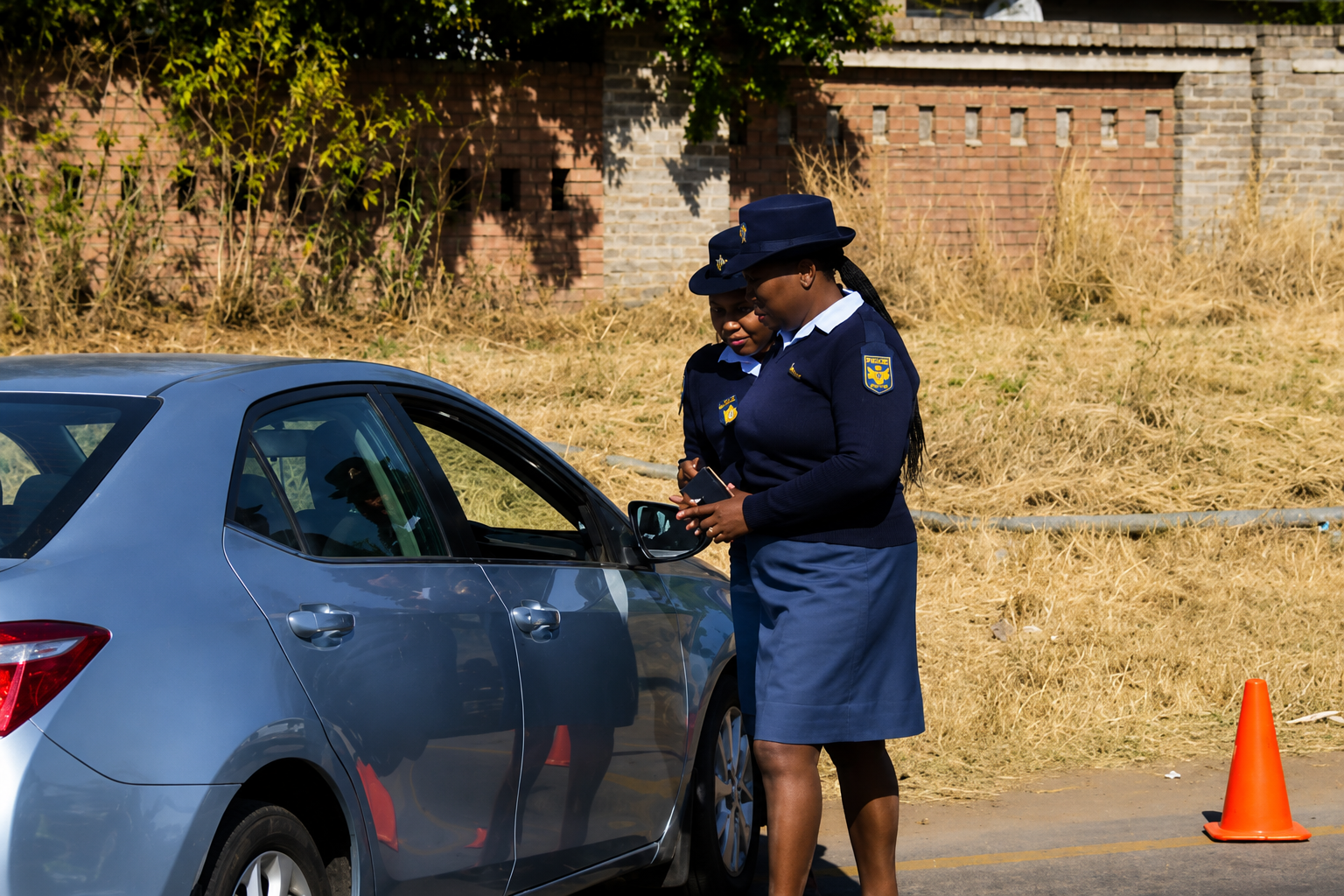
Female officers are also motorists, passengers, pedestrians, mothers doing school runs and women travelling home after dark. They experience many of the same everyday mobility realities as the communities they police, and those perspectives have a place inroad safety education and enforcement.
It shouldn't end when August does
Operation Basadi showed women leading policing, traffic enforcement and crime-prevention activities. What it should not become is something we only notice because itis Women's Month.
The bigger opportunity is a road-safety environment in which seeing women directing a roadblock, responding to a crash, answering an emergency call, delivering safety education or taking a statement at a police station is simply part of everyday life.
Because when something goes wrong on the road, good policing is not only about enforcing the law. It is also about helping people feel safe enough to ask for help, explain what happened and begin finding their way forward.