
By Staff Writer
October is Transport Month in South Africa, a time to reflect on how we use our roads and what we can do to make them safer. As part of its Safety Mondays series, XploreZA is taking a closer look at everyday driving behaviour, starting with something many motorists rarely question: the habits we have developed behind the wheel.
Think about your last drive. Did you come to a complete stop at every stop street? Were you following the car ahead a little too closely? Did you glance at your phone when traffic slowed down?

Most of us can probably identify something we do without thinking. And that is precisely the problem.According to Arrive Alive, unsafe driving habits often become so familiar that motorists no longer recognise them as risks.
Some are obvious traffic violations, while others involve poor observation, incorrect seating positions and inadequate following distances.
The good news is that habits can be changed once we recognise them.
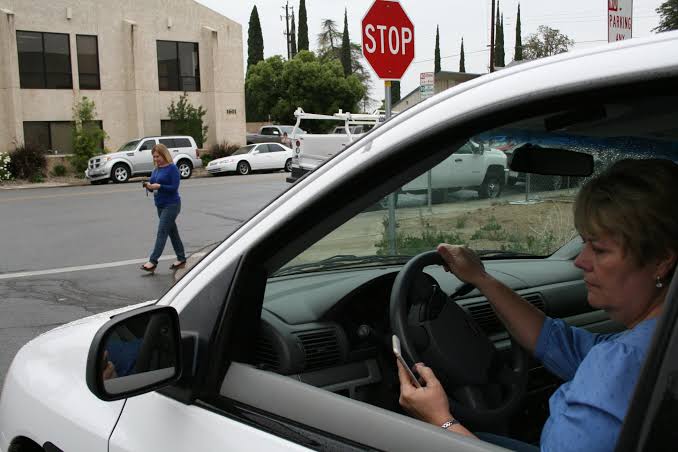
Stop treating stop streets as suggestions
You know that familiar slow roll towards a stop sign, followed by a quick glance before accelerating?
It may save a few seconds, but it also reduces the time available to notice a pedestrian, cyclist or approaching vehicle.
Make a conscious effort to stop completely, check for approaching traffic and pedestrians, and proceed only when it is safe. The same applies at traffic lights, particularly when turning across pedestrian crossings.
Give the car ahead some breathing room
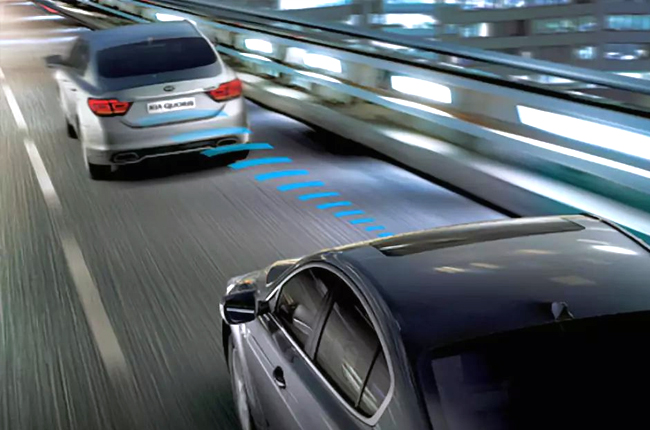
Following too closely is one of the habits highlighted by Arrive Alive. When the vehicle ahead brakes suddenly, you need time to recognise what is happening and enough space to stop.
Try the three-second check. When the vehicle ahead passes a fixed object, count three seconds before your vehicle reaches the same point.
Increase that gap in rain, poor visibility or other challenging conditions.If another motorist cuts into the space, ease off and rebuild your following distance.
Check how you're sitting
Your driving position affects how effectively you can control the vehicle. Adjust your seat so that you can comfortably reach the pedals without stretching your legs fully. Your arms should remain slightly bent when holding the steering wheel, and your back should be supported.
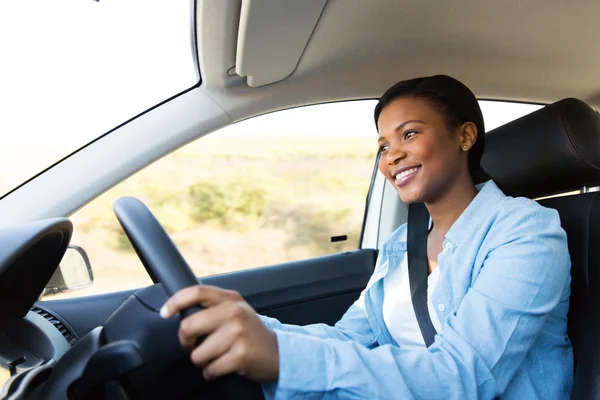
Make sure you have a clear view of the road and adjust your mirrors before moving off. It takes less than a minute, but it can make a difference when you need to respond quickly.
Keep your attention where it belongs
Checking a message at a red robot may seem harmless, but distraction can continue even after you put the phone down.
Set your navigation and music before leaving. If something needs your attention, stop somewhere safe before dealing with it.
Look further ahead than the vehicle immediately in front of you. Watch for brake lights, pedestrians, vehicles entering traffic and changing road conditions.

Give yourself a driving assessment
On your next journey, pay attention to the things you normally do automatically. Notice your following distance, how you approach intersections, where your eyes are focused and whether impatience affects your decisions.
Better still, ask a qualified driving instructor to assess your everyday driving and identify habits you may have overlooked.
Transport Month gives us a reason to examine how we drive, but the real benefit comes from carrying those improvements into November, December and beyond.
The first step towards becoming a safer driver may be recognising what you need to stop doing.