By Staff Writer
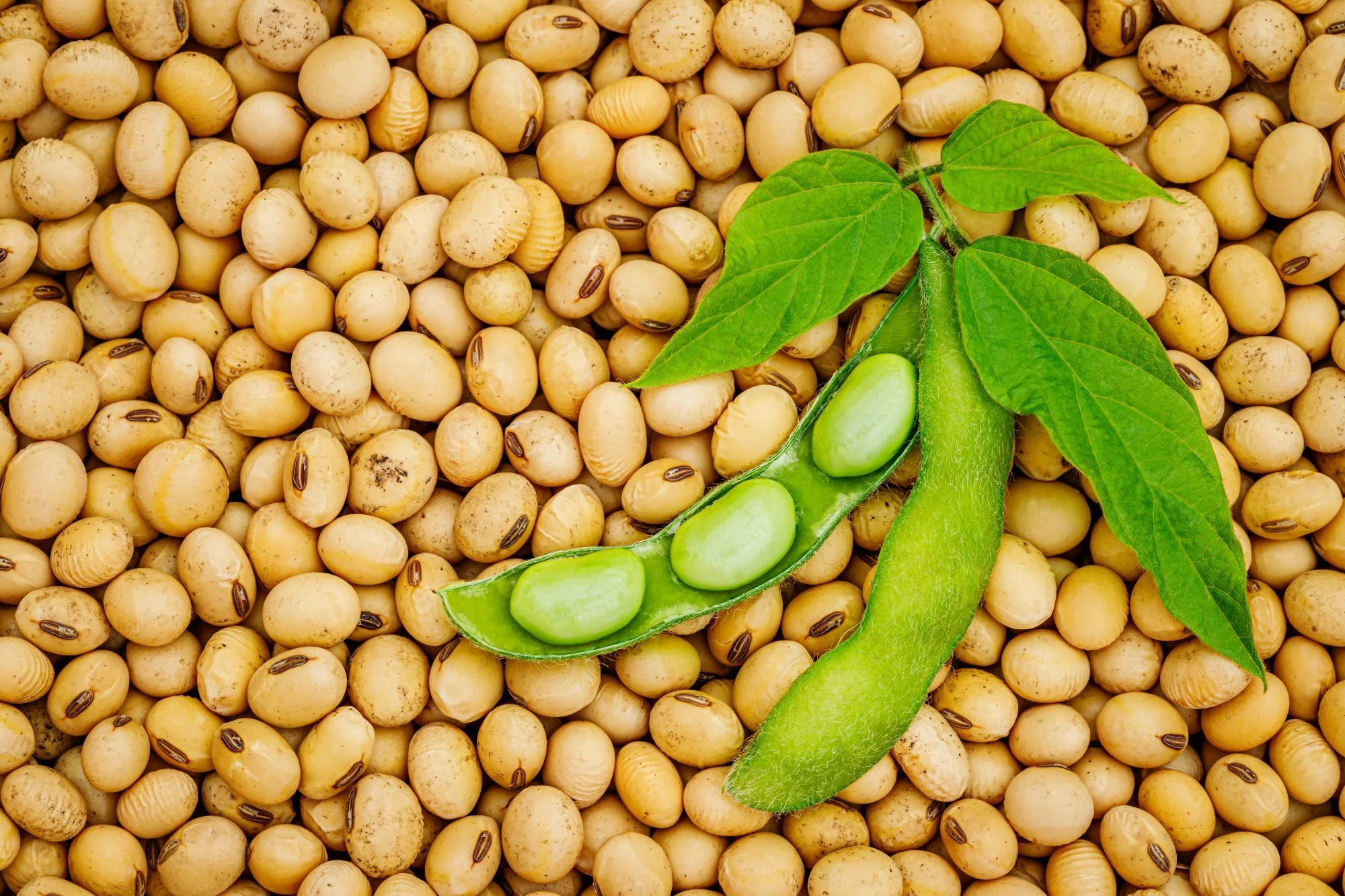
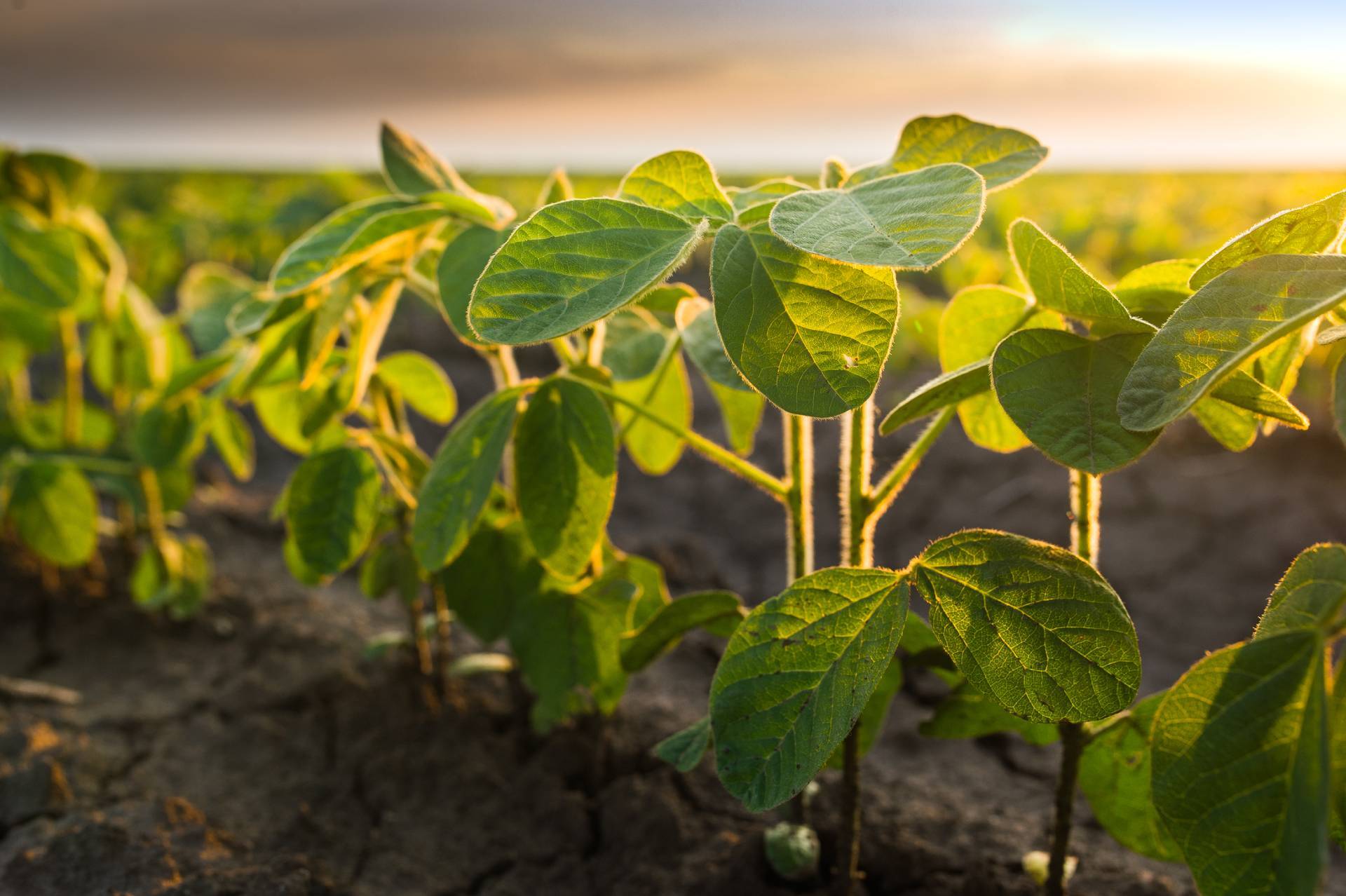
Soybeans have quietly become a major South African crop. Once occupying just 134,000 hectares in 2000, they are now planted across more than 1.2 million hectares, making soybeans the country's second-largest summer crop after maize. That is quite a leap for a crop that does not always get the same attention as its famous neighbour.
And there is another reason farmers may want to pay attention. South Africa has built a substantial local soybean-processing industry, with most of the crop crushed locally to produce oilcake for animal feed and oil for the food sector. In other words, this is not simply a crop being grown because farmers have discovered they can grow it. There is an established industry waiting further down the value chain.
So, if you have been looking across your fields and wondering what else you could grow, could soybeans be worth considering? Possibly. But before ordering seed, there are a few things worth knowing because getting soybeans right starts long before planting day.
Start with your soil, not the seed
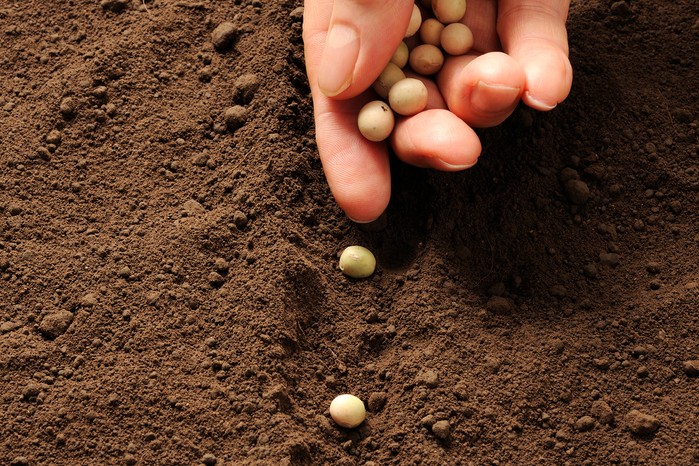
One of the most useful pieces of advice for a prospective soybean grower is also one of the simplest: test your soil first.
Soybeans can grow in different soil types, but drainage, soil structure, acidity and nutrient levels matter. Waterlogged fields and badly compacted soils can cause problems, while phosphorus and potassium levels need to be understood before planting.
This means a soil analysis should be one of your first investments.
There is another question that is easy to overlook: what was previously sprayed on that field?
Some herbicides used on crops such as maize and wheat can have residual effects that make planting soybeans in the same soil problematic.
Depending on the product used, waiting periods may apply.For someone planning to introduce soybeans, checking the chemical history of the field can therefore be just as important as checking the soil itself.
Don't choose seed on price alone
Not every soybean cultivar is suitable for every production area.
South African cultivars fall into different maturity groups, broadly matched to cooler, moderate and warmer production regions. The right choice affects when the crop matures and ultimately when you will harvest.
Grain SA advises farmers to consider planting more than one suitable maturity group as a way of spreading risks such as drought, hail and disease while also extending the harvesting period.
Speak to your seed supplier, agronomist or local crop adviser about cultivars suited to your area rather than simply buying what happens to be available.
One small step can make a big difference
Here is something a first-time soybean grower cannot afford to overlook: inoculation.
Soybeans have an unusual advantage. Through a relationship with Rhizobium bacteria in nodules on their roots, the plants can obtain much of the nitrogen they require from the atmosphere.
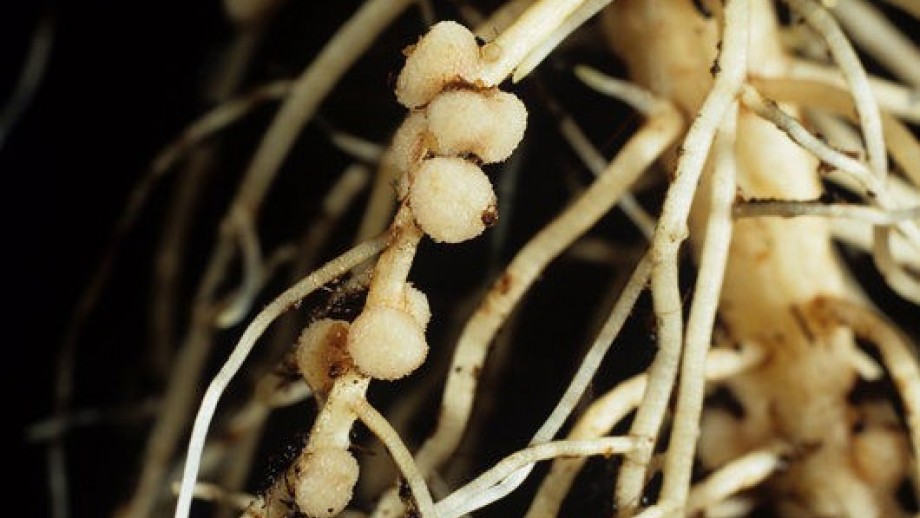
But that process depends on successful inoculation with the correct bacteria. Grain SA describes proper inoculation as one of the most important operations in successful soybean production.
The inoculant contains living organisms, so storage, handling and following the supplier's instructions matter.It is a relatively small part of establishing the crop, but getting it wrong can undermine one of soybean's major agronomic advantages.
Know how you will harvest
It is easy to concentrate on getting a crop into the ground and leave harvesting as tomorrow's problem.
With soybeans, think about it much earlier.
The crop is harvested low to the ground, which makes reasonably level fields important. If you do not own a combine and intend using a contractor, establish availability and timing before planting. Different cultivars mature at different times and delaying harvest can increase losses.
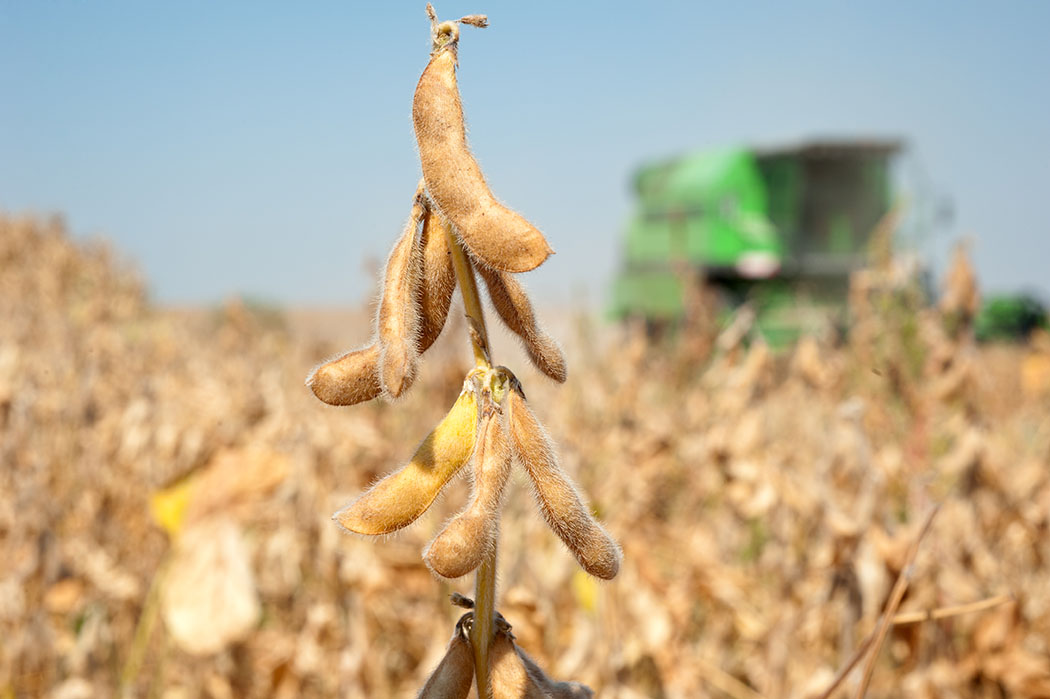
For a smaller or new producer, access to machinery may ultimately be one of the practical factors determining whether soybeans make sense.
Know who wants your beans
This is where South Africa's growing soybean industry becomes particularly interesting.
Petru Fourie, Operations Manager at the Animal Feed Manufacturers Association (AFMA), notes that investment in local crushing capacity has reduced South Africa's reliance on imported soybean products and increased the availability of locally produced raw material for feed manufacturers.
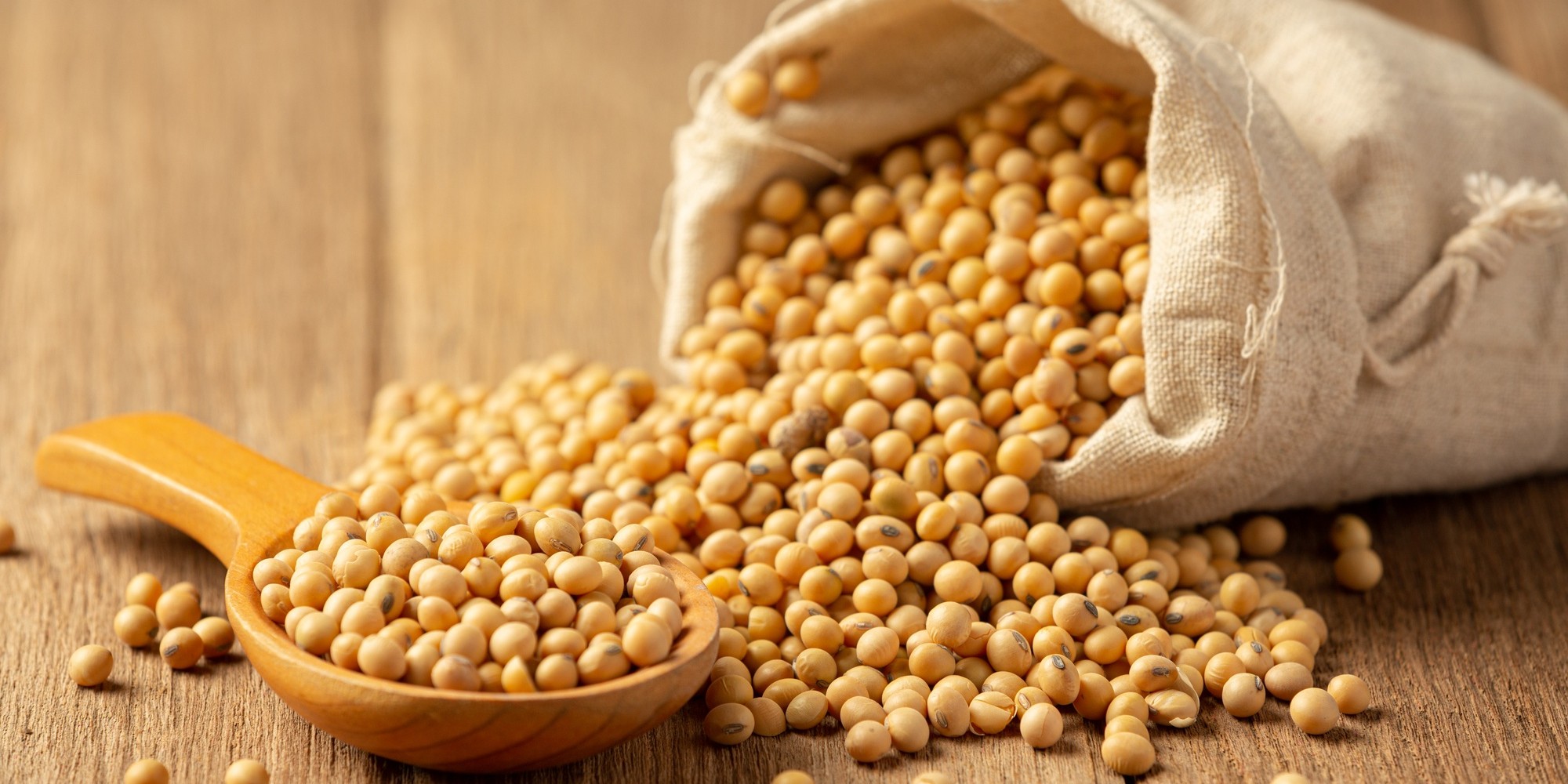
Around 2.2 million tonnes of soybeans are processed annually into oil and oilcake, with the livestock feed sector the main downstream user of soybean protein.
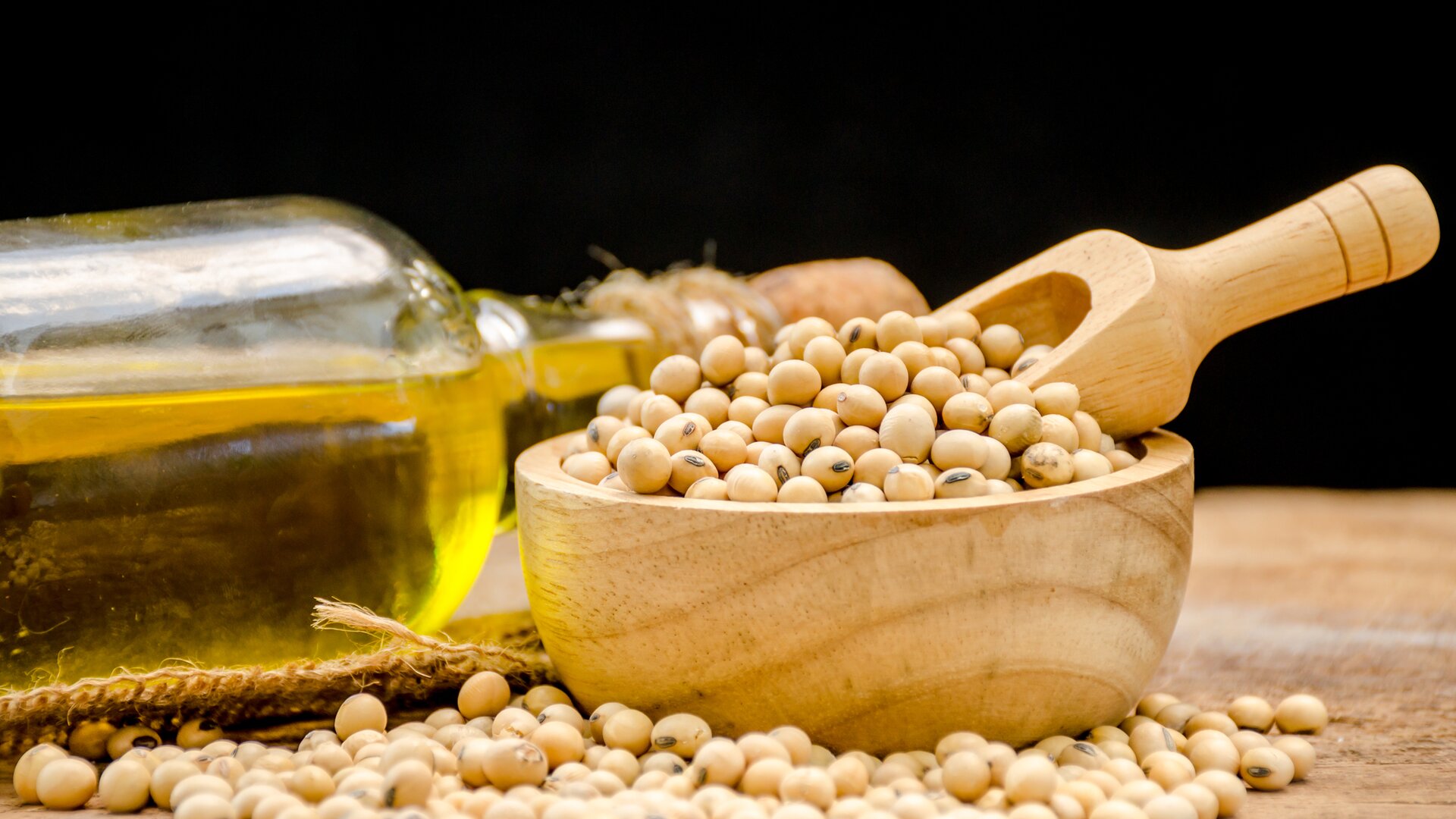
Exports are also playing a growing role, with regional markets including Zimbabwe, Eswatini, Mozambique and Botswana among the destinations for South African soybeans.
But a growing industry does not automatically guarantee an attractive price.
Fourie points out that stronger local production and higher stocks have pushed soybean prices closer to export parity, while plentiful global supplies are also limiting upward price movement.For a prospective farmer, the lesson is simple: investigate your market before you plant.
Find out who buys soybeans in your area, where the nearest delivery or processing point is, what quality specifications apply and what transporting the crop there will cost.
So, should you grow soybeans?
Soybeans offer an established South African market, strong local processing demand and a useful alternative within summer crop production. They can also play a valuable role in crop rotation with maize.
But success starts with preparation.Test the soil. Check what was previously planted and sprayed. Choose the right cultivar. Understand inoculation. Secure harvesting capacity. Work out where you will sell the crop and what it will cost to get it there.
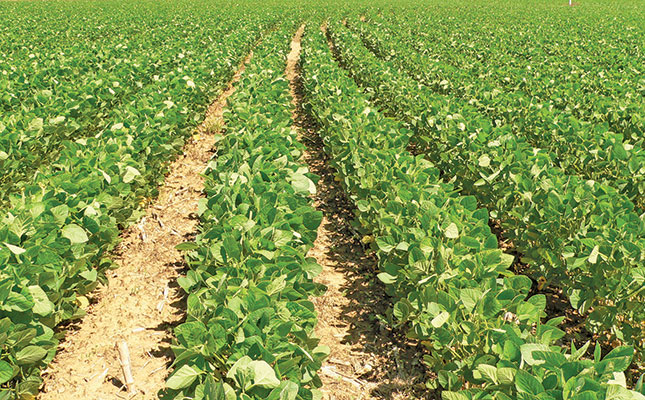
The biggest mistake may be deciding that soybeans look attractive and asking how quickly you can plant.
A better question is: what needs to be in place before I do?