By Aurelia Mbokazi
Women's Month has barely begun, yet South Africa's roads have already delivered a sobering reminder of just how quickly an ordinary journey can turn into an emergency.
Over the first weekend of August alone, emergency services responded to a string of serious crashes across the country. A bus crash on the N1 near Trompsburg claimed an eleventh life after a critically injured patient succumbed to her injuries.
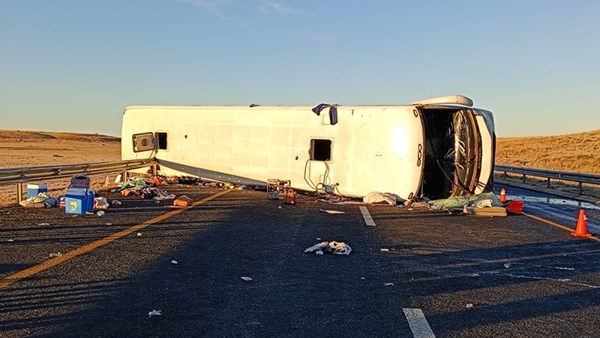
There were fatal head-on collisions in KwaZulu-Natal, a deadly rollover in Soweto, multiple taxi crashes, three separate bus-related incidents in the Free State involving hundreds of passengers, and numerous other collisions that left families grieving and emergency workers stretched across several provinces.
Behind every incident is someone's mother, daughter, sister, wife, colleague or friend whose day began like any other. Most journeys don't start with the expectation that something will go wrong. They begin with the school run, the morning commute, a weekend visit or a trip to the shops.
That is why Women's Month offers an opportunity to think differently about road safety from a place of preparation.
Your safety begins before you leave home
Whether you're driving yourself, catching a taxi, boarding a bus or booking an e-hailing trip, safety starts long before the vehicle moves.
Take a moment to let someone know where you're going and when you expect to arrive, particularly if you're travelling alone or after dark. Make sure your phone is sufficiently charged and that emergency contacts are easy to access. If you're driving your own car, a quick walk around the vehicle to check the tyres, lights and fuel level can prevent unnecessary stress later.

Small habits like these take only a few minutes, but they can make a significant difference when plans suddenly change.
Trust your instincts when something doesn't feel right
Most women are familiar with that quiet instinct telling them something feels off.
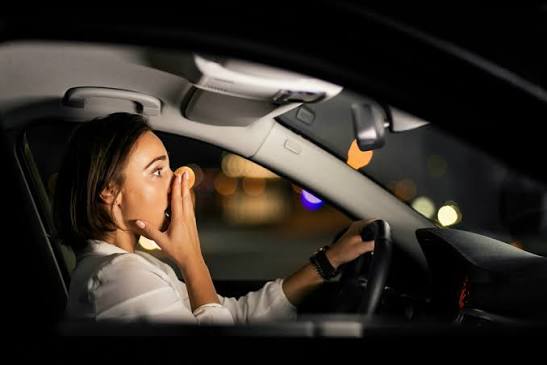
Perhaps a taxi appears overloaded or the driver seems distracted. Maybe an e-hailing vehicle doesn't match the details on the app, or the driver asks you to cancel the trip and pay cash instead. It could even be a friend who insists they're "fine to drive" after along day or a night out.
Those moments should never be ignored simply because you're worried about inconveniencing someone or arriving late.
Choosing another vehicle, waiting for the next bus or arranging alternative transport may feel frustrating at the time, but it is always easier than dealing with the consequences of a poor decision made under pressure.
If you're behind the wheel, you are responsible for everyone inside
Many women spend hours each week transporting children, parents, relatives or colleagues.
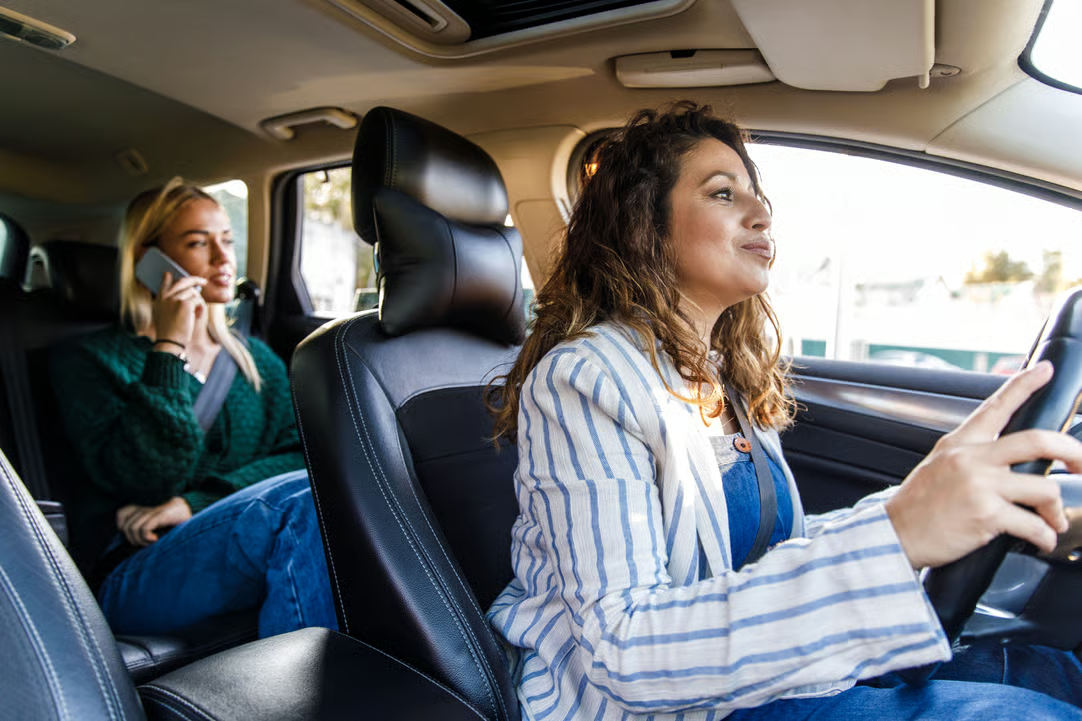
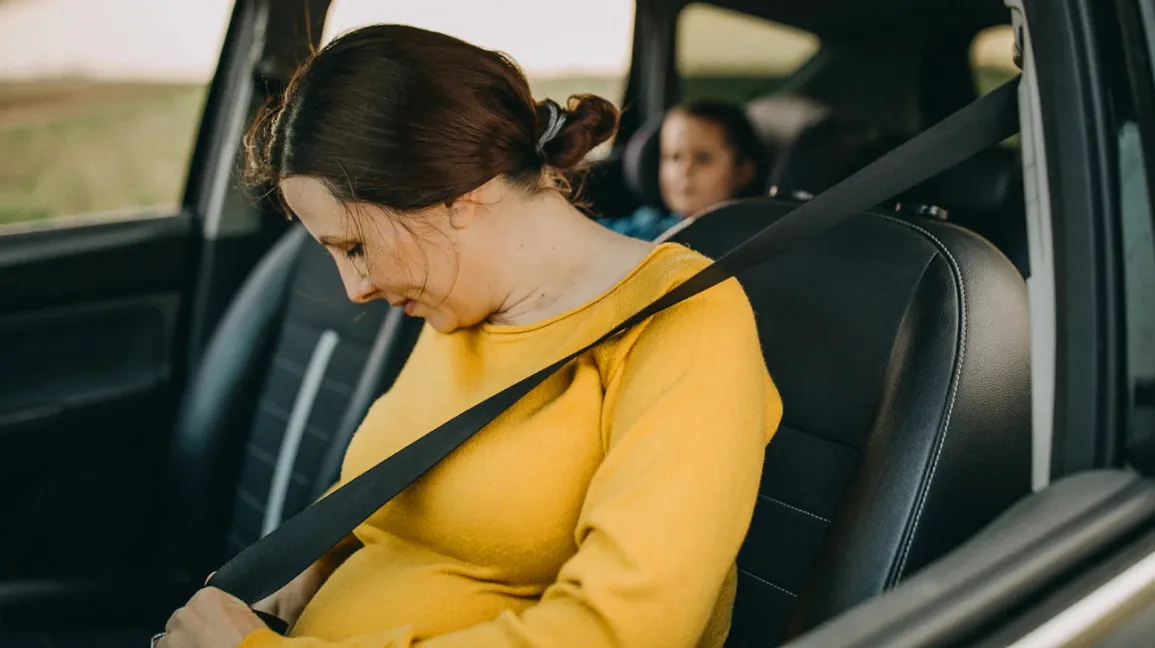
That responsibility extends beyond following the rules of the road. It also means avoiding distractions, ensuring everyone is wearing a seatbelt and resisting the temptation to rush because you're running behind schedule.
It is equally important to keep your vehicle in a roadworthy condition. Strange noises, worn tyres, ineffective brakes or warning lights are not simply maintenance issues. They are safety issues.
Road safety is also about looking out for one another
One of the simplest ways to improve road safety is to pay attention to the people travelling with us.
Offer to share your live location when travelling alone. Check that elderly relatives have arrived safely. Encourage younger drivers in your family not to drive while exhausted or distracted. If someone is clearly unfit to drive, help them find another way home.
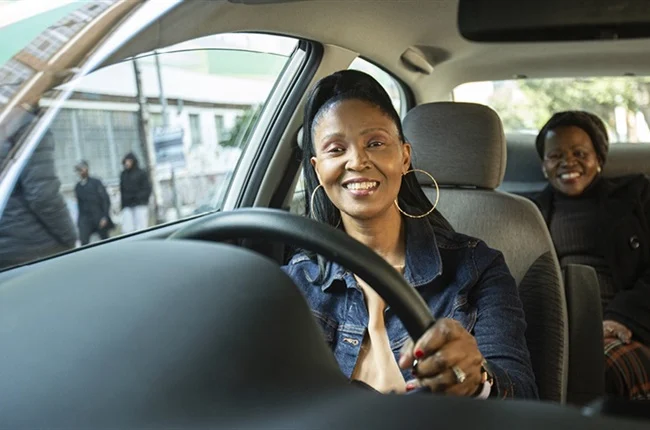
These are everyday acts of care, but they contribute to a much bigger culture of safety.
The safest journey is the one you prepare for
The tragic incidents reported over the opening weekend of Women's Month are a reminder that road crashes are not isolated events. They happen on familiar roads, during routine trips and to ordinary people simply trying to get where they need to be.
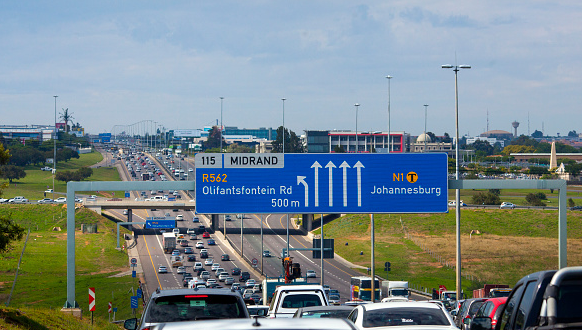
While no one can control the actions of every other road user, each of us can make choices that reduce our own risk and help protect the people travelling with us.
This Women's Month, perhaps the most meaningful gift we can give ourselves and the people who love us is not arriving faster. It's arriving safely.