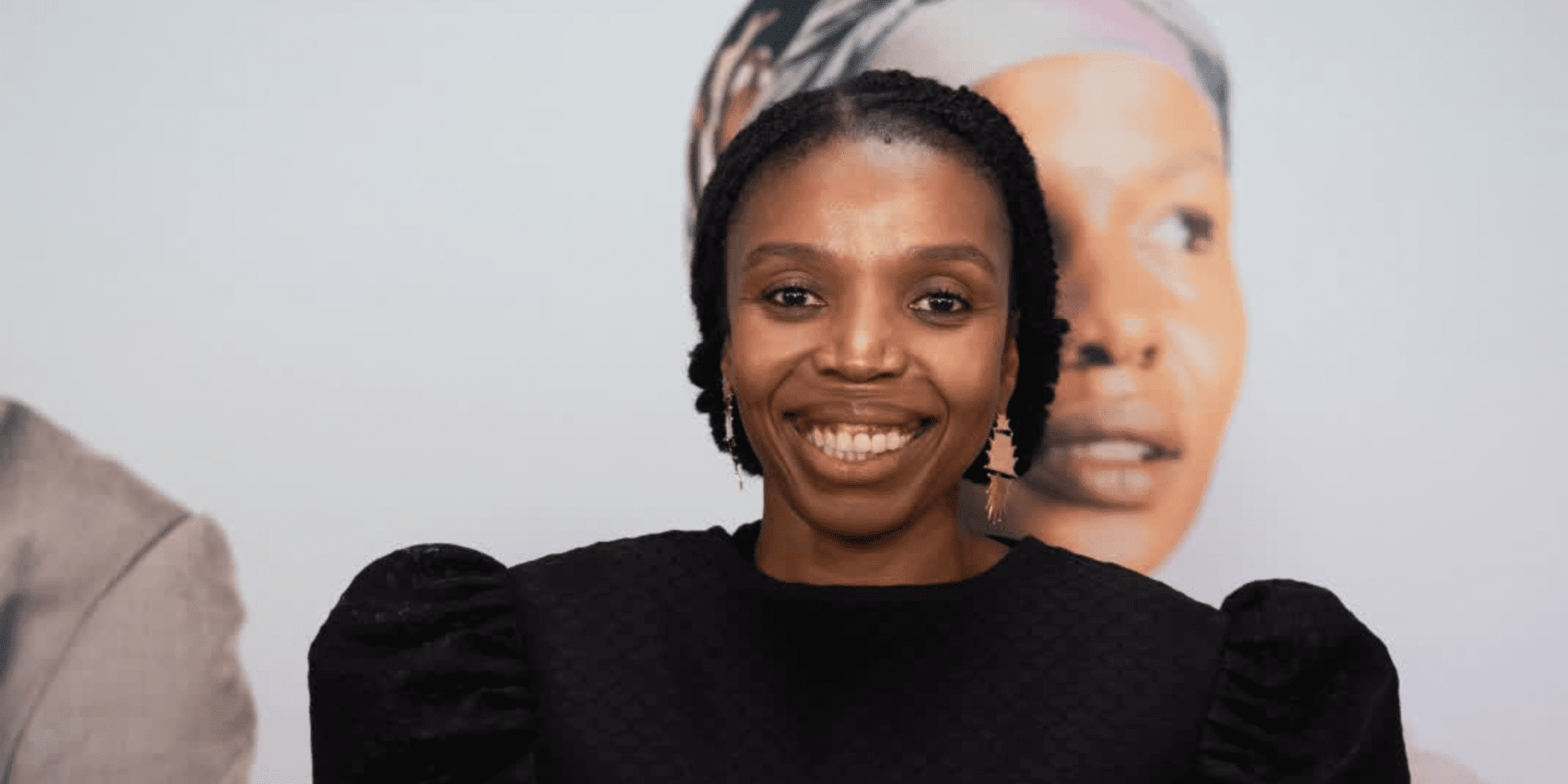
By Prashirwin Naidu
Writer-director Karabo Lediga has long been known for her sharp wit and layered storytelling, from South African satire (Late Nite News with Loyiso Gola, The Bantu Hour) to intimate, character-driven narratives. Her debut film, Sabbatical – on Amazon Prime – follows a woman’s reluctant return home, where unresolved tensions with her mother simmer beneath the surface.
With quiet power, Sabbatical xplores generational gaps, unspoken truths, and the ways we navigate identity, family, and belonging. Here, Lediga reflects on the film’s roots, balancing comedy with drama, and the importance of telling nuanced South African stories.

What inspired you to tell this story, and how much does it reflect your
own experiences?
I’ve always been fascinated by the space between my generation and my mother’s, we share a culture but live in different worlds. There’s this comical, sometimes uncomfortable gap that feels impossible to bridge. That tension became my starting point: what the generation that fought apartheid expects from the next, and how those expectations clash with reality. The plot isn’t autobiographical, but the DNA of the mother–daughter dynamic misunderstandings, nuances and unspoken tension- comes from personal experience.

Why highlight the silence and distance in black mother–daughter relationships?
It wasn’t only about blackness, though that’s inevitably part of it. Too often, black women are portrayed as loud or one-dimensional, the result of years of skewed representation. I wanted to show textured, relatable characters. It’s about telling something human, not “on the nose,” and creating characters audiences recognise in themselves.
How did recovering from surgery shape the film’s tone and pacing?
Recovery left me dependent on my mother — strange and uncomfortable as an adult. That feeling of being trapped became Lesego’s reality. She’s stuck, unable to escape her circumstances. While I couldn’t literally make a film about lying in bed after surgery, the emotional truth of confinement shaped the story.
How do you balance satire with the serious tone in Sabbatical?
Comedy and drama aren’t separate for me. South Africans often meet serious
situations with humour — it’s part of our culture. Working in satire has hardwired comedy into my work. Sometimes I pull it back to avoid undermining the drama, but my producer, Kagiso, often pushes me to lean in. The trick is being funny and serious without losing the weight of the story.

What’s shifting in how local stories are told and received?
The shift is towards diversity — not just who tells stories, but the variety of stories told. More voices are breaking through without being dictated to by gatekeepers, giving audiences choice and multiple representations of who we are. At home, this helps us see ourselves authentically. Globally, it shapes how we’re perceived — diverse stories humanise us and have effects beyond entertainment.
The film is restrained, with power in what’s unsaid. Was that intentional?
Very much so. I wanted Lesego’s anxiety, her fear of losing everything — to live in the silences. The tension we often see in horror became a tool here. Silence can be as powerful as dialogue; it forces the audience to lean in and feel the weight of what isn’t spoken.

What was it like collaborating with your brother, Kagiso Lediga?
Kagiso is quick-witted and understands comedy deeply. Early cuts of the film were heavier; he brought humanity back through small moments of humour, making the characters more relatable. He and co-producer Tamsin Anderson also have great taste and strong industry relationships, making the collaboration smooth.

As a woman in film, what challenges have you faced?
Sexism is the biggest — not being taken seriously or being undermined. People still ask to “see my work” even though it’s out there. I counter this by over-preparing: my treatments and director’s decks are detailed with visual references so no one can doubt my vision. At the same time, I stay open to collaboration, because knowing what you want while being receptive to your team almost always makes the work stronger.
What stories do you still want to tell?
I want to keep telling South African stories, but move away from relying so
much on personal nostalgia. I’ve been interested in archiving personal
histories because they’re often overlooked outside major political events. As we advance, I’d like to explore “social horror” — small, personal stories that reveal something bigger about the world, whether that’s capitalism, gender- based violence, or other societal forces.
One piece of advice for emerging storytellers?
Be yourself and be honest in your work. Audiences can tell when you’re chasing trends, and making something you don’t believe in is miserable. Whatever the project — film, TV drama, game show — it should resonate with you. That connection keeps you going when the process is challenging.