
By Staff Writer
We have officially survived the first week of December, and the holiday season has become very real. This coming weekend, many South Africans will wrap up work and head to their holiday destinations for some well-deserved rest after a long, demanding year. For most, this involves driving long distances, often for hours at a time, under scorching summer heat.
Yet one thing we rarely consider is our own physical readiness before taking on these long journeys. We assume that if the car is serviced and roadworthy, then we must be roadworthy too. But long-distance driving demands alertness, stamina, calmness, and the ability to respond quickly, especially when sharing the road with motorists from all walks of life.
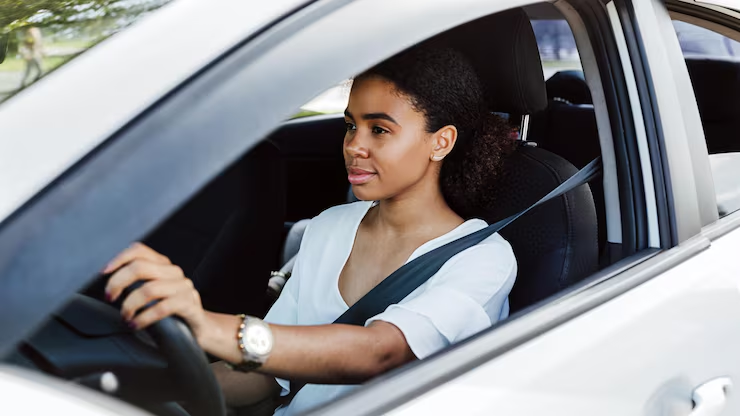
While it may be a little late in the year to make drastic lifestyle changes, there’s still a lot you can do right now to improve your driver fitness, enhance safety, and arrive with more energy and less stress. These simple steps are easy to adopt and can make a significant difference for anyone preparing to hit the road this festive season.
Review Your Medication Before You Travel
If you are on chronic medication, take time to understand how it may affect your energy, alertness, or reaction time. Certain medicines, including antihistamines, blood pressure tablets, and pain medication, can cause drowsiness or dizziness, especially in heat. Before you set out, ask your doctor or pharmacist whether you should adjust your dosage time, avoid driving after taking it, or pair it with food or hydration. Always carry your medication with you and set reminders to take it on schedule, even while travelling.

Rest Properly the Night Before
Fatigue is one of the most dangerous but overlooked contributors to road accidents. Make a deliberate effort to get at least seven to eight hours of sleep before a long trip. Avoid packing late into the night or starting your journey immediately after a demanding workday. A well-rested body improves your alertness, decision-making, and reaction time. If you struggle to sleep, try switching off screens early, drinking water, and dimming the lights to encourage your body to wind down.

Plan Hydration and Healthy Snacks
Long hours behind the wheel in hot weather can lead to dehydration, which affects concentration, causes headaches and slows your reactions. Keep a bottle of water within reach and sip regularly. Pair this with light, healthy snacks such as fruit, nuts, sandwiches, or yoghurt, foods that provide steady energy and won’t make you sluggish. Avoid heavy meals before or during your trip because they can make you feel sleepy and uncomfortable.

Incorporate Stretch Breaks Every 2 Hours
Sitting for long periods reduces blood circulation and causes stiffness, which impacts your comfort and ability to respond quickly. Plan to stop every two hours for a brief, intentional stretch break. Walk around the car park, rotate your shoulders, stretch your back and legs, and take deep breaths. These small movements refresh the body, reduce fatigue, and help you feel mentally reset. If you are travelling with passengers, encourage everyone to participate.

Share the Driving Responsibility
If you are travelling with other licensed and confident drivers, share the responsibility. Rotating drivers allows each person to rest properly between shifts and helps avoid fatigue-related mistakes on the road. Even if you prefer to drive most of the way, switching for just one stretch can significantly improve your alertness. If you are alone, be strict with your break schedule and never push yourself when you feel tired, fatigue creeps up quietly but has severe consequences.

Keep the Cabin Cool and Comfortable
Heat inside the car can be overwhelming and draining, especially during peak summer. Ensure the cabin is cool, well-ventilated, and comfortable. Adjust your seat to support your back, and wear light, breathable clothing to prevent discomfort. A cool environment helps your body stay alert and reduces the risk of heat-related fatigue. If your car does not have air-conditioning, consider starting your trip early in the morning or later in the afternoon when the sun is less harsh.

Do a Quick Pre-Drive Body Check
Just before you start your journey, take one minute to check in with yourself. Ask: Am I hungry? Thirsty? Tired? Stressed? Dizzy? Experiencing pain? These simple questions help you evaluate whether you are mentally and physically ready to drive. If anything feels “off,” address it before you get on the road. Sometimes a quick snack, glass of water, bathroom stop, or five-minute rest can prevent serious danger later in the trip.