
Dr Siphe Zantsi & Noluthando Ngcobo
The South African Land reform policy has a constitutional mandate and seeks to achieve both restorative justice and equitable land ownership across all races while protecting the rights of farm workers and people living in former homelands. Since it was signed into policy in the 1997 White Paper, the South African land reform policy, especially the land redistribution component, has been clouded with negativity: slow pace in redistributing farms to black farmers and poor performance in the farms redistributed to black farmers.
Emerging farmers are understood to be farmers who benefited from land reform. This group of farmers come from previously disadvantaged racial groups: blacks, Indians and coloureds (commonly referred to as black farmers). Based on our previously published work, it seems that emerging farmers are likely to perform better in livestock farms than in other farm enterprises such as horticulture and crop farming. We unpack the implications of this assertion in the success of land redistribution programme of the land reform policy.
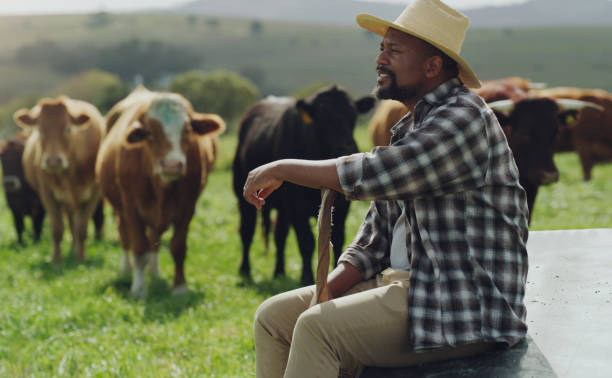
The basis of our argument
Productivity gap between small-scale agriculture, where emerging farmers are pulled from, and commercial agriculture is known to be very wide. These are also the basis of the dualism within our agricultural sector. For example, maize yields: according to the crop estimate committee smallholder attain an average of 2 tons per hectare versus an average of 6 tons per hectare in the commercial sector. Here the productivity gap is 4 tons per hectare, which is very huge.
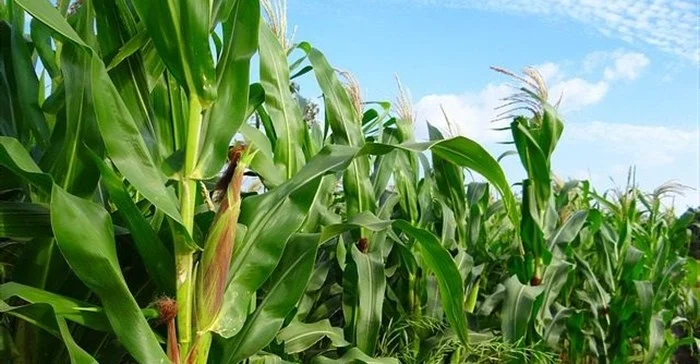
Our assumption is that the wider the productivity gap, the slower the catchup time for emerging farmers when they take over some of the commercial farms as they benefit from the land redistribution programme.
In our published study, we found that potential emerging farmers’ livestock activities, particularly cattle farming, show a smaller productivity gap than crop activities relative to their commercial counterparts. For example, in cattle, 86% of potential emerging farmers had an offtake between 61% and 100% of the offtake attained by their commercial counterparts. This was lower for goat ranging between 40% - 60% and much lower in sheep where the highest offtake rate was only 6% of offtakes attained by commercial farmers. Comparatively, the productivity gap for maize was lower than livestock but much lower than all enterprises were horticultural enterprises like vegetables.
Why is Livestock Farming a Better Bet?
The success of smallholder farmers in livestock production is attributed to lower input costs. While commercial farmers invest heavily in high-yield maize varieties and advanced farming techniques, smallholders are more focused on cost-effective livestock farming. This means that with proper support and resources, emerging farmers could more quickly scale their livestock operations to match commercial levels.
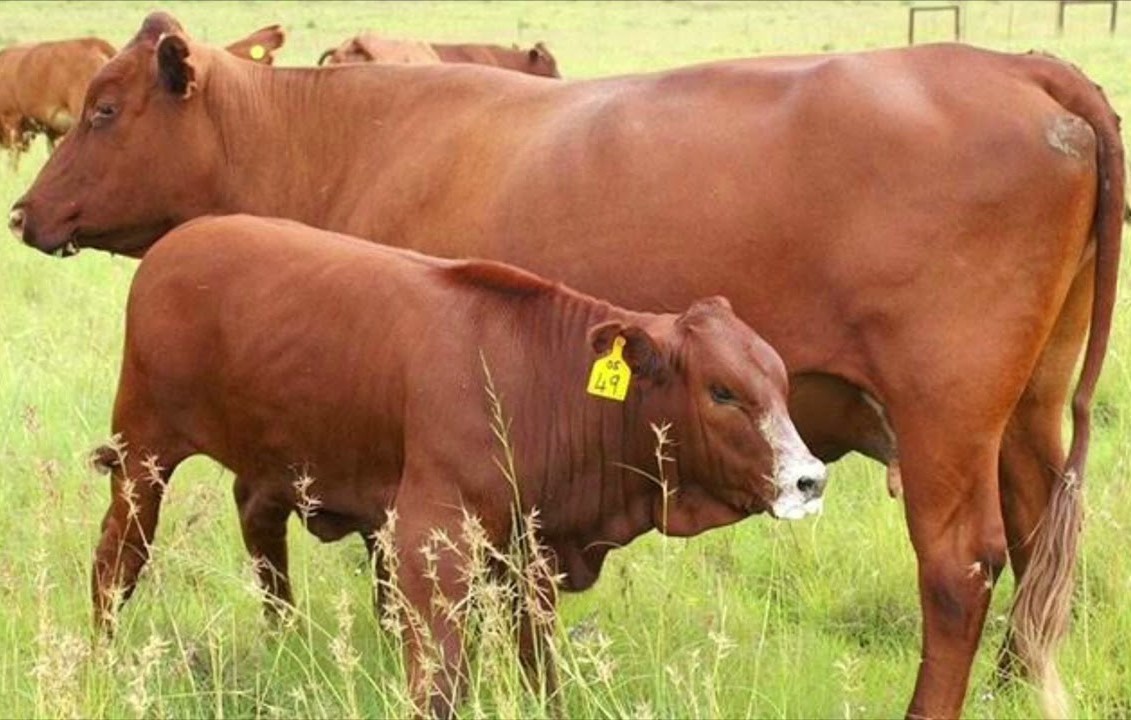
The study found that cattle farming is particularly promising. Nearly 86% of potential emerging farmers were operating at 61-100% of the commercial productivity level in cattle farming, which challenges the concept that smallholder farmers are always less efficient than commercial ones.
Additionally, cattle farming plays an important role in rural economies. Many of these emerging farmers don’t only raise cattle for their own consumption but also sell their livestock at local markets, helping to support their communities and grow their businesses.
Relevance of the findings to the success of land reform
What is then this narrow productivity gap between emerging farmers and commercial farmers’ livestock off-take mean for the success of land redistribution? This simply means that emerging farmers might have higher chances of succeeding in livestock farms specifically beef cattle farms than in farms dominated by other enterprises for example in a wine farm. Of course, productivity gap or farming skill is not the only factor. Hence, we use ‘might’, because there are also other factors contributing to how an emerging farmer will perform in commercial farm under the land redistribution programme. The productivity gap only reflects farming skill.
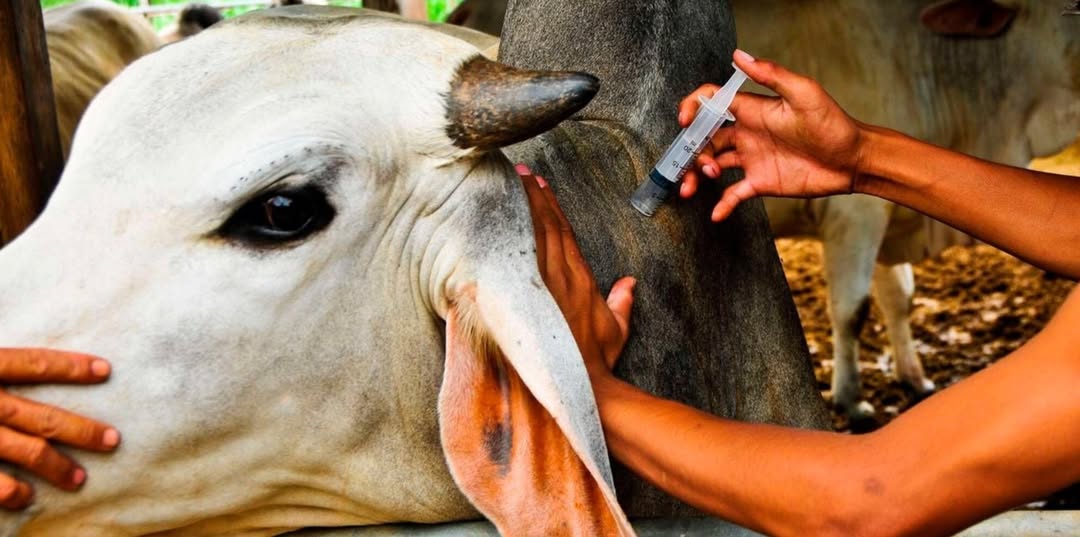
Other factors needed to succeed include finance. To run the farm business – purchase inputs, feed, animal remedies, acaricides, vaccines, pay labour etc. need money. For land redistribution beneficiaries this comes under the Comprehensive Agricultural Support Programme (CASP), which according to beneficiaries takes for ever to come. DALRRD is still trying to improve the situation. Other factors include knowledge and access to formal markets. Operating at a commercial level where one sells many weaners at once might need a reliable market than relying on individual sale on animals to cut costs of transportation to the market. And many commercial farms are located far away from the informal markets -communal areas and townships where people want to buy cattle for ceremonies.
The other relevance of the narrower gap stem from the fact that a large share (about 80%) of South Africa’s agricultural land is only suitable for livestock grazing. As such, many farms according to the 2017 Census of Commercial Agriculture are mixed farms with larger share of livestock enterprises. Also, most redistributed land reform farms are livestock farms. Thus, a success in livestock farms might mean more success in many redistributed farms.
Moreover, livestock farms where much of the land is for grazing are relatively cheaper than horticultural land with fruit trees or vines and irrigation. Meaning that more livestock farms can be purchased for redistribution to black farmers per given budget than horticultural farmland. However, this does not mean that land reform beneficiaries must be given livestock farms only. Land redistribution must balance racial land ownership and in doing so be mindful of training and investment costs that should accompany each farmland enterprise.
Concluding remarks
The success of land reform is crucial for the sustainability of our agricultural sector and national food security. It is also important to make land reform succeed to change the negativity clouding it. Such success requires coordination and support from all stakeholders. Farmers, government, private sector, researchers, and beneficiaries have a role in making land reform a success.
This article was published in the Agricultural Research Council (ARC) Beef Bulletin 2025. You can reach the lead author at ZantsiS@arc.agric.za