By Staff Writer
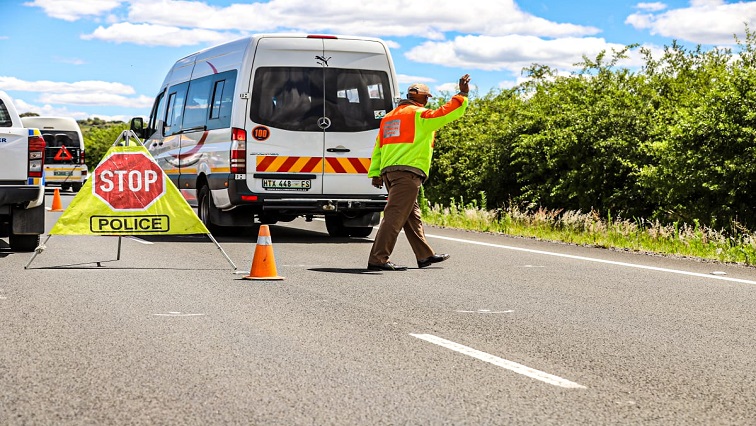
When we talk about road safety, the focus often falls on drivers and vehicles. Yet, some of the most vulnerable people on our roads are not behind the wheel at all. Passengers, pedestrians, children, the elderly and those who rely on informal transport systems face daily risks that are often overlooked, normalised or misunderstood. Improving safety does not require blame or finger-pointing; it starts with awareness and small, thoughtful changes in behaviour.
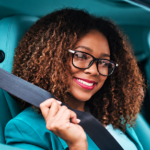
One of the most persistent misconceptions is that the back seat is automatically safe. Many passengers still believe that seatbelts are optional when sitting at the back, especially on short trips. The reality is that rear-seat passengers are just as vulnerable in a collision. An unbelted passenger can be thrown forward with immense force, injuring themselves and others in the vehicle. Wearing a seatbelt, regardless of where you sit, is one of the simplest and most effective ways to reduce injury.
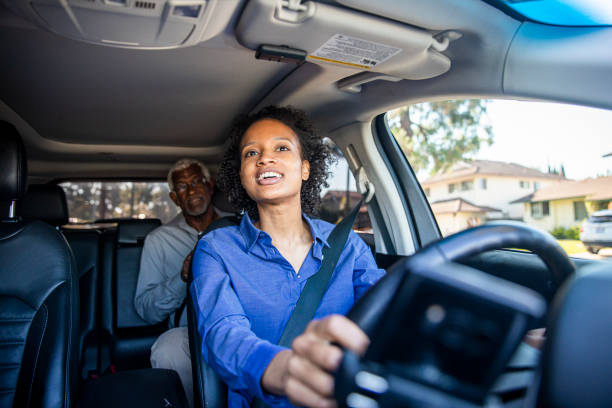
This myth extends to children as well. Short trips to school, the shops or a neighbour’s house often feel low-risk, but statistically, many accidents happen close to home. Proper child restraints are not about distance; they are about unpredictability. A correctly fitted car seat or booster, used every single time, provides essential protection and sets a powerful example of responsible behaviour for young passengers.

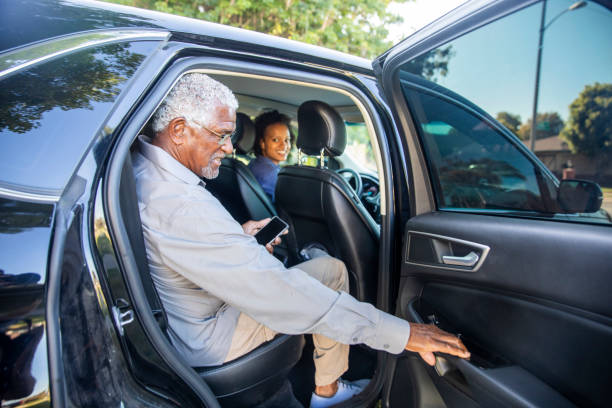
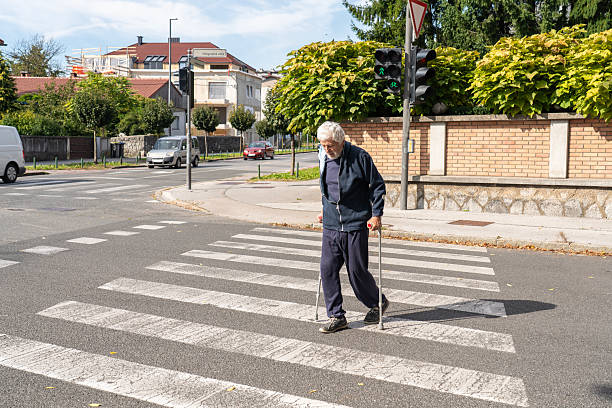
As our population ages, mobility safety for the elderly deserves more attention. Older pedestrians and passengers may have reduced reaction times, limited mobility or sensory impairments that make navigating traffic more challenging. Something as simple as allowing extra time to cross the road, offering assistance when needed, or being patient at pedestrian crossings can make a meaningful difference. For families, ensuring that elderly passengers are seated comfortably and securely, with seatbelts properly fastened, is equally important.
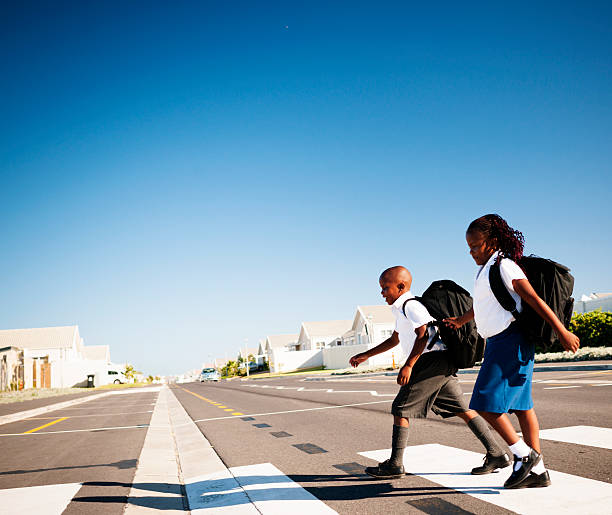
Pedestrian safety, however, goes beyond individual behaviour. Poorly designed crossings, inadequate lighting and infrastructure that prioritises vehicles over people contribute significantly to risk. While system-level improvements are essential, drivers can play their part by slowing down in pedestrian-heavy areas, remaining alert at intersections and respecting crossings, even when the road appears clear.
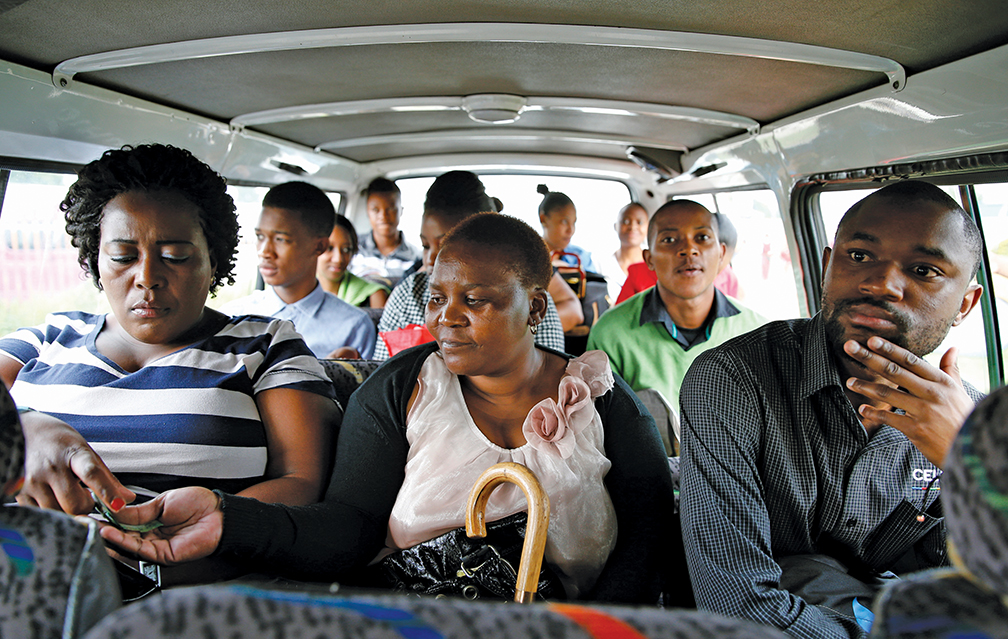
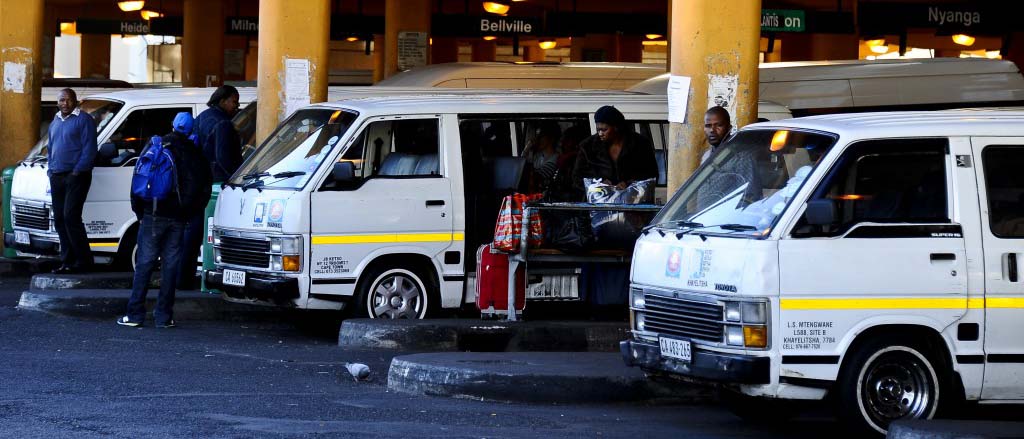
Informal transport systems, which many South Africans rely on daily, present additional safety challenges. Overcrowding, inconsistent vehicle maintenance and limited enforcement can increase risk for passengers and pedestrians alike. While systemic solutions are needed, passengers can still make safer choices where possible, such as wearing seatbelts when available and remaining aware of their surroundings.
Road safety is not about perfection; it is about progress. By questioning long-held myths, showing consideration for others and making conscious, everyday decisions, we can collectively create safer journeys for everyone who shares the road. At Xploreza, we believe that mobility should empower, not endanger—and safety is where that journey begins.