By Staff Writer
If you’ve had a chance to drive some of the new cars on South African roads recently, you’ve probably noticed it: a new generation of cars that beep, vibrate and intervene almost constantly. Many of them are tech-forward Chinese vehicles — impressive, well- priced and packed with features that would have been reserved for luxury brands just a few years ago. Lane warnings chirp when you drift slightly, collision alerts sound in slow traffic, and driver monitoring systems remind you to keep your eyes forward. Helpful? Often, yes. Distracting? Sometimes. Tempting to switch off? Absolutely.
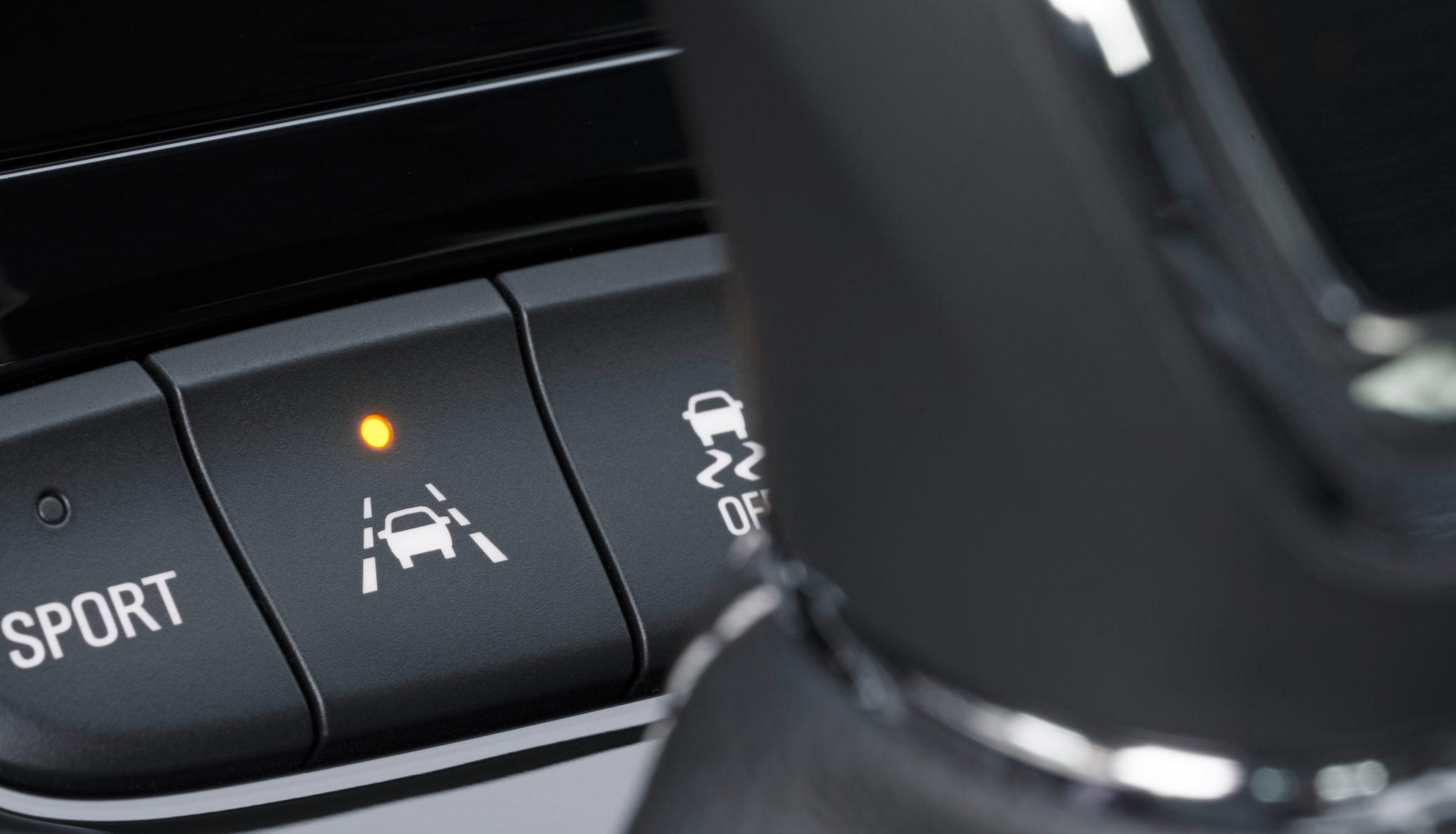
This raises an important question for everyday motorists: as cars get smarter, are we becoming less attentive drivers?
There is no doubt that modern driver-assist systems have real benefits. Features such as autonomous emergency braking, blind-spot monitoring and adaptive cruise control are designed to reduce human error, the leading cause of road accidents. In theory, they can help prevent collisions, especially in moments of fatigue, distraction or poor visibility.
However, these systems are exactly that: assistive. They are not replacements for skill, judgement or awareness. One of the growing risks is over-reliance. When drivers trust technology too much, reaction times slow and situational awareness drops. A car that gently corrects your steering today may lead you to pay less attention tomorrow.
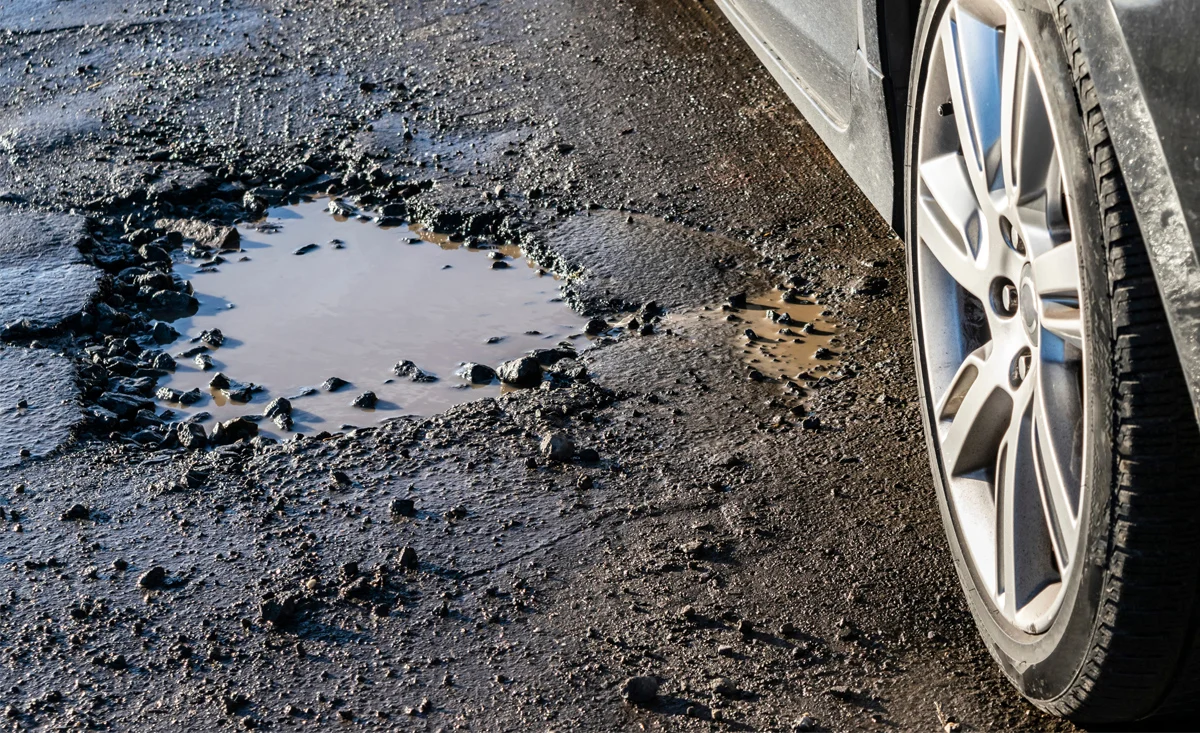
Safety ratings also deserve a closer look. A five-star crash test score is reassuring, but it reflects controlled test conditions — not potholes filled with rainwater, erratic minibus taxis, livestock on rural roads or power outages at traffic lights. South African driving conditions are complex and unpredictable, and no sensor or algorithm can fully anticipate them.
Then there’s the issue of distraction. Ironically, some safety features can become noise rather than support. Constant alerts, especially in stop-start urban traffic, can overwhelm drivers and lead them to disable systems altogether. The danger lies not in switching off a feature thoughtfully, but in disengaging mentally from the act of driving itself.
Another emerging concern is data. Modern vehicles collect vast amounts of information—how you drive, where you go, how often you brake sharply or exceed speed limits. While this data can improve safety and diagnostics, it also raises questions about privacy, ownership and how that information may be used in future.
So where does this leave us? The answer isn’t to reject technology, but to use it responsibly. Learn what your car’s systems do—and what they don’t. Adjust alerts sothey support rather than distract. Most importantly, remember that the most critical safety system in any vehicle is still the driver.
Smart cars are here to stay, and they can make our roads safer. But only if we remain skilled, attentive and engaged behind the wheel. Technology should sharpen good driving habits—not replace them.