By Aurelia Mbokazi-Kashe
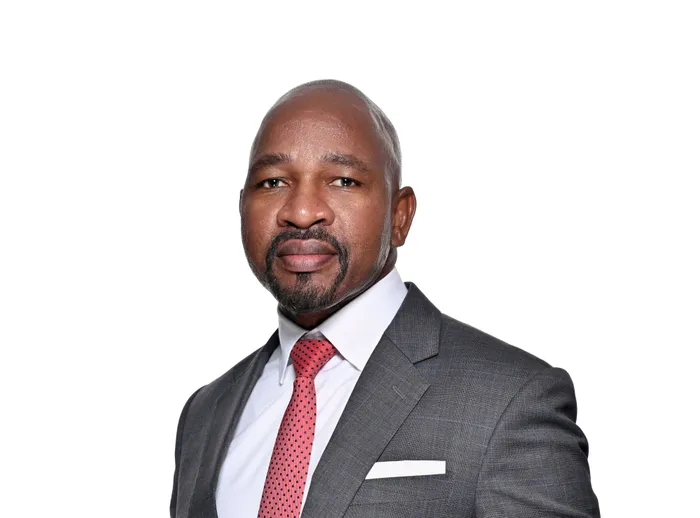
Land and Agricultural Development Bank of South Africa (Land Bank) chief executive officer Themba Rikhotso has resigned, triggering widespread concern across South Africa’s agricultural sector, where industry leaders warn his departure could unsettle a fragile recovery at the development finance institution. Widely credited with steering the bank out of a four-year debt default, Rikhotso leaves behind a stabilised lender, but one still facing legal, governance and funding pressures, with food security and farmer confidence hanging in the balance.
When Rikhotso took over as the CEO of the Land Bank in April 2023, the institution was still deep in crisis.
Land Bank had been grappling with a four-year debt default. Lending was frozen. Confidence among farmers and financiers was badly shaken. Around R45 billion in debt loomed over the development finance institution, and its future role in South African agriculture was uncertain. Less than two years later, Rikhotso leaves behind a bank that has formally exited default, reduced its debt to roughly R16 billion, resumed lending, and begun rebuilding trust across the sector.
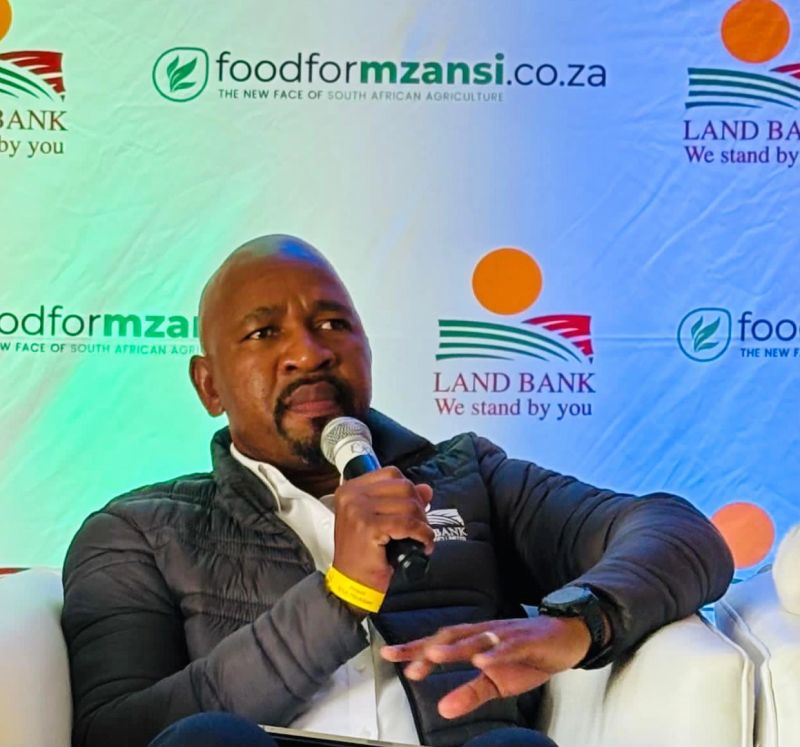
His resignation, confirmed late on Friday, 06 February, marks the end of a short but consequential tenure. Rikhotso will remain in office until April 2026 to allow for a smooth leadership transition, before taking up a senior role at another South African banking institution.
Widely regarded as the executive who pulled Land Bank back from the brink, Rikhotso brought more than 25 years of experience in financial services to the role. His career spans retail, corporate, transaction and investment banking, with previous senior positions at Standard Bank and CFC Stanbic Bank in Kenya. He holds a BCom, an MBL, and completed executive development programmes at GIBS and Wharton.
By September 2024, under his leadership, Land Bank officially emerged from default. Central to this turnaround was the liability solution, a restructuring plan developed in close collaboration with lenders and supported by National Treasury. The agreement reset relations with creditors, introduced a repayment schedule running through to March 2028, and delivered immediate capital reductions of R4 billion, with the remainder restructured over four years.
More than 60% of the bank’s debt was ultimately reduced through a combination of asset sales, loan book reductions and government support, a feat few believed possible when Rikhotso arrived.Importantly, the recovery went beyond balance sheets.
In October 2022, Land Bank resumed limited lending through a blended finance scheme with the Department of Agriculture, a move aimed at restoring relevance to farmers, particularly emerging producers. At the same time, the institution began repositioning itself from a primarily commercial lender to a development finance institution, with ambitions to rebuild market share from 12% to at least 20% while deepening its developmental impact.
The turnaround strategy was structured in three phases: stabilisation from 2023 to 2024, consolidation between 2025 and 2027, and growth from 2028 onwards, including plans for a diversified funding model and expanded developmental outcomes. Industry leaders credit Rikhotso with bringing calm and focus during one of the most difficult periods in the bank’s history.
Agricultural economist Dr Simphiwe Madikizela said he brought “great stability” to the institution, while Francois Rossouw, CEO of Saai, described him as approachable and diplomatic, with a clear understanding of farmers’ real challenges.
Yet his tenure was not without complexity. Land Bank faced criticism over aggressive debt recovery practices, and National Treasury imposed stricter governance rules and tighter debt covenants to prevent future crises. Rikhotso’s departure has also sparked concern across the agricultural sector, with warnings that leadership uncertainty could have far-reaching implications for farmers and food security.
Despite these challenges, by the time he announced his resignation, Land Bank was no longer a lender in freefall. It was lending again, financially stabilised, and slowly regaining credibility in a sector that had been on edge for years.
In confirming his resignation, board chairperson Mcebisi Skwatsha thanked Rikhotso for his commitment and leadership, noting that his contribution had strengthened the bank’s financial position and operational resilience.
For South African agriculture, Rikhotso’s legacy is clear: he arrived at a moment of crisis, delivered a credible turnaround, and leaves behind a foundation on which the Land Bank can begin its next chapter.