By Staff Writer
We spend so much time preparing for the drive, checking routes, buckling seatbelts, and keeping phones charged, yet very few of us ever think about what happens after an accident. And that’s exactly where the greatest risks and opportunities to save lives often lie.
Whether you’re behind the wheel, in the passenger seat, or waiting for a lift home, understanding post-crash safety can make a powerful difference. Because once impact happens, a quiet clock starts ticking.
Why the First 60 Minutes Matter Most
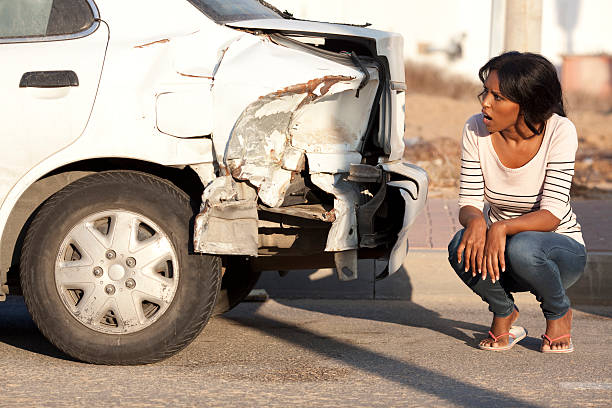
Emergency responders call it the golden hour, the critical window after a serious injury when medical treatment is most likely to prevent complications or death. In South Africa, where ambulances may take time to arrive depending on location and traffic, what happens in those early moments often depends on ordinary people at the scene.
If you are conscious after a crash, your first priority is safety:
- Switch on hazard lights immediately.
- If it’s safe to do so, move yourself and passengers away from live traffic.
- Place a warning triangle or reflective marker behind the vehicle if you have one.
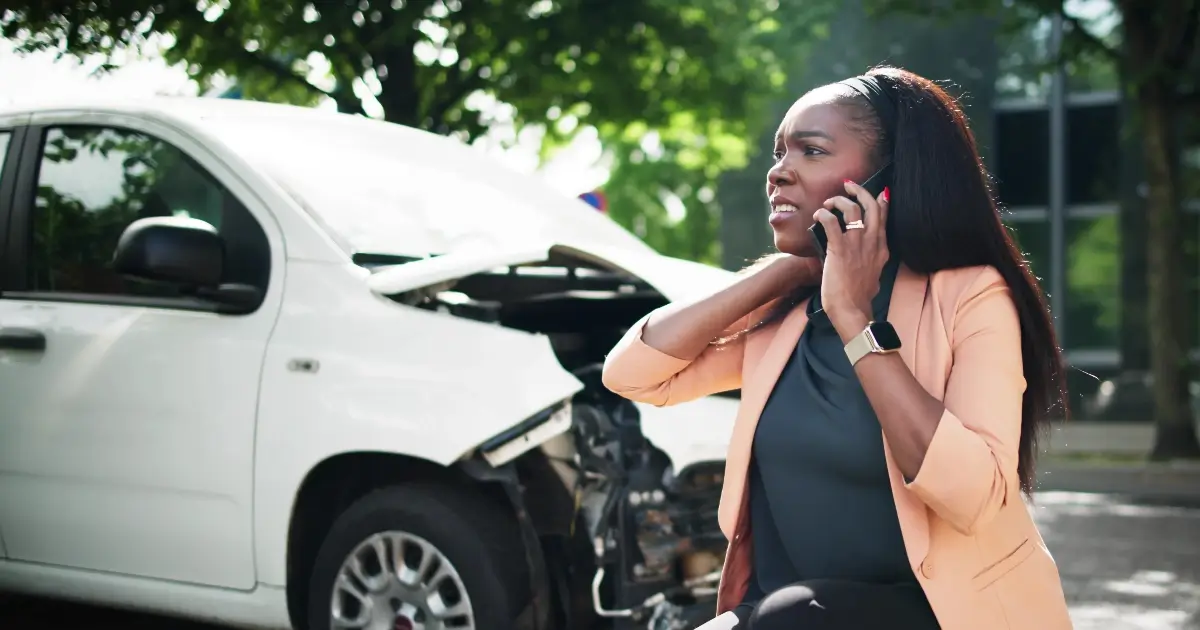
- Call emergency services and clearly describe your location.
If someone is injured, avoid moving them unless they are in immediate danger (for example, if the vehicle is on fire). Instead, keep them warm, calm and still while help is on the way.
You don’t need medical training to be helpful; your calm presence, clear communication and quick thinking already matter.
Knowing What to Do When You’re Shaken
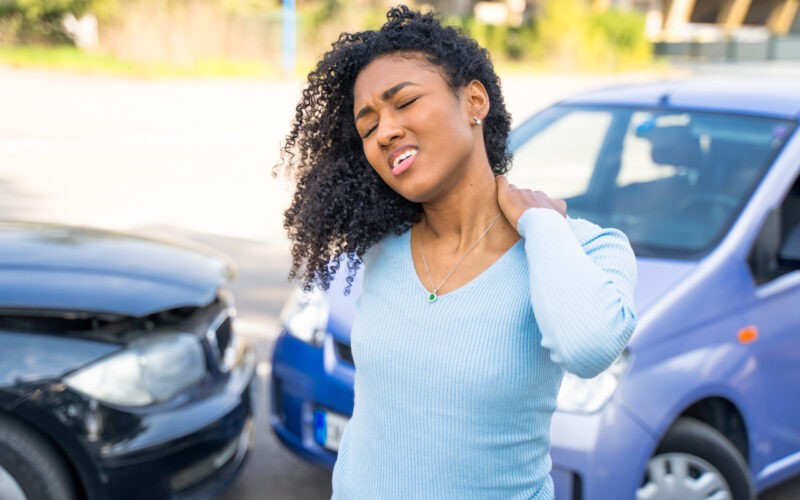
Shock doesn’t always look dramatic. It can feel like dizziness, nausea, trembling or emotional numbness. Many people instinctively push through this, focusing on everyone else first, but your well-being matters too.
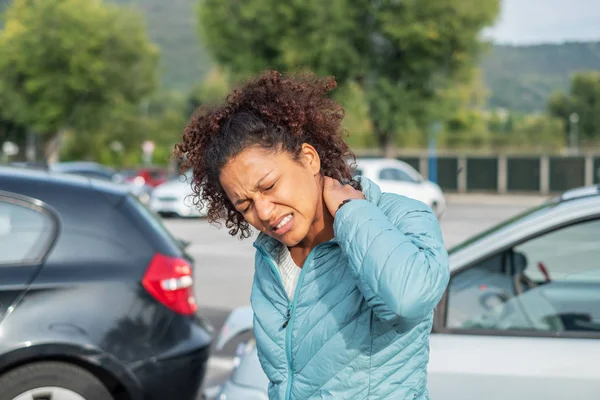
Take slow breaths. Sit down if you need to. Sip water if available. Even if you feel “fine”, seek medical attention after a serious impact. Adrenaline masks injuries, especially soft tissue trauma and concussion.
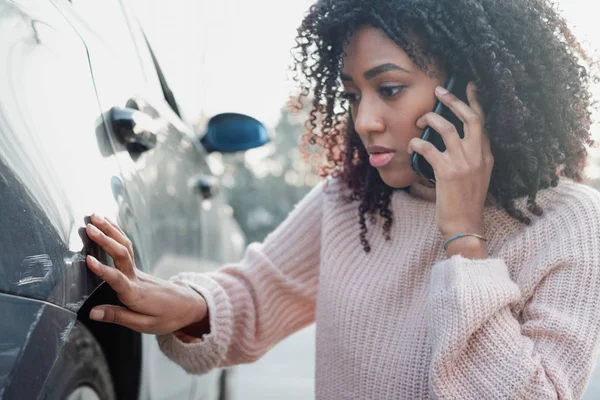
It’s also important to document what happened once you are safe. Take photos of the scene, vehicle positions and any visible damage. Exchange details with other drivers and witnesses. These steps protect you later, when memory fades and facts are questioned.
Secondary Collisions: The Hidden Danger Most Drivers Don’t Think About
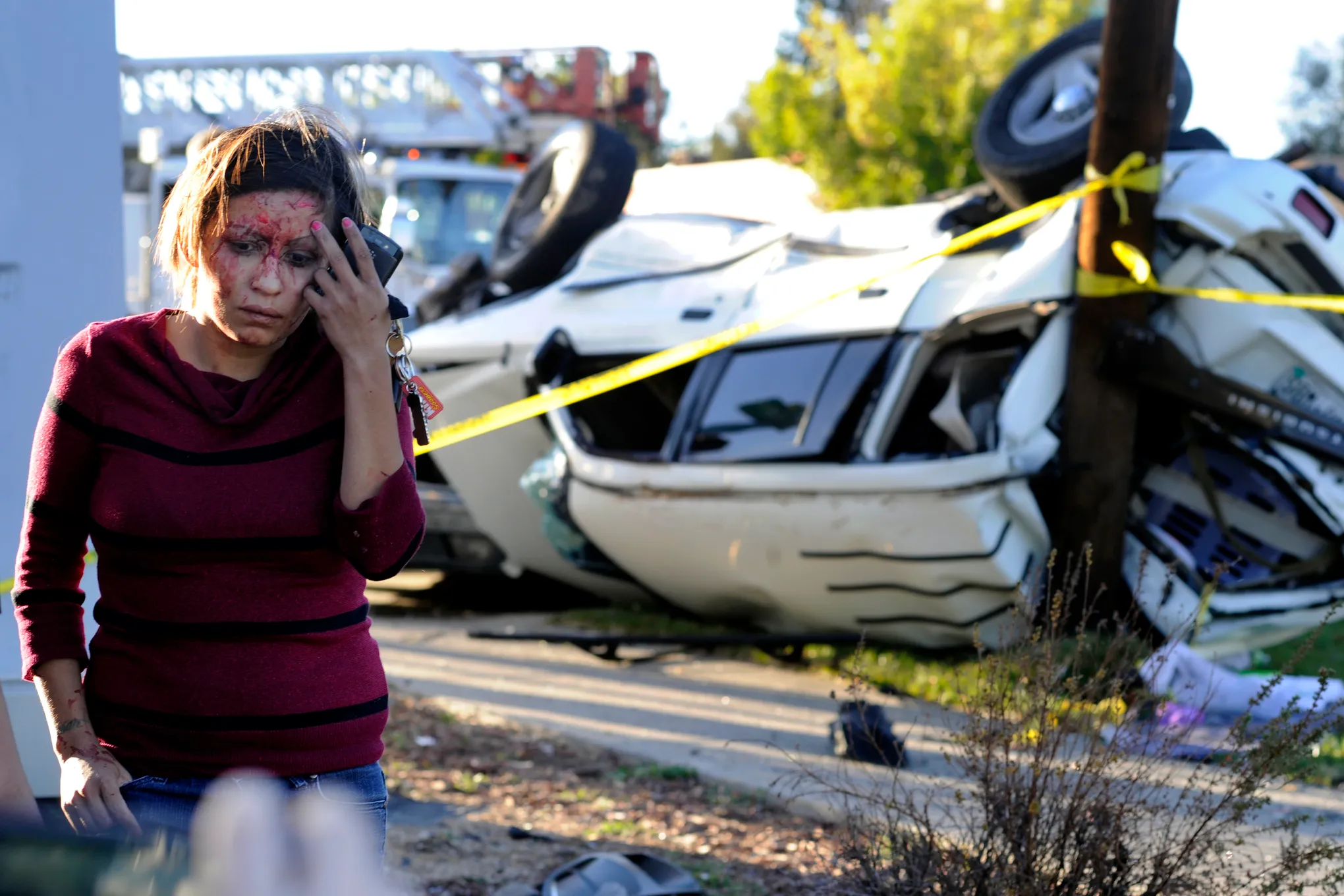
One of the biggest risks after a crash isn’t the impact itself, it’s what comes next. Vehicles stopped on highways or busy roads are vulnerable to being hit again, especially at night or in poor visibility. This is why moving to an emergency lane or safe shoulder is critical if the car can still drive.
If you cannot move the vehicle:
- Get out carefully from the side away from traffic.
- Stand well clear of the road barrier.
- Keep children and passengers together and visible.
Many serious injuries happen after people survive the initial collision. Your goal is simple: create distance between yourself and moving traffic as quickly as possible.
Dashcams: Your Silent Witness
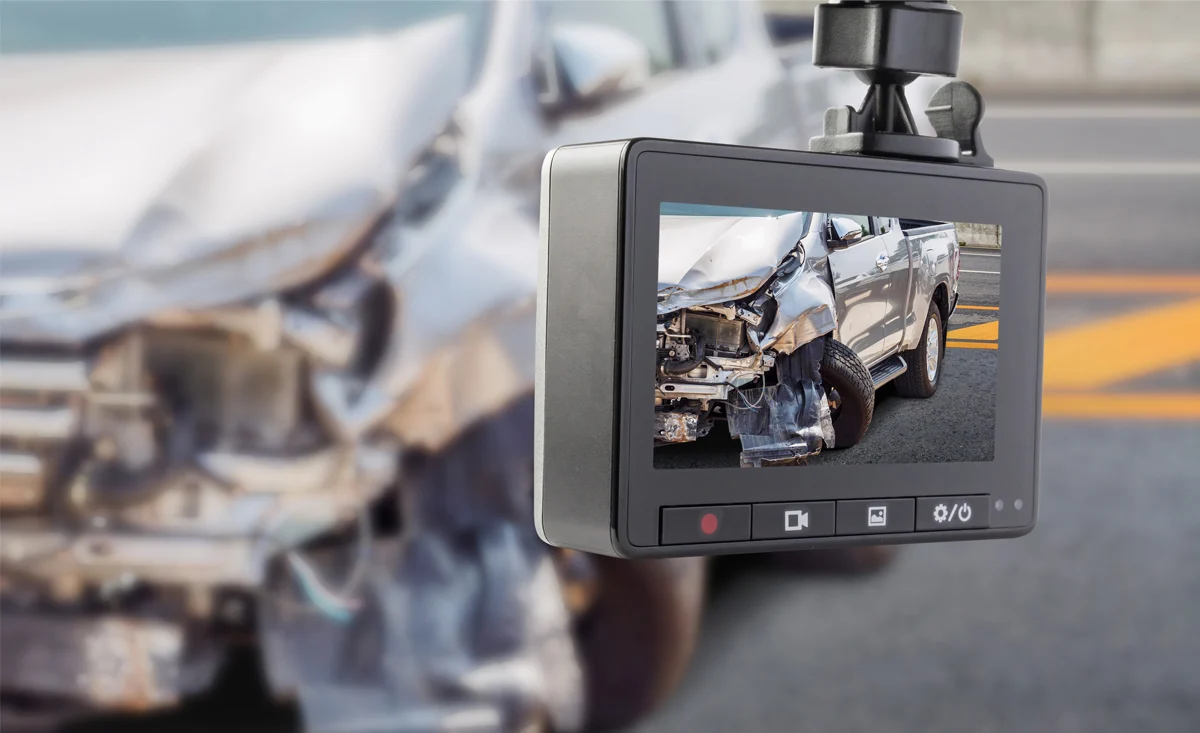
Dashcams are becoming more common, and for good reason. Beyond helping with insurance claims, they provide objective evidence in emotionally charged situations, protect against false accusations, and can even support criminal investigations.
For women especially, this added layer of documentation can feel empowering. A small camera on your windscreen becomes a neutral witness when things get complicated. If you don’t have a dashcam, your smartphone can still help. Short video clips or photos taken safely after the incident can offer valuable clarity later.
Safety Isn’t Just for Drivers
You don’t have to own a car to benefit from this knowledge. As pedestrians, passengers, mothers, sisters or friends, we are often first on the scene when something goes wrong. Knowing how to call for help, comfort an injured person, or manage a chaotic roadside moment is a form of everyday leadership.Carry emergency contacts on your phone. Teach children what to do if an adult is hurt. Keep a small torch in your handbag. These tiny habits build quiet resilience.
Empowered, Not Afraid
Road accidents are frightening, but preparedness replaces panic with purpose. This isn’t about living in fear. It’s about recognising that strength sometimes looks like steady breathing, clear decisions and knowing where to stand when the world suddenly feels loud.
For female motorists especially, safety is not just a personal concern; it’s a form of community care. Because when the unexpected happens, knowledge travels faster than ambulances, and that can save lives.