By Frans Jordaan, Dr Ben Greyling & Prof Michiel Scholtz
Despite the current foot-and-mouth disease challenges affecting parts of the country, beef farming remains one of South Africa’s most resilient and potentially lucrative agricultural sectors.
With more than 40 registered beef breeds in the country, the question many new and emerging farmers ask is simple: Which breed is best? The answer, however, is anything but simple.
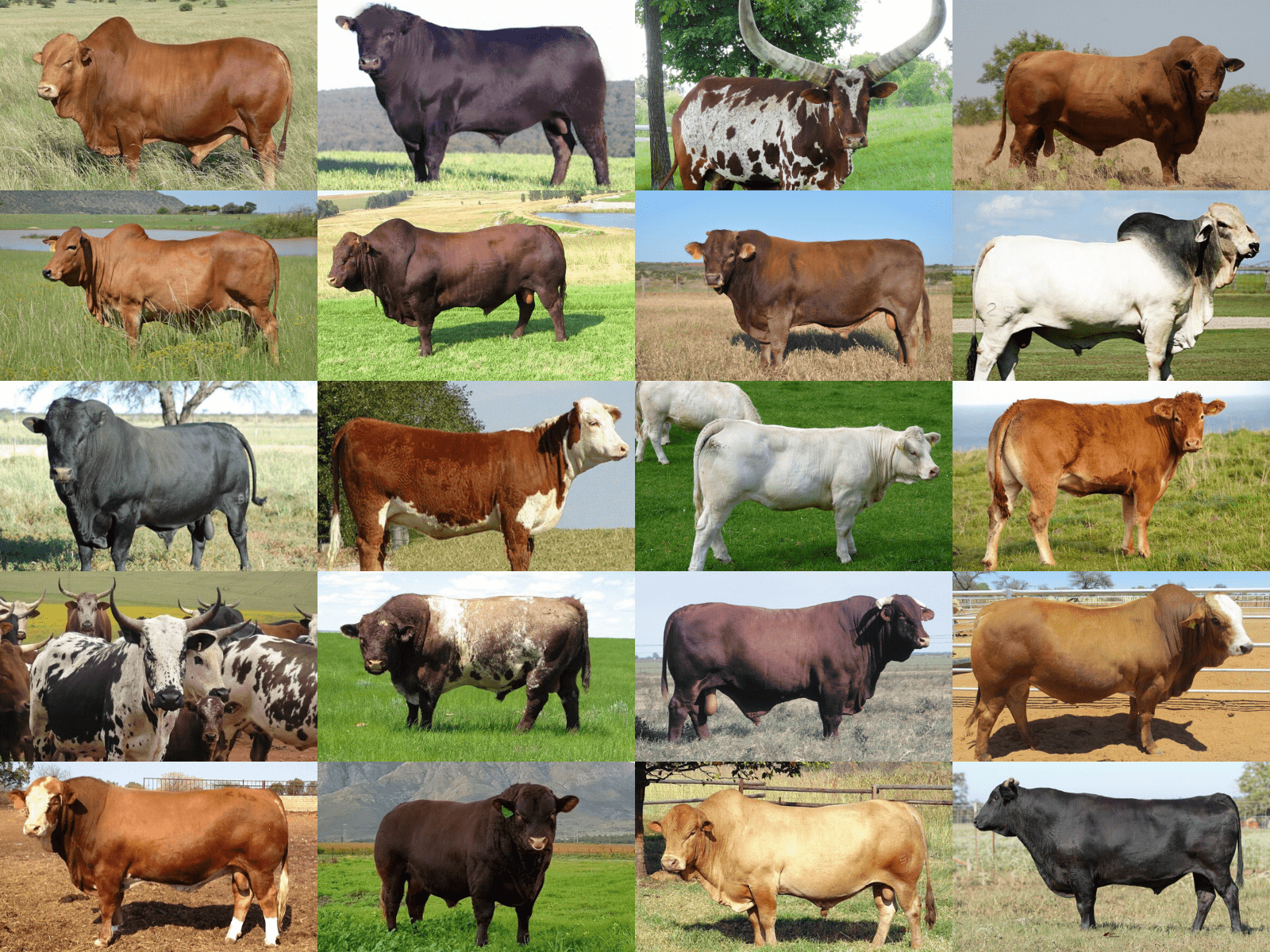
There is no single “best” breed
South Africa’s beef industry is incredibly diverse. We have indigenous breeds, imported breeds and locally developed composites. Each comes with its own strengths. The real question is not which breed is best overall, but which breed works best for your environment, your farming system and your market. That is where most farmers either succeed or struggle.
Start with your environment
Your farm’s location should be your first guide. Climate, grazing quality and disease pressure all play a role in determining which animals will perform well. Indigenous breeds, for example, tend to cope better with heat, parasites and local diseases. They are generally more adaptable and require less intensive management.
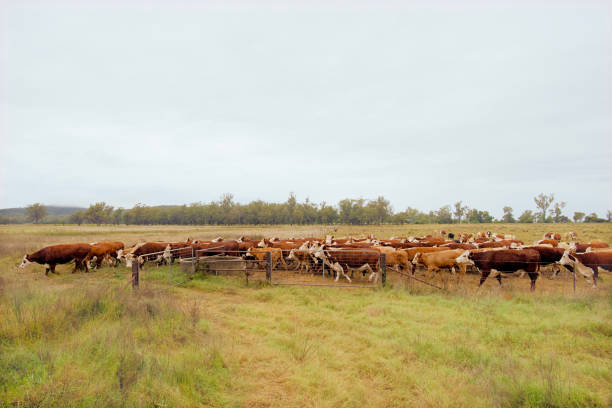
On the other hand, larger-framed breeds may perform better in feedlots, but they also require more feed and higher input costs. In harsher environments, smaller to medium-framed animals often make more sense. They are more efficient, easier to maintain and better suited to extensive grazing systems. Winter is always the test. When grazing quality drops, proper supplementation becomes critical. A good protein lick is not optional. It is essential for maintaining animal health, growth and reproduction.
Know your market before you choose your breed
Many farmers make the mistake of choosing a breed based on popularity or appearance. But the market ultimately decides what is profitable. If your goal is to supply feedlots, your calves must meet certain expectations. Growth rate, feed conversion and weaning weight all matter. Feedlots are looking for animals that grow quickly and efficiently, often targeting daily gains of around 1.5 kg or more.
Even factors like coat colour can influence price in some markets. If you are supplying directly to abattoirs, then carcass quality becomes more important. Fat cover, marbling and final weight all come into play. In short, your breed choice must align with what the market is willing to pay for.
Breeding strategy matters just as much
You have two main options: pure breeding or crossbreeding. Pure breeding gives you consistency, but crossbreeding offers flexibility and performance advantages. Many farmers use crossbreeding to improve efficiency, especially when working with smaller-framed cows.
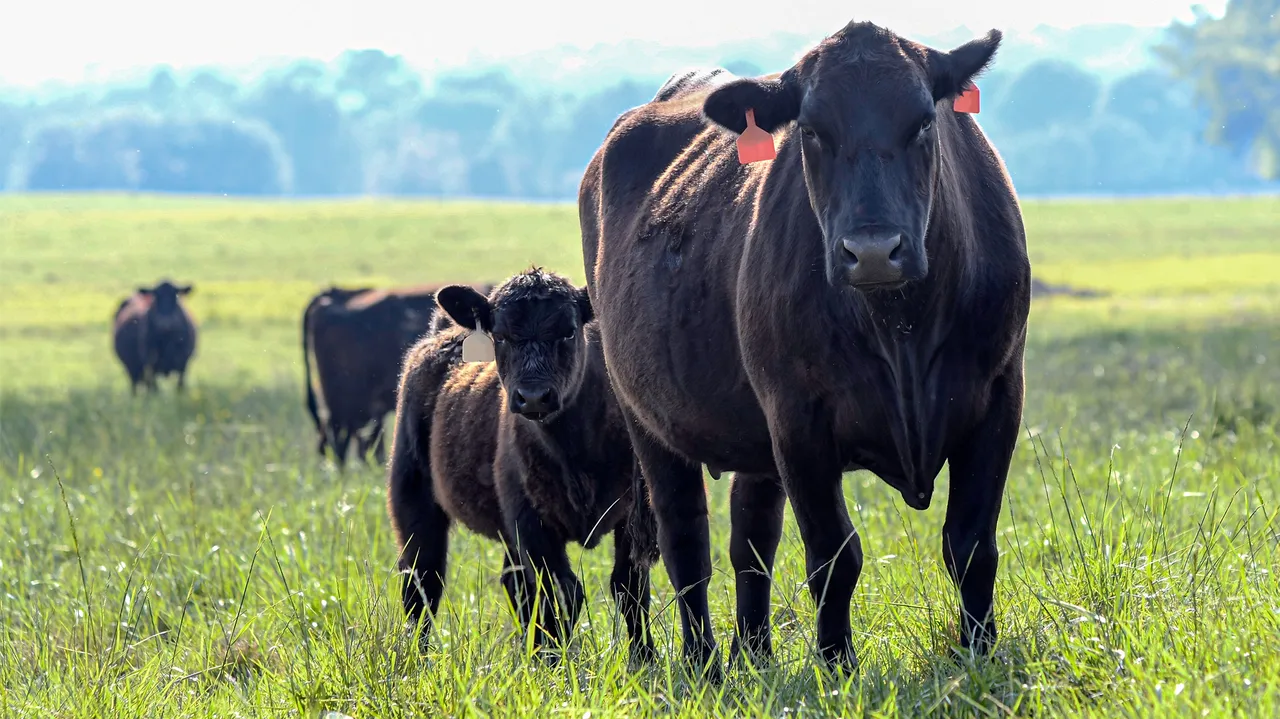
By pairing smaller cows with larger-framed bulls, you can produce calves that perform well in feedlots without dramatically increasing maintenance costs. Composite breeds already carry this advantage through heterosis, which improves traits like growth and fertility. One important rule: it is far easier to change a bull than to change your entire herd. Choose your bull carefully.
Understanding terminal breeding
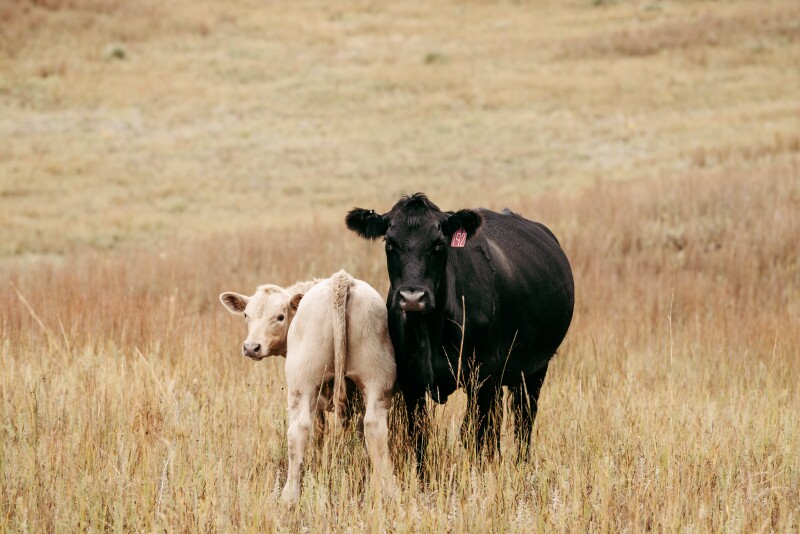
For farmers focused on production efficiency, terminal crossbreeding is a powerful tool. Terminal sires are selected for strong growth traits. Their offspring grow faster and reach higher weaning weights, making them ideal for the commercial market. However, these animals are not suitable for breeding. They are meant for slaughter, not herd replacement. Used correctly, this strategy can significantly improve profitability.
Keep your costs in check
Profitability is not just about output. It is about managing input costs.Before buying breeding stock, consider:
Availability of quality bulls in your area
Cost of breeding animals
Market demand for specific breeds
Auction data can be a useful indicator. It shows which breeds are popular, what prices they achieve and how strong the demand is.
So, what is the best breed?
There isn’t one.
The best breed is the one that:
thrives in your environment
fits your grazing system
meets your market’s demands
and keeps your costs sustainable
In South Africa, adaptability is everything. Choose wisely, and your herd will work for you. Choose poorly, and it will cost you for years to come.
This article was first published in the ARC-Animal Production 2026 publication.