By Kate Congreves
“Sustainable” has become one of those words we hear almost everywhere. It is used to describe the clothes we buy, the energy we use and the way we are encouraged to live. Food and farming are no different. But lately, another term has been gaining ground: regenerative agriculture.
It sounds promising, even more ambitious than sustainability. It suggests something more active, more hopeful. But what does it actually mean, and is it just a new buzzword or a genuinely better way to think about farming?
Regenerative agriculture originated as a farmer-led, grassroots approach to food production. While people define it in different ways, one thing is clear: it is rooted in values. The word itself appeals because it suggests more than simply keeping things going. It points to improvement, to repair, to rebuilding. That matters because for many people, regenerative agriculture is not only about fixing the land. It is also about rethinking how we value nature, food and farming.
At its heart are ideas such as caring for the environment, respecting nature and producing good food in ways that work with the land rather than against it. That may sound simple, but it shifts the conversation in an important way. For a long time, agriculture has often been shaped by science, technology and production targets, without always asking the deeper question: what is actually good for people, for the land and for the future?
This is where ethics comes in. Ethics is about how we decide what is right, wrong, good or harmful. And that may be one of the missing pieces in modern agriculture. There have long been environmental ideas that encourage people to care for nature, protect ecosystems and conserve land. These have helped shape important conservation movements around the world. But they often work best when land is being protected from use, not when it is actively being farmed.
The challenge is that agriculture is not separate from nature. It is part of it. That is why regenerative agriculture matters. It offers a way of thinking about farming that places the environment at the centre, not on the sidelines.
In this view, land, soil, water, air, plants and animals are not simply resources to be used. They are all part of a living system that supports life. Farming, then, should not damage or weaken that system. It should work in a way that helps restore and strengthen it.
This does not mean agriculture leaves no mark. Farming will always change the landscape to some extent. But regenerative thinking draws a line where those changes become destructive, where ecosystems are damaged, degraded or broken. That is the difference. Regeneration is not just about producing food more efficiently. It is about making sure the systems that support life remain healthy.
This way of thinking can also strengthen other movements such as agroecology, which looks at food systems in a broader social, political and environmental way. A clearer environmental ethic within agriculture could help push that agenda further. The problem is that regenerative agriculture is increasingly being flattened into something far less meaningful.
Instead of being treated as a deep shift in how we farm, it is often marketed as a simple checklist. Plant more cover crops. Diversify. Improve soil health. These are all useful ideas, but when they are stripped of context and values, the concept loses its power. That is why some researchers and experts have warned that regenerative agriculture is being watered down or co-opted, especially when large agrifood companies use it more as a branding tool than a real commitment to change.
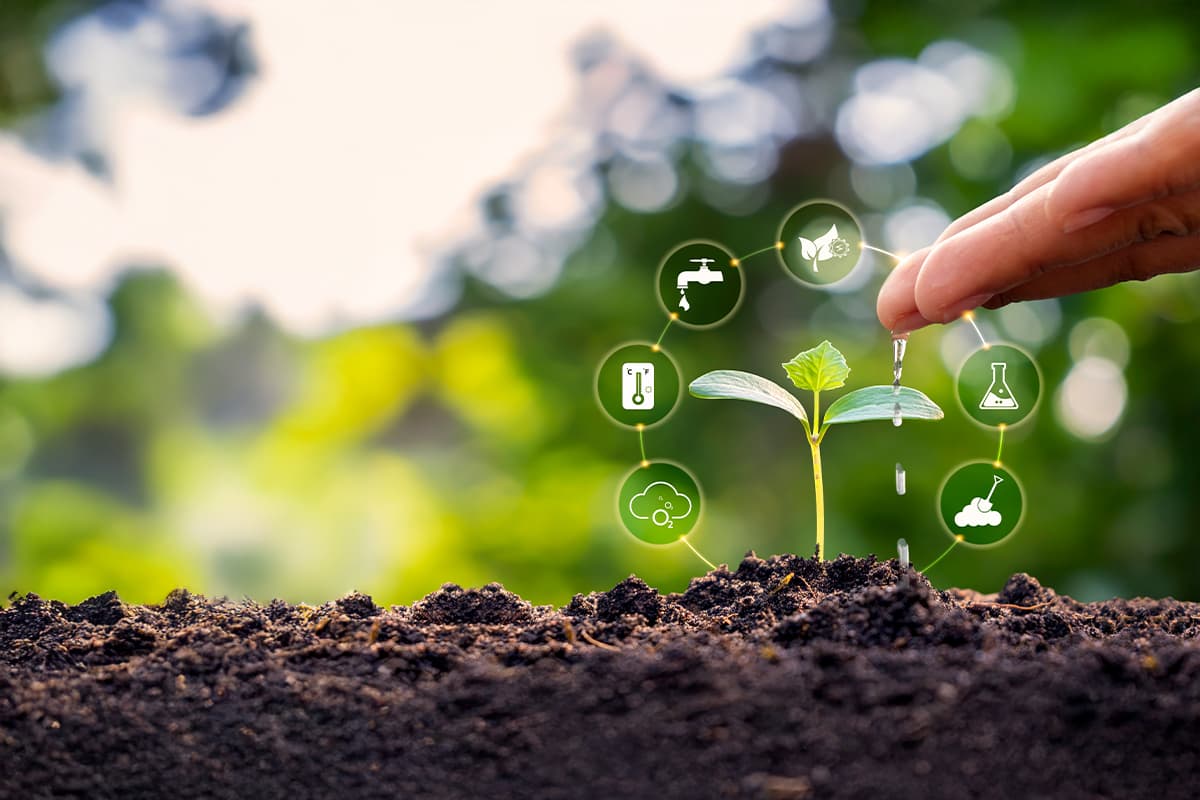
And that is the real risk. If regenerative agriculture becomes just another trendy label, then its promise fades. But if it remains grounded in its original values, care, reciprocity, responsibility and renewal, it could help shape a healthier farming system and a more resilient future. In the end, the shift from sustainable to regenerative is not only about language. It is about whether farming is simply trying to do less harm, or whether it is prepared to actively heal, restore and give back.
Adapted from an article first published by The Conversation. Kate Congreves is Associate Professor and Jarislowsky & BMO Research Chair in Regenerative Agriculture at the University of Saskatchewan.