By Jaron Porciello
Africa’s farmers know better than most that farming is never isolated from the rest of theworld. A conflict far from the farm gate can quickly affect input costs, planting decisions,harvests and ultimately what families are able to put on the table.
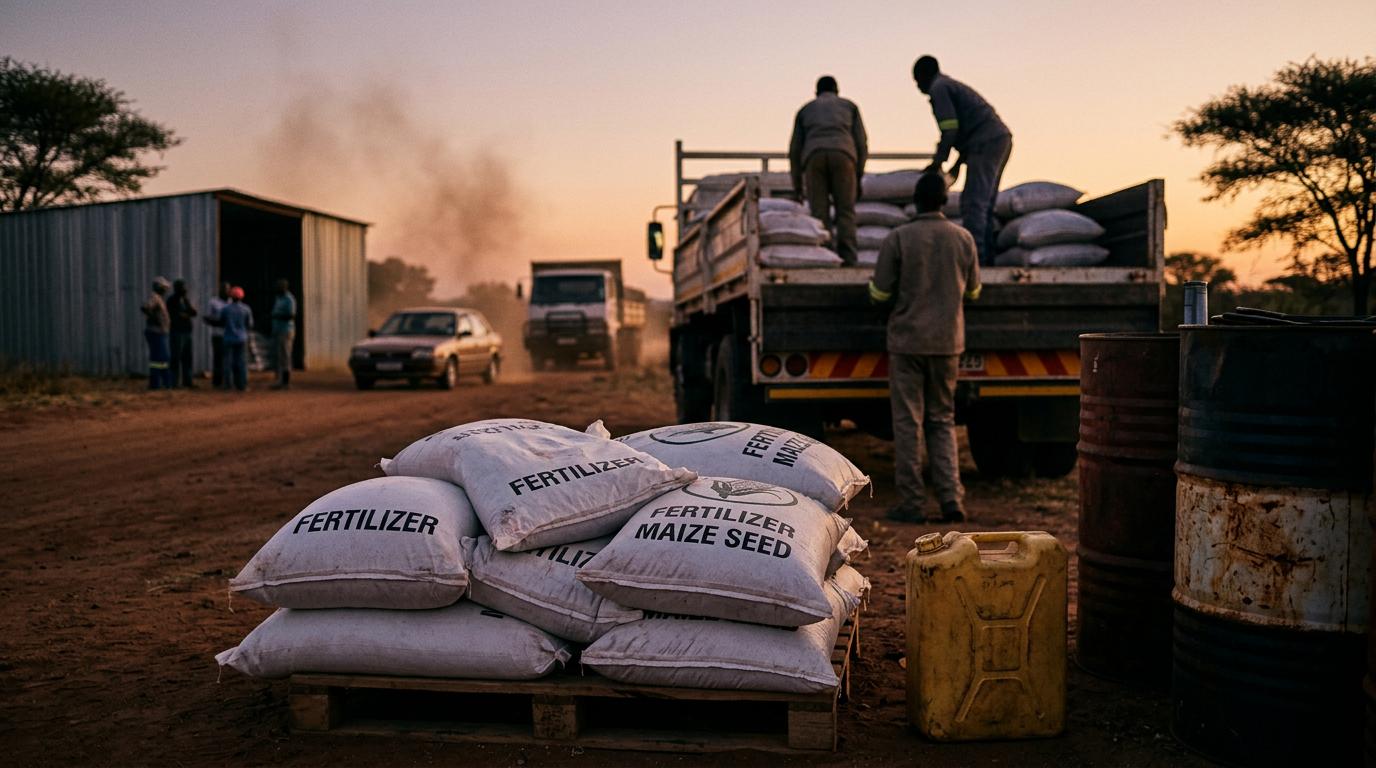
The latest concern is fertiliser. Sub-Saharan Africa imports about 80% of the fertiliser it uses, which leaves farmers exposed when global supply chains are disrupted. The conflict involving Iran has placed renewed pressure on fertiliser supplies, particularly urea, one of the key ingredients used in fertiliser. Iran is among the world’s major urea exporters, while Gulf countries play an important role in supplying fertiliser ingredients to global markets. Several African countries, including Nigeria, Ghana, Togo, Kenya and Tanzania, buy urea from Iran. Malawi, for example, imports a significant portion of its fertiliser from the Gulf.
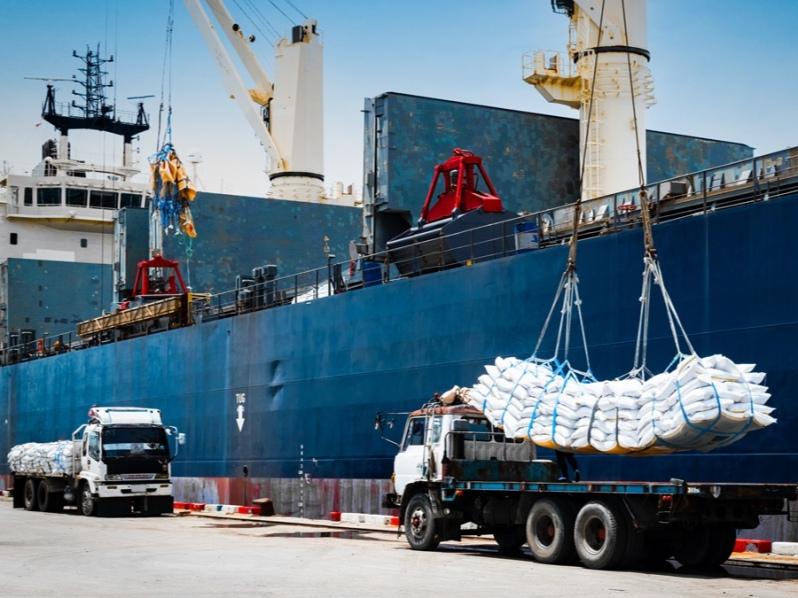
When supply is interrupted, the pressure moves quickly through the system. Prices rise. Farmers use less fertiliser. Yields can drop. Income tightens. Food becomes more expensive. For countries already dealing with climate stress, high food prices and pressure on household budgets, this becomes more than an input problem. It becomes a food security problem.
Africa has seen this before. Between 2020 and 2024, fertiliser supply chains were strained by the COVID-19 pandemic and the war in Ukraine. Many farmers responded by cutting back on fertiliser use, but that often came at a cost: lower harvests, weaker earnings and greater pressure on rural households.
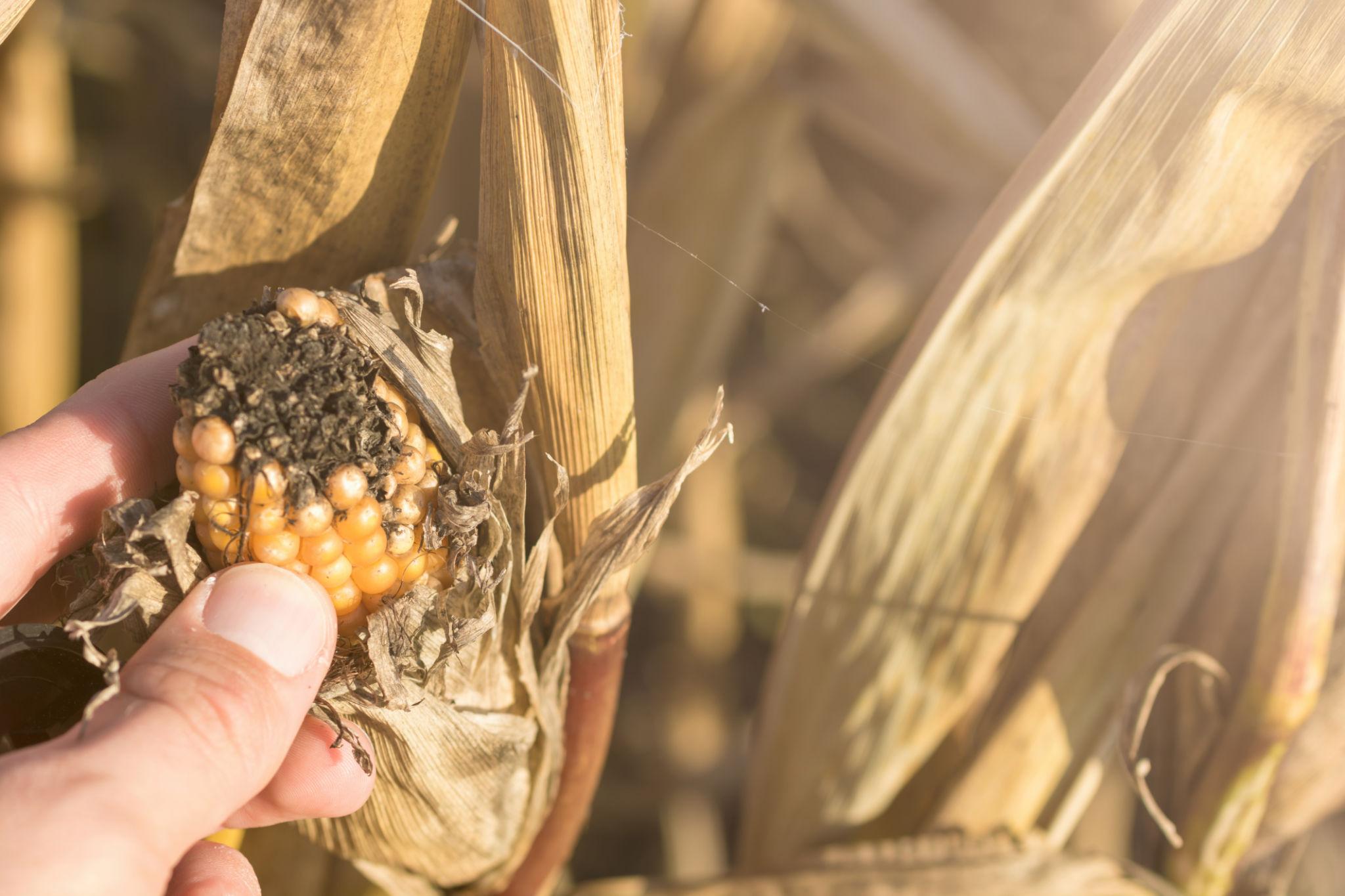
The current shock is a reminder that African food systems need to become less dependent on imported inputs and more resilient when global markets shift. That does not mean fertiliser is no longer important. It remains critical for many farmers, especially those producing staple crops at scale. But it does mean that agriculture cannot rely on fertiliser alone as the main route to productivity and food security.
A stronger system starts with diversity. For decades, many government programmes across the continent have focused heavily on staple crops such as maize, wheat and rice. These crops are important, but on their own they do not provide the full range of nutrients needed for healthy diets. When fertiliser becomes expensive or difficult to access, farmers and food systems that are too dependent on a narrow set of crops become more vulnerable.
This is where fruit, vegetables, pulses and agroforestry become important. Growing a wider range of crops can improve soil health, spread risk and provide more nutritious food. Pulses, for example, can help support soil fertility while also offering protein. Trees on farms can improve soil structure, provide shade, reduce erosion and offer additional products such as fruit, fodder or firewood.
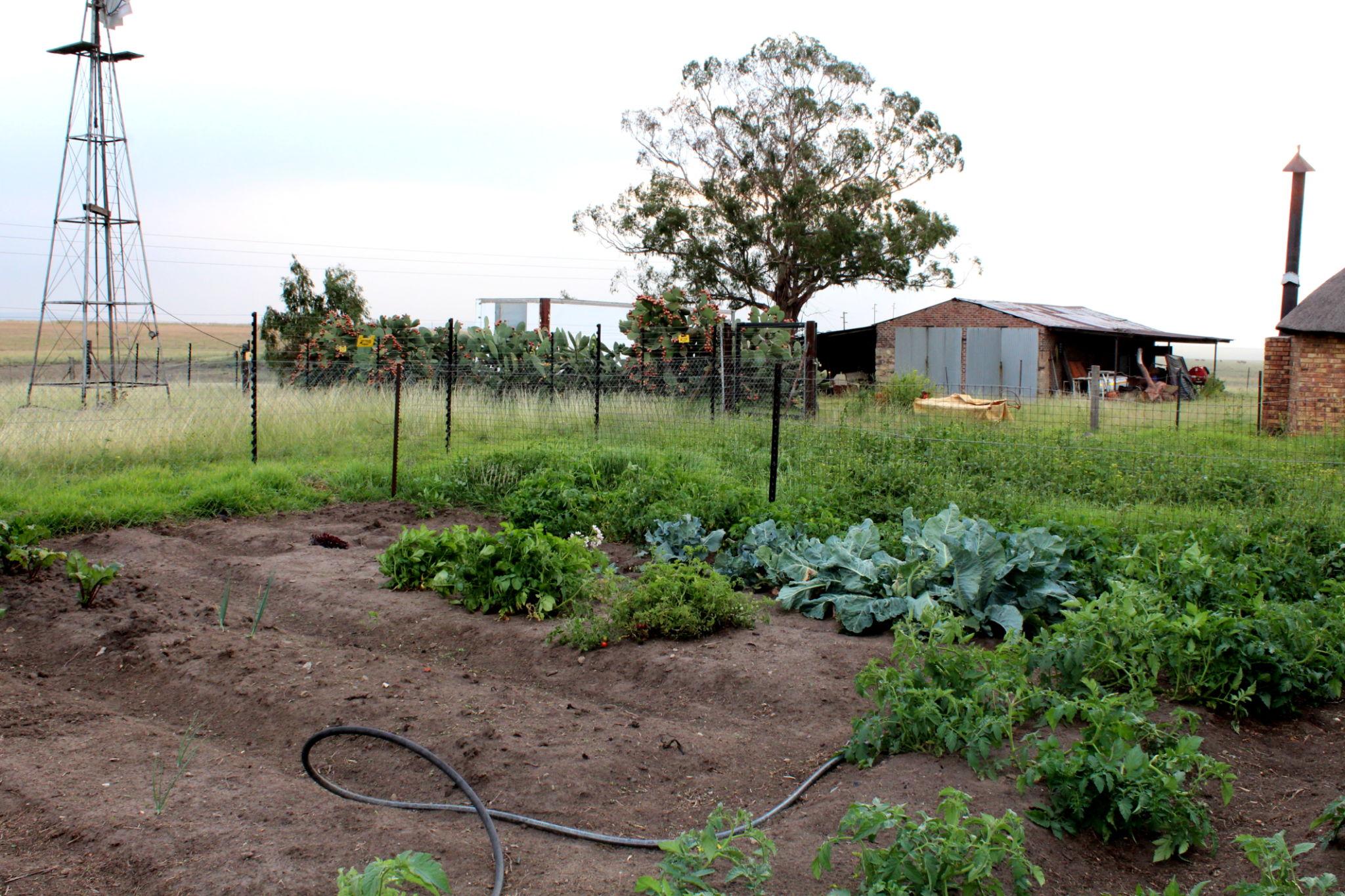
Home gardens also have a role to play, especially for households with limited land. When supported with practical training and nutrition education, they can improve access to fresh food and strengthen household food security. In many communities, small shifts in what is grown close to home can make a meaningful difference to daily diets.
Livestock, poultry and fish farming are also part of the answer. Sustainable aquaculture and small-scale livestock production can improve access to protein while creatingin come opportunities. These systems need support, but they are important in building food systems that are not overly dependent on one crop, one input or one market.
Biofortified crops offer another practical route. Examples include high-iron beans in Rwanda and orange-fleshed sweet potatoes in Mozambique, which are rich in vitamin A. These crops build nutrition directly into production, helping communities access more nutritious food from the start.
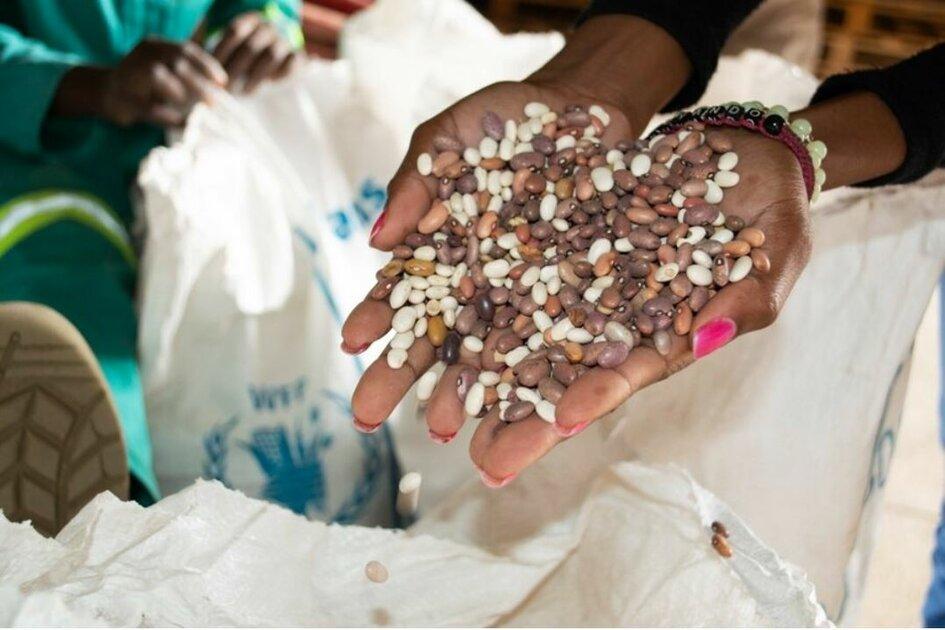
Better storage and distribution are just as important. In many African countries, food is produced but lost before it reaches consumers. Improving storage, transport and local market systems can reduce spoilage, protect quality and help farmers earn more from what they already produce.
Technology may also help farmers use fertiliser more wisely. Researchers are developing tools such as “reporter” plants that show visible signs when soil nutrients drop too low. One example is a tomato plant that turns red when nitrogen levels are critically low. This kind of innovation could help farmers apply fertiliser more precisely, reducing waste and saving money.

For African farmers, the lesson is clear. Fertiliser matters, but resilience matters more. The farms and food systems that cope best with future shocks will be those that combine good information, crop diversity, soil care, better storage, smarter technology and stronger markets.
The fertiliser crisis is not only a warning. It is also an opportunity to rethink how Africa grows food, not just for higher yields, but for healthier people, stronger rural economie sand more secure farming futures.
This article was first published on TheConversation.com.