By Staff Writer
As Youth Month draws to a close, encouraging advances in vehicle safety remind us that protecting children begins with more than technology. From choosing the right child seat to building lifelong safety habits, every family has the power to make every journey a little safer.
As South Africa reflects on Youth Month, there is at least one reason for optimism. Around the world, vehicle manufacturers continue to raise the bar for family safety, with Subaru recently earning some of the highest independent safety honours available. It is welcome news that reinforces an important truth: protecting children has become one of the automotive industry's greatest priorities.
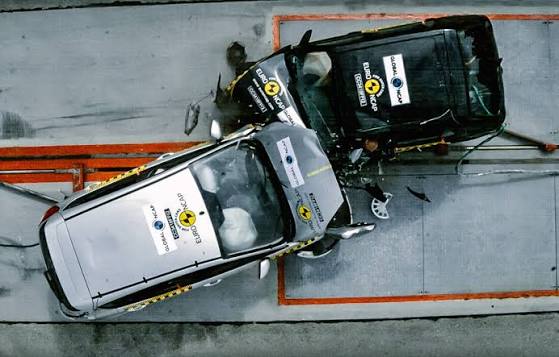
Independent crash testing has increasingly recognised advances in occupant protection and crash-avoidance technology, giving motorists greater confidence that today's vehicles are better equipped than ever to protect the people travelling inside them.
Yet even the most sophisticated engineering cannot replace the everyday decisions made by the person behind the wheel. For parents, grandparents and caregivers, keeping children safe on South Africa's roads starts long before the engine is switched on.
Every journey deserves the right protection
Choosing a vehicle with strong safety credentials is an important first step, but ensuring children are correctly restrained every time they travel is equally important.
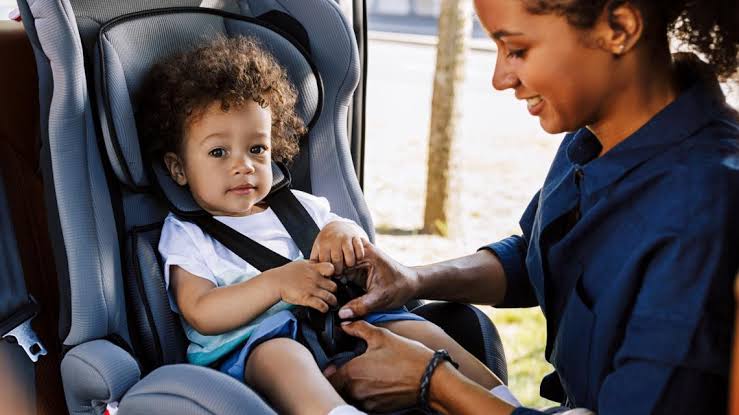
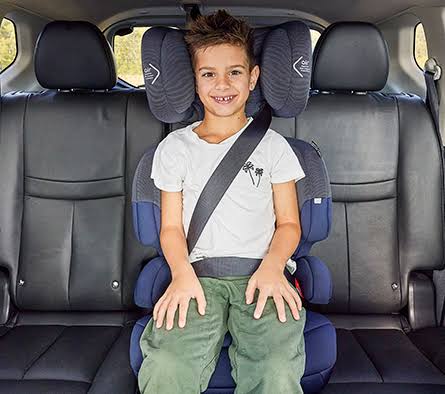
Research continues to show that child restraint systems dramatically reduce the risk of serious injury during a collision. A properly fitted child seat or booster is designed to protect a child's developing body in ways that an adult seatbelt simply cannot. Matching the restraint to a child's height, weight and stage of development gives it the best chance of performing as intended should the unexpected happen.
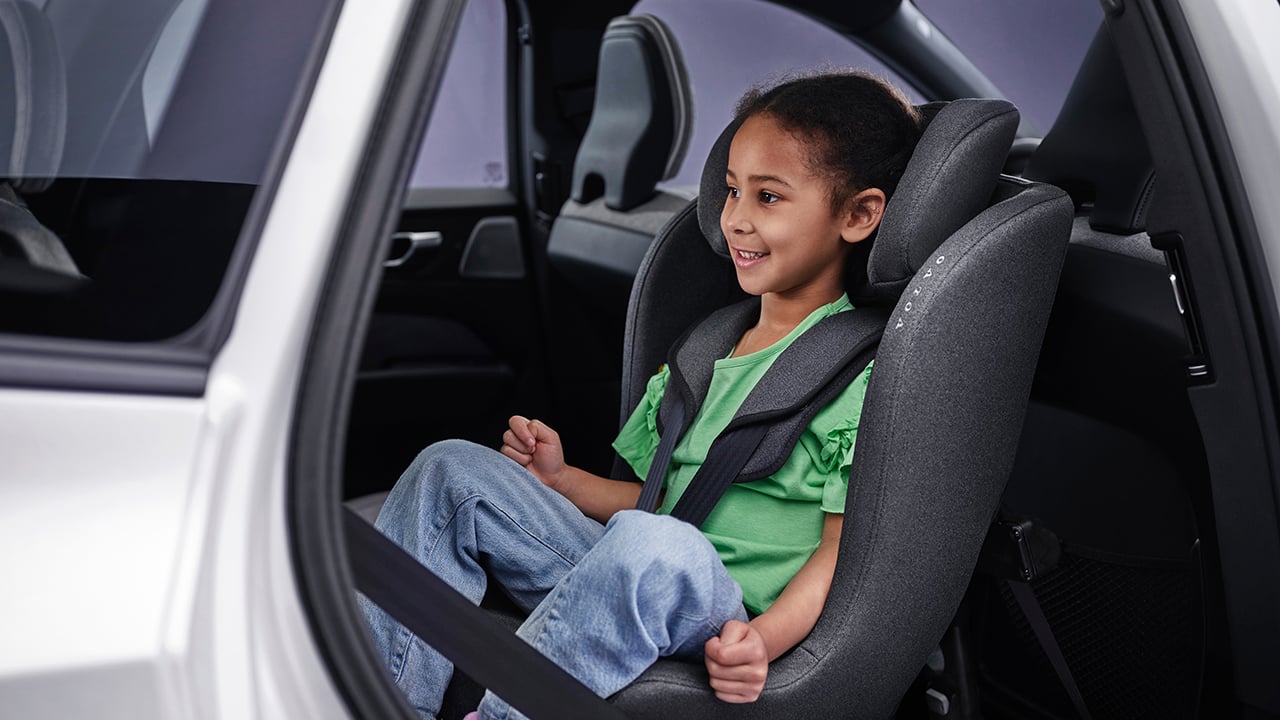
It is a simple habit that takes only moments, yet it remains one of the most effective ways to protect young passengers. Whether it's the school run, a weekend outing or a family holiday, every journey deserves the same level of care.
Safety technology works best when families do too
Modern vehicles are becoming increasingly intelligent. Features such as automatic emergency braking, lane-keeping assistance, adaptive cruise control and improved crash structures are helping drivers avoid collisions and better protect occupants when accidents do occur.
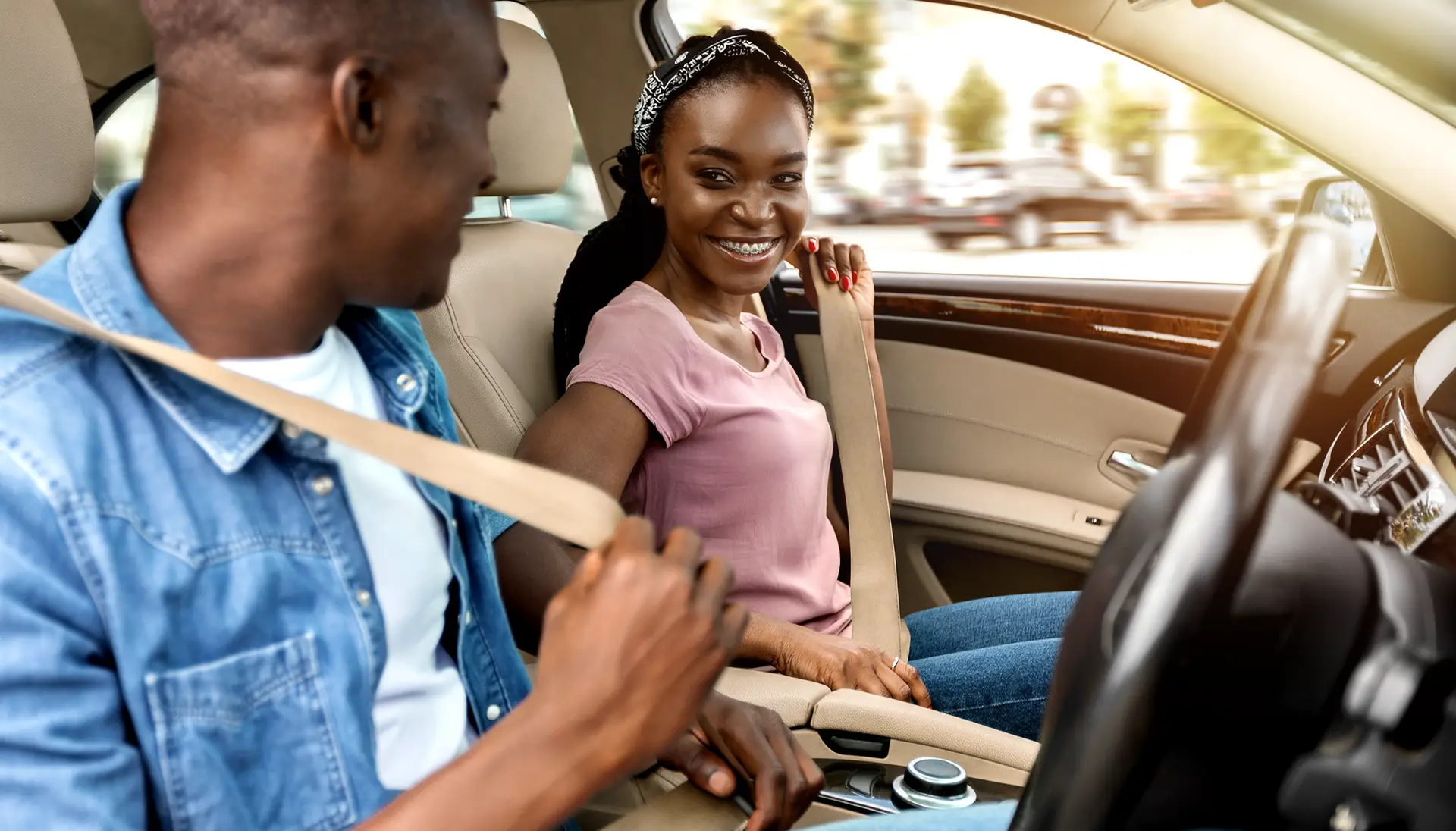
These innovations deserve to be celebrated, but they are designed to work alongside responsible driving, not replace it.
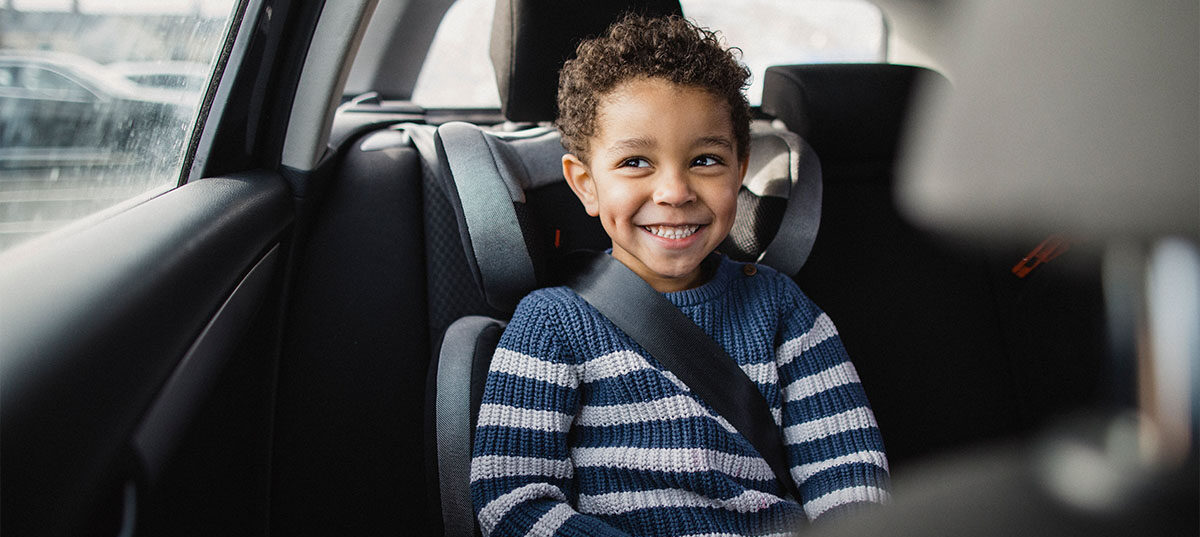
Children should always travel in the rear seats where possible, with harnesses correctly adjusted and seatbelts positioned securely across the body. Even the safest vehicle cannot fully protect an unrestrained passenger. Technology can assist the driver. Preparation protects the child.
Small checks make a lasting difference
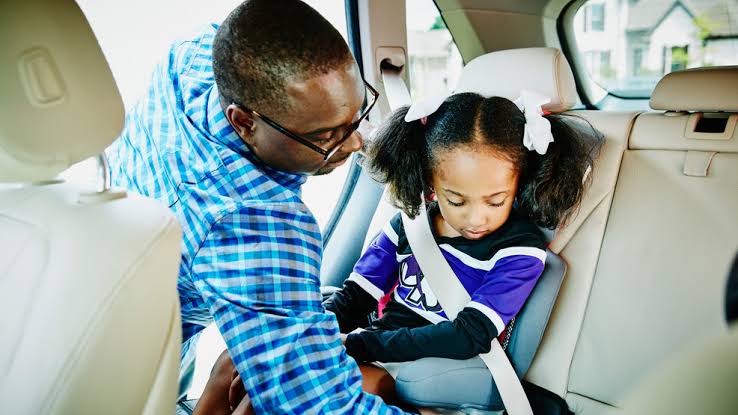
Many parents spend considerable time choosing a child seat but far less time checking whether it is still fitted correctly months later.
A restraint that moves excessively, loose harness straps or a seat that has been outgrown may not provide the protection it was designed to deliver. Taking a few minutes to check that everything still fits properly before setting off can make a significant difference.
It is equally important to ensure that child restraints meet the required South African safety standards and have not been damaged in a previous collision or simply deteriorated with age. Like many safety products, child seats have a lifespan and should be replaced when they are no longer fit for purpose.
Building a culture of safer travel
Creating safer roads is not only about the vehicles we buy. It is also about the habits we build and the example we set for the next generation.
Donating an outgrown child seat may seem like a small gesture, but for another family it could become the difference between travelling safely and travelling without the protection every child deserves.
As Youth Month comes to a close, perhaps the greatest investment we can make in young people is not found in the latest vehicle technology alone. It is found in the everyday choices we make before every school run, every family holiday and every trip to the shops.
Those small moments of care shape safer roads for everyone.
Because safer roads are built together. Not through judgement, but through awareness, confidence and shared responsibility.