By Aurelia Mbokazi
As food prices continue to climb and household budgets come under increasing pressure, many South Africans are beginning to look at their gardens, patios and even balconies a little differently. What was once simply an outdoor space is increasingly becoming an opportunity to grow fresh produce, reduce grocery bills and, for some, generate an additional source of income.
Urban farming is no longer reserved for passionate gardeners or environmental enthusiasts. Around the world, cities are embracing small-scale food production as a practical response to rising living costs, climate uncertainty and growing concerns about food security. South Africa is beginning to follow that trend, with innovative organisations proving that agriculture does not always require hectares of land or expensive equipment to make a meaningful impact.
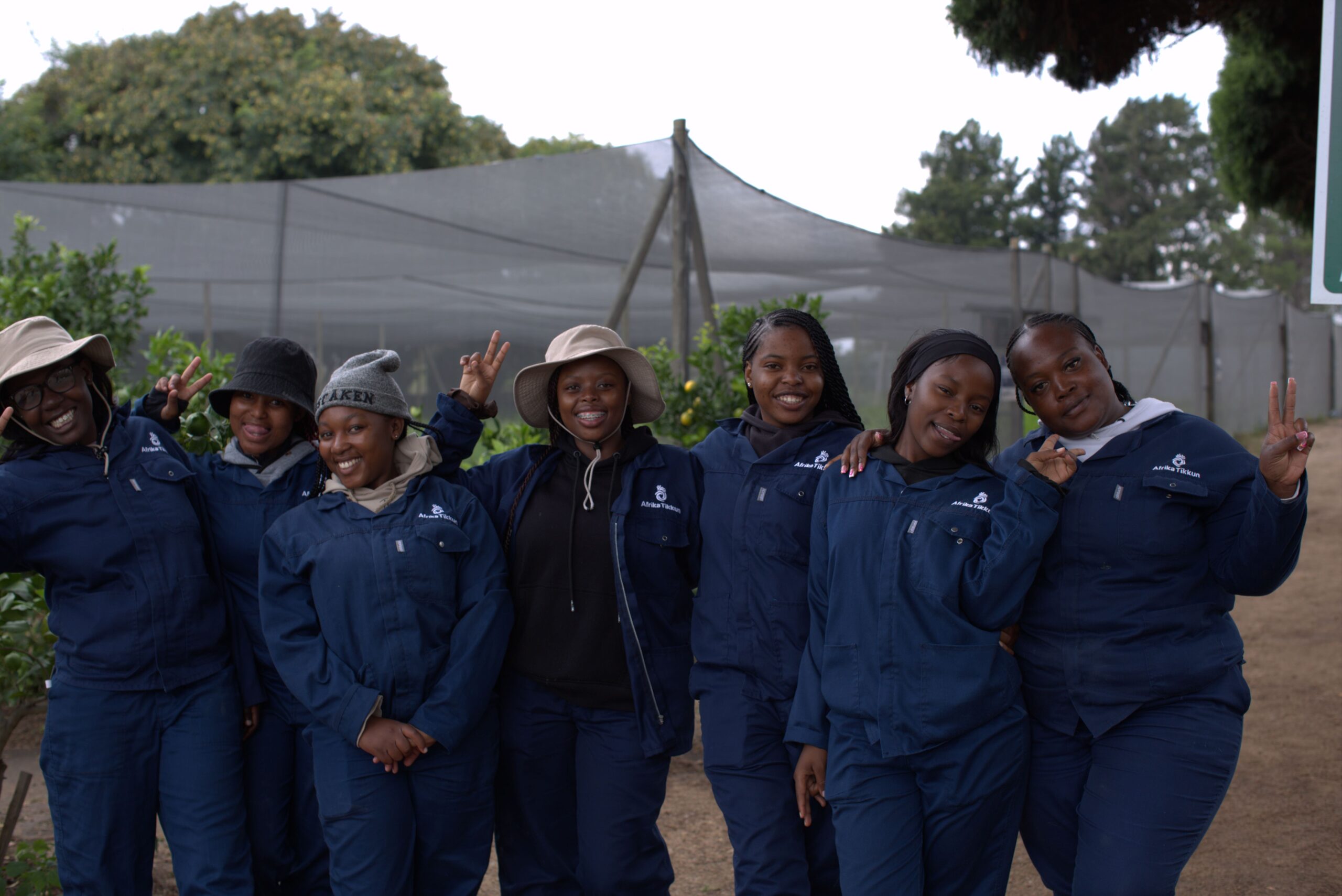
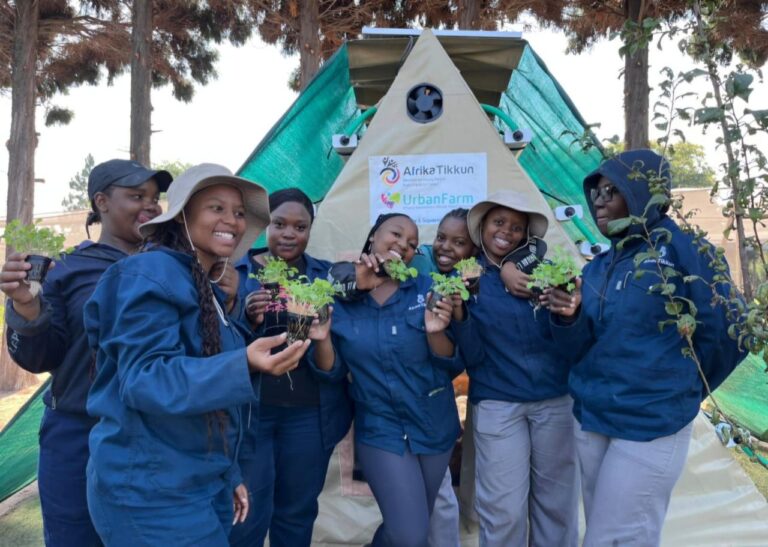
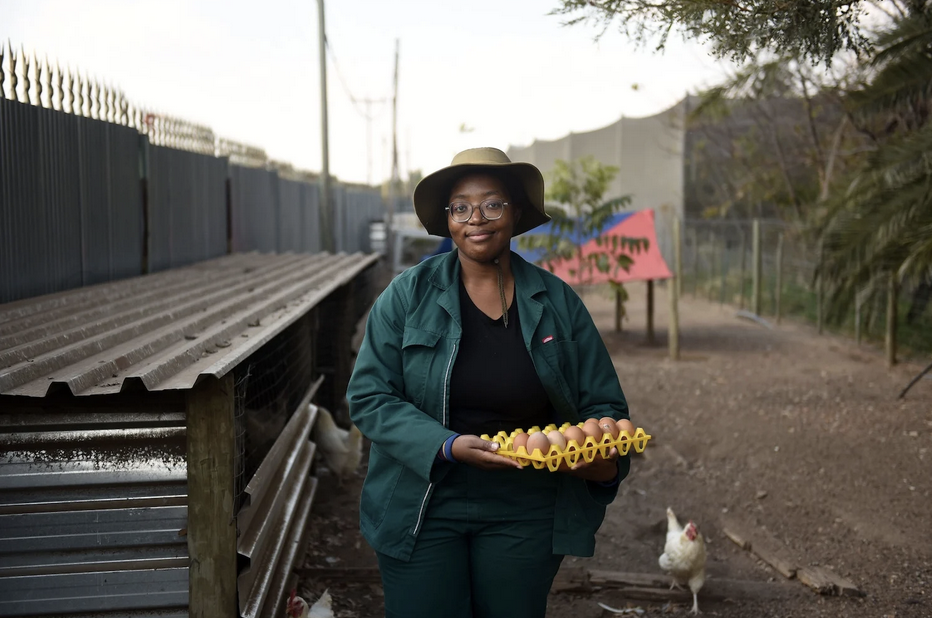
The recent launch of Afrika Tikkun's Green Acres Hydro-Coop pilot in Diepsloot is one example of how urban agriculture is evolving. The programme is equipping young entrepreneurs with the skills, technology and business knowledge needed to build sustainable micro-farming enterprises using compact, resource-efficient farming systems.
Farming is changing and so is the farmer
For many people, farming still conjures images of vast fields, tractors and rural communities. Today's agriculture tells a very different story.
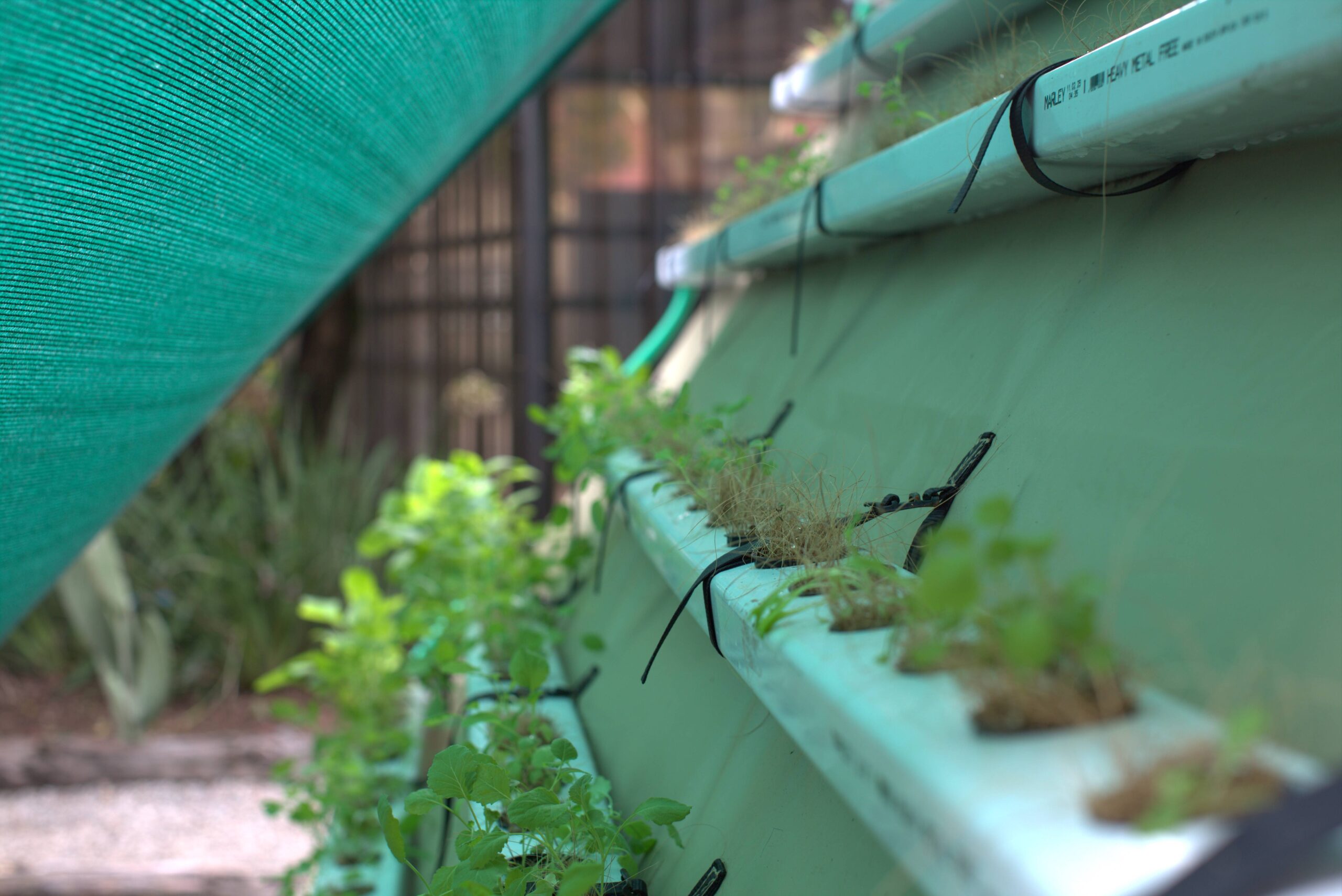
Advances in technology, hydroponics and space-efficient growing methods have made it possible to produce fresh vegetables in surprisingly small spaces. Backyards, rooftops, courtyards and unused corners of suburban properties can all become productive growing areas with careful planning and consistent care.
This shift has opened agriculture to a new generation of growers. Young entrepreneurs, retirees, families and working professionals are discovering that growing food can become both a rewarding hobby and a practical investment in household resilience.

The Green Acres initiative demonstrates this changing landscape by introducing participants to modern farming systems that combine hydroponic vegetable production with poultry farming in compact, solar-powered units that require significantly less water than conventional farming methods.
Start with your family's table
One of the biggest misconceptions about urban farming is that every garden needs to become a business from day one.
In reality, the most successful small growers often begin by focusing on something much simpler: feeding their own families.
Growing spinach, lettuce, herbs or spring onions at home means fewer trips to the supermarket and access to fresh produce harvested just minutes before a meal. Overtime, as confidence grows and harvests become more consistent, many households find themselves with enough surplus to share with neighbours, supply local community groups or sell informally within their neighbourhood.
Urban farming doesn't have to replace a full-time income to make a meaningful difference. Even modest savings on weekly groceries can help households better manage rising living costs.
Winter is the perfect time to begin
While many people assume gardening begins in spring, South Africa's winter offers excellent conditions for a variety of vegetables.
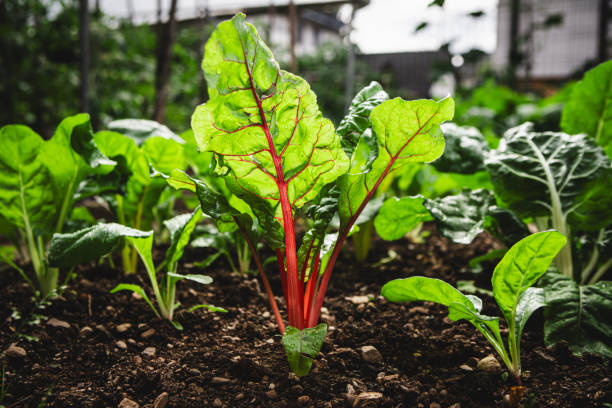
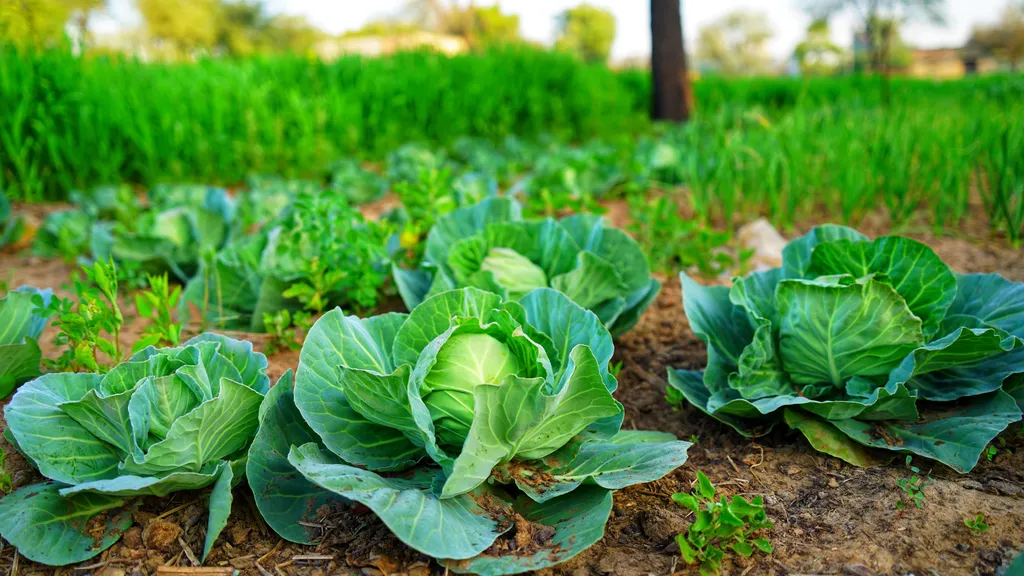
Leafy greens such as spinach, Swiss chard and lettuce perform well during the cooler months, while cabbage, broccoli, cauliflower, beetroot, onions, peas and garlic are also well suited to winter growing in many parts of the country.
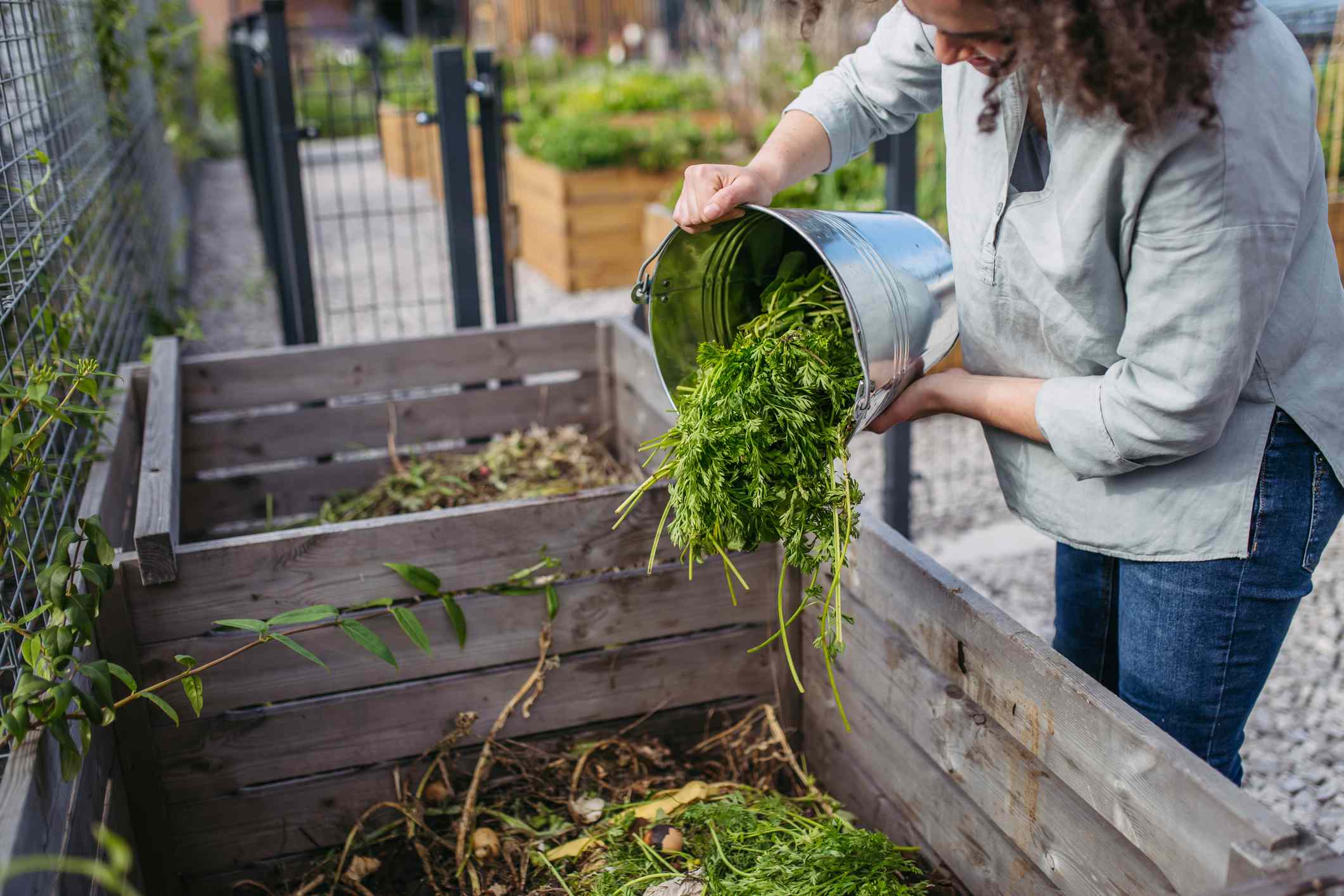
The slower pace of winter also gives beginner gardeners an opportunity to develop healthy soil, establish composting habits and prepare growing spaces before the warmer spring season arrives.
By the time temperatures begin to rise, those foundations will be in place for summer favourites such as tomatoes, peppers, cucumbers, beans and squash.
Small changes can produce big results
Starting an urban food garden does not require expensive infrastructure.
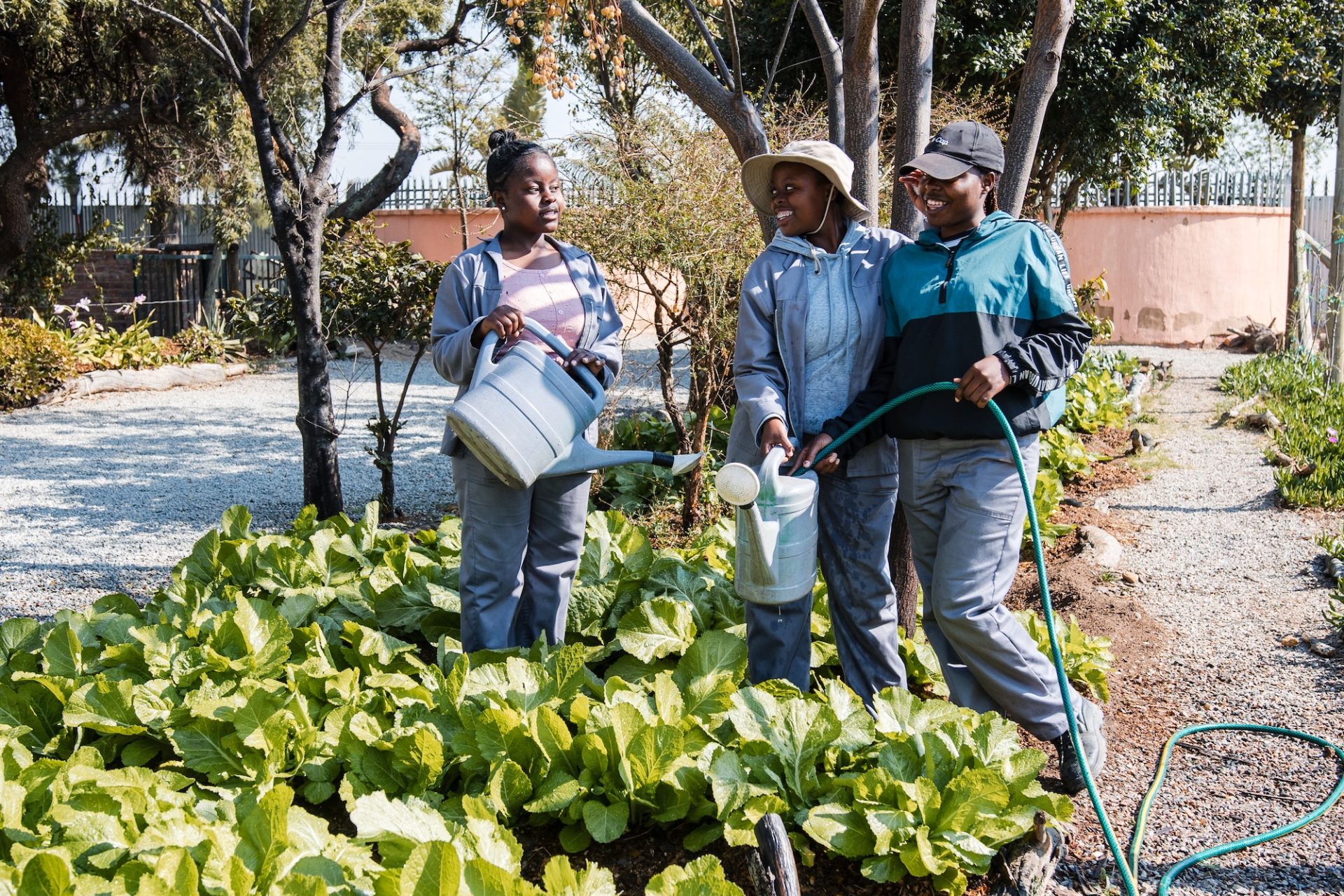
A sunny corner of the yard, recycled containers, quality compost and reliable watering habits are often enough to produce impressive results. Many successful home gardeners begin with recycled buckets, grow bags or raised beds before gradually expanding their gardens over several seasons.
Choosing vegetables that your household already enjoys eating also makes practical sense. Produce is less likely to go to waste, while the satisfaction of harvesting ingredients for everyday meals often encourages families to continue growing. Water management is equally important. Collecting rainwater where possible, watering during the cooler hours of the day and applying mulch around plants can significantly reduce water consumption while improving plant health.
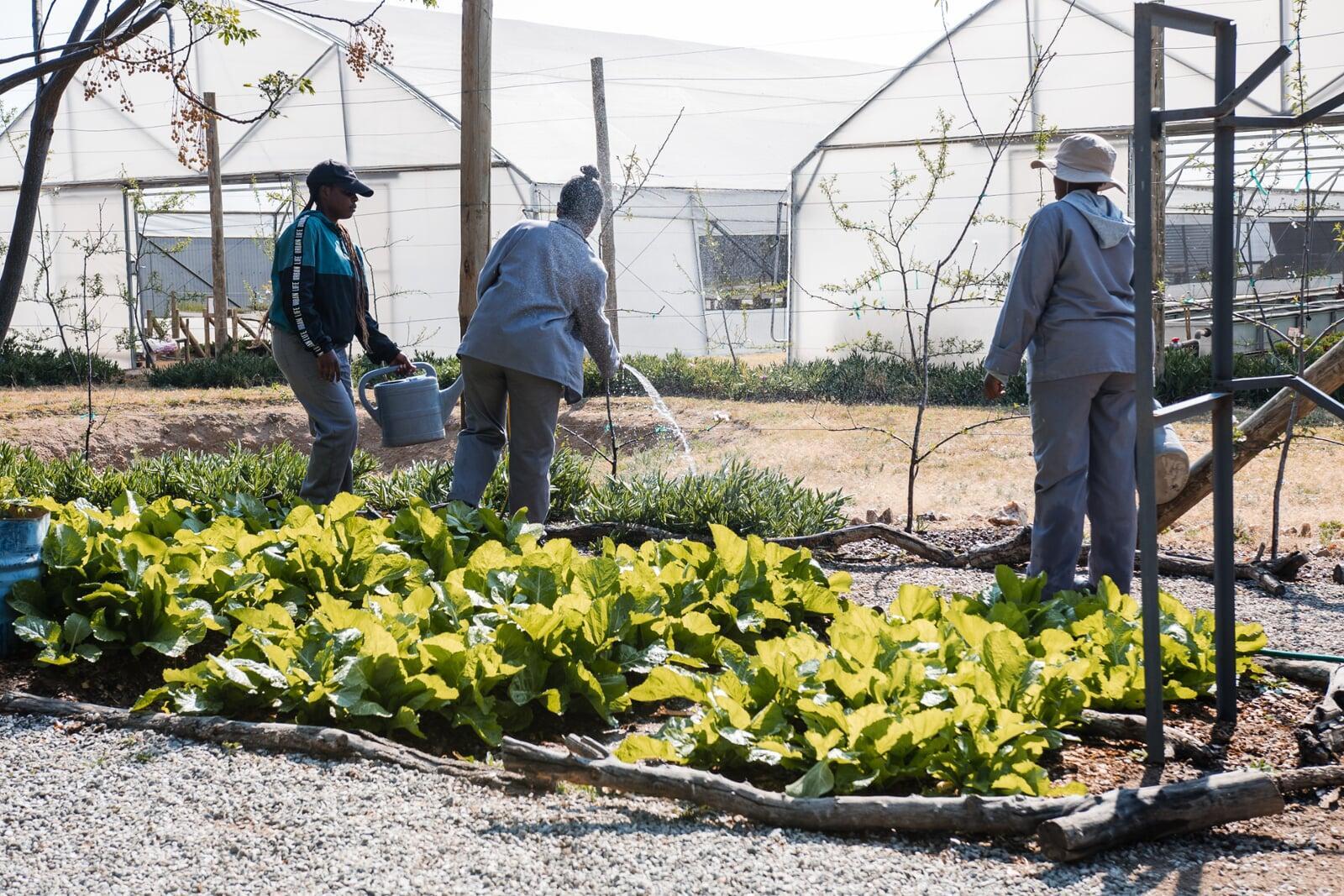
Growing communities, not just vegetables
Urban farming has benefits that extend well beyond individual households.
Community gardens, school food projects and neighbourhood growing initiatives are becoming increasingly important sources of fresh produce while also strengthening local connections. They create opportunities for skills development, environmental education and entrepreneurship, particularly among young people seeking alternative career pathways.
This broader impact is reflected in initiatives such as Afrika Tikkun's Green Acres programme, where participants receive practical agricultural training alongside business development, mentorship and access to markets.
Rather than focusing solely on food production, the programme encourages participants to become business owners capable of building sustainable livelihoods while contributing to local food security.
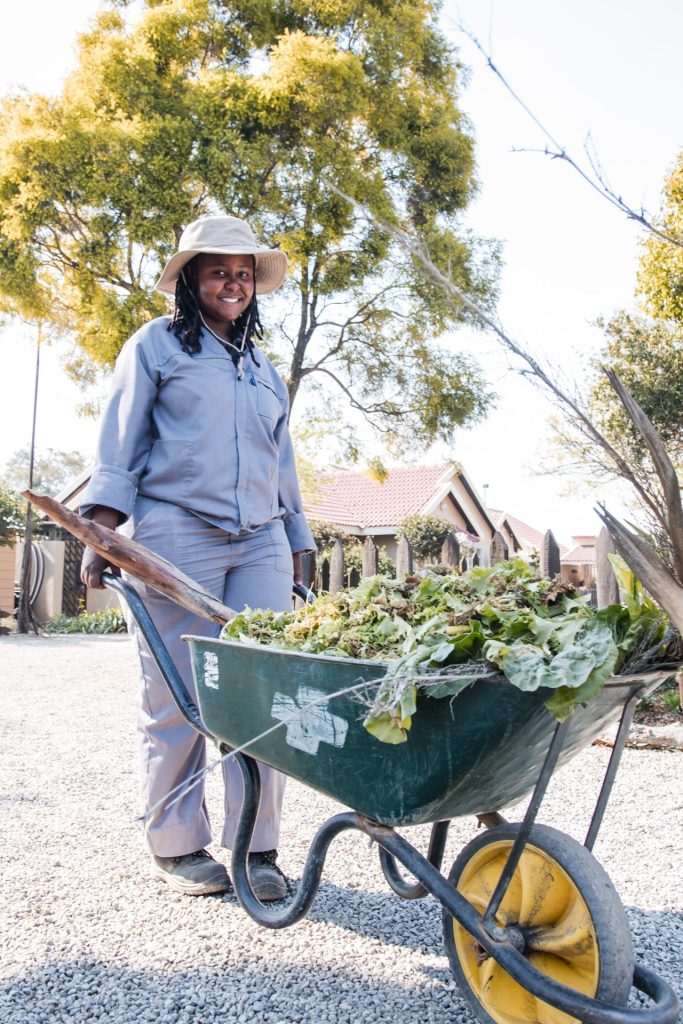
A seed worth planting
South Africa's food security challenges cannot be solved by commercial agriculture alone. They will increasingly require communities, households, schools and entrepreneurs to play their part in producing food closer to where people live.
Urban farming may not replace large-scale agriculture, but it has the potential to complement it in meaningful ways. Every balcony herb garden, backyard vegetable patch and neighbourhood growing project contributes to healthier communities, stronger local food systems and greater resilience.
Perhaps the biggest lesson is that you do not need a farm to become a farmer. Sometimes all it takes is a patch of sunlight, a handful of seeds and the willingness to start.