Staff Writer
The discovery of the bodies of nine women in Ekurhuleni over the past two months has shaken South Africa and once again brought the safety of women sharply into focus. Police are investigating the deaths, and while many questions remain unanswered, the cases have touched a nerve in a country already grappling with high levels of violence against women.
By now, many of us have read the headlines and followed the updates. But there is also room for a different conversation, one that does not dwell on how these women died, but considers how safely all of us are able to move through our everyday lives.
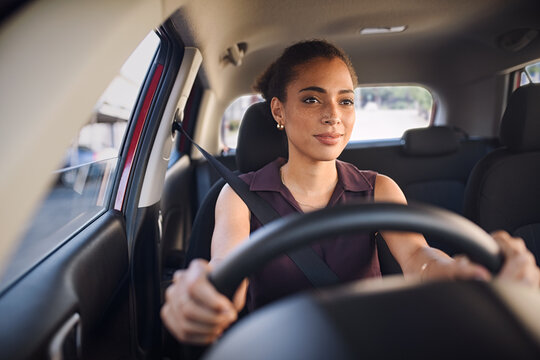
We leave work and walk to the car, stop for fuel, wait for an e-hailing ride, walk to the taxi rank, go for an early morning run or drive home after dinner with friends. These are ordinary journeys that should not require us to constantly plan for danger.

The responsibility for violence belongs to the person committing it. But giving ourselves more options when something does not feel right is worth considering.
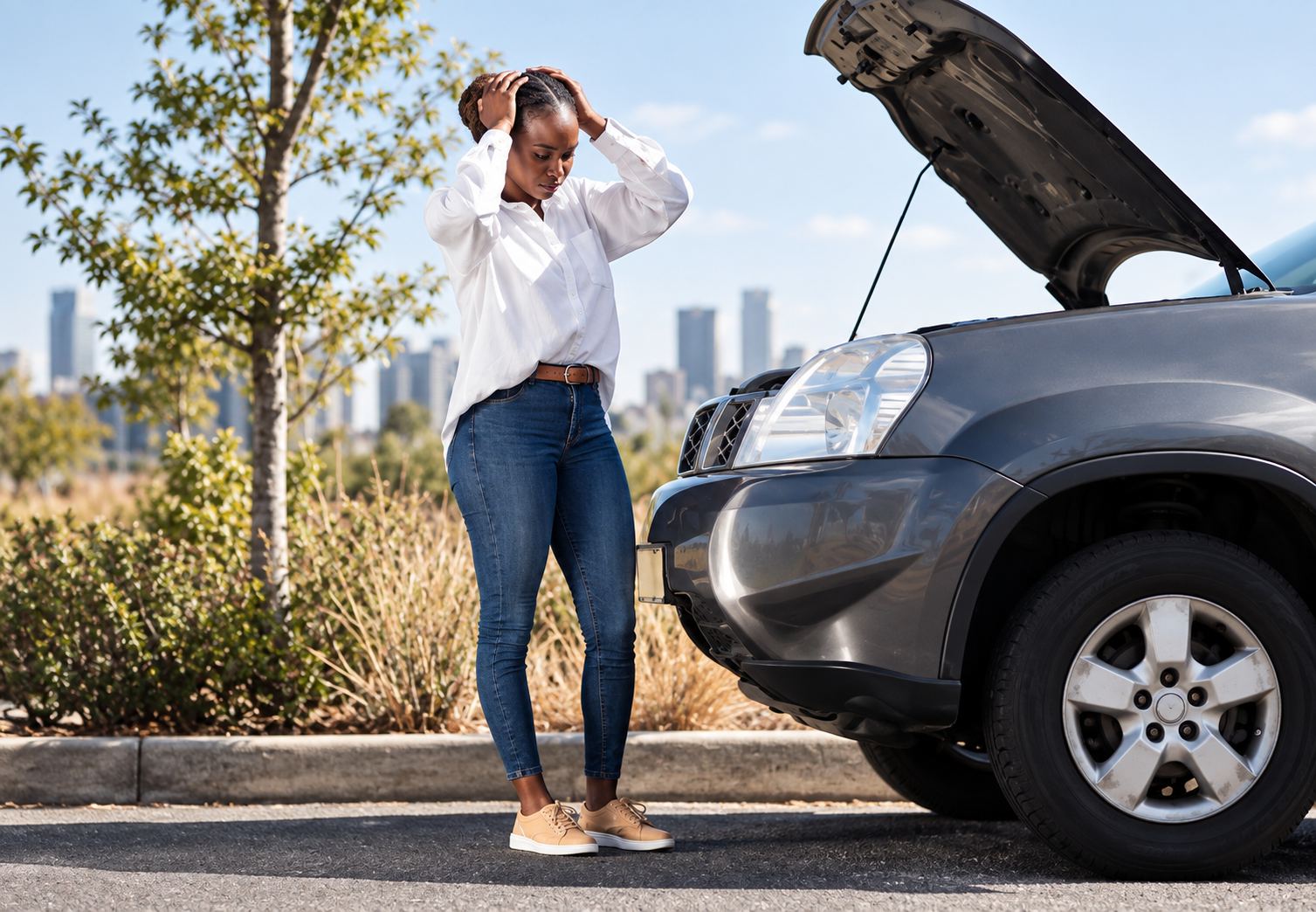
Just as we know what to do when a tyre blows or whom to call when the car breaks down, we should know what to do when the problem is not the vehicle, but what is happening around us.
Have a plan before you need one
Think about the journeys you make regularly. If you thought someone was following you while driving, where would you go? If your car broke down tonight, who would you call?If you felt uncomfortable walking towards your parked car, would you continue or return to a populated place and ask for assistance?
These questions are not about living in fear. They are about making some decisions before you are under pressure.
Save your roadside-assistance and emergency numbers. Know the police stations or other busy, well-lit places along routes you travel regularly. If you believe you are being followed, avoid driving home and head towards a secure, populated place where you can ask for help.
Use the safety tools you already have
Last week, the Automobile Association of South Africa announced free access to its armed-response service for women for 30 days from registration. Through the My AA app, users can request assistance using a mobile panic button when they feel unsafe, whether walking, travelling or in a car.
The AA acknowledges that this is not a solution to the broader problem of violence against women, but it does provide another safety tool.
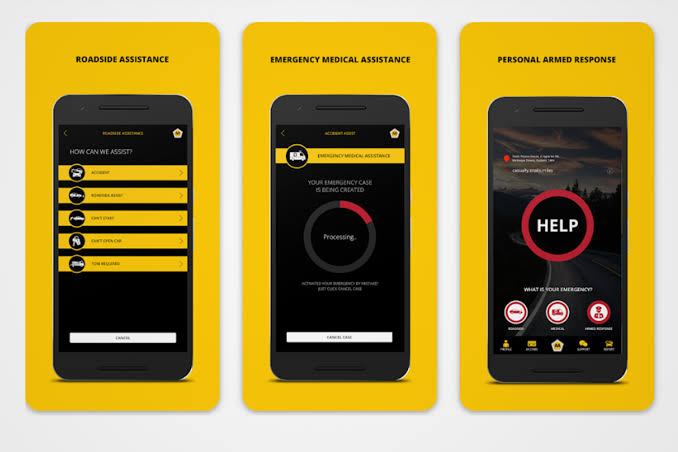
If you register, learn how the service works before you need it. Do the same with your phone's emergency SOS function, live-location sharing and any emergency-assistance features in your vehicle.
A safety feature is more useful when you already know how to use it.
Your car can be part of your safety plan
Before getting into your car, particularly in an unfamiliar or quiet parking area, look around rather than becoming absorbed in your phone. If something makes you uncomfortable, return to a shop, restaurant, office or security point and ask for assistance.
Keep enough fuel or charge for your journey, address mechanical problems that could leave you stranded and know how to contact your roadside-assistance provider.
When using e-hailing services, check that the vehicle and registration details match those supplied through the platform before getting in.
None of these actions guarantees safety. They simply give you more choices if circumstances change.

Safety belongs to all of us
This conversation has been brought sharply into focus by the deaths of women, but safer mobility concerns everyone, from the teenager walking home from school and the commuter waiting for transport to the runner, e-hailing passenger and motorist stranded beside the road.
Spend ten minutes thinking through your everyday journeys. Save the numbers you may need. Learn the safety functions on your phone and in your vehicle. Decide where you would go if going home was not the safest option.
Hopefully, you will never need that plan. But the middle of an emergency is a terrible time to start making one.