By Aurelia Mbokazi
For many young people, agriculture still means one thing: working on a farm. And if life on the farm does not appeal, it can be easy to assume there is little else in the sector for you. But follow what that farm produces and an entirely different world of careers opens up.
A head of cattle does not simply leave the farm and somehow become the steak, wors or burger we buy at the supermarket. Along the way are people working in meat inspection, processing, food safety, quality control, butchery and retail management.
Sammy Sethole is one of them.
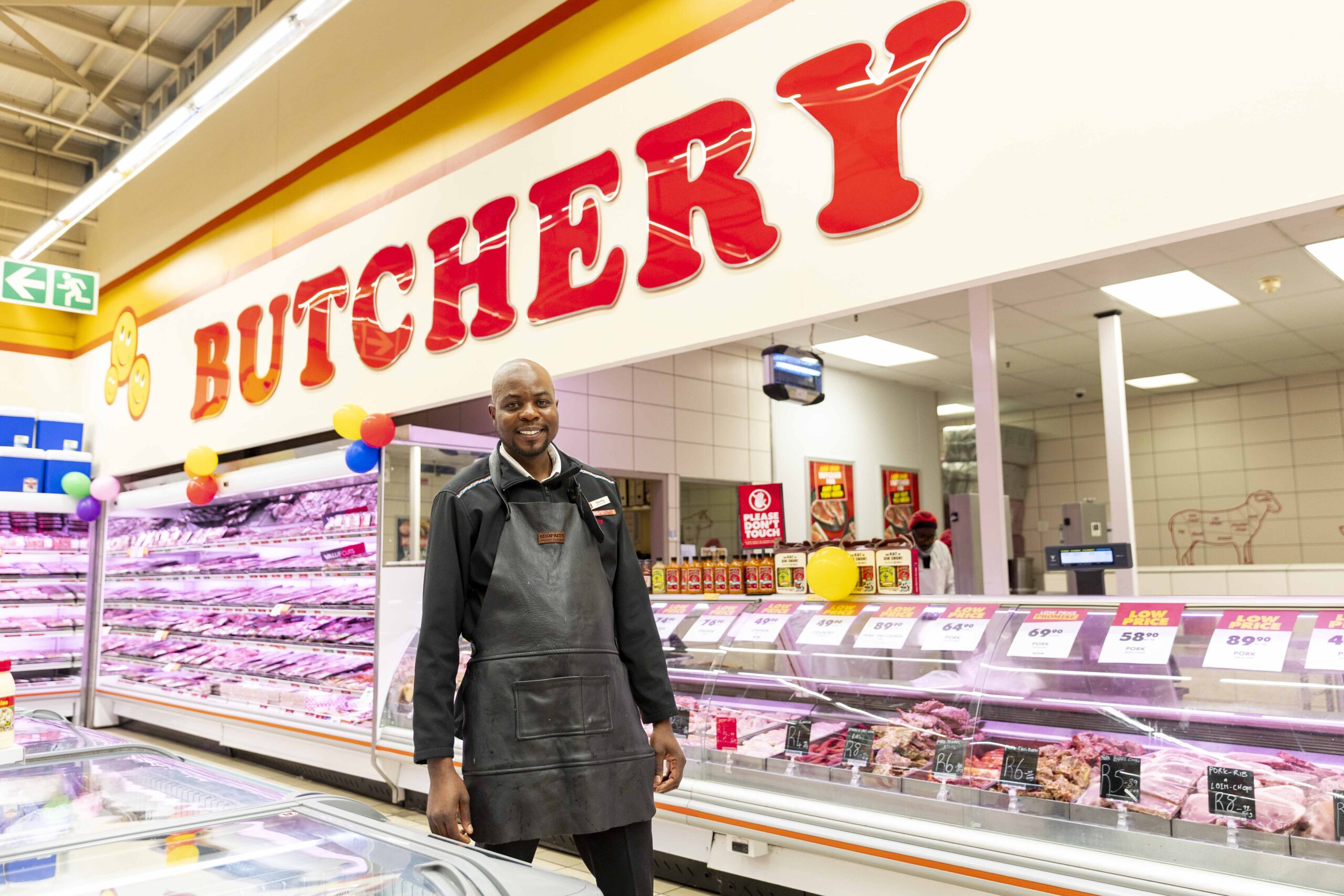
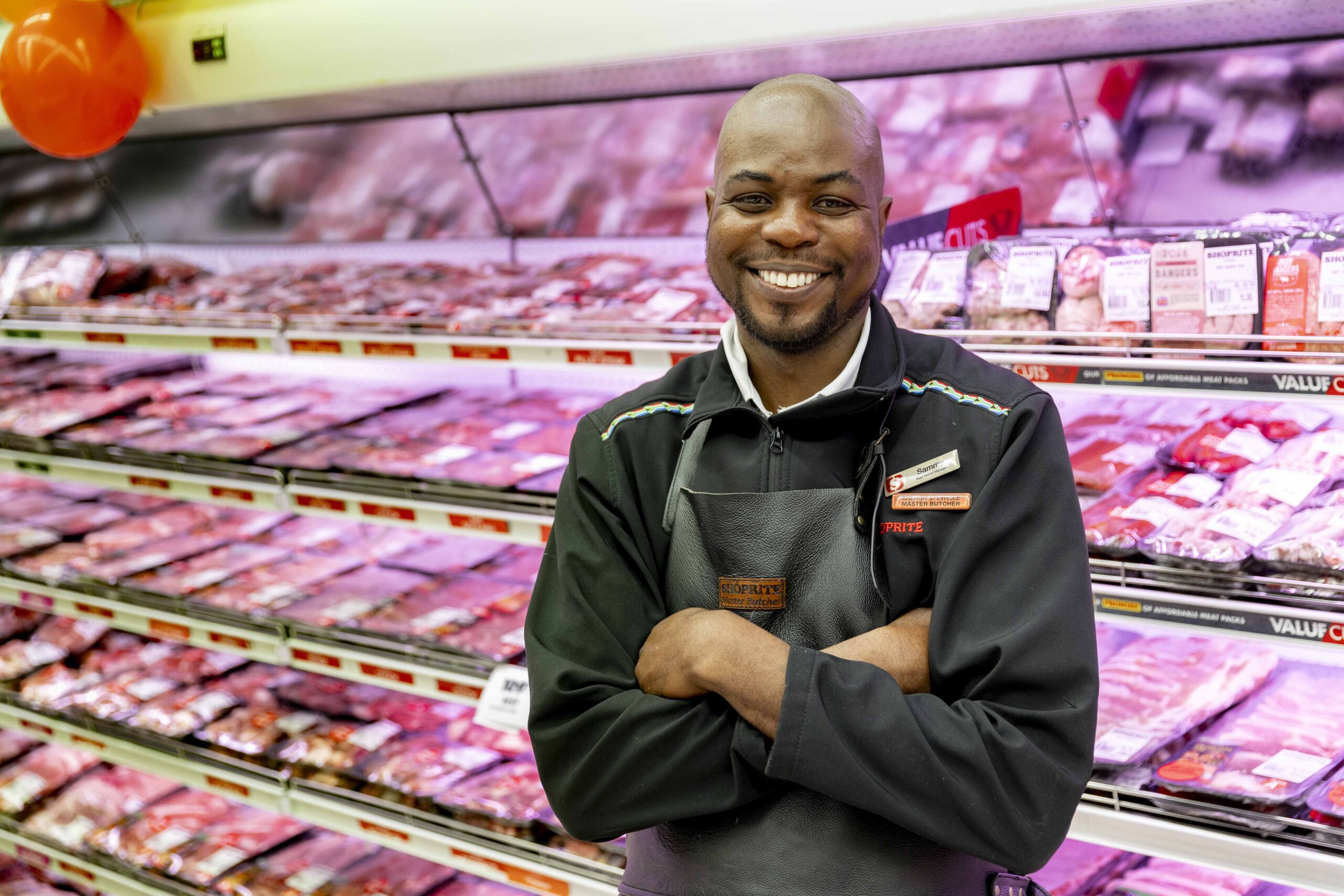
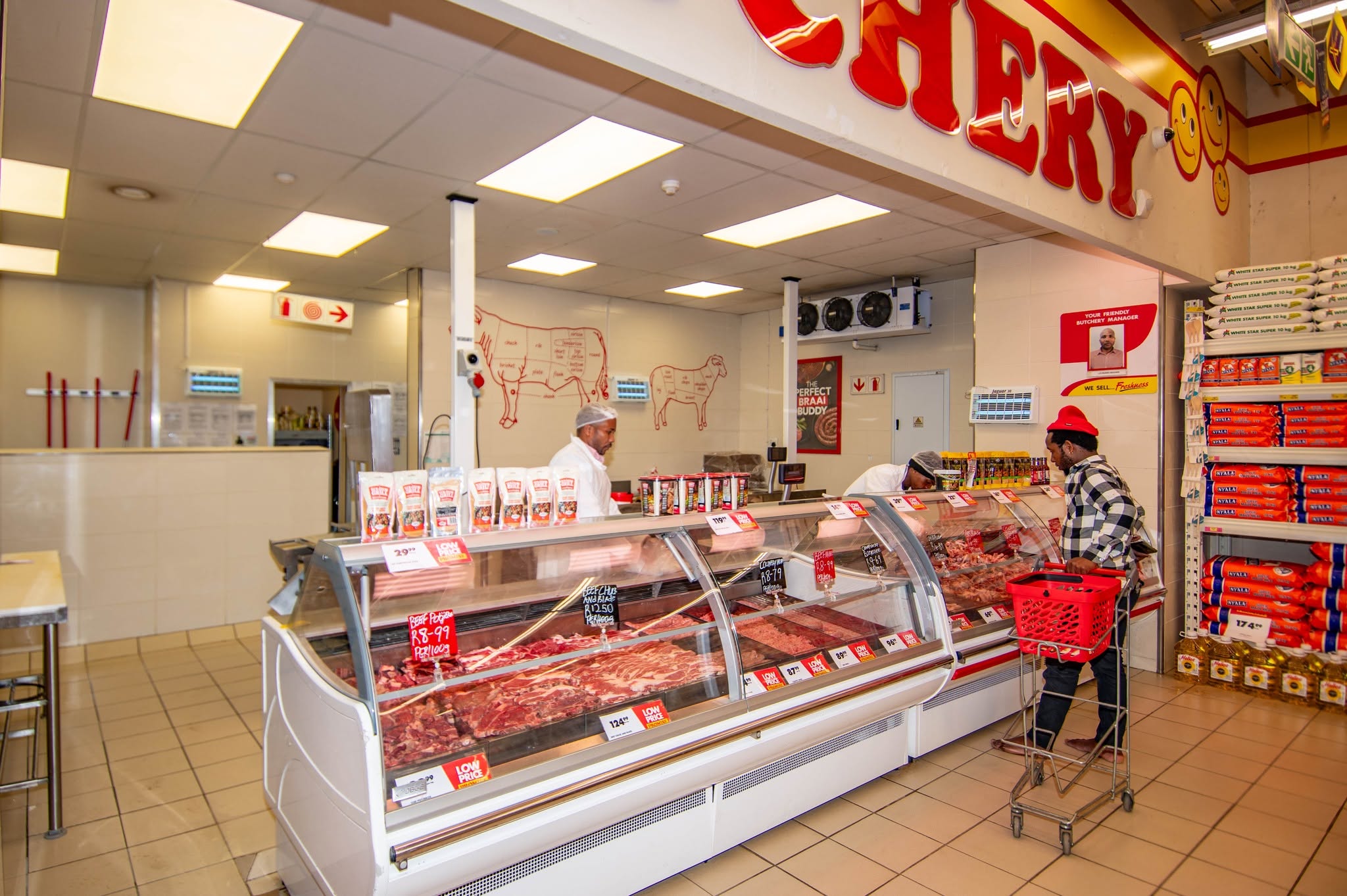
Today, the 43-year-old from Seshego in Polokwane wears the leather apron and badge of a qualified Master Butcher and leads the Meat Market at Shoprite Seshego. But there was no university degree or senior title at the beginning of his journey. He started as a blockman.
Starting from the bottom
Raised in Seshego, Sethole went straight into employment after finishing school. He needed to support himself and start building a future, and in August 2012 he joined Shoprite as a blockman.
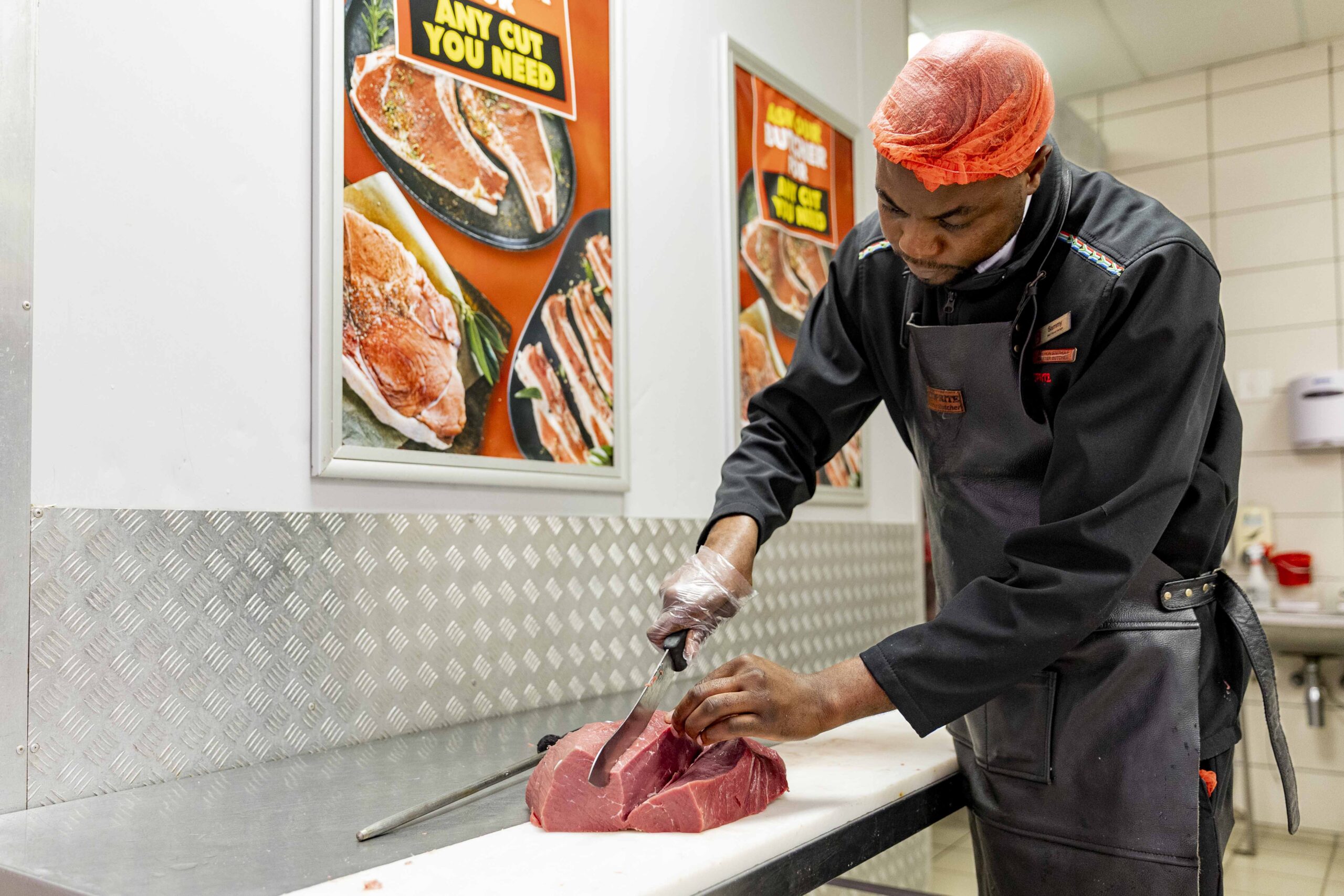
Rather than seeing the position simply as a job, he decided to learn the craft properly.“From the very beginning, I was keen to get the basics right,” he says. “That meant showing up on time, learning our high standards, perfecting every cut, and making sure the bench was always clean.”
It paid off. Within six months, Sethole had moved into a trainee manager role. From there, he steadily progressed through increasingly senior Meat Market management positions. His journey is a useful example of a career route that young people interested in agriculture may not immediately consider.
Agriculture beyond the farm
South Africa’s agricultural value chain does not end when produce or livestock leaves the farm. Processing, food safety, quality control and the many skills required to prepare agricultural products for consumers are part of a much bigger food system.
AgriSETA, the sector education and training authority responsible for agricultural skills development, covers both primary and secondary agricultural activities, including first-level processing. Red meat is among the subsectors for which it conducts skills planning.
Within the meat value chain alone, career opportunities can include meat inspection, slaughtering and carcass preparation, processing, food safety, quality control and butchery, with opportunities to progress into supervisory and management roles.There are formal occupational qualifications in several of these areas in South Africa, including beef and small-stock slaughtering and meat examination.
It means university is not the only route towards a skilled career connected to agriculture. Vocational training and workplace experience can also provide a starting point.Sethole’s career is evidence of what that progression can look like.
Turning experience into expertise
After more than a decade in the industry, Sethole took another significant step in 2023 when he qualified through the Shoprite Group’s Master Meat Artisan Programme.
He became one of more than 225 Master Butchers working across Shoprite and Checkers butcheries nationwide.The programme, underwritten by the UK’s Institute of Meat, takes participants well beyond learning how to make the perfect cut. Sethole says the training covers meat science, food safety, customer service, yield control and leadership.
For him, it was an opportunity to put a formal qualification behind knowledge accumulated over years at the butcher’s block.
“I wanted to take my craft to the highest level,” he says. “I’d spent years building my experience, but becoming a Master Butcher was a chance to turn that experience into recognised expertise and help others do the same.”
That expertise matters throughout the meat value chain. Understanding cuts, maintaining hygiene and food-safety standards, managing yield and reducing unnecessary waste all influence how much value can ultimately be derived from the animal that started its journey on a farm.
More than cutting meat
Spend a little time talking to Sethole and it quickly becomes apparent that he does not regard himself simply as someone who cuts and sells meat.
Becoming a Master Butcher has changed the way he serves customers too.
“I’m more confident,” he says. “I can guide customers on the right cut, how to prepare it and how to get the best value. I don’t just sell meat; I provide a service.”
And there is plenty of variety behind the counter. His team works with everything from family value packs, wors and patties to braai favourites and premium cuts.
But after working his way up through the business, one of Sethole’s greatest rewards now comes from helping someone else do the same. “Training colleagues and watching them develop and knowing customers leave happy are the best parts of my job,” he says.
The blockman who once concentrated on getting his own basics right is now passing those skills on.
Could this be a career for you?
For a young person interested in working somewhere along the agricultural value chain, there are several routes to explore.
AgriSETA supports skills development through learnerships, skills programmes, internships and other training interventions, while registered occupational qualifications offer pathways into particular areas of the meat industry.
Before enrolling for any programme, prospective students should check that both the qualification and training provider are properly recognised.But Sethole believes there is something equally important that cannot simply be taught in a classroom: the willingness to learn the craft.
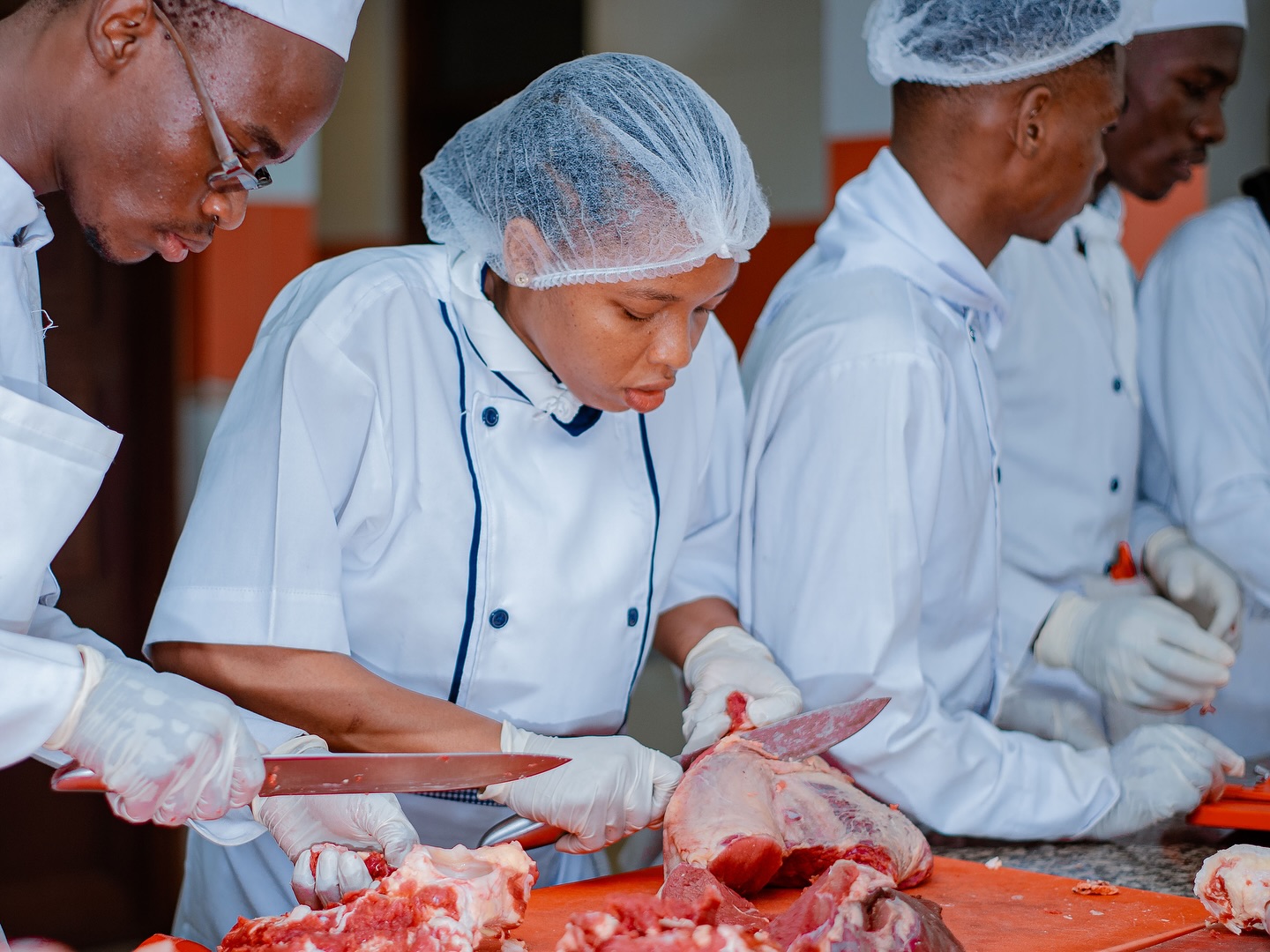
Be patient. Respect the product, the tools, and the hygiene. Show up every day ready to learn,” he advises.And then comes the lesson that perhaps best sums up his own journey: “Don’t be afraid to start at the bottom, because that’s where you learn the most.”
More than a decade after starting as a blockman and eventually becoming a Master Butcher and manager, Sethole knows exactly what can happen when you do.
The Master Butcher’s braai advice
And because this is South Africa, we could hardly spend time with a Master Butcher without talking about the braai. Sethole’s pick is a classic T-bone, bringing together tender fillet and juicy sirloin around the bone.
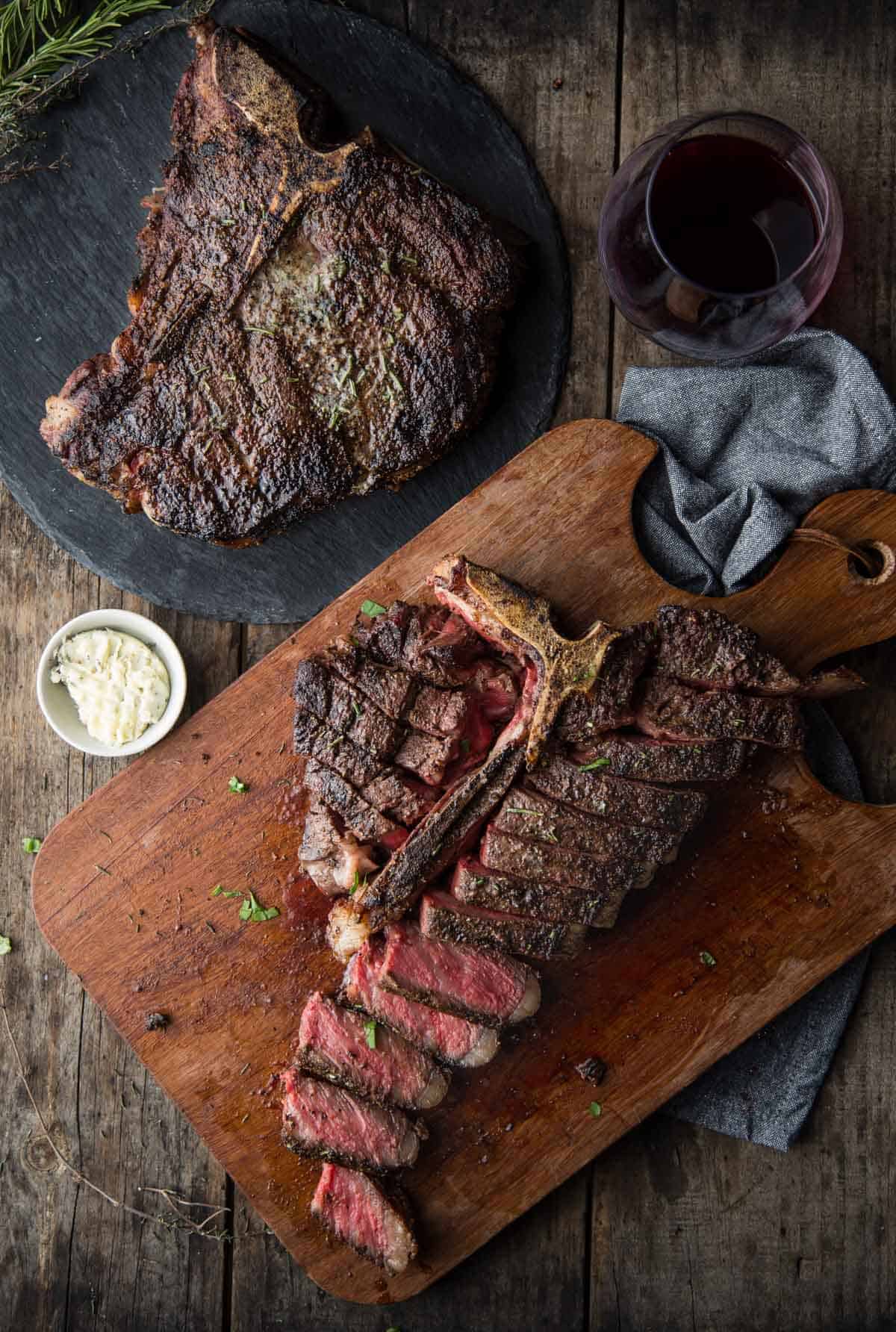
Once it is cooked, patience matters again.Let the meat rest for five to 10 minutes before cutting into it to help retain its juices and tenderness.