
By Staff Writer
You approach an intersection, check for traffic and prepare to turn. Everything appears clear, until a pedestrian steps into view or a vehicle approaches faster than you expected.
You were looking at the road, so how did you miss something so important?

As XploreZA continues its Transport Month Safety Mondays series, this week's focus is on a driving skill we often take for granted: paying attention.
Arrive Alive's information on human error explains that road crashes can involve failures in perception, attention and decision-making. Sometimes a hazard is difficult to see, while at other times it is visible but the driver simply fails to notice it.
That distinction matters because looking in the right direction does not automatically mean we have understood what is happening.
Look beyond the car in front
In heavy traffic, it is easy to concentrate on the vehicle immediately ahead, particularly when everyone is moving slowly.
This gives you more time to recognise potential problems rather than reacting at the last moment.

Don't let familiarity switch off your attention
Think about a route you drive almost every day. You know the robots, the turns and even the potholes.
That familiarity can make driving feel effortless, but the road is never exactly the same twice. A pedestrian may cross somewhere unexpected. A vehicle may be stopped around a bend. Roadworks may change the traffic pattern overnight.
Approach familiar routes with the same attention you would give an unfamiliar one, particularly near schools, shopping centres and residential streets.

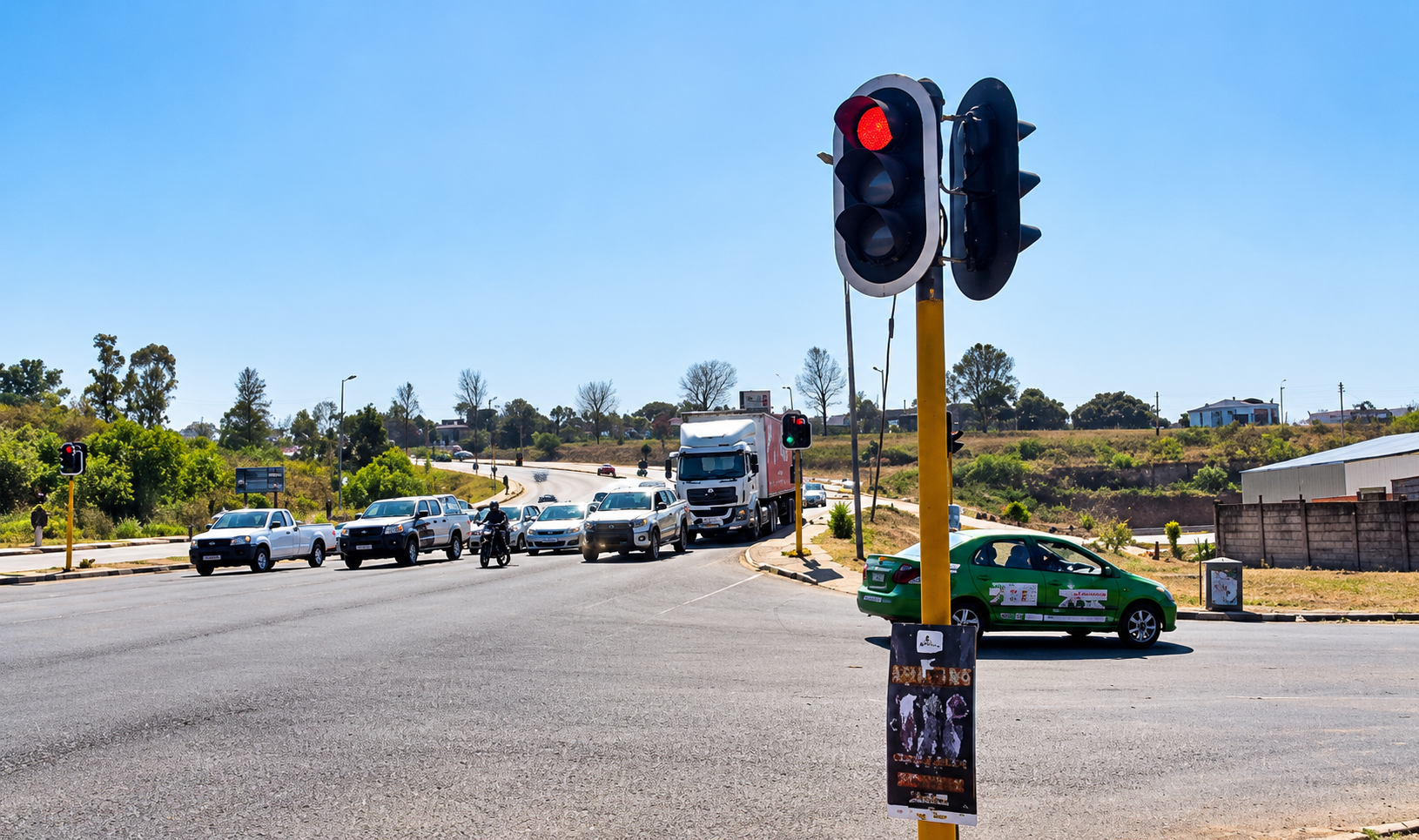
Give intersections another look
Intersections demand several decisions in quick succession.
You need to judge approaching traffic, notice pedestrians, observe traffic signals and identify vehicles that may turn across your path.
Before moving, take an extra moment to check the areas where someone could enter your path. Look specifically for pedestrians and cyclists, who may be less noticeable among larger vehicles.
Never assume that another driver will stop simply because the traffic light has changed in your favour.
Recognise when your mind is elsewhere
Distraction is not limited to mobile phones.
An emotional conversation, worries about work, tiredness or trying to follow complicated directions can all compete for your attention.
If you are upset or struggling to concentrate, take a break before continuing. Programme your destination before departure and avoid conversations that demand too much of your attention.
If you miss a turn, continue until you can change direction safely rather than making a sudden manoeuvre.

Practise noticing hazards
On your next drive, try a simple exercise. Without distracting yourself from driving, pay conscious attention to what could change in the next few seconds.
Could that parked car pull out? Is someone approaching the pedestrian crossing? Could the vehicle ahead brake suddenly?
You are training yourself to recognise developing situations earlier. Transport Month reminds us that safer roads require responsible decisions from everyone using them.
And sometimes, the most valuable improvement we can make is learning to see what has been in front of us all along.