
The historic systemic injustices in South Africa have necessitate focused transformation for sustainable inclusive growth.
These injustices have qualified transformation as a strategic focus that must be treated with sensitivity both politically and economically. Does the methodology feel humanistic or clinical? Is the approach holistic and objective? Is the pace too fast or too slow? This matters, because many lives continue to be impacted positively and negatively by the dynamics of transformation.
Using the past to build a sustainable future
The agriculture sector was an epicentre of historic injustices in South Africa.
This legacy has left deep-rooted hindrances that place constraints on efforts to accelerate transformation. For example, fruit production is capital-intensive and mostly requires access to generational wealth, access to affordable tailored finance is limited, development finance institutions often under-perform, input and compliance costs are high, and there are significant infrastructural limitations.
Emerging enterprises also face capacity and cash-flow challenges, underperforming production blocks, restrictive credit profiles, and a need for patent or blended finance to attract commercial funding. Furthermore, credible industry-led economic development programmes with a value-chain approach are required to improve the availability and delivery of development finance.
Land tenure also remains a significant constraint, particularly delays in the transfer of title deeds for farms that are part of the Proactive Land Acquisition Strategy. This limits growers’ ability to secure finance to invest in their entities.
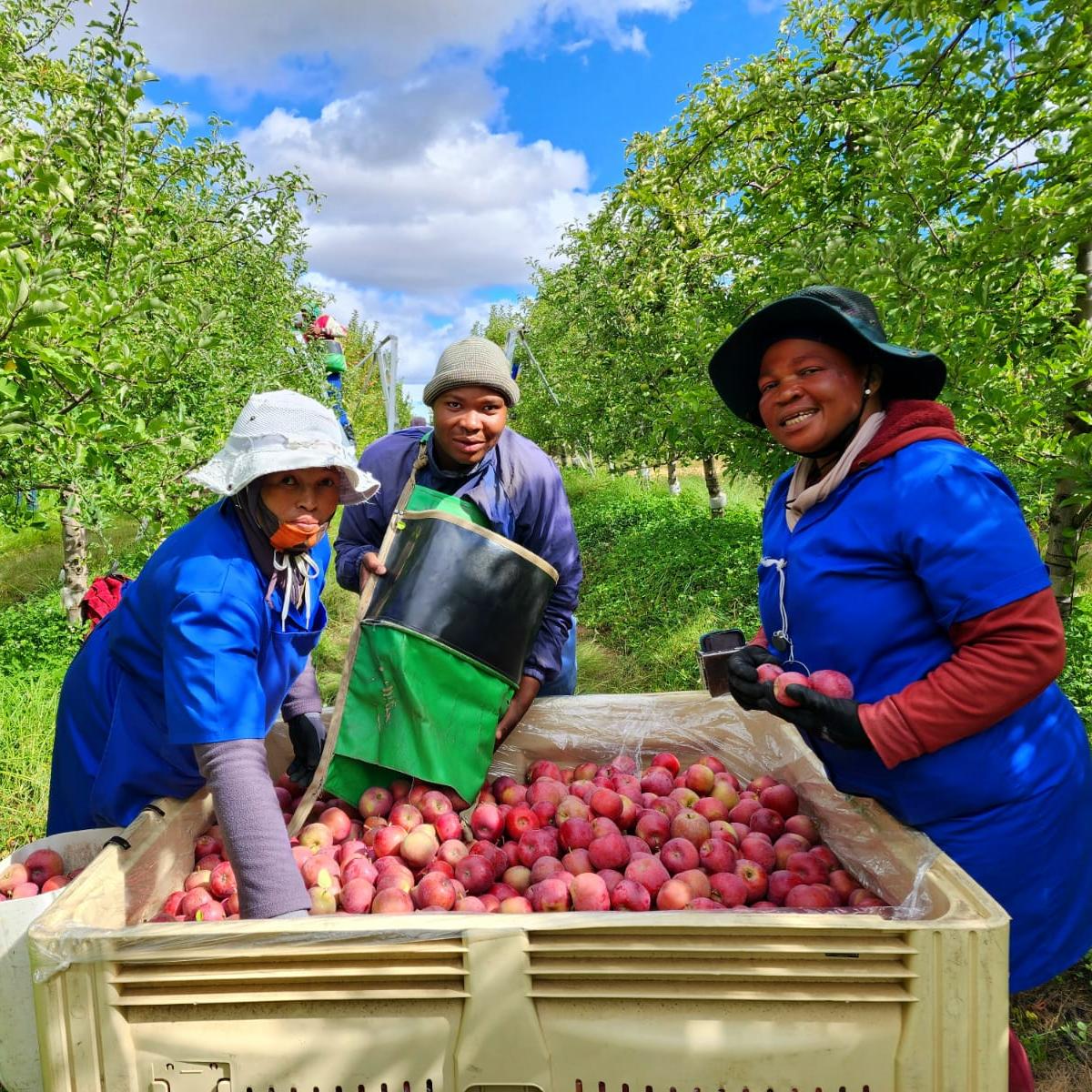
All these challenges are compounded by market access and compliance requirements, fragmented support programmes, weak coordination, and in some cases owner-level decision-making that does not sufficiently incorporate available technical and financial advice. Addressing these constraints is critical to accelerating transformation and improving the long-term sustainability of emerging enterprises.
Given these significant legacy challenges, it is important that players throughout the value chain use the correct tools to bring about sustainable transformation.
But what does that look like in practice?
A strategic focus on transformation
To effectively make significant strides, transformation needs a seat at the strategy table, to be able to contribute meaningfully to overall industry growth.
In the fruit industry, enterprise, and skills and socio-economic development are the three pillars that drive transformation. In these, equitable access and participation for black players are a key metric.
The collective output of Fruit South Africa (Fruit SA) member organisations provides coordinated support for growers, farmworkers, students, graduates and young professionals who enter the industry via tailored industry programmes.
One such programme is the Fresh Produce Exporters’ Forum (FPEF) Graduate Placement Programme, which was a focal point in the recent Fruit SA-FPEF Transformation Showcase that took place in Klapmuts in the Cape Winelands.
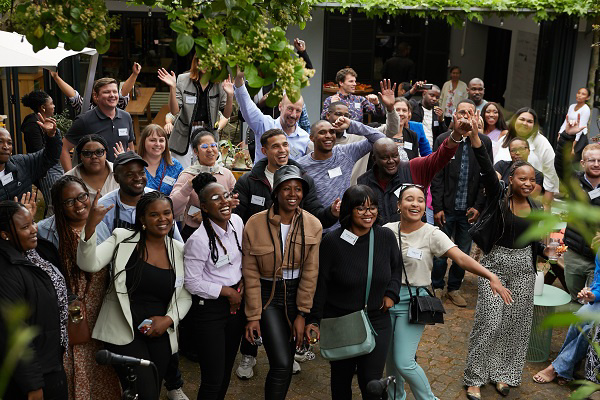
In this collaborative effort, the two companies jointly hosted industry players, representatives from government and the banking sector, other stakeholders, as well as young professionals.
The event showcased the positive impact of skills development and presented an opportunity for stakeholders to connect with these professionals.
Keeping up with change
This year, when reviewing the modus operandi in driving transformation, players in the South African fruit industry had a few realisations.
Among the major ones are that transformation must demonstrate an evolutionary approach that strikes an awareness balance between historical facts and the current evolved landscape; transformation is a process, not an event; and collaboration, alignment and focused coordination don’t have a time stamp.
There is a stronger focus in the industry, on building sustainable enterprises that can thrive in this ever-changing environment. But logistics setbacks, geopolitical disruptions and extreme, unpredictable weather have counted among key impediments. The typically limited capacity and resources among emerging players make it so much more difficult to buffer the impact of these challenges. Therefore, it is important to through collaborative efforts first help develop current black enterprises to reach self-sufficiency, rather than continuing to integrate more new participants. And industry players must apply a systematic, tiered approach whereby participants graduate from grant-type support to eligibility for credit, making room for a new cohort.
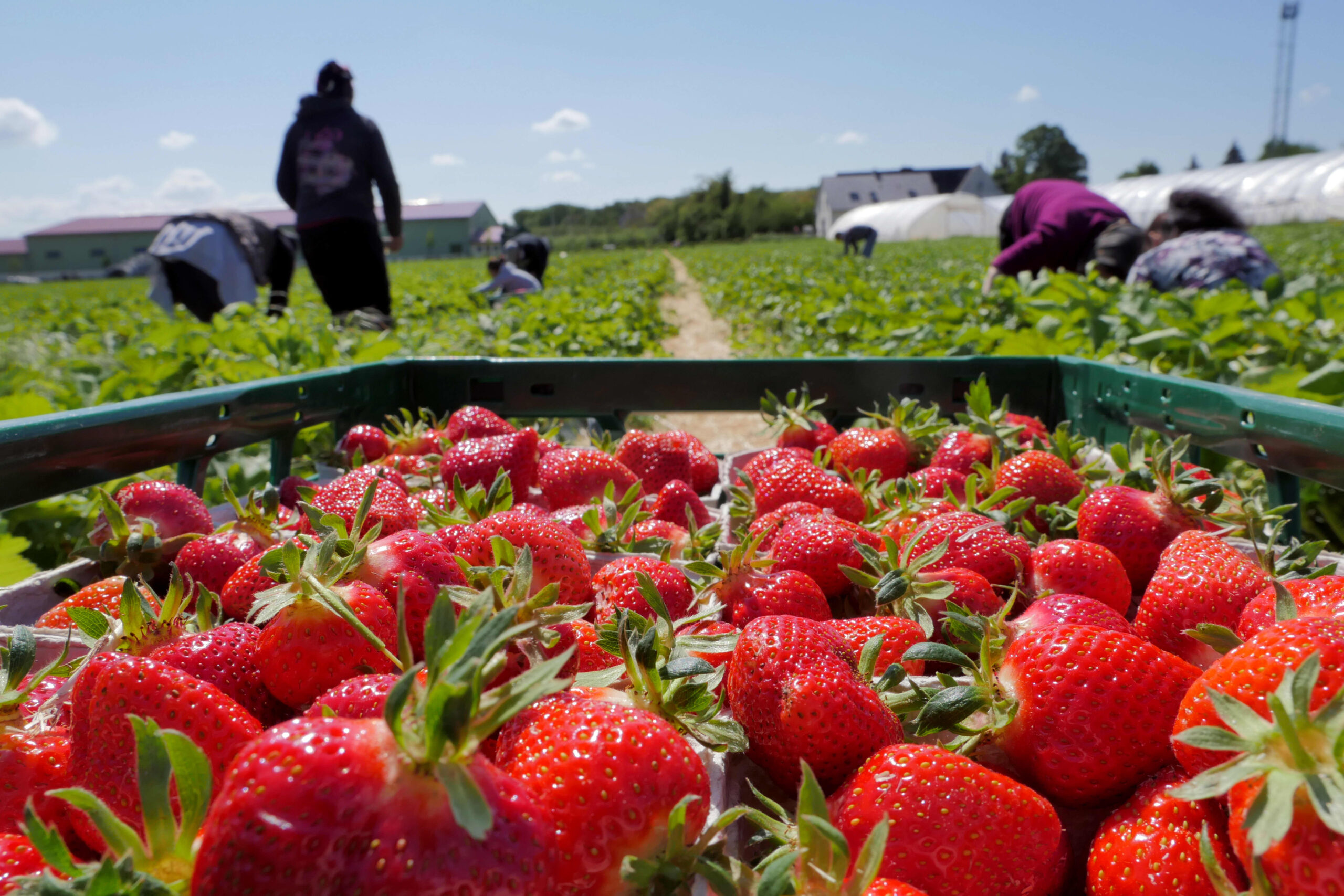
Everyone has an integral role to play.
About the author: Nomonde Ntloko, Fruit SA Industry Affairs ManagerBiography of Nomonde Patience Ntloko: Nomonde is a seasoned professional in the agriculture sector with over 10 years’ experience in the field of agricultural economics, development (transformation), and sustainability. She currently holds the position of Industry Affairs Manager at Fruit South Africa, where she is responsible for transformation advocacy, industry data management, and stakeholder management, among other duties.
With a strong foundation in agricultural economics and a passion for inclusive development, Nomonde has led high-impact projects supporting black emerging farmers, unlocking access to finance, markets, and long-term sustainability. She holds a Bachelor of Commerce degree in Agribusiness Management from theUniversity of Pretoria and is currently doing her Masters in Development Studies with Nelson Mandela University.
At Fruit South Africa, Nomonde has facilitated discussions for the industry’s first coordinated sustainability forum, positioning the sector for long-term environmental and social resilience. And during her time at the Citrus Growers’ Association-GrowerDevelopment Company, she developed bankable business plans for black emerging citrus growers and successfully secured grant funding.
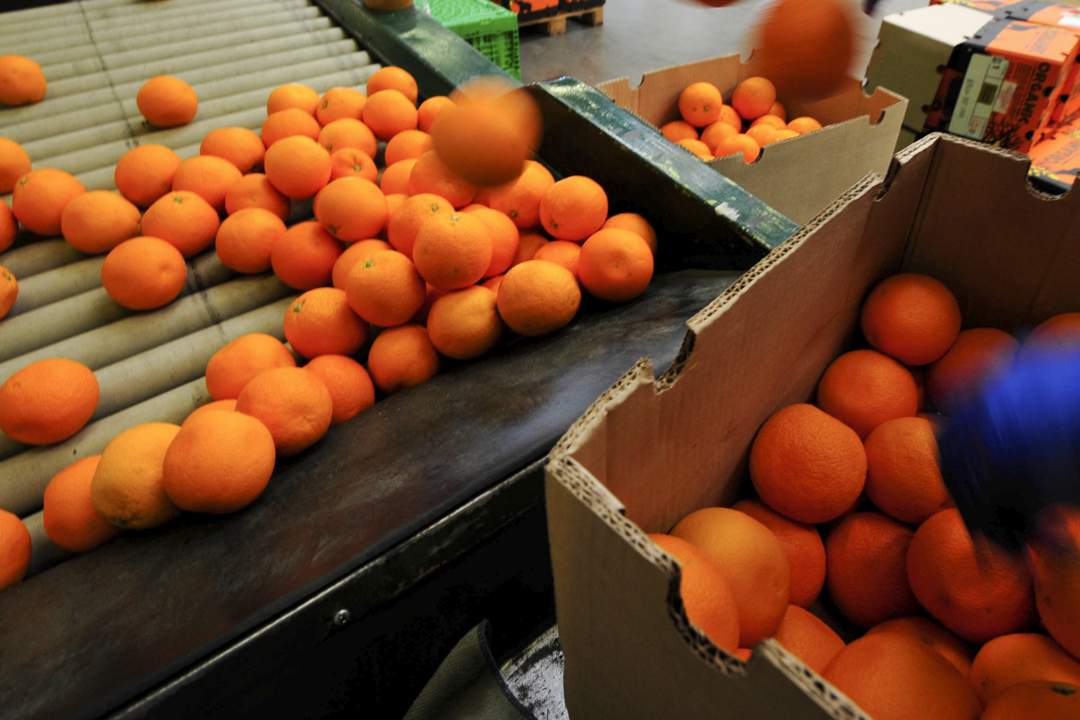
While at NTK/VKB, she facilitated lending programmes tailored for high-risk emerging farmers, significantly improving their access to finance and expanding the company’s client base. Additionally, under the Jobs Fund Project, she managed five agricultural development projects valued at over R30 million, all geared towards job creation and sustainable farmer support.
Nomonde is known in the agricultural development space for her systems thinking and ability to bring together policy and practice. She continues to contribute to the fruit industry’s transformation efforts and sector-wide innovation through collaborative platforms.