By Gugulethu Tshabalala
May is Africa Month , a time to honour our continent's rich cultures, traditions and identity. One of the best ways to experience Africa is through its food.
Across Southern Africa, cuisine tells stories of migration, heritage, resilience and community. From slow-cooked stews to flame-grilled meats, every dish carries a taste of home
South Africa
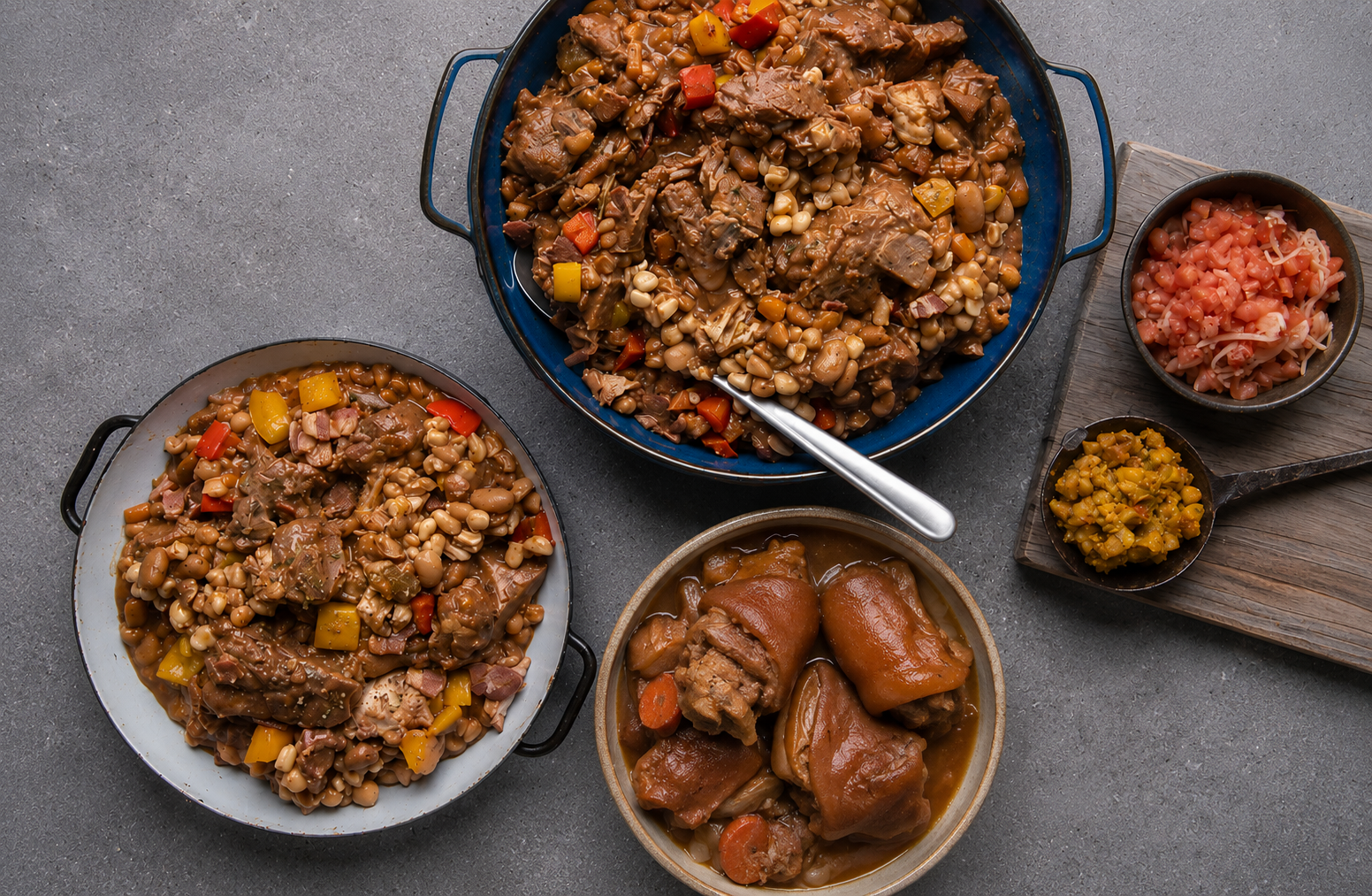
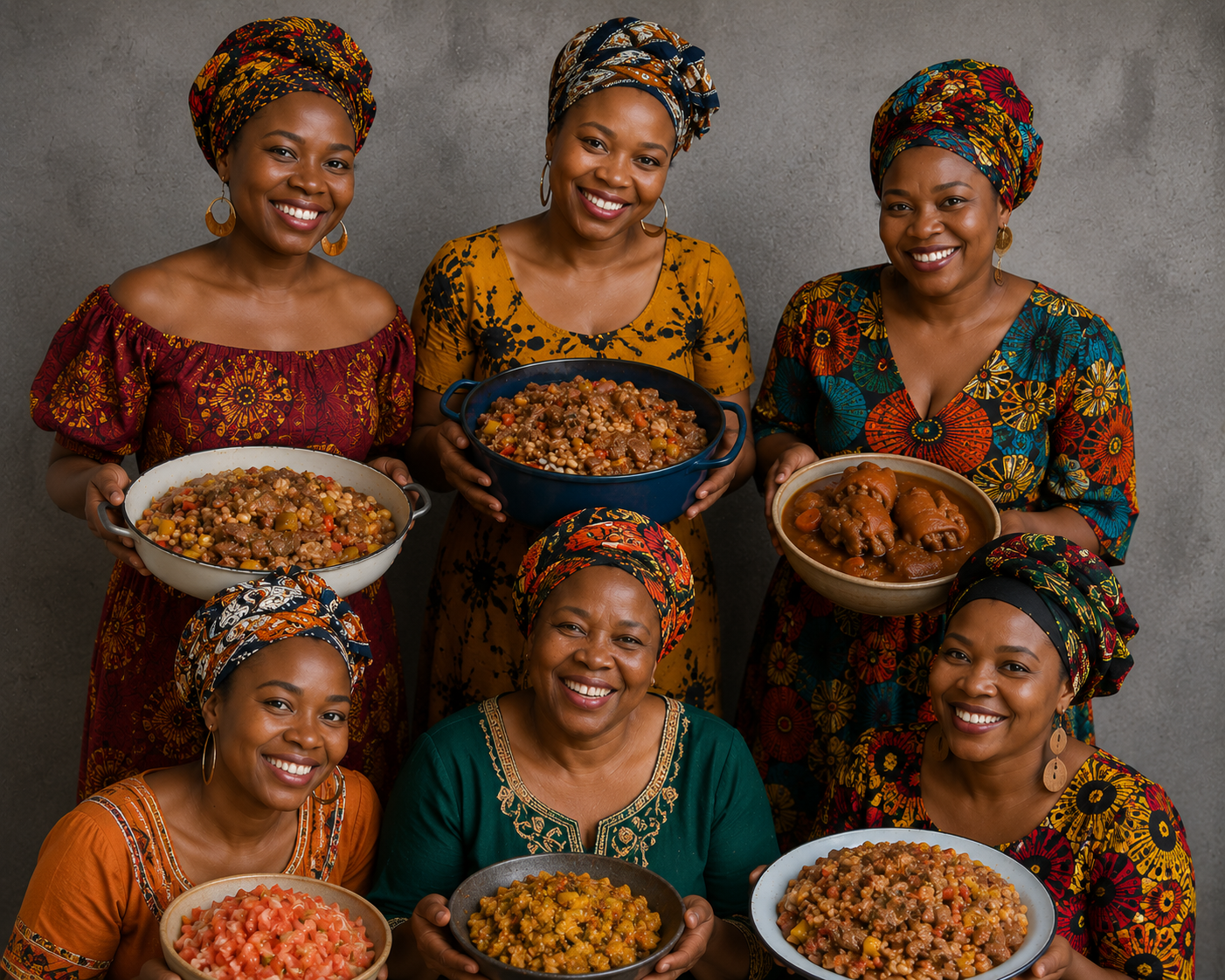
South African cuisine is shaped by indigenous African traditions alongside Malay, Indian, Dutch and British influences ,a vibrant collision of spice, smoke and comfort unlike anywhere else on the continent.
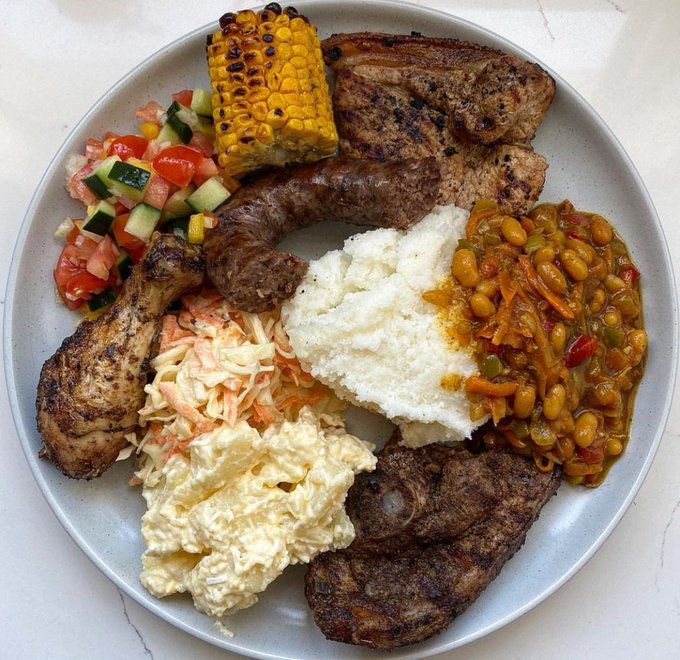
No conversation about Southern African food is complete without the braai. More than a barbecue, it is a social institution. Boerewors sizzle alongside marinated lamb chops and chicken, all served with pap and chakalaka or a sharp tomato relish.
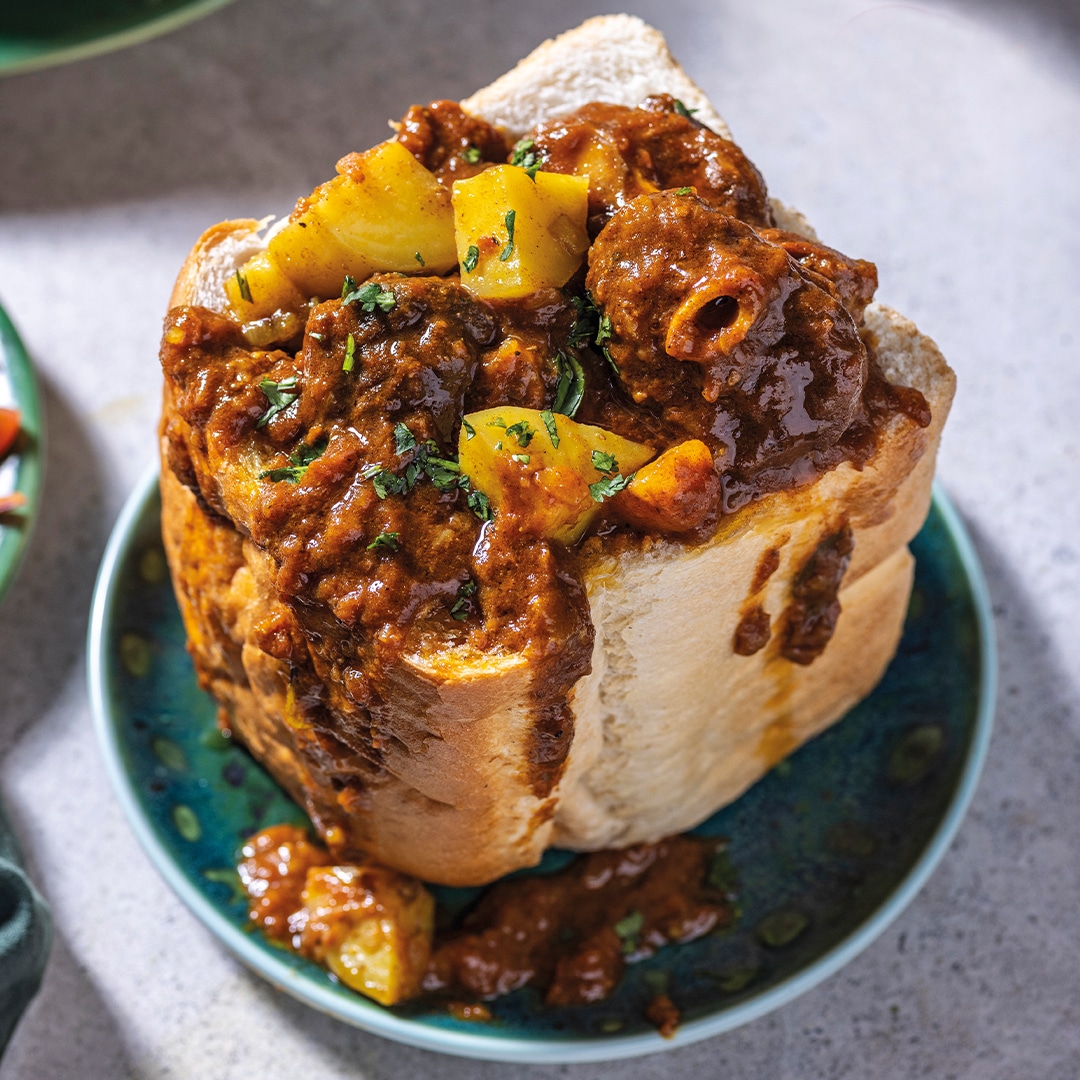
Bunny Chow — Durban's iconic hollowed bread filled with rich curry, born from the city's Indian community
Kota — the beloved township street food: chips, polony and atchar in a quarter loaf

What makes South African food extraordinary is its layering of histories. Every dish carries the fingerprints of the people who made it, adapted it and made it their own.
Botswana
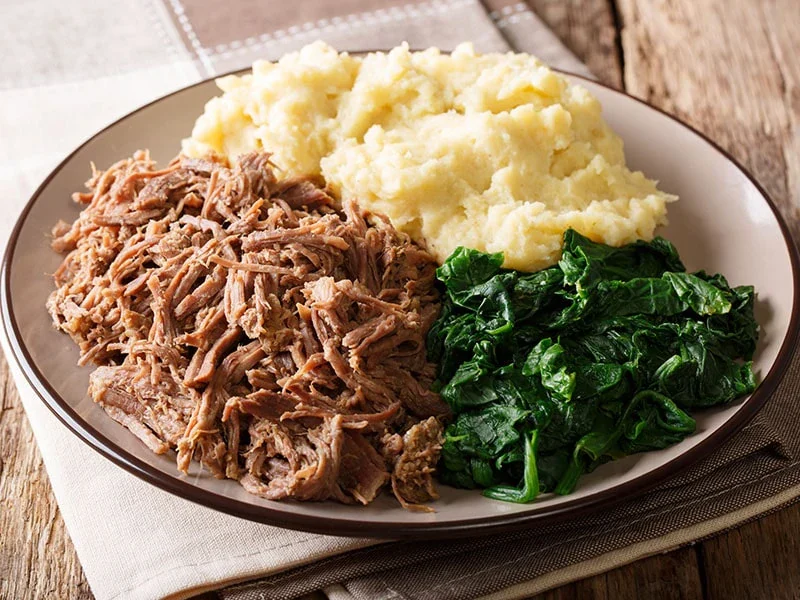
Botswana's cuisine speaks the language of patience. The national dish, seswaa, is beef slow-cooked until it falls apart, then shredded and served alongside morogo — wild spinach foraged from the land and cooked simply. Together they make a meal that is deeply nourishing and rooted in tradition, connecting communities to the indigenous ingredients that have sustained them for generations.
Zimbabwe
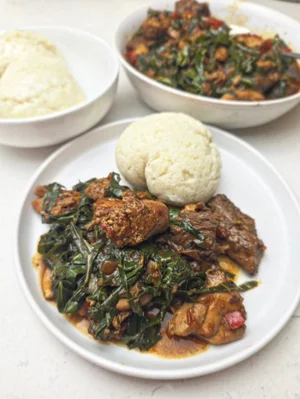
Zimbabwean cuisine is honest and wholesome — food that feeds body and memory in equal measure. Sadza, similar to pap, anchors the table and is paired with beef stew, vegetables or rich peanut butter-based sauces. Traditional dried meats and mapopo candy round out a food culture built on resourcefulness and pride.
Mozambique
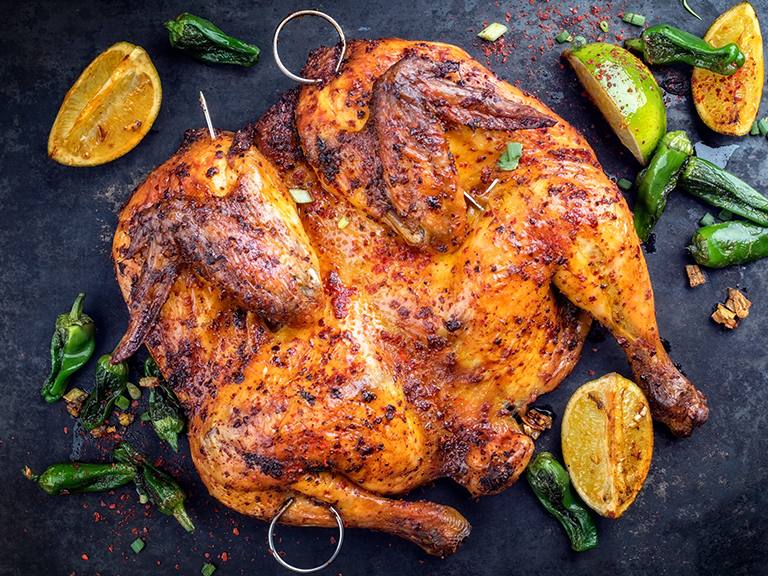
Where the Indian Ocean meets the African continent, Mozambican food bursts with heat, citrus and the perfume of the sea. Portuguese influence runs deep — peri-peri chicken, enormous grilled prawns and coconut-infused rice dishes dominate menus that feel unlike anywhere else in Southern Africa.
Fresh seafood paired with spiced sauces creates meals that are both elemental and deeply satisfying.
Zambia & Malawi
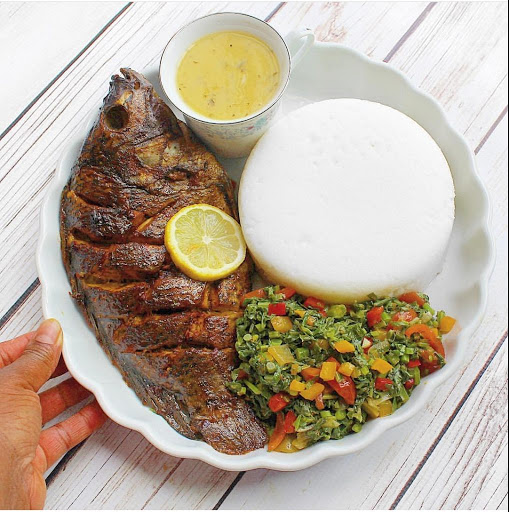
Nshima in Zambia and nsima in Malawi are the heartbeat of everyday meals — thick maize porridges served with fish, vegetables and rich stews. Lake fish from the vast, shimmering Lake Malawi forms a cornerstone of local cuisine, highlighting a deep and enduring relationship between these communities and the freshwater that sustains them.
Namibia
Namibian cuisine carries a remarkable duality — the deep-rooted traditions of the Owambo, Herero and San peoples sit alongside a distinct German colonial legacy that still flavours the country's food today. It is a cuisine of contrasts, shaped by an arid land that demands resourcefulness
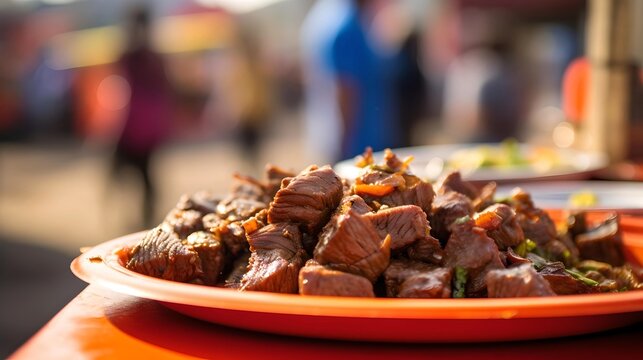
Kapana is Namibia's most beloved street food: marinated beef, grilled over open flame, seasoned with chilli and salt and served sizzling from the fire. In the north, oshithima — a thick pearl millet porridge made from mahangu — has nourished Owambo communities for centuries. Alongside these traditions, you will find bratwurst and brötchen rolls in the towns, a reminder of a history written into the food as much as anywhere else.
Lesotho
Nestled entirely within South Africa, the Mountain Kingdom of Lesotho has a cuisine as grounded and resilient as its people. Food here is mild, honest and built on what the land provides — maize, sorghum, beans and wild greens.
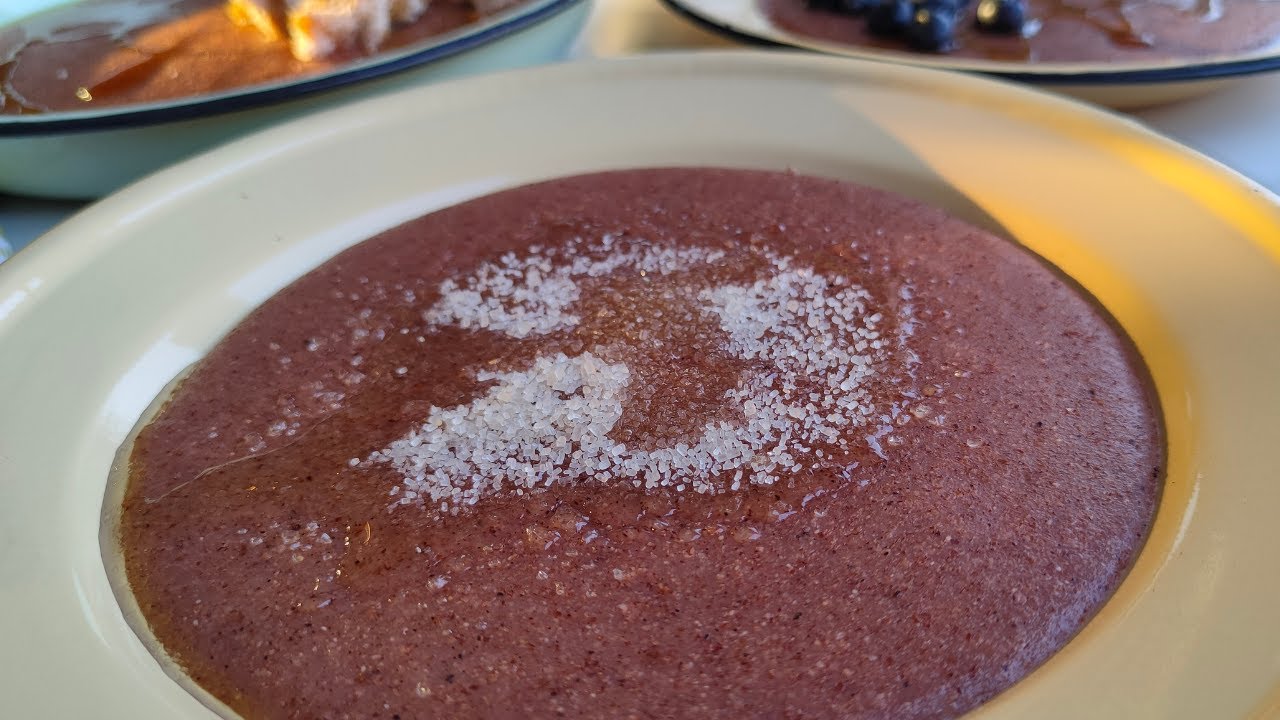
Papa, a thick maize porridge, is the daily staple, eaten with moroho (leafy greens) or whatever protein is available. Nyekoe — a warming stew of sorghum, beans and pumpkin — is a cold-season favourite sold by street vendors across the highlands. Motoho, a fermented sorghum porridge with a gentle sour note, starts many mornings in Basotho households. This is food that does not seek to impress, only to sustain — and in that simplicity, it carries great dignity.
Eswatini
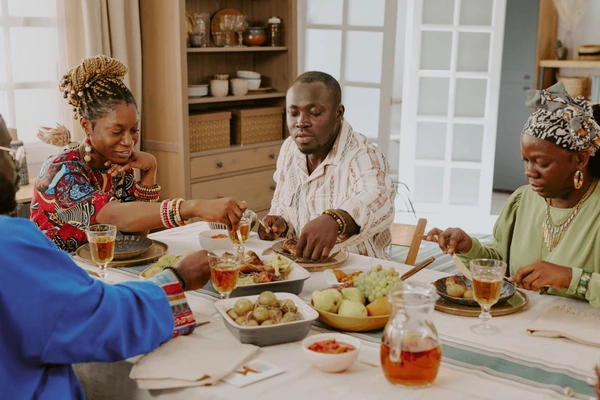
The Kingdom of Eswatini — Africa's last absolute monarchy — has a food culture as communal and warm as its people. Meals are traditionally shared from a large oval wooden platter called an umcwembe, a practice that speaks to the Swazi belief that food is never just sustenance, it is connection.
Sishwala, a thick maize porridge, anchors most meals, served with slow-cooked stews, beans and vegetables. Amasi — fermented sour milk — is both a daily staple and a cultural touchstone, served as a drink or alongside food. Chicken dust, flame-grilled chicken sold roadside across every town, has become a modern Swazi institution: affordable, smoky and deeply satisfying.
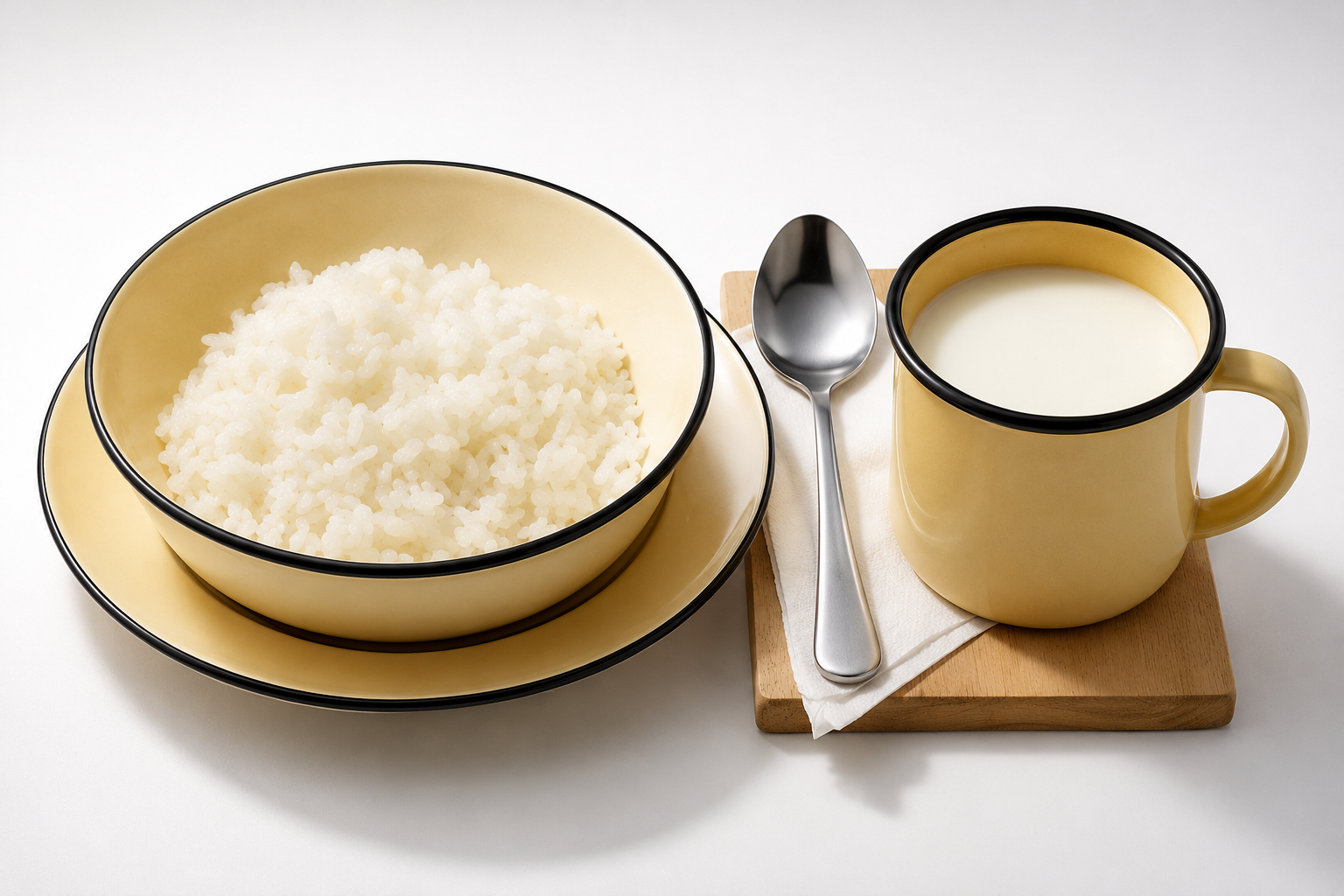
Southern Africa does not just share a continent. It shares a plate.
Travel through these countries and a quiet truth reveals itself. The names change at every border — pap, sadza, papa, sishwala, oshithima, nshima, nsima but the grain is the same. Maize, ground and cooked and served with whatever the land provides, is the thread that runs through Southern African cuisine from the Atlantic coast of Namibia to the shores of Lake Malawi. It is the meal that has fed generations across cultures, languages and histories that are far more distinct than the maps suggest.
This Africa Month, that connection is worth celebrating. Visit a local African restaurant, support a township eatery, try a traditional recipe at home, or gather friends for a proudly African Friday feast. Because when you sit down to a plate of pap, sadza or nshima, you are not just eating the food of one nation — you are eating the food of a region, a people and a shared story that stretches across a continent.