Ntambo Moloi-Mabuza
Developments in the United States of America (USA) in 2025 upset the global trading regime like a wrecking ball, after President Donald Trump followed through on his “Make America Great Again” (MAGA) electoral promises that disrupted the country’s trade relations across the world.
Like many export-dependent economies, South Africa’s agricultural sector watched these developments with growing concern. Given the USA’s historically dominant position in global trade, even slight policy shifts threatened livelihoods across multiple value chains, from farmers to processors and exporters.
“One of the effects of the America First trade doctrine is that it is driving transformations on a scale not seen since the creation of the World Trade Organization,” notes Agricultural Business Chamber (AgBiz) Fruit Desk Manager, Wolfe Braude.
However, in its review of fourth-quarter performance late last year, data shared by AgBiz showed that the agricultural sector had not only weathered the US trade storm. Instead of the expected doomsday scenarios, agriculture carried much of the country’s export growth, with the fruit sub-sector emerging as one of the strongest performers.
By the third quarter of 2025, agriculture had recorded a trade surplus of US$2.7 billion, continuing strong performance into the fourth quarter, building on a total agricultural export value of US$13.7 billion in 2024. The sector, according to Braude, remains one of the unsung contributors to South Africa’s foreign trade.
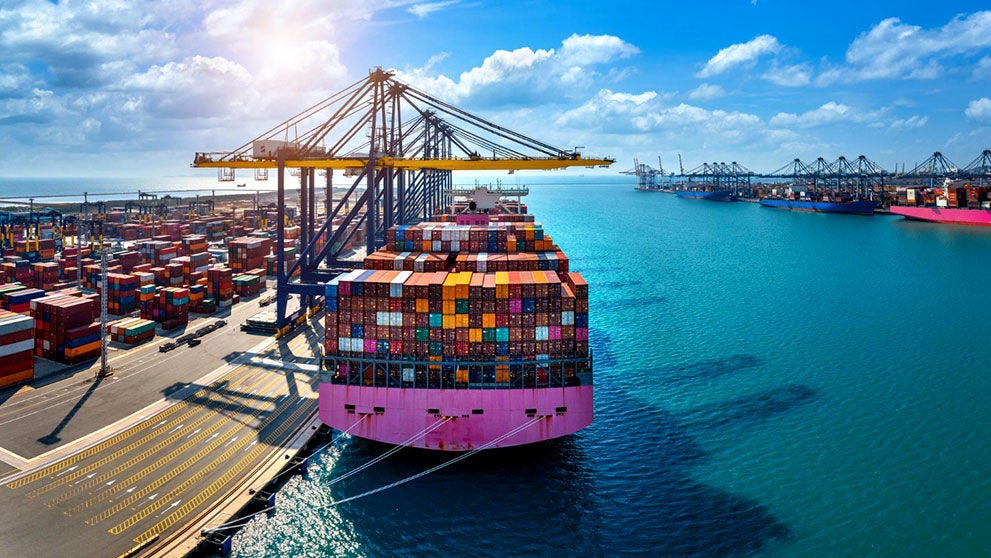
By way of illustration, Braude notes that in 2024 total agricultural exports were nearly double the value of iron ore exports, three times that of chromium ore, and more than two- and-a-half times ferrochrome. They were also on par with the entire automotive sector, with the fruit sub-sector generating export earnings comparable to ferrochrome and exceeding those of manganese.
Although slightly outdated, figures for the fruit sub-sector show that the bulk of exports are destined for the European Union (36%), followed by Asia (17%), the Middle East (15%), theUnited Kingdom (13%), North America (7%) and Africa (5%). This diversified trade profile, Braude points out, enabled the sub-sector to absorb shocks from US-induced trade volatility.
“If we were to replace the EU figure with America, I think we would have had a very problematic year,” Braude reflects.
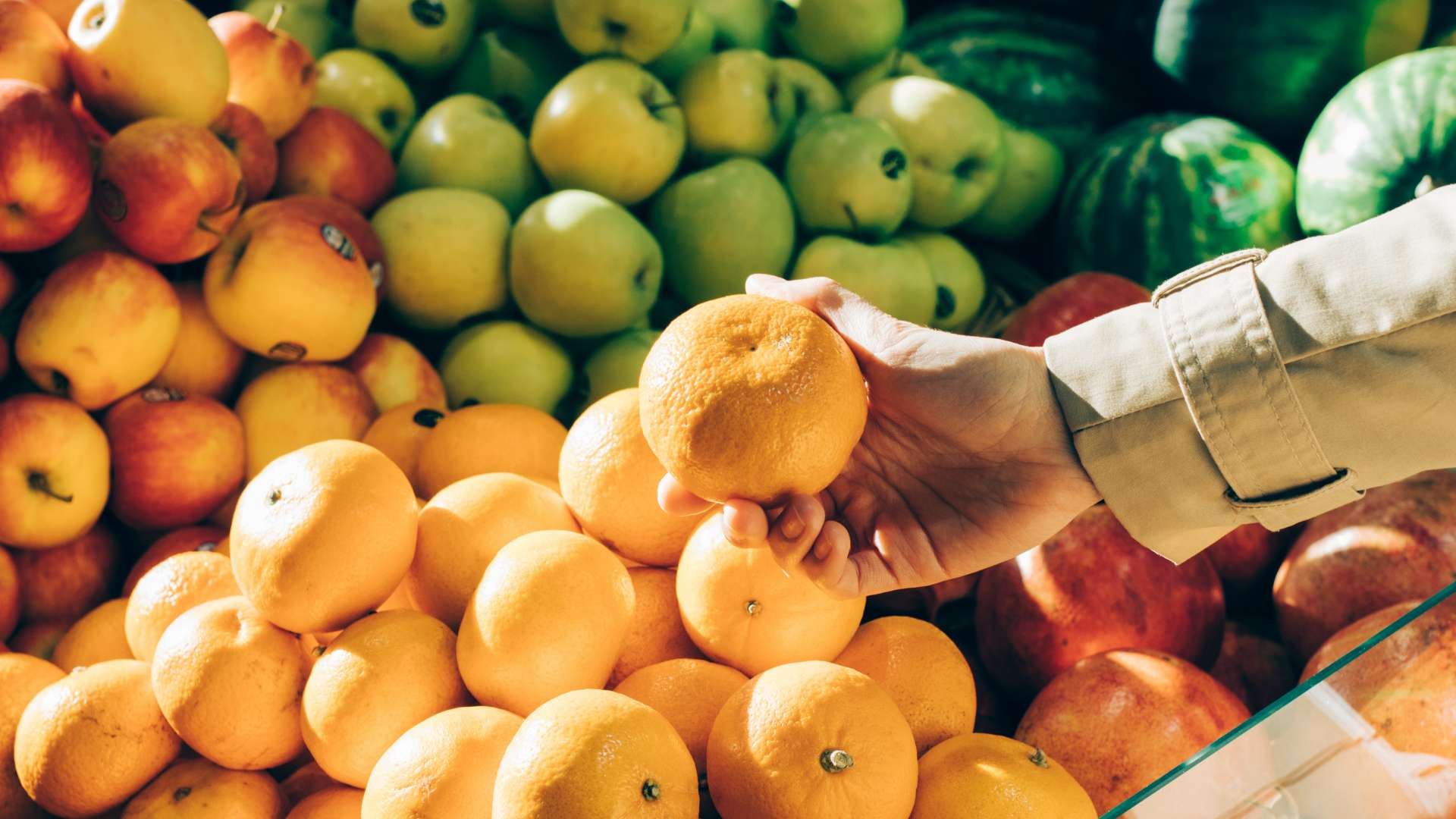
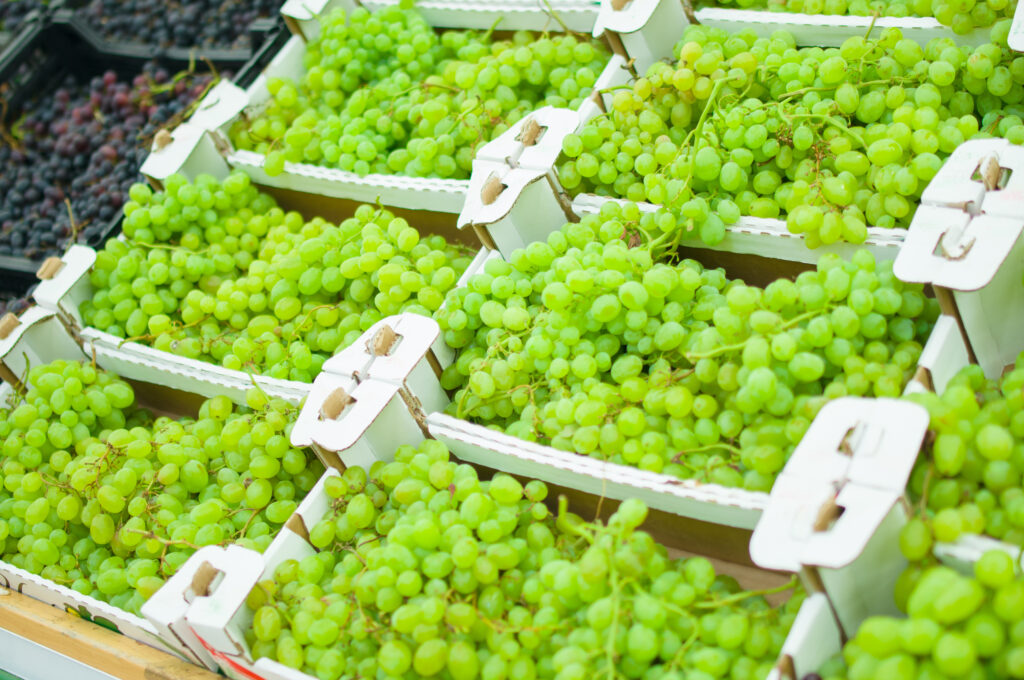
While relatively small, fruit exports to the US are not insignificant and are dominated by citrus and table grapes, with limited volumes of apples and pears. In contrast, exports to the EU represent a much larger and more diverse market, receiving citrus, table grapes, apples, pears and stone fruit.
Other sectors of the economy would do well to heed the old farmer’s advice of not putting all their eggs in one basket. This diversification strategy insulated the fruit sub-sector from the worst effects of trade disruptions linked to US policy shifts.
Braude cautions against attributing the fruit sector’s performance to any single episode in the unfolding global trade battles, or to favourable seasonal conditions. Instead, he argues that success is the result of years of careful market development, sustained investment in quality, and the steady opening of new export channels.
“The sub-sector has built a reputation for reliability, product quality and the research and development that supports our growers. Together with biosecurity systems, production ecosystems and quality inputs, these are the foundations of modern agriculture,” he emphasises.
Acknowledging that “2025 has been an unusual year” and that it is “not certain that 2026 will be much calmer,” Braude foresees major shifts in global trade power dynamics, with the waning dominance of the USA increasingly giving way to China and other emerging markets. This comes amid uncertainty surrounding South Africa’s continued access to AGOA trade preferences.
“To be an effective trader, you need the full value chain behind you, and the ecosystem that supports it,” Braude advises.