By Mabuyane Mabuza
The South African car market is shifting fast. For both old and new brands, there is very little room to hesitate. You either adapt or risk being left behind.
That is the reality many are grappling with, and Stellantis is no exception. The group has good products in its stable, but getting South Africans to buy into them has been another matter. Misalignment has played a role. Aftersales has been another concern. Market perception has also not helped, particularly when it comes to the group’s French and Italian brands.
So when I was invited to get behind the wheel of Citroen’s latest offering, I was curious.

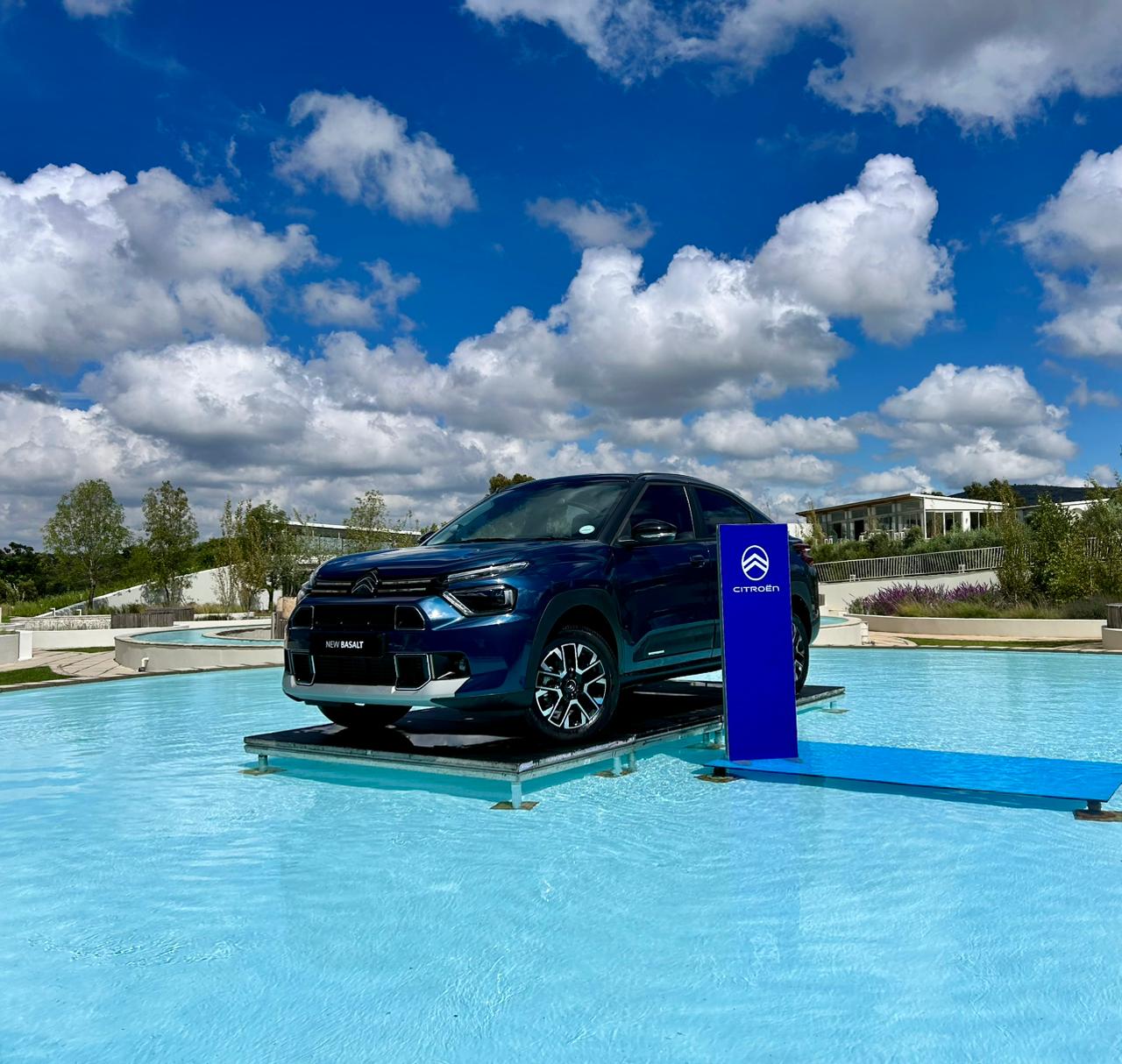
We arrived at the launch venue in Muldersdrift, where the new Basalt was waiting for us. Citroen is positioning it as a compact SUV coupé, a body style that blends SUV presence with a sleeker, more lifestyle-led silhouette. It is a first for the brand in this segment locally, and it signals a shift in how Citroen wants to be seen. Less quirky outsider, more serious contender.
Built in India and designed for emerging markets, the Basalt lands in the high-volume B-segment, which remains the beating heart of South Africa’s passenger car market. That alone makes this launch significant.
More importantly, it gets some of the basics right.
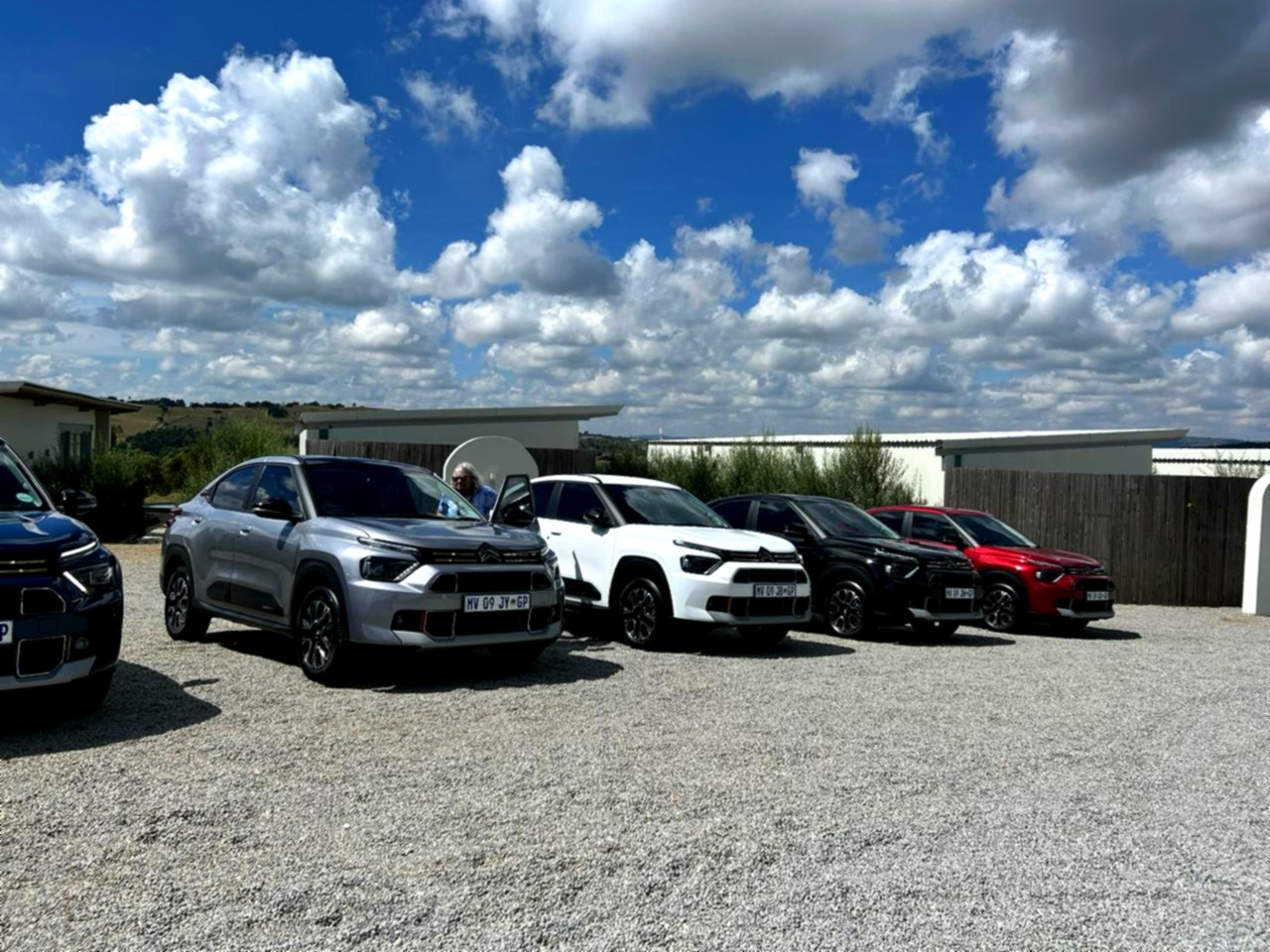
The Basalt uses familiar Stellantis hardware, including the same 1.2-litre turbocharged petrol engine and six-speed automatic transmission found in models such as the C3 and Aircross. That is no accident. It is a proven setup, relatively efficient and cost-conscious, which should help from both a pricing and ownership point of view.
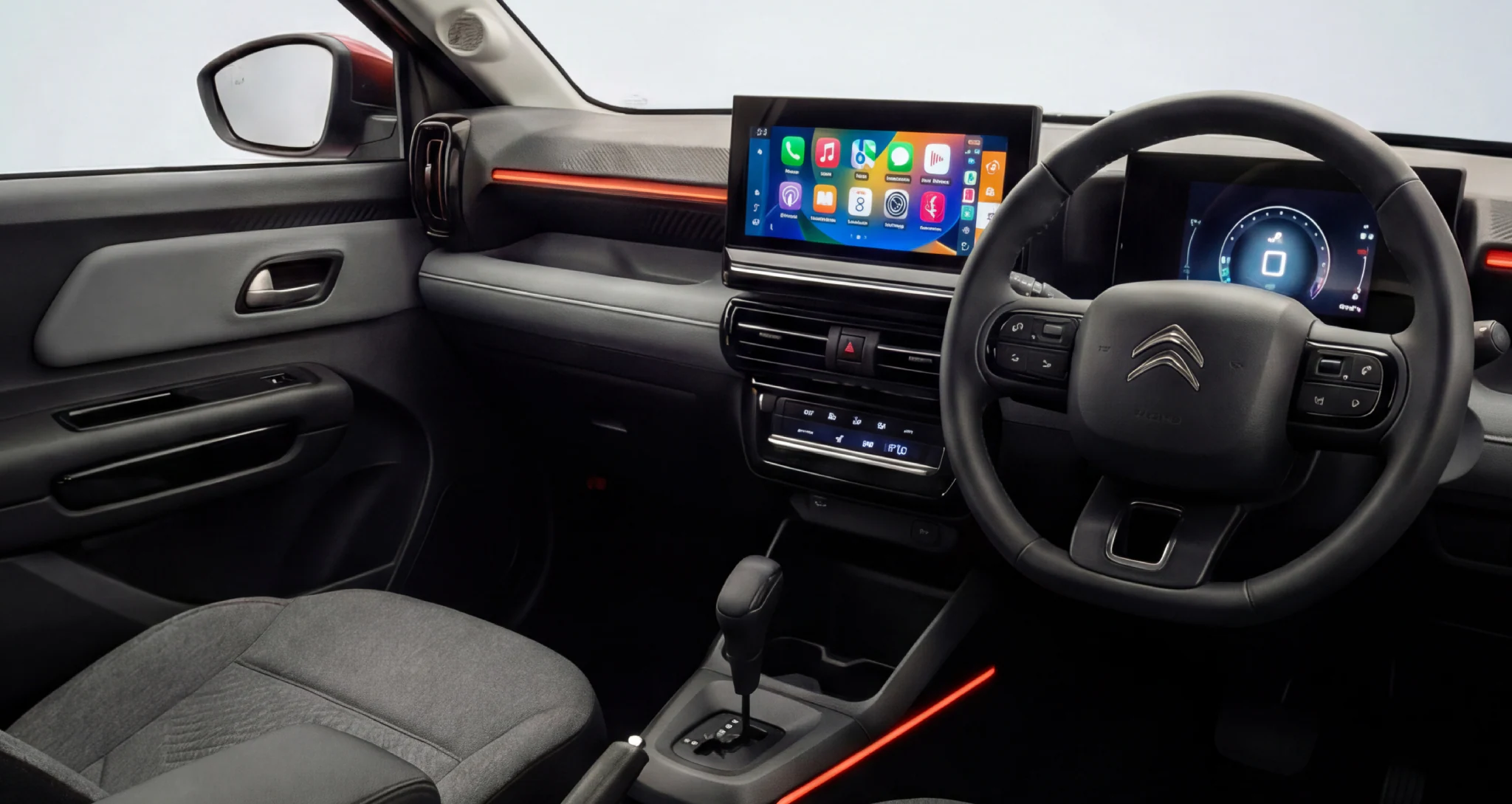
On paper, the Basalt makes a sensible case for itself. It offers a roomy cabin, a generous 470-litre boot and the essentials buyers now expect, including a 10-inch touchscreen with Apple CarPlay and Android Auto. Its elevated ride height also feels appropriate for local conditions.
The Chinese question
Then there is the elephant in the room. Chinese brands have dramatically altered the local market. From Chery and GWM to newer arrivals such as Omoda, Jaecoo and Jetour, they are not merely participating, they are reshaping what value looks like. Buyers have become used to getting more kit, more visual drama and more perceived value for their money. Against that backdrop, the Basalt feels conservative.
That is not necessarily a bad thing, but it does make its job harder. Its outputs are modest and its petrol-only offering does not exactly lean into the kind of showroom theatre that many modern buyers have come to expect.
So is it viable
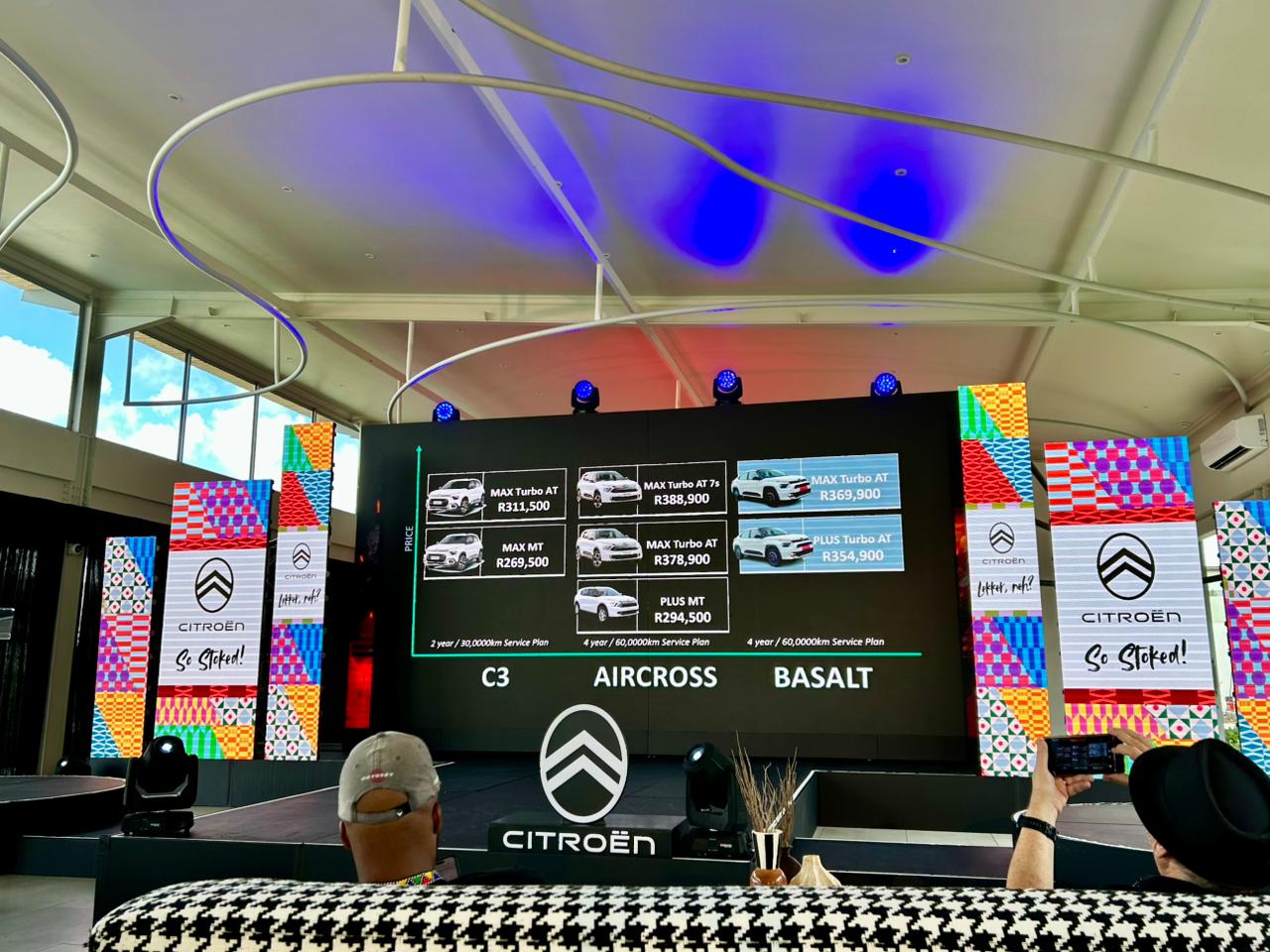
The answer is yes, but with some conditions. The Basalt’s biggest strength is that it understands where the market still moves volume. It sits below the R400,000 mark, which is where a large portion of South Africa’s passenger vehicle market continues to play. That gives it a real chance.
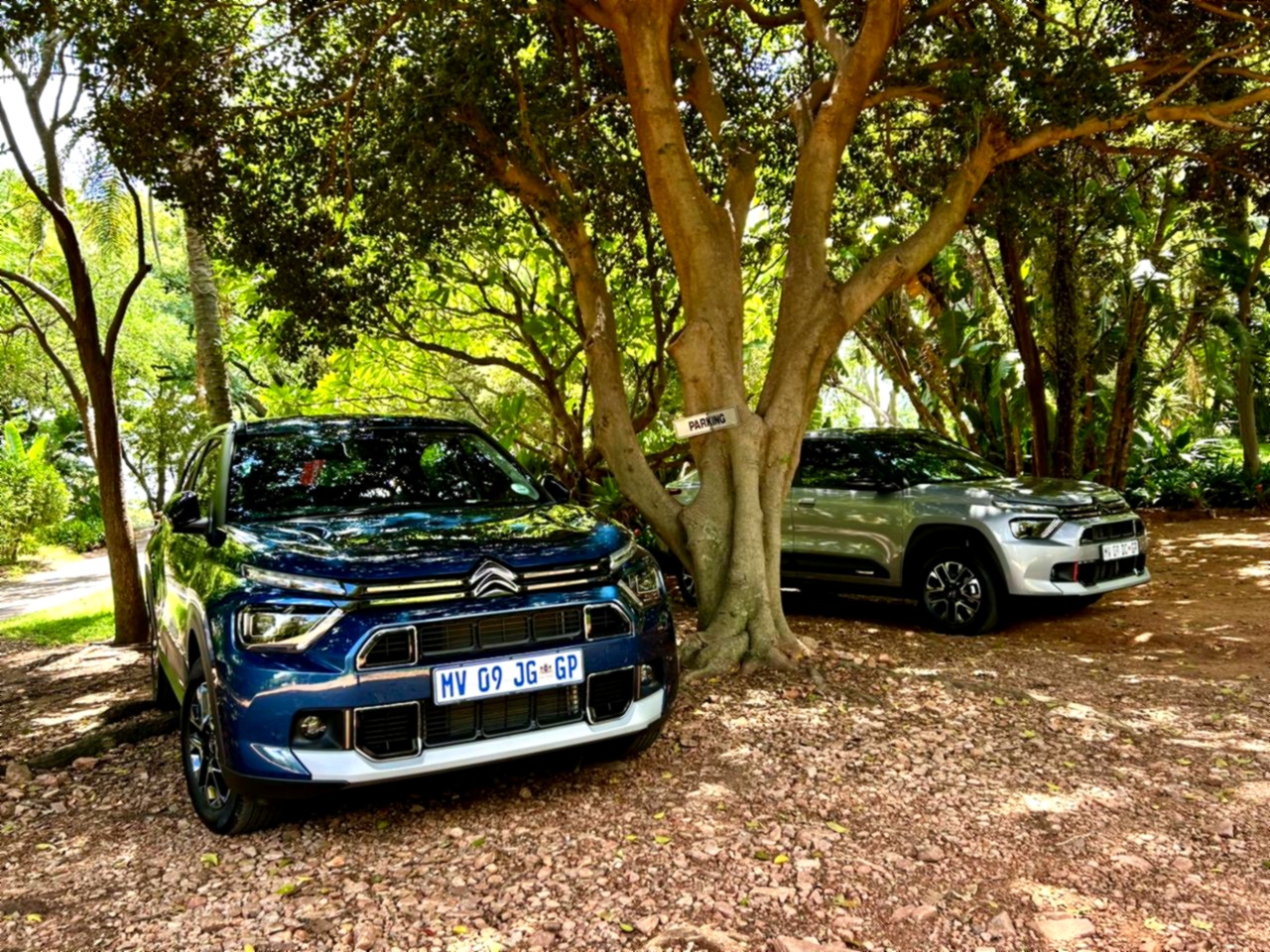
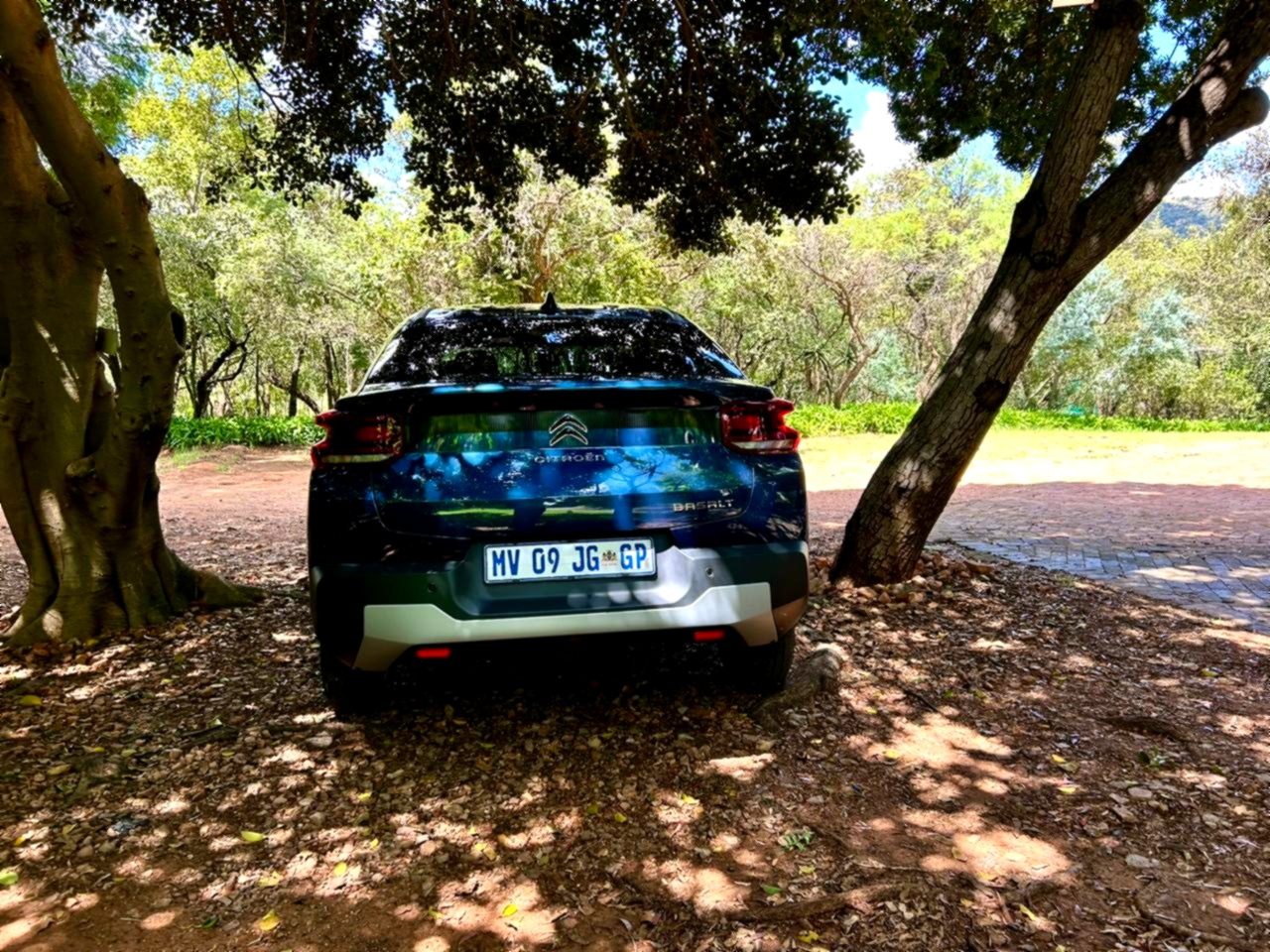
It also offers something many buyers still value deeply: simplicity. The Basalt is likely to appeal to someone who wants stylish daily transport, SUV-like practicality and manageable running costs, assuming Citroen can back that up with a solid aftersales experience. In that sense, it comes across as a quietly confident alternative. It is not trying to dazzle. It is trying to reassure.
Where it may struggle
The problem is that reassurance does not always win showroom battles. Park the Basalt next to some of its rivals and it risks being overshadowed by feature- heavy competitors that promise more tech, more flash and more perceived luxury for similar money. That matters in this market.
Then there is the brand itself. Citroen may have heritage, but in South Africa it still does not enjoy the same resale confidence or dealer footprint as some of its competitors. That remains a hurdle, no matter how sensible the product is.
The bigger Stellantis play
The Basalt is not a silver bullet. It is part of a broader plan. Citroen executives were quick to assure us that their Midrand warehouse is well stocked with parts, with the aim of supporting smoother aftersales and improving confidence in the brand. That matters, because no product can succeed in this market if the ownership experience feels uncertain.
The Basalt’s real role may be bigger than its sales numbers alone. It has to help anchor the brand in the volume segment, get more cars on the road and make Citroen feel relevant again.
Verdict
In a market increasingly obsessed with screens, specs and status, the Basalt leans into comfort, space, simplicity and, hopefully, affordability.Its engine did feel slightly underpowered, but for the role this car is meant to play, it may be enough. The bigger question is whether South African buyers, currently spoilt by high-tech, high-value Chinese alternatives, will see that as enough. If the Basalt succeeds, it will not only be because of what it is on paper. It will be because it finds the right buyer at the right moment.
Fact sheet