By Staff Writer
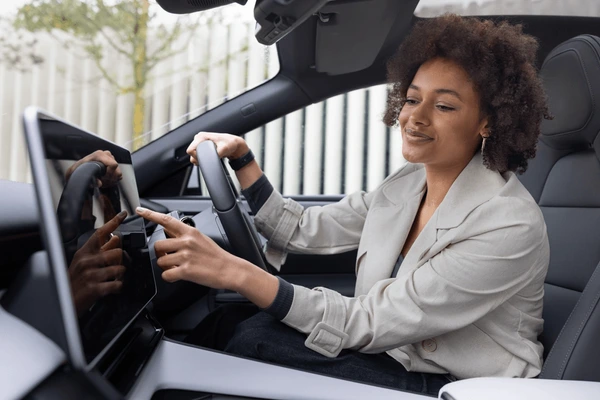
Step into almost any new Chinese-manufactured vehicle landing in South Africa right now, and one thing is guaranteed to dominate the cabin: the screen. Wide, glossy, tablet-like and often stretching across half the dashboard.
For many South African motorists, that screen symbolises progress, signals modernity and feels premium. In a market where value-for-money matters and visual impact sells, a large infotainment display has become shorthand for “latest technology”.
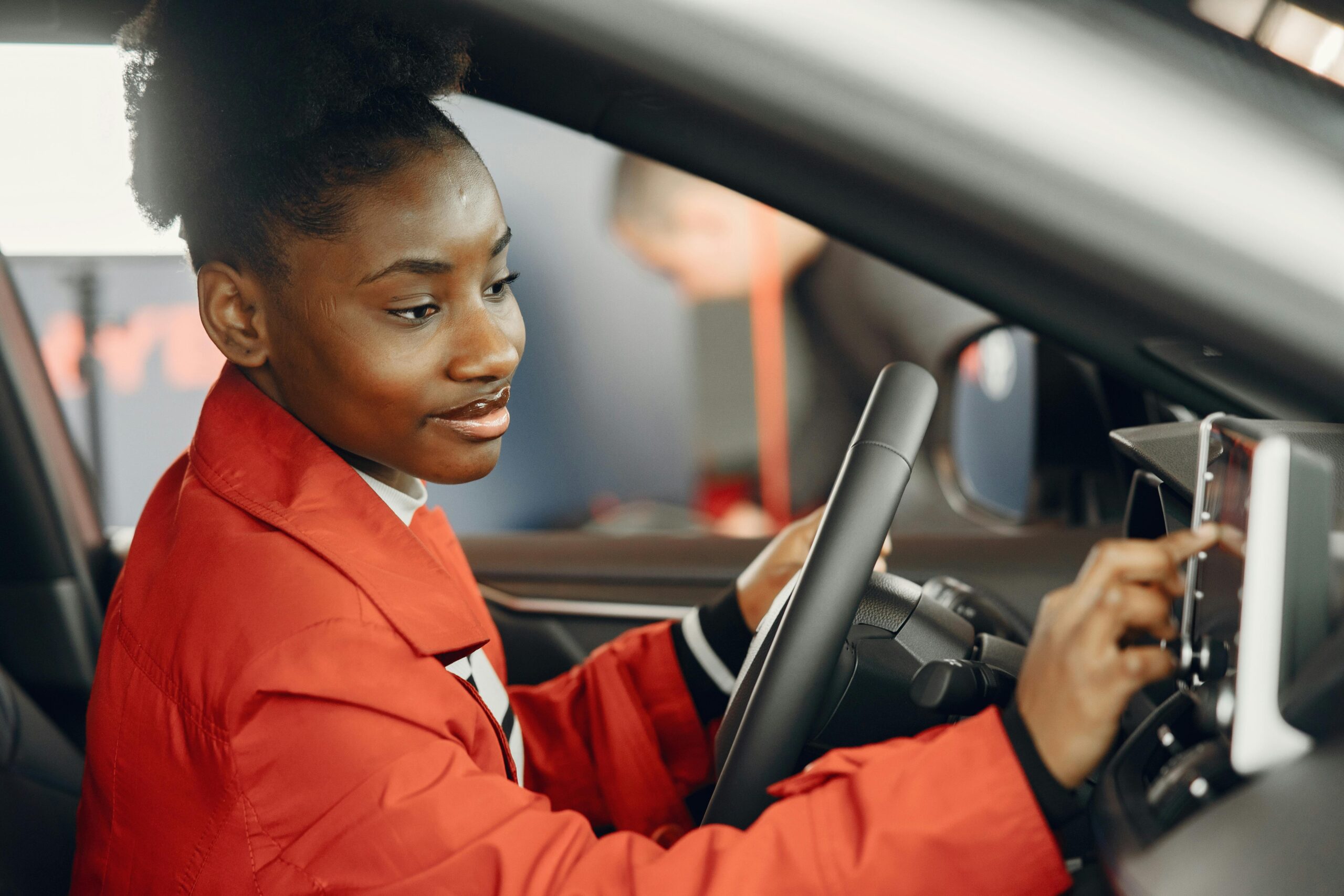
And to be fair, these systems offer impressive functionality. Crisp graphics, seamless smartphone integration, configurable displays and a digital-first experience that would have seemed futuristic a decade ago.
But there is a conversation we are not having loudly enough. Not about whether screens are impressive. The question is whether we fully understand how they affect driver attention.
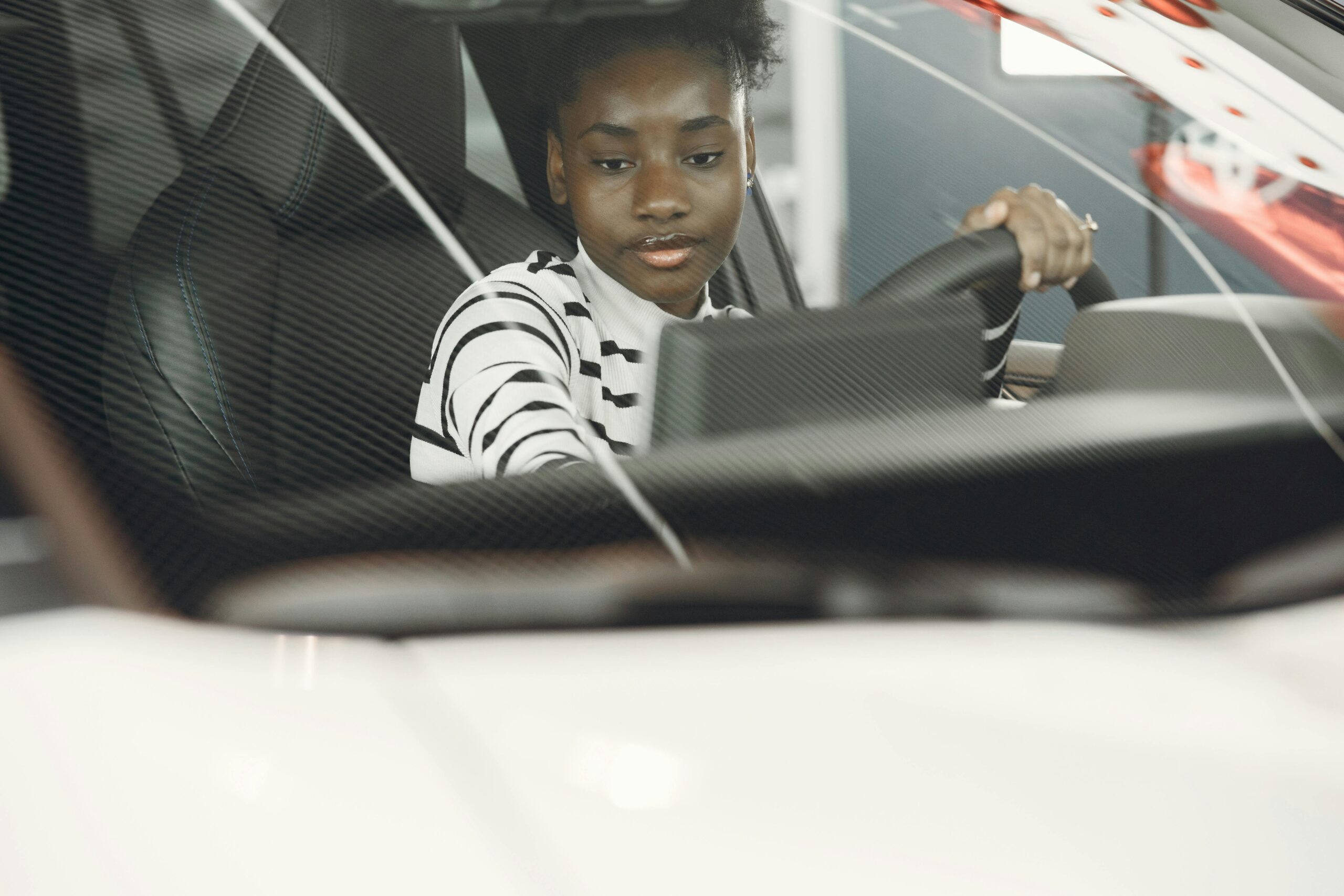
Human factors research has consistently shown that distraction behind the wheel is not limited to mobile phones. Distraction occurs whenever your eyes leave the road, your hands leave the wheel or your mind shifts away from the primary task of driving. Touchscreen interaction often involves all three.
Adjusting cabin temperature on a physical knob requires minimal thought. You reach, turn without looking and continue scanning the road. Adjusting that same temperature through a digital slider typically requires you to glance down, locate the menu, confirm the input and then return your focus forward. At highway speeds, those seconds are not theoretical. They translate directly into distance travelled without full attention.
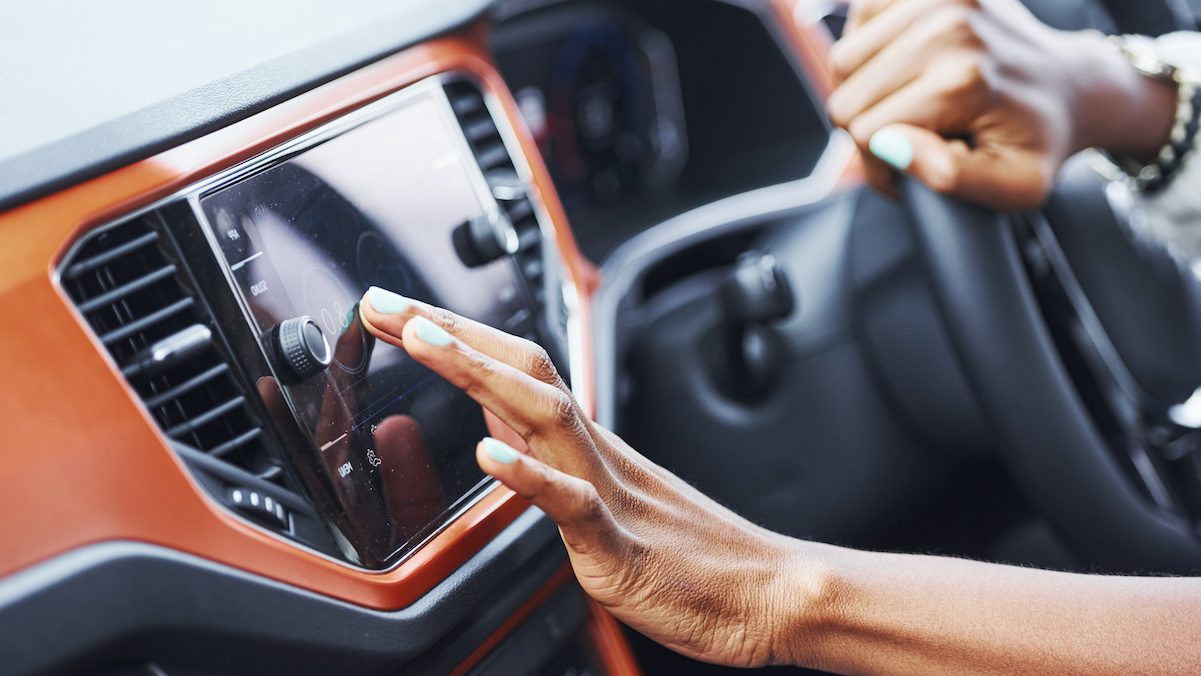
In controlled studies overseas, reaction times increased significantly when drivers interacted with touchscreens. Lane keeping deteriorated. Hazard response slowed. Even voice control, often marketed as the safer alternative, still showed measurable impact on driving performance compared to baseline driving with no secondary task.
International safety bodies have started responding. From 2026, Australia’s ANCAP and Europe’s Euro NCAP will require certain critical controls to be physical buttons if manufacturers want top safety ratings. In other words, the industry is being nudged to rethink its screen obsession.
None of this means large screens are inherently unsafe. Nor does it suggest that manufacturers in South Africa are reversing course. Quite the opposite. The screen race is accelerating, particularly among newer entrants who are reshaping expectations around cabin design and perceived luxury.
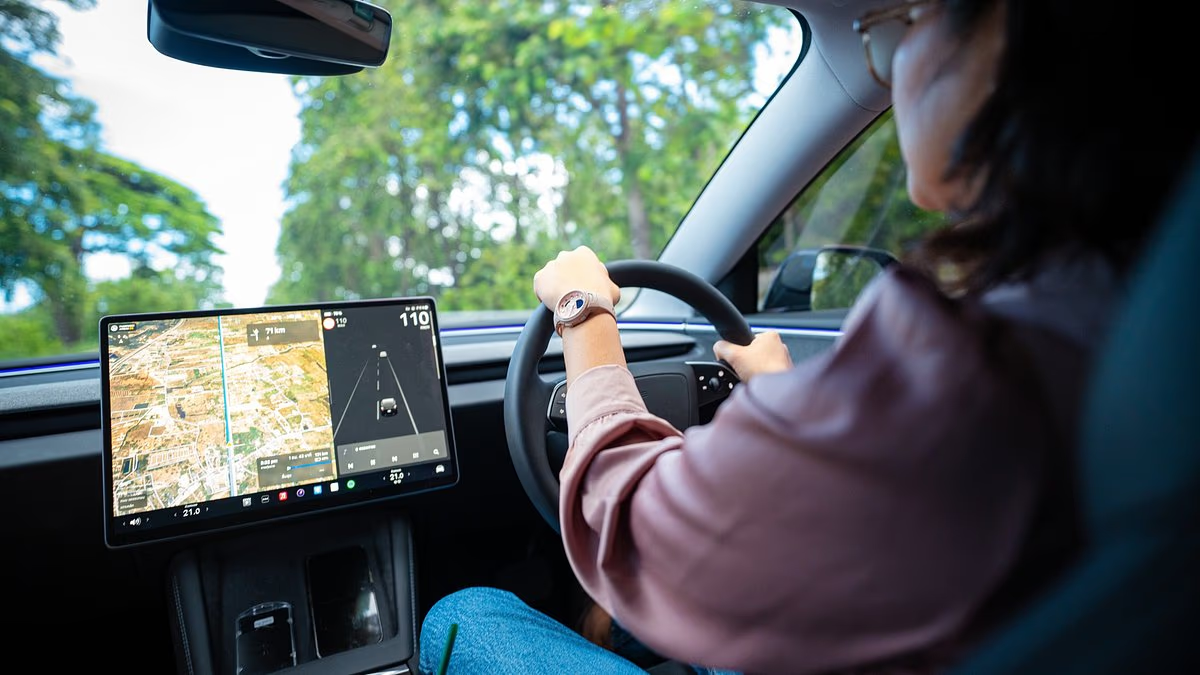
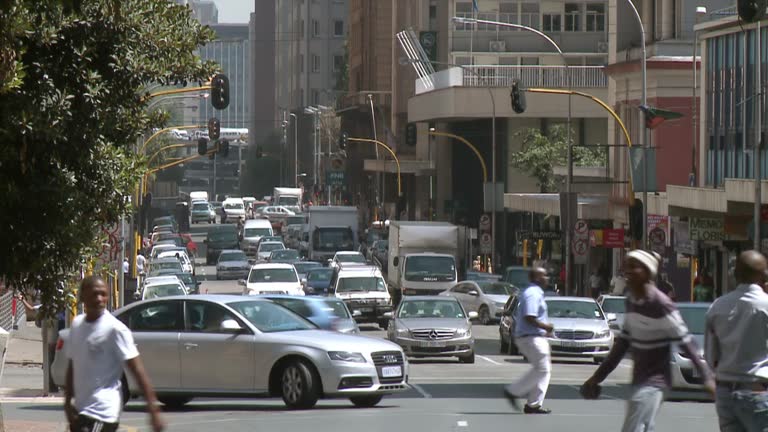
The nuance lies in how we use them. South Africa’s driving environment is already complex. Variable road quality, inconsistent lighting, unpredictable pedestrian movement and high traffic density demand constant vigilance. Many vehicles on our roads also lack advanced driver assistance systems that can compensate for momentary lapses in concentration. In that context, additional visual-manual interaction becomes more consequential.
There is also a psychological layer. Because these systems feel advanced, we subconsciously assume they are safer. Bigger screen equals better car. Digital equals superior. Yet interface sophistication does not automatically equal ergonomic safety.
This is not an argument against innovation. It is a call for balance.
If frequently used driving functions such as demisting, volume or temperature are buried in layered menus, drivers need to be deliberate about when they adjust them. Ideally, set navigation, music and climate before moving off. Minimise in-motion interaction. Learn shortcut controls and steering wheel buttons thoroughly. Treat the screen as a tool, not an entertainment centre while driving.
As buyers, we should also test usability during a test drive. Can you adjust key controls without prolonged visual diversion. Are essential functions intuitive. Does the system simplify or complicate your driving experience.
South African motorists are rightly excited about accessible new technology. The democratisation of digital cabins is reshaping the market in positive ways. But aspiration should not eclipse awareness.
The smartest car is not the one with the biggest screen. It is the one that allows you to keep your eyes where they belong: firmly on the road ahead.