By Staff Writer
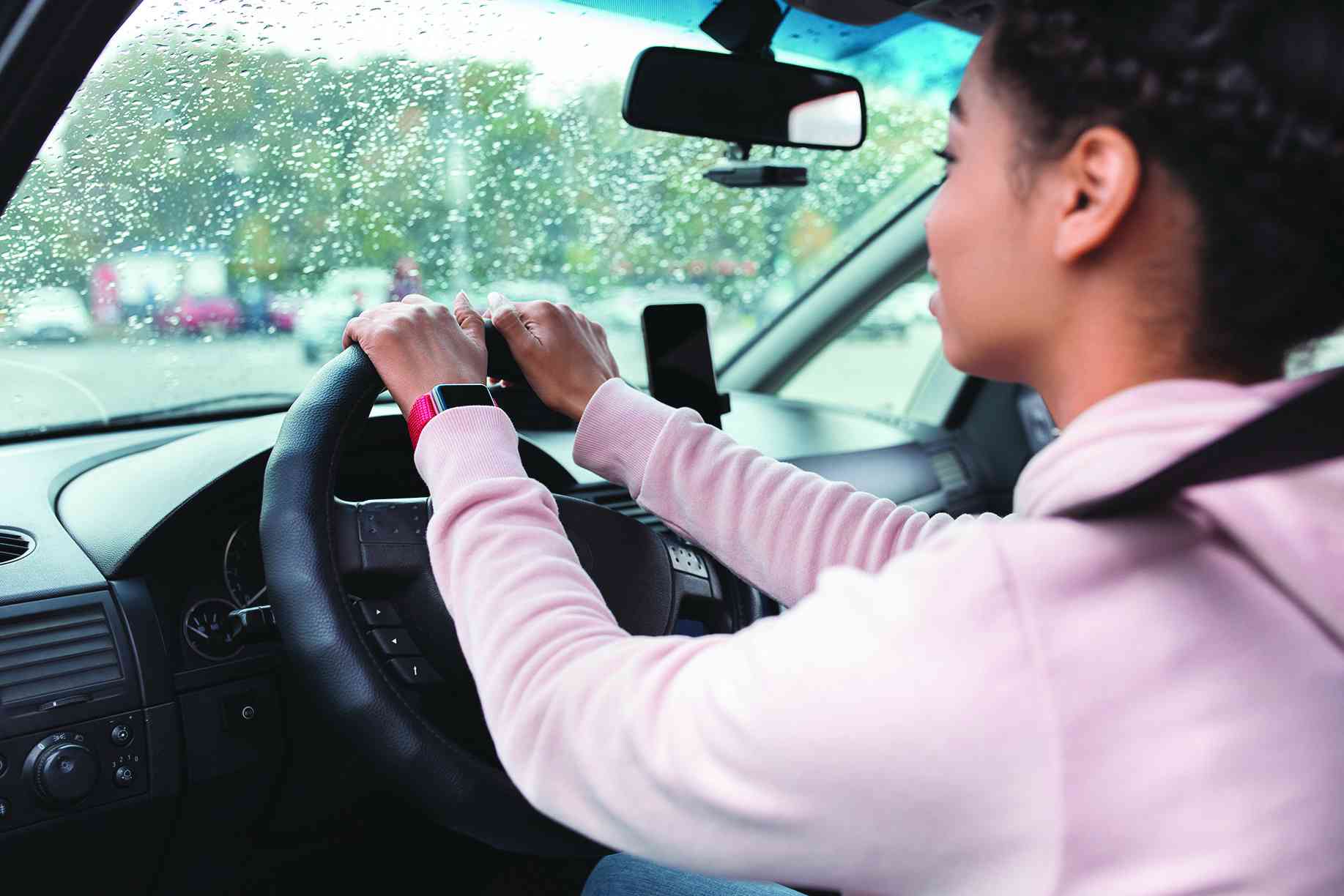
The first proper rains after weeks of dry weather are always dramatic. Within minutes, visibility drops, traffic slows and hazard lights start flickering across the highway. Yet despite the collective caution, crashes spike.
So do we actually drive more safely in the rain, or do we just think we do?
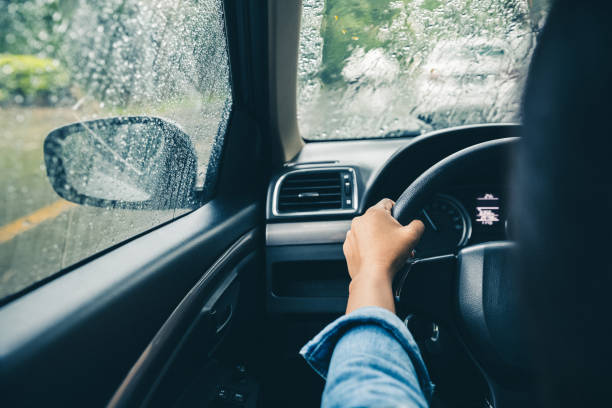
Research from various countries suggests most drivers instinctively slow down when it rains. They increase following distance and reduce overtaking. On paper, that sounds reassuring. But the reality on South African roads is more complex.
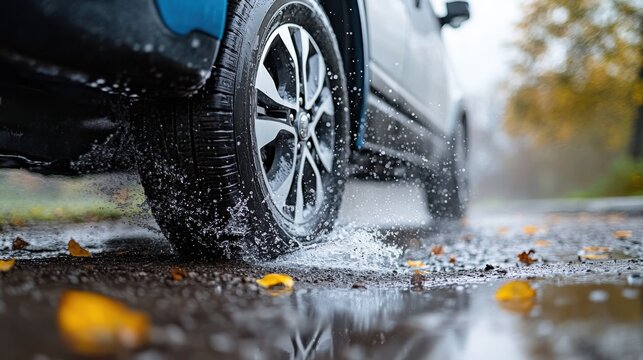
Rain does not simply make the road wet. After a long dry spell, oil and grime build up on the surface. The first rainfall lifts that residue, creating a slippery film that reduces tyre grip dramatically. If your tyres are already worn, braking distances increase even more. Add faded road markings, inconsistent drainage and standing water, and the margin for error shrinks quickly.
The research also shows that some drivers underestimate risk. Experience can create overconfidence. A middle-aged driver who has navigated dozens of storms may perceive rain as manageable. A younger driver, still developing judgement, may struggle to recalibrate speed appropriately. Other studies suggest young drivers are more likely to speed in poor weather, which increases both crash likelihood and severity.
Gender differences appear in some research, with male drivers statistically more prone to risky behaviours in rain. But the more important insight is not who takes risks. It is why.
Driving in the rain demands more cognitive load. Visibility drops. Glare from oncoming headlights intensifies. Demisters and wipers must be used correctly. Many drivers do not realise that improper use of ventilation systems can fog windows internally, compounding visibility issues. Meanwhile, everyday distractions continue. Passengers talk. Phones buzz. Traffic compresses.

In South Africa, the situation is amplified by vehicle age. A significant portion of the national fleet lacks advanced safety systems such as electronic stability control or sophisticated traction management. When a car begins to aquaplane, the technology buffer available in newer vehicles is simply not there.
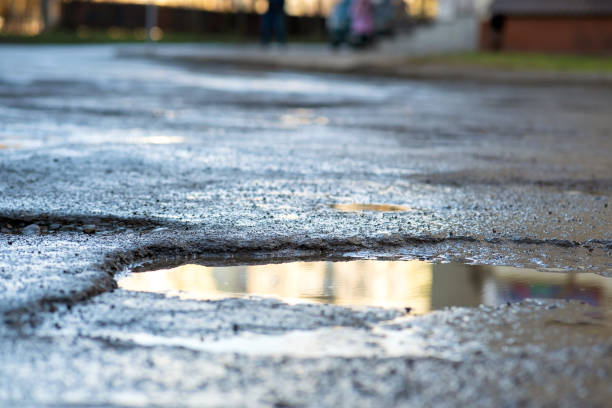
Infrastructure also matters. In areas where stormwater drainage is inadequate, water pools quickly. On highways, trucks spray heavy mist, obscuring vision. In townships and peri-urban areas, potholes hidden beneath water create sudden steering corrections that destabilise vehicles.
So yes, most drivers intend to be cautious in the rain. But intention does not always translate into safe outcomes.
What should change is not just behaviour, but awareness. Rain requires deliberate adjustment. Reduce speed earlier than feels necessary. Increase following distance to at least three to five seconds. Switch on headlights, not just daytime running lights. Brake progressively, not abruptly. Avoid sudden steering inputs. Check tyre tread depth regularly, especially before the summer rainfall season.
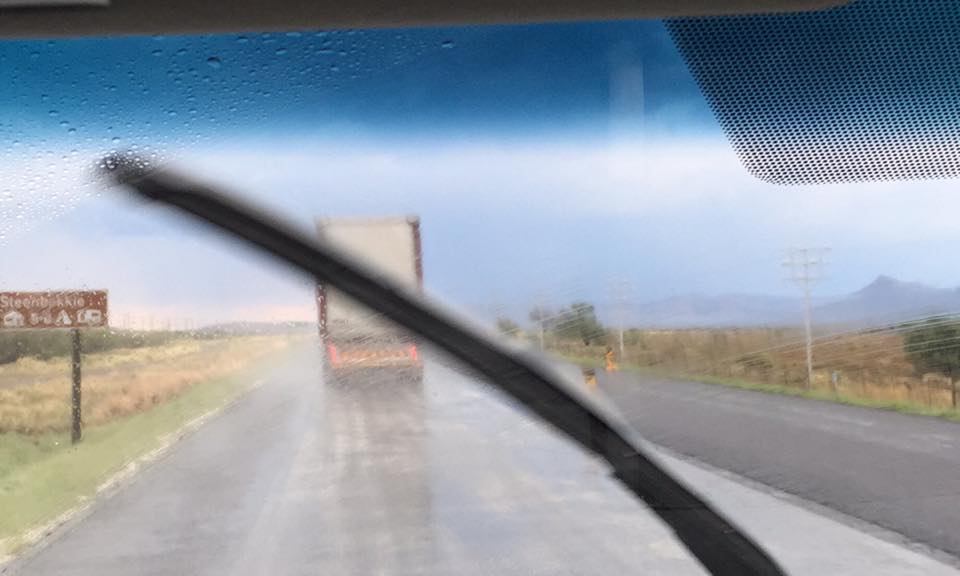
Most importantly, respect the first thirty minutes of rain after a dry period. That is when roads are at their most deceptive.
Driving in South Africa already requires vigilance. When the skies open, that vigilance must double. Rain does not forgive complacency. It exposes it.
And on our roads, exposure can be unforgiving.