By Staff Writer
If you’ve bought a car in the last five years, chances are it comes standard with safety technology designed to protect you, and sometimes even take the wheel when danger strikes. Knowing how these systems work can make a huge difference in how confident and safe you feel on South African roads. Some features, like autonomous emergency braking, can even bring your car to a complete stop if a collision is imminent. It can be alarming at first and might jolt you; but that split-second intervention can prevent serious accidents. The key is understanding what’s available and how to get the most out of it.
Autonomous Emergency Braking (AEB)
What it does: Detects potential collisions with vehicles, pedestrians, or obstacles and applies the brakes automatically.
Why it matters: It reduces the risk or severity of front-end collisions.
Tip: Keep sensors clean, maintain a safe following distance, and remember that AEB assists, and it doesn’t replace alert driving.

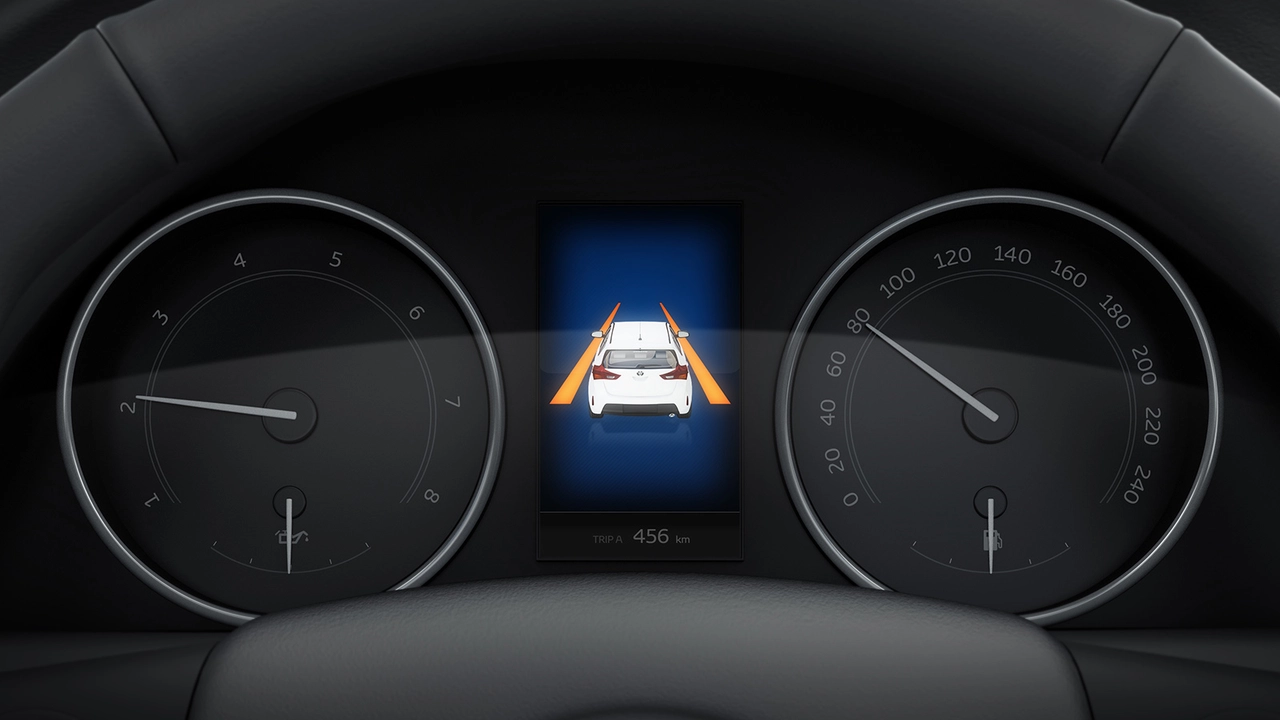
Lane Departure Warning & Lane Keeping Assist
What it does: Alerts you if you drift out of your lane and gently steers the car back if needed.
Why it matters: It prevents accidents caused by unintentional lane drifting.
Tip: Use these aids as support, not a replacement for focus. Clear lane markings help the system work optimally.
Blind Spot Monitoring & Rear Cross-Traffic Alert
What it does: Warns you of vehicles in your blind spots or crossing behind you while reversing.
Why it matters: It reduces side-impact collisions and backing-up accidents.
Tip: Always double-check your mirrors and surroundings; the alerts are a guide, not a substitute for careful observation.

Electronic Stability Control (ESC)
What it does: Monitors steering and braking to prevent skidding or loss of control.
Why it matters: It helps to keep the car stable in slippery conditions or during sudden manoeuvres.
Tip: Keep tyres properly inflated and drive at safe speeds; ESC complements good driving habits.
Adaptive Cruise Control (ACC)
What it does: Maintains a set speed and a safe distance from the vehicle ahead.
Why it matters: It reduces rear-end collisions in stop-and-go traffic.
Tip: Use on moderate traffic roads, keep hands on the wheel, and stay attentive. ACC can’t react to every hazard.

Parking Sensors & 360° Cameras
What it does: Detects obstacles around your car and provides a top-down view for precise manoeuvring.
Why it matters: It helps to avoid low-speed collisions and scrapes while parking.
Tip: Combine with mirrors and visual checks; sensors are a helpful guide, not a
replacement for awareness.
Tyre Pressure Monitoring System (TPMS)
What it does: Alerts you when tyre pressure is low.
Why it matters: It prevents blowouts and keeps handling and braking optimal.
Tip: Check all tyres regularly, including the spare, and maintain recommended inflation.

Driver Attention Monitoring
What it does: Detects signs of drowsiness or inattention and issues alerts.
Why it matters: It helps prevent fatigue-related accidents.
Tip: Take alerts seriously, stop for a break, and prioritise rest before long drives.
Traffic Sign Recognition
What it does: Identifies road signs like speed limits and displays them to the driver.
Why it matters: It keeps you informed and reduces the chance of traffic violations.
Tip: Treat it as a reminder; always verify with road signs and driving conditions.