By Ntambo Mabuza
South Africa has moved swiftly to strengthen its biosecurity defences against the spread of the dreaded Foot-and-Mouth Disease (FMD). In a key development, Minister of Agriculture John Steenhuisen has welcomed the arrival of a consignment of FMD vaccines from Botswana, describing it as a significant step in combating a disease that has already cost the livestock sector millions in lost revenue.
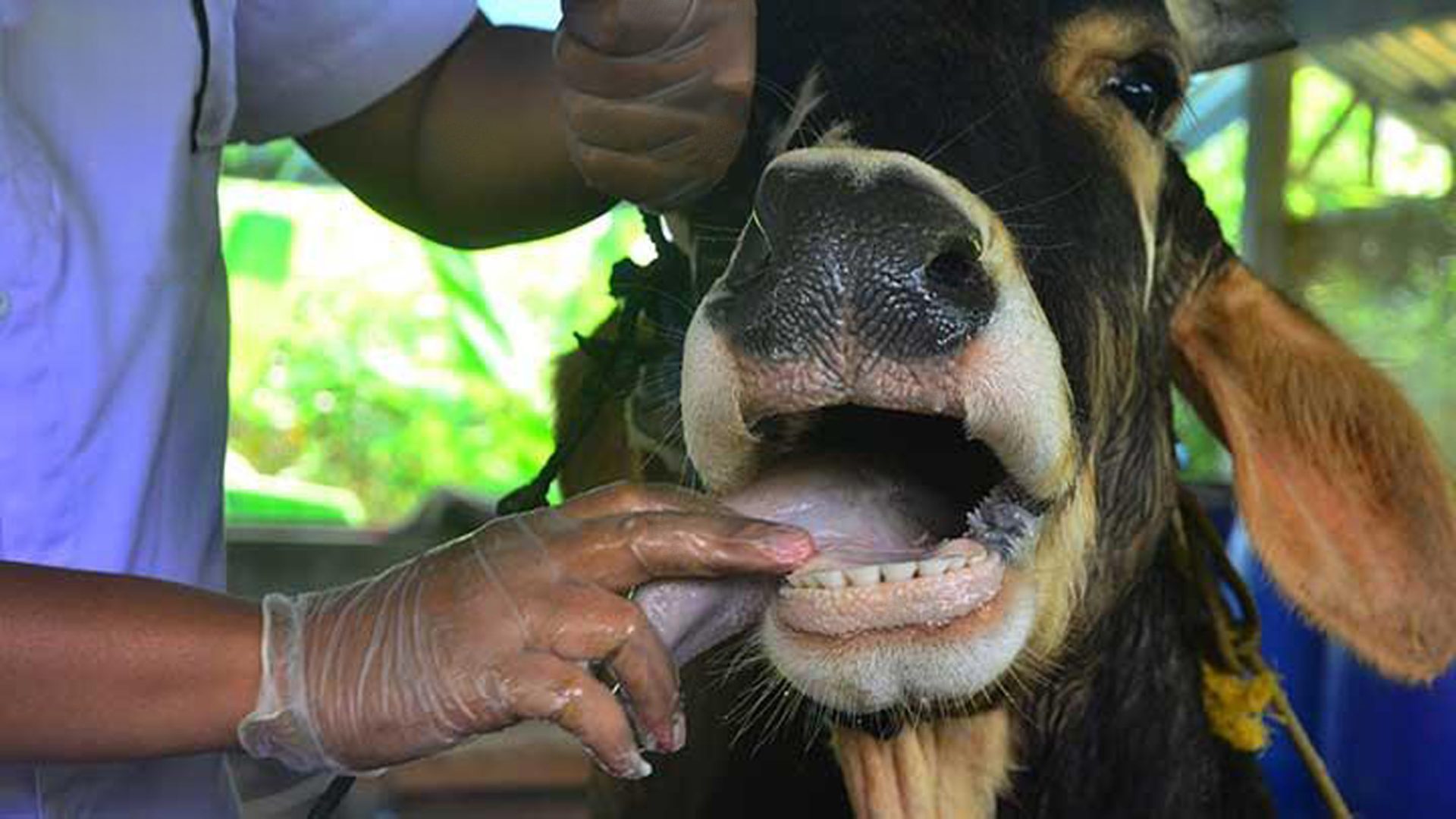
Foot and Mouth Disease is a highly contagious viral infection that affects cloven-hoofed animals. Symptoms include painful sores in the mouth, blisters on the feet, difficulty eating and lameness, all of which severely reduce herd productivity.
The disease is primarily carried by African buffalo and is most commonly found in designated Protection Zone areas bordering the Kruger National Park, which stretches across parts of Limpopo, Mpumalanga and KwaZulu-Natal.

However, as the latest outbreak has shown, no part of the country is truly immune. The disease can spread quickly through the movement of infected animals, people or goods. In Gauteng, clusters of cases have been reported in the East Rand, West Rand and Heidelberg areas. Further outbreaks have also been confirmed around Ventersdorp, Potchefstroom and Rustenburg in the North West province.
Since the resurgence of FMD several weeks ago, government has highlighted the vital role that farmers and other stakeholders play in containing the spread of the disease. There has been a strong focus on tightening biosecurity measures and improving record-keeping to ensure the traceability of potentially infected livestock.

Under established protocols, any suspected outbreak must be reported to state veterinary officials, and infected animals must be isolated for 28 days, which is twice the virus’s 14-day incubation period. In more serious cases, government may implement stricter control measures, including full bans on the movement and trade of animals within areas declared Disease Management Zones, in an effort to contain the spread.
While these measures remain the first line of defence, the arrival of vaccines marks a crucial new phase in the national response. Vaccination not only helps reduce the severity and spread of the disease in affected areas but also strengthens the immunity of at-risk herds.
The vaccines are administered solely by the state-owned Onderstepoort Biological Products at no cost to farmers. Each dose costs government around R100. The latest consignment from the Botswana Vaccine Institute is worth R72 million, drawn from the R1.2 billion budgeted for the 2025/2026 financial year.

Given the frequency and unpredictability of FMD outbreaks, securing the long-term productivity of the national herd has become an urgent priority. The cost of importing vaccines and the broader issue of vaccine sovereignty have now come under the spotlight.
In response, Minister Steenhuisen has reaffirmed that government’s plan to eliminate FMD includes building local vaccine manufacturing capacity, led by Onderstepoort Biological Products and the Agricultural Research Council. The ripple effects are being felt by consumers too, with the price of red meat continuing to climb as supply pressures mount.