By Aurelia Mbokazi-Kashe
Shatadi Segadime Montjane left a 25-year corporate career as a Corporate Social Investment (CSI) Manager at Transnet National Ports Authority (TNPA) to follow her passion, farming pigs on communal land in Parys, Free State. What began with just four pigs in February 2024 has grown into a thriving piggery, supplying quality pork to a growing customer base across the Free State and Gauteng.
You spent decades as a CSI manager at Transnet. What lessons from that time
shape how you farm today?
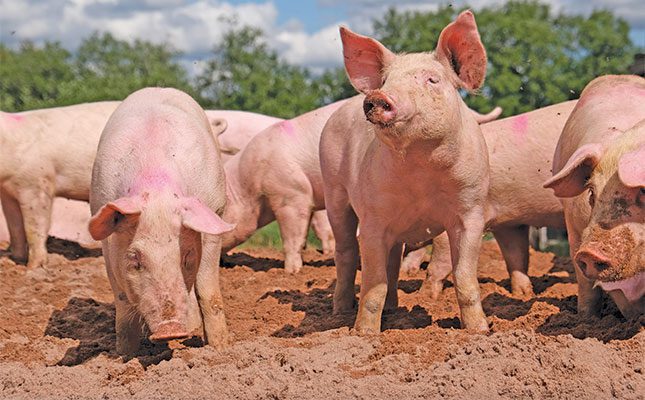
My experience in CSI taught me to lead with heart but build with structure. I’ve always believed in sustainable, impactful work, and that hasn’t changed; only the setting has. I now focus on feeding families, training young people and growing the economy through farming. I started with four pigs in February 2024. With careful breeding and consistency, I now run a thriving piggery of F1 Landrace pigs, known for their good growth and meat quality. Every day, I apply lessons from corporate to grow something meaningful.

Pig farming can be quite complex. What drew you to it, and how did you prepare
for the shift?
I took a short piggery course, but most of my learning came from trial and error, some of it painful. I’ve lost mature pigs, and with feed being so expensive, every mistake costs money. But I’ve grown more confident with time. What drew me in was how pigs respond to care. They’re intelligent and affectionate. I treat them with love, and they recognise me. Sadly, not everyone working with animals feels the same. It breaks my heart when I see them mistreated, because pigs feel pain too, you hear it in their cries.

You’ve recently started farming in Parys. What have been your biggest challenges?
I farm on communal land in Masakeng, Tumahole, without ownership or a lease, which means I don’t qualify for funding or support; everything comes from my pocket. The physical work has been a big adjustment, too.
From pushing wheelbarrows to setting up fencing, I’ve had to toughen up quickly. I’ve lost pigs to extreme Free State weather because I can’t yet afford proper housing. Theft has also been a painful setback, especially when you’ve raised animals with care. But the toughest lesson has been dealing with unreliable workers, people who neglect feeding or steal feed and livestock.
It can ruin everything overnight. I’ve learnt to invest in my team as much as my pigs: train them, supervise closely and build trust carefully. Farming is not just about animals, it’s about people too, and getting that balance right is key to survival and success.

How have you tackled challenges like market access and limited infrastructure?
I started without a ready-made market, but consistent quality, cleanliness and care attracted customers and business grew via social media and word of mouth. Orders come in monthly, and I only slaughter on confirmed requests to manage costs. Customers place their orders from the 1st to the 20th of each month, and collections are from the 25th to the end of the month.
I sell across Parys and Soweto, including live pigs for traditional use, and pork via
certified abattoirs. I’ve also added pork sausages and Russians. Without land
ownership, funding is tough, so I’ve diversified by selling eggs and chickens and farming goats to generate quick income. I’m building my brand slowly and laying the groundwork for future growth, one loyal customer at a time.

You’ve shifted from corporate to property and now farming. What keeps you going, especially on tough days?
Purpose keeps me going. I believe farming is a spiritual calling. Even on hard days of losing pigs, missing out on funding, or feeling exhausted, I know I’m where I’m meant to be. The animals bring peace. Working with young people gives me hope. Farming has taken me from a controlled corporate world into the unpredictability of nature, where I’ve found healing, strength and meaning. Shatadi Farming is rooted in hard work, prayer and purpose, and every challenge reminds me why I chose this journey.

What is your vision for Shatadi Farming over the next 3 to 5 years?
My goal is to secure land ownership or a formal lease to give Shatadi Farming a
permanent home. I plan to expand into mixed farming with a fully developed piggery, poultry for meat and eggs, crop production for feed, and agro-processing. I also aim to launch a training and mentorship centre for emerging farmers. I want to feed families, empower young people, and show that women can lead in agriculture. Land remains my biggest challenge, but also the key to unlocking this dream.

Do you see a future for community development within your farming operation?
Absolutely. I already mentor young people who are new to farming but eager to learn. Their energy and commitment inspire me daily. In the long term, I plan to create a training centre through AgriSETA, offering practical skills and internships, especially for women and youth in rural and township areas. For me, farming is not just a business; it’s a tool to fight hunger, unemployment, and reconnect communities with the land.
What advice would you give to professionals, especially women, thinking of leaving corporate life for farming?
Start where you are and use what you’ve got. Farming isn’t easy. It will challenge you, but your resilience will grow. Bring your corporate skills like planning, budgeting and communication. Begin small, learn from mistakes, and protect your spirit, this work is personal. Women bring empathy, patience, and attention to detail, which are great strengths in farming. Remember, farming is more than a business; it’s a way of life. Build with vision, learn from struggles, and never compromise on quality. Farming needs us.
To contact Shatadi Farming, email montjaneshatadi@gmail.com or send messages on WhatsApp to 0825601326