By Aurelia Mbokazi-Kashe
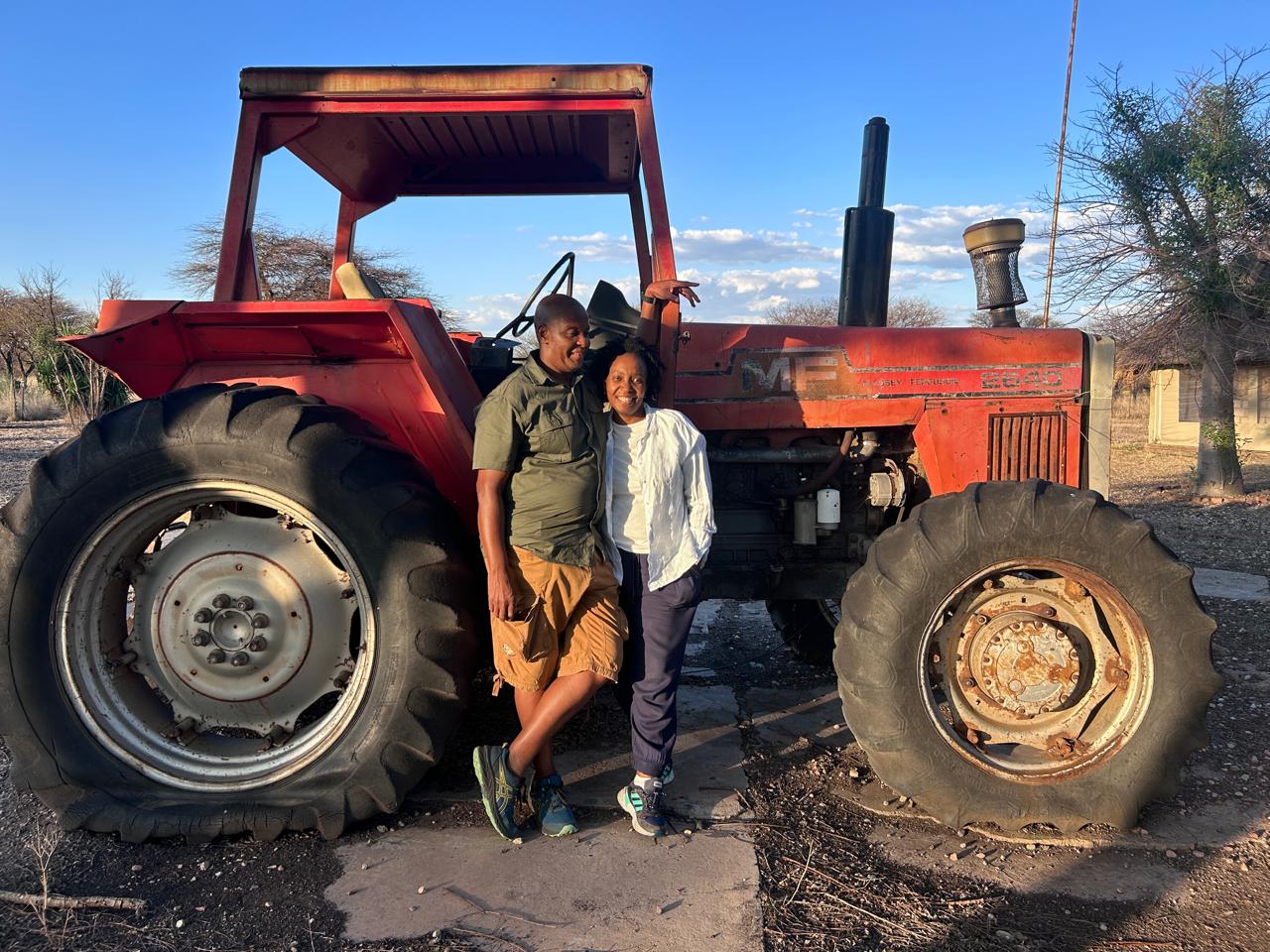
Nothando Mokone, a brand and marketing professional in the aviation industry, began farming during lockdown to keep her children grounded. What started with a few chickens and a small backyard garden soon grew into a passion for growing food. In 2024, she and her family acquired a farm to scale up their efforts. Today, they are building a legacy rooted in sustainability, self-sufficiency and a deep love for the land.

What is your professional background, and what first sparked your interest in
farming?
I work in brand and marketing within the aviation industry, but farming has always lived quietly in a corner of my heart. As a child, my grandmother would have me plant sweet potato slips and what we called “Christmas flowers”, which I later learnt were Hydrangeas. She always said I had green fingers.
During lockdown, we moved to a plot with a big yard and got chickens for the kids. Before long, we were collecting eggs and growing vegetables. Everything we planted seemed to thrive. That sparked something in me: joy, peace and a deep love for growing our own food. We started with iron planters, and one year harvested over 30 Hubbard squashes. It reminded me of my childhood.

In November 2024, we took the leap and bought a farm. What began as a hobby has grown into a purposeful and honestly addictive way of life.

How did you take your first steps into farming? Was it a family tradition or
something you discovered over time?
It was a gentle but brave leap of faith. I did not grow up farming, but I come from a family that values hard work and self-reliance. My husband believes in using your own hands before outsourcing, and that mindset sparked our journey into growing food. The more we planted, the more we learned, and the less we worried about food. Our children began to appreciate what it means to eat from the land. We were craving a simpler, more intentional life and we found it.

Now, I track the rain like a farmer. We aim for 70 to 80 percent of our meals to come from the backyard. From homegrown tomatoes, fresh eggs and potatoes at breakfast, to spinach, garlic butter and chicken at dinner it is all local and lovingly grown. What we cannot eat, we juice or preserve to avoid waste.

What does a typical day look like for you at your plot?
Our plot is in rural Pretoria East and covers about one hectare. I farm part-time, starting most mornings in the garden before work—it is my quiet, sacred time. In winter, I focus on hardy crops like garlic and onions. Weekends are for hands-on work: harvesting, visiting garden centres, checking for pests and feeding the soil. Even a small harvest feels rewarding. The garden truly is the heart of our home.
Why garlic? What drew you to this particular crop, and what have you learned about growing it successfully?
Garlic chose me. I was drawn to its healing properties, bold flavour, and the slow, patient way it grows. It is low maintenance if you trust the process—plant in winter, nurture for nine months, then cure it. As a vegetarian, I care deeply about where my food comes from. Once you taste homegrown garlic, you never go back. I have used it to soothe my kids’ colds and now belong to grower groups where we share tips and support.
You’ve recently acquired more land. What are your plans for the new space, and how will it help grow your business?
We’ve acquired a farm near thriving commercial plots, encouraging company for our next chapter. The land is untouched, so we’re starting from scratch with soil testing, mapping arable areas and locating boreholes. We plan to scale up everything we began on the plot. Garlic will expand to four hectares, and we are already planting spinach, cabbages and potatoes from last season’s seed. Our dream is a regenerative farm and retreat where families reconnect, food is grown honestly and we host farm-to-table events and slow-living workshops to help others grow from home.

What are some of the biggest challenges you’ve faced as a small-scale farmer, and how have you tackled them?
Access to information, tools and markets has been our biggest challenge. Farming part-time means the learning curve is steep, but I have made myself teachable, joining groups, learning from others and swapping fashion magazines for Farmers Weekly. The love for farming must eventually become viable, and that shift can be tough. I always tell young people to start early. You gain time to learn, grow and build something truly sustainable.
As a woman in agriculture, have you faced any unique experiences or barriers, and how have you navigated them?
Farming is still seen as a man’s world. Without a recognised name, you often walk into spaces where no one listens. I have gone door to door with garlic samples and been turned away. We are only now entering the commercial phase, so the bigger challenges are still ahead. But I believe in showing up with purpose. My land knows my name and in time, the industry will too.
What are your long-term goals? Do you see yourself expanding into other crops
or creating products from your garlic harvests?
Absolutely. Garlic is our anchor crop, but we are already growing potatoes, pumpkins, onions, spinach and cabbage. We are also xploring value-added products like garlic salt, sauces and preserves. Long term, I hope to build a lifestyle brand that promotes sustainability, self-sufficiency and a slower, more mindful way of living. One that reminds people that beauty lives in the soil, in simplicity and in taking your time.

What advice would you give to someone who’s just getting started in farming but doesn’t know where to begin?
Start small: even a pot of herbs on a balcony is enough. You do not need land to begin. Farming is not a destination; it is a relationship. You learn by doing, by observing and through small, joyful wins. Trust your instincts. Let the land guide you. One day, what began as a simple lifestyle choice may grow into a calling, and a business rooted in love and purpose.
To contact Mokone, reach her on
083 411 3503, Email : NothandoMokone@icloud.com or Mok_Garlic on Instagram