By Pertunia Mailula, Noluthando Ngcobo & Mamakie Lungwana
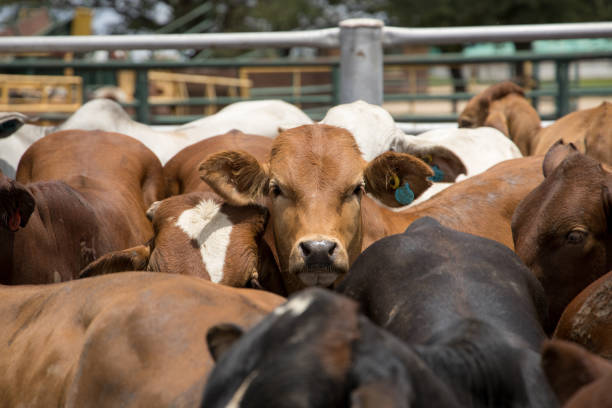
Beef cattle farming is a foundation of South Africa’s rural economy, significantly impacting livelihoods and national economic stability. The sector provides employment opportunities, especially in rural areas where alternative job opportunities are limited. Beef cattle production contributes approximately 0.33% to South Africa’s GDP, equivalent to R26,202 million. However, this important sector is increasingly at risk due to climate change, which threatens its long-term sustainability and productivity.
Change in beef cattle production
Climate change causes many challenges to beef cattle production in South Africa, affecting various aspects of the industry. Over the last 30 years, the sector has experienced major changes because of rising temperatures, changes in rainfall patterns, and more frequency of extreme weather events. The most affected areas in the beef cattle industry include heat stress and animal welfare, forage and water resource management, as well as disease and pest dynamics.
1. Heat Stress and Animal Welfare:
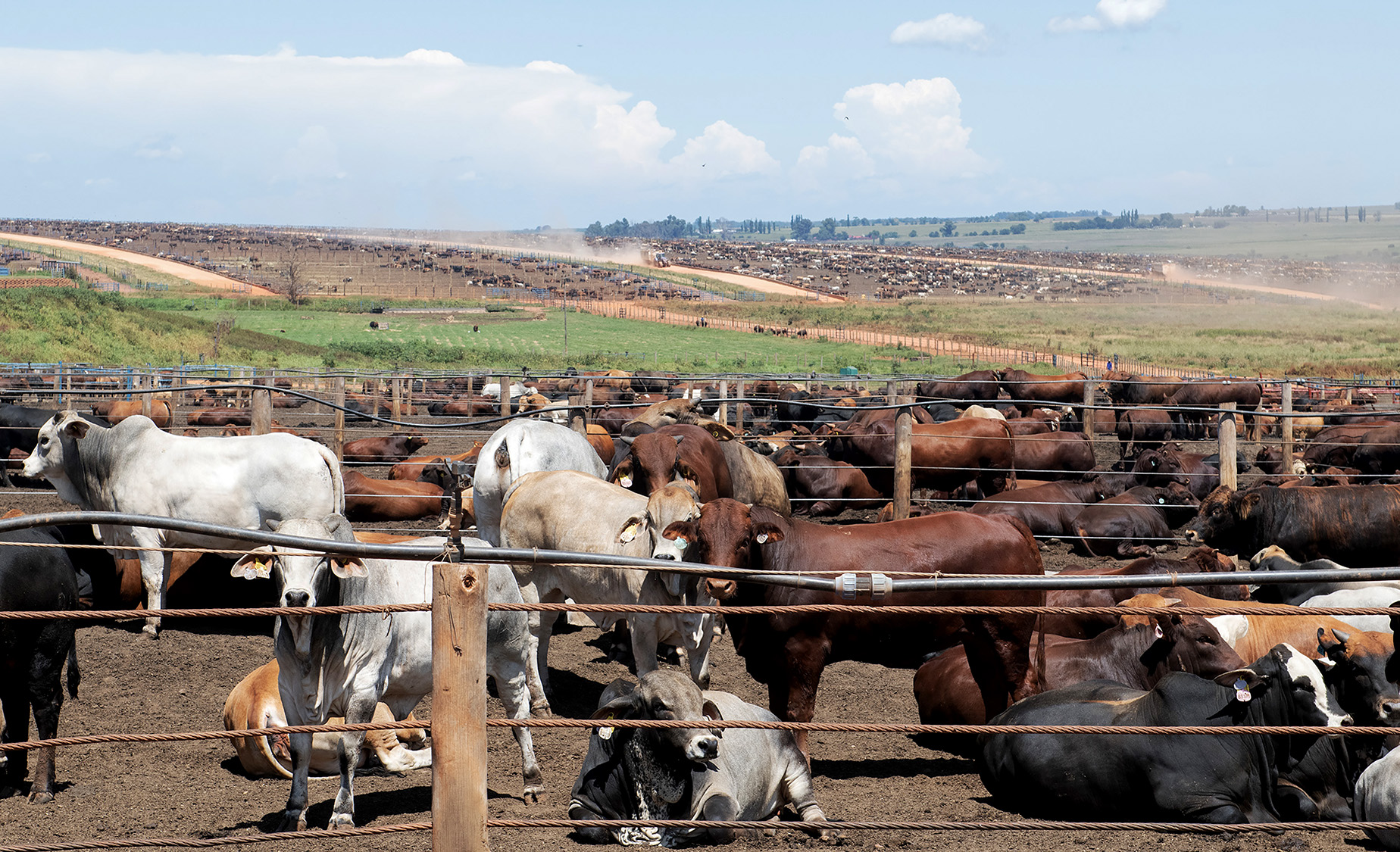
Rising temperatures are a serious threat to cattle welfare. Heat stress harms cattle health by lowering their appetite and reducing reproductive efficiency, which results in less milk production and slower weight gain. This not only affects the animals’ well- being but also the overall productivity of the farm. In extreme cases, heat stress can cause higher death rates among cattle. To reduce these effects, farmers need to implement heat management strategies such as providing enough shade, improving ventilation in housing facilities, ensuring access to cool and clean water. New technologies such as cooling systems and heat-tolerant cattle breeds are also important in managing heat stress.
2. Forage and Water Resource Management:
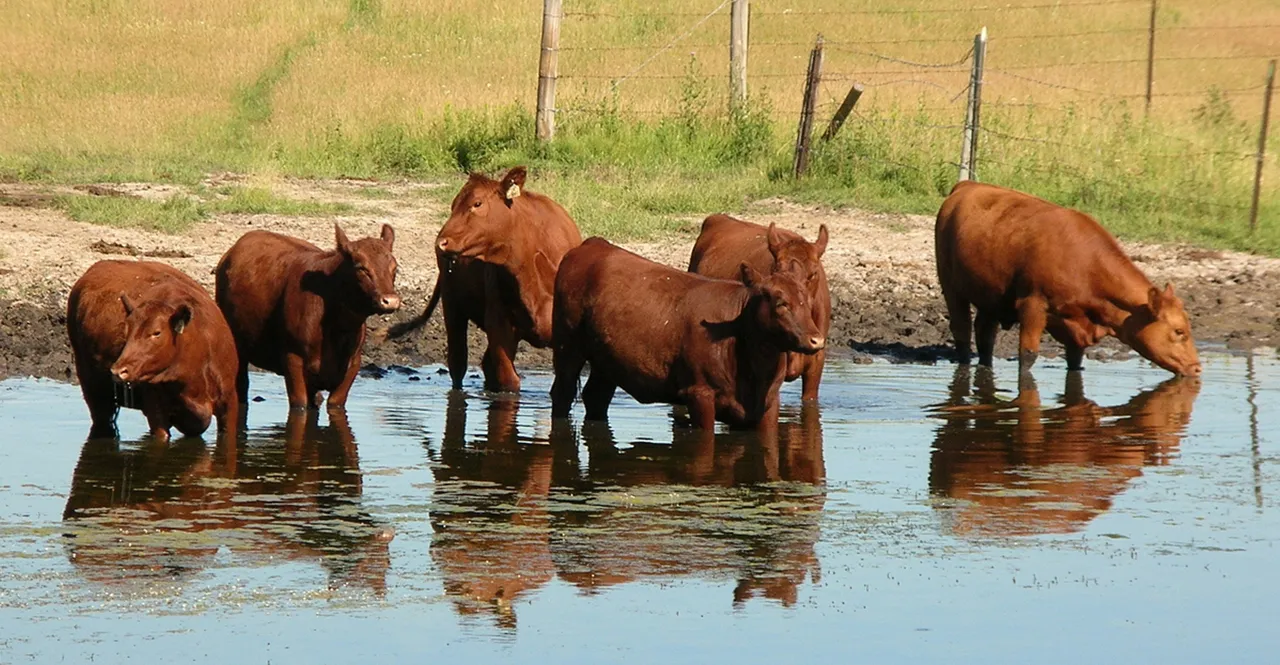
Climate change greatly affects the availability of forage and water resources. South Africa’s agricultural sector is increasingly affected by unpredictable and reduced rainfall, leading to drought conditions that negatively affect pasture growth and reduce the availability of water supply. Feed shortages are a major concern, as they lead to poorer cattle health and decreased productivity. To cope with the effects of climate change, farmers are adopting sustainable grazing practices, such as rotational grazing, which helps maintain soil health and pasture quality. Additionally, farmers can adopt water-saving techniques, such as using efficient irrigation systems for forage production and collecting rainwater to ensure there is enough water for their cattle.
3. Disease and Pest Dynamics:
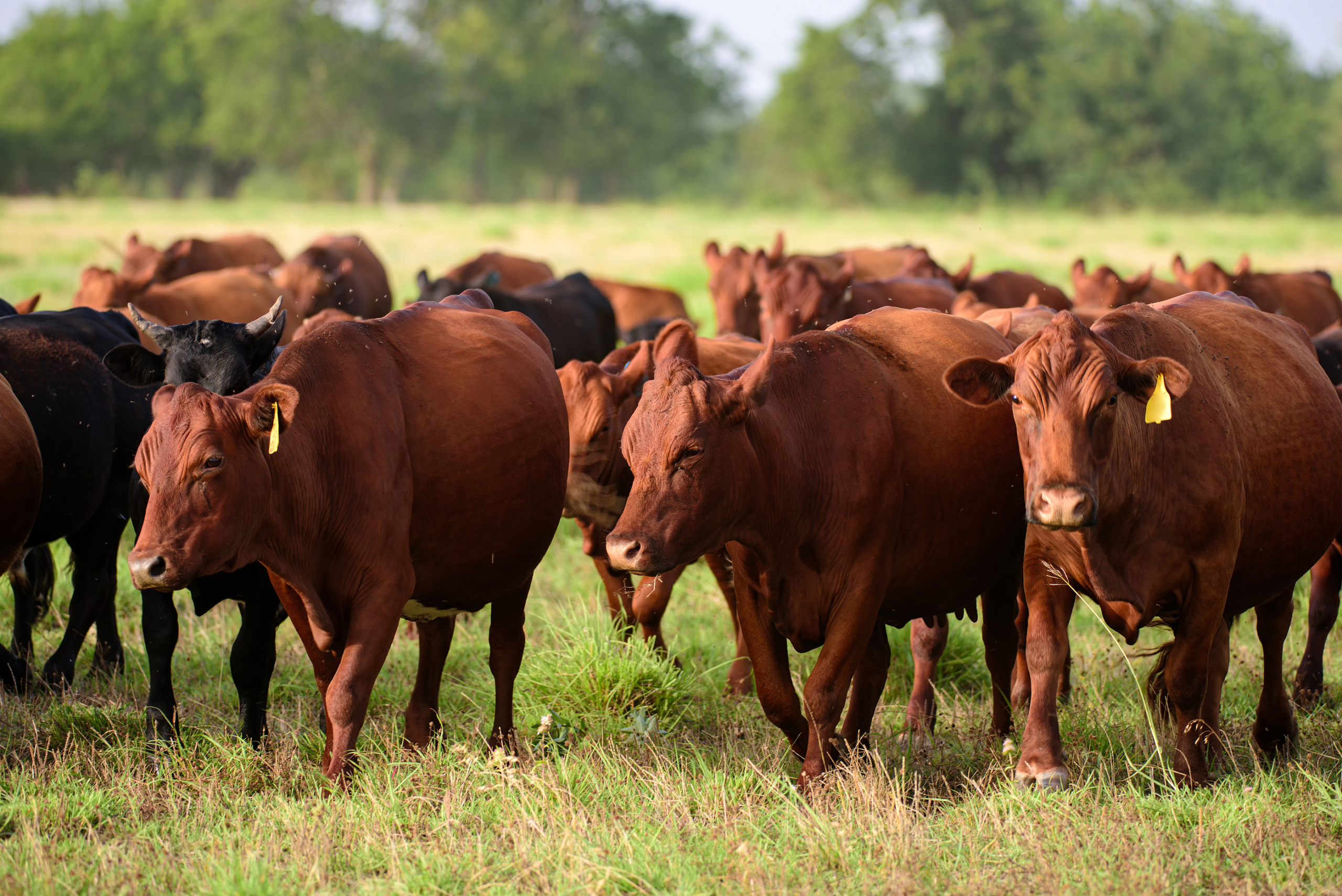
The warmer climate also affects the frequency and spreading of pests and diseases, which affects cattle. Many germs and parasites increase in warmer conditions, leading to increased disease risk. This means that farmers need better ways to manage these threats by doing regular health monitoring and vaccination programs. A combination of pest management practices, such as the use of insecticides and biological controls, is important for managing the increased risk of disease outbreaks. Farmers must stay updated about emerging threats and adjust their management practices accordingly.
Adaptation Strategies and Future Outlook
There are several strategies that farmers can adopt to ensure the resilience of the beef cattle industry towards climate change namely:
Innovative Breeding Practices:
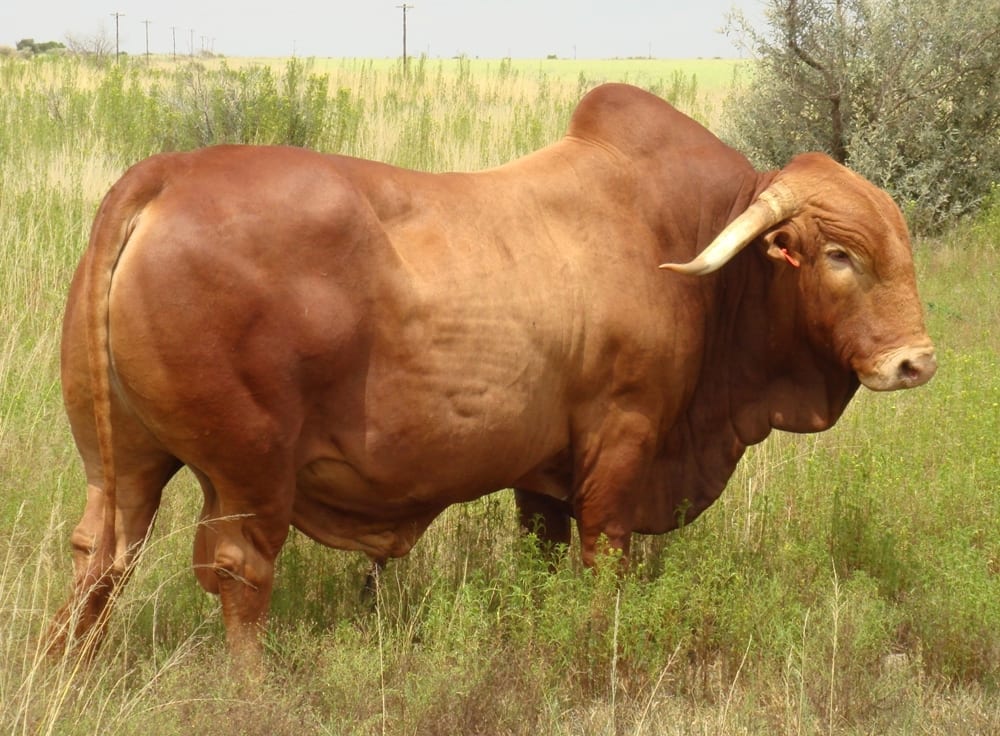
Developing cattle breeds that are more resilient to heat and other climate stresses is important. Ongoing research into heat-tolerant breeds and genetic selection aims to improve cattle adaptability, feed efficiency, and overall productivity. Farmers may also benefit from using advanced breeding technologies, such as genomics, to accelerate the development of climate-resilient breeds.
Sustainable Agricultural Practices:
Implementing sustainable practices is vital for adapting to climate change. Agroecological approaches, which focus on improving soil health and animal and plant variety, can improve the resilience of pastures and reduce the use of artificial chemicals. Efficient water use practices, such as drip irrigation and soil moisture monitoring, help improve water resources and reduces the impacts of drought. Soil conservation techniques, including cover cropping and reduced tillage, enhance soil fertility and support sustainable forage production.

Technological Innovations:
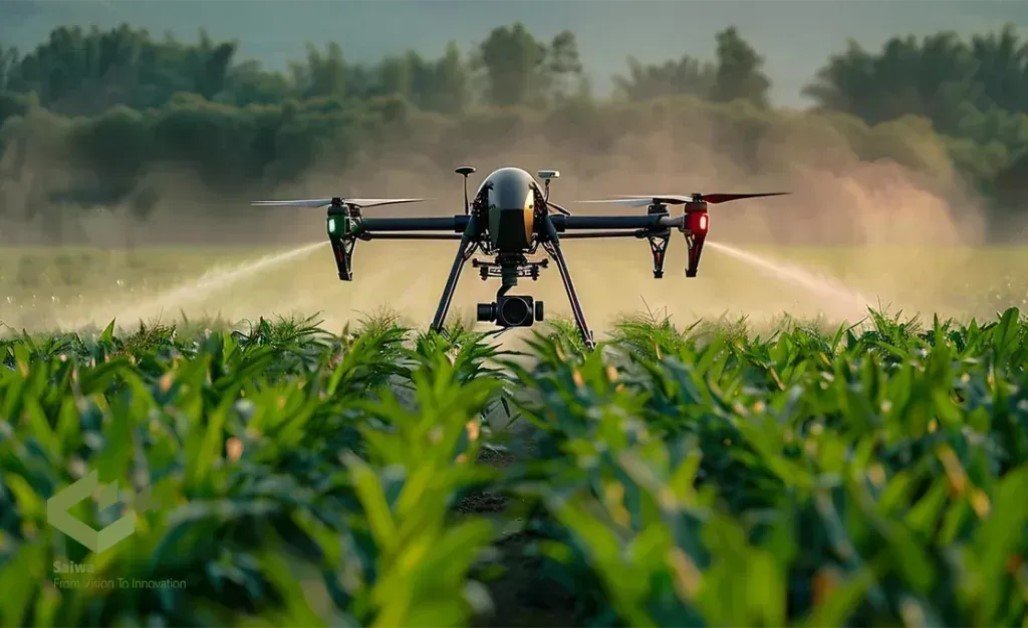
Advancements in technology offer new tools for managing the effects of climate change. Precision agriculture, which uses data and technology to make the best use of resources, can make managing forage and water more efficient. Climate forecasting tools and early warning systems offer important information that helps with planning and making decisions for farmers. Additionally, technology- enabled monitoring systems can track cattle health, forage conditions, and environmental factors, enabling timely interventions and informed management decisions.
What is the way forward?
Moving forward, the beef cattle industry should focus on a few key areas. For example, investing in research to create cattle breeds that can handle climate changes well andadopting new, sustainable farming practices. Also, educating farmers about these methods and technologies will help them adapt better. The Government can also chip in with support and financial incentives to encourage the use of these new strategies. Working together with farmers, researchers, and policymakers, and involving the community, will ensure that solutions fit local needs. Lastly, regularly checking and improving these efforts will help the industry stay strong and sustainable despite climate change.
This article was published in the Agricultural Research Council (ARC) Beef Bulletin 2025. You can reach one of the authors at MailulaP@arc.agric.za