By Staff Writer
It often starts with something small. A missing road sign. A faded line on the tar. A school zone you didn’t realise you’d entered because there was no warning. Add darkness, rain, or fatigue, and suddenly a routine drive can turn into a life-altering moment.
South Africa’s roads are demanding at the best of times, but infrastructure and environmental risks quietly raise the stakes. Poor signage, inconsistent speed limits, neglected road surfaces, and inadequate school zone protection all create conditions where even careful motorists can be caught off guard. The danger isn’t always reckless driving — sometimes it’s simply misreading the road.
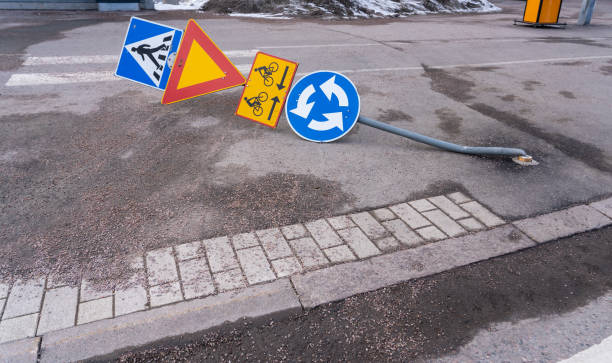
Poor signage and driver misinterpretation are common contributors to crashes. Missing or obscured signs, especially at intersections or roadworks, leave drivers guessing. When information is unclear, reaction times slow. The safest response is to anticipate uncertainty: reduce speed when signage is unclear, scan far ahead, and be prepared for sudden changes in traffic flow.
Night-time driving introduces another layer of risk. Reduced visibility hides potholes, pedestrians, animals, and cyclists — particularly in poorly lit urban and peri-urban areas. At night, slowing down isn’t a sign of weakness; it’s a survival strategy. Use full headlights appropriately, keep windscreens clean, and avoid overdriving your visibility — if you can’t stop within the distance you can see, you’re going too fast.

Then there’s the issue of urban speed limits versus human survival. A pedestrian hit at 30 km/h has a far greater chance of surviving than one hit at 60 km/h. Speed limits in built-up areas aren’t arbitrary; they are calculated around human vulnerability. Even when the road “feels” open, sticking to lower urban limits protects those who have the least protection — children, the elderly, and cyclists.
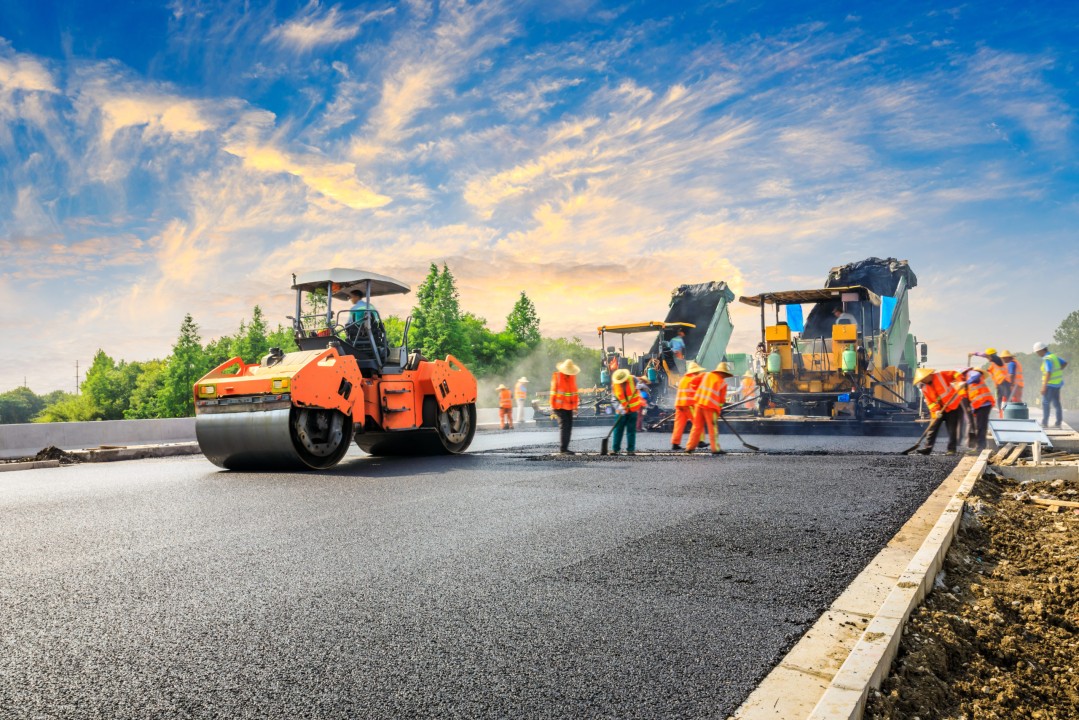
Road maintenance also plays a critical role. Potholes, uneven surfaces, and loose gravel demand constant attention. Keep a safe following distance so you can spot hazards early, and avoid sudden swerves that may put you into another lane or oncoming traffic.
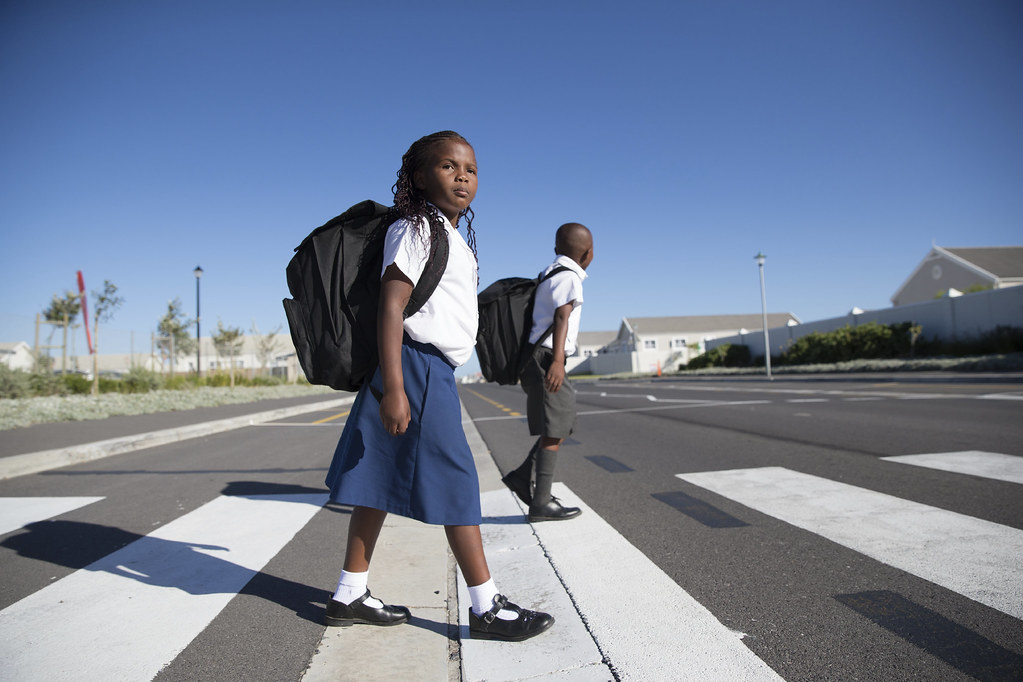
Finally, school zones deserve heightened awareness. In many areas, signage and enforcement are inconsistent, but children are still present. Slow down, expect unpredictable movement, and remember that a few seconds saved is never worth a life altered.
Being vigilant isn’t about driving in fear — it’s about driving with intention. Paying attention, adjusting your behaviour to the environment, and expecting the unexpected protects you and everyone who shares the road. On South Africa’s roads, awareness is one of the most powerful safety features you have.