By Aurelia Mbokazi
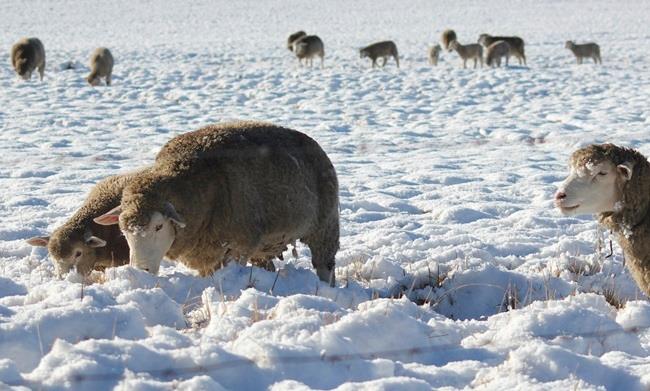
For farmers, a cold front isn't simply about reaching for another jacket. When temperatures suddenly plunge, rain turns to sleet and snow begins falling across parts of the country, the animals out in the field feel that change too.
South Africa is currently experiencing exactly that kind of weather. A powerful winter system has brought very cold temperatures, damaging winds, rain and snowfall to several provinces, temporarily closing roads and mountain passes in parts of KwaZulu-Natal and the Eastern Cape.
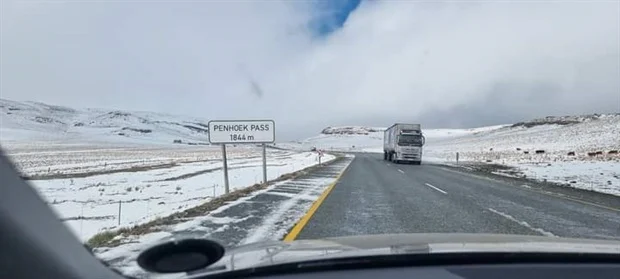
The South African Weather Service (SAWS) warned ahead of the system that the very cold conditions could place livestock under stress. While conditions are expected to begin clearing from Wednesday, some eastern parts of the country could still experience showers.
For farmers with sheep, goats, chickens and other smaller livestock, a few bitterly cold days can be enough to cause serious losses if animals are already vulnerable.
The good news is that some of the most effective protection is also remarkably practical.
Know which animals need you most
Not every animal experiences cold in the same way.
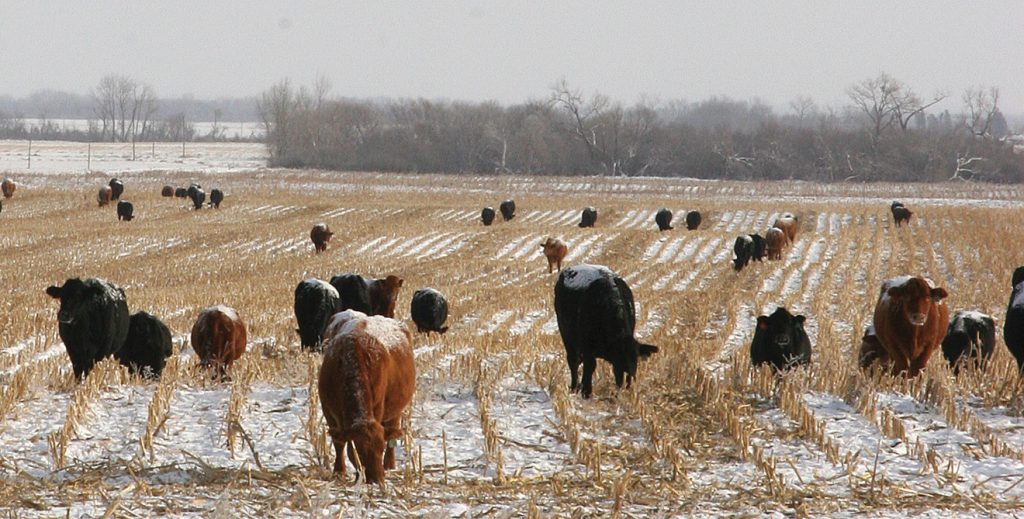
Professor Gareth Bath, chairperson of the Livestock Welfare Coordinating Committee, advises farmers to identify vulnerable animals first. These include young animals such as lambs and calves, which have less body fat than adults, as well as goats, thin animals and recently shorn sheep and goats.
Newborn lambs and kids deserve particularly close attention. They have limited energy reserves and can lose body heat rapidly, especially when cold weather is accompanied by rain and wind.
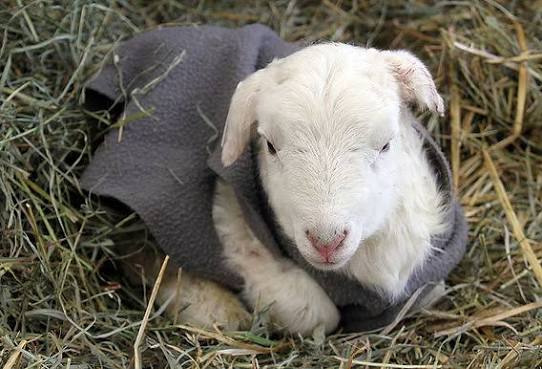
During a severe cold spell, increase the frequency of checks. An animal that is shivering excessively, struggling to stand, unusually quiet or failing to feed needs attention.
Don't just watch the temperature
A thermometer doesn't tell the entire story.
One of the greatest risks to livestock is the combination of cold, wind and wet conditions. The Livestock Welfare Coordinating Committee warns that this combination can result in severe hypothermia and death.
Wet animals lose body heat more rapidly, while strong winds increase the chill effect. This means a rainy, windy day can sometimes be more dangerous than a colder but dry and still one.
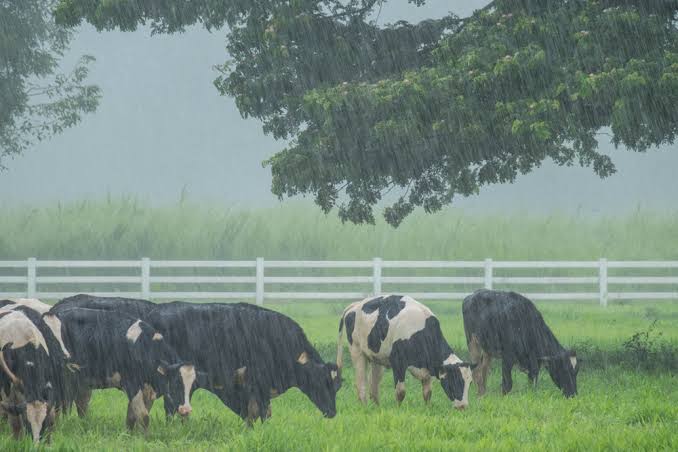
Move vulnerable animals away from exposed ridges and other areas that receive the full force of prevailing winds. At the same time, remember that low-lying areas may also be particularly cold.
Knowing the microclimate of your own farm becomes invaluable.
Find shelter, even if it isn't sophisticated
Protecting livestock doesn't necessarily require expensive infrastructure.
Bath advises farmers to look for shelter from wind and cold while still allowing animals access to sunlight. Depending on the farm, this could include bushes, tall grass, sheds, walls or wooded areas.
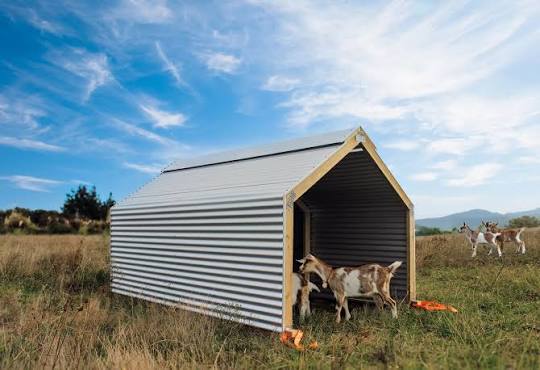
The Livestock Welfare Coordinating Committee and National Wool Growers Association suggests that temporary windbreaks can even be constructed from materials already available on the farm, including straw bales, shade netting or corrugated iron.
For chickens, the same principle applies. Coops should be dry and protected from draughts, but still adequately ventilated. Wet bedding should be replaced and leaks repaired.
The objective is not luxury. It is keeping animals dry and out of direct wind.
Feed the cold
Animals burn energy simply by keeping themselves warm.
That means adequate nutrition becomes particularly important when temperatures fall. Bath recommends ensuring livestock have sufficient feed and clean water during cold spells because maintaining body temperature increases their energy requirements.
For sheep and goats, good-quality roughage should remain readily available. The National Wool Growers Association recommends high-quality roughage such as lucernefor animals affected by severe cold, while cautioning against suddenly overfeeding of grain such as maize because of the risk of acidosis.
Body condition matters too. Animals entering winter in poor condition have fewer reserves available to cope with prolonged cold.
Think of feeding during extreme weather as part of your protection strategy rather than simply your normal feeding programme.
Be particularly careful after shearing
For wool and mohair producers, timing matters.
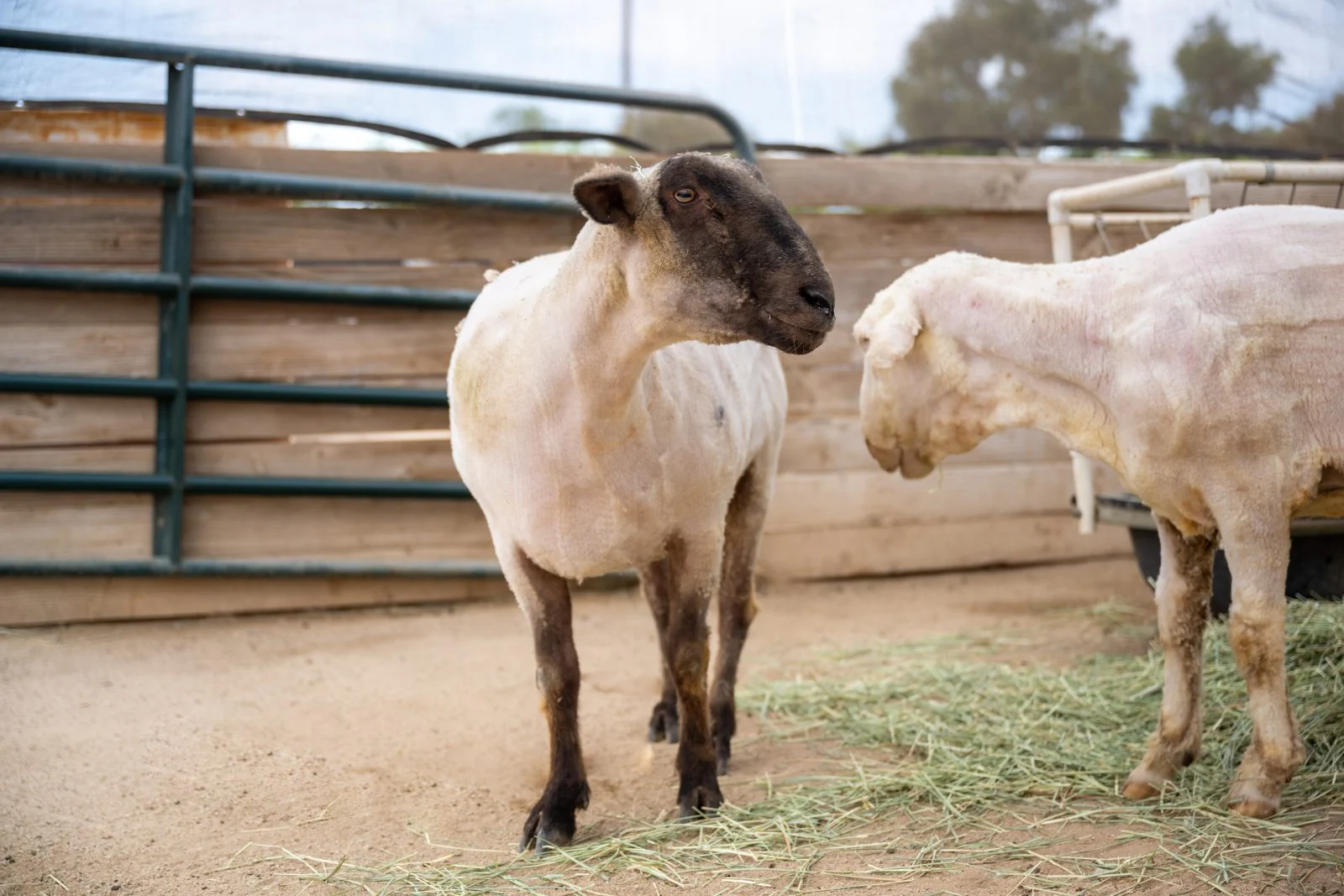
Recently shorn sheep and Angora goats are significantly more vulnerable to cold because they have suddenly lost their natural insulation. The Livestock Welfare Coordinating Committee advises that animals can remain particularly susceptible to hypothermia for around two weeks after shearing.
If severe weather is forecast during this period, recently shorn animals should receive additional protection and, where possible, be moved to safer areas before conditions deteriorate.
Planning shearing around weather forecasts can therefore become an important part of winter risk management.
If an animal becomes hypothermic, act carefully
Sometimes, despite preparation, an animal will succumb to the cold.
If an adult animal is severely hypothermic and struggling to stand or walk, guidance from the Livestock Welfare Coordinating Committee recommends protecting it where itis rather than forcing it to move.
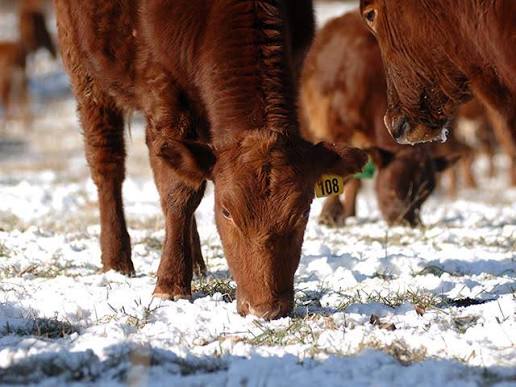
Provide shelter from the wind, dry wet fleece or hair where possible, offer suitable feed and water and use dry grass or straw as bedding.
Young lambs, kids and calves require particular care. Expert guidance recommends that hypothermic young animals be fed before warming, but interventions such as stomach-tube feeding should only be undertaken by someone properly trained, ideally with veterinary guidance.
When in doubt, contact your local veterinarian.
Make weather watching part of farming
Perhaps the most useful lesson from this cold front is that livestock protection starts before the weather arrives.
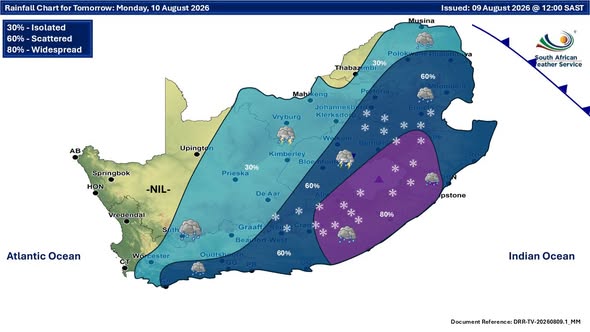
SAWS increasingly issues impact-based warnings ahead of severe systems, giving farmers an opportunity to move animals, prepare shelter, secure additional feed and identify vulnerable livestock before conditions become dangerous.
Using local knowledge becomes very important during severe weather. Every farm has its colder valleys, exposed ridges and naturally protected areas. Experienced farmer soften know exactly where animals fare best during severe weather.
For newer farmers, Bath offers another simple piece of advice: speak to experienced neighbours and learn what has worked on farms in your particular area.
Preparation can prevent losses
Farmers cannot stop a cold front from arriving. Nor can they control whether it brings frost, driving rain, gale-force winds or snow.
What they can control is how prepared their animals are when it does.
Sometimes protecting livestock during extreme weather comes down to very basic things: knowing which animals are vulnerable, getting them out of the wind and wet, providing enough feed and clean water, keeping bedding dry and checking them more frequently than usual.
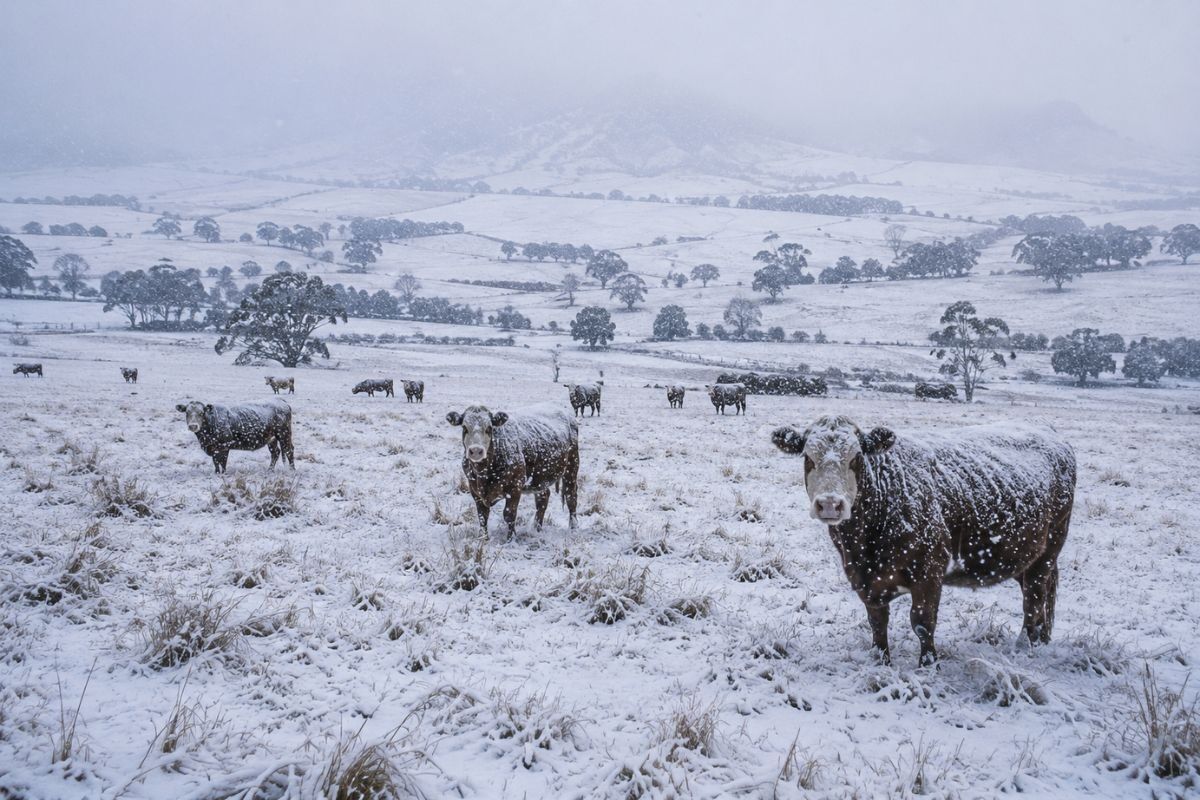
And perhaps most importantly, don't wait until the snow starts falling.
When severe weather is on its way, those few hours spent preparing the farm can make the difference between simply getting through the cold and counting livestock losses once the sun returns.