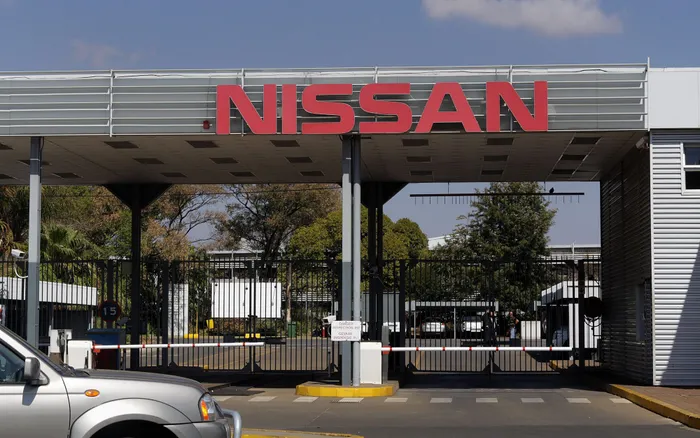
The announcement that Chery South Africa will acquire Nissan’s manufacturing assets in Rosslyn marks a significant moment for the local automotive industry and it is one that motorists should pay attention to.
Subject to regulatory approvals, Chery SA will purchase Nissan’s Rosslyn plant and its nearby stamping facility in mid-2026. Importantly, the majority of Nissan employees linked to the plant will be offered employment by Chery on substantially similar terms. In a sector where job losses often dominate headlines, this detail matters.
For decades, Rosslyn has been a cornerstone of South Africa’s automotive manufacturing story, hosting global brands and supporting a vast supplier network. Nissan’s decision to sell the plant does not signal a withdrawal from South Africa. The company has confirmed it will continue selling and servicing vehicles locally, with new models such as the Nissan Patrol and the upcoming Nissan Tekton planned for launch in the 2026 financial year.
What is changing is who is investing in local production.
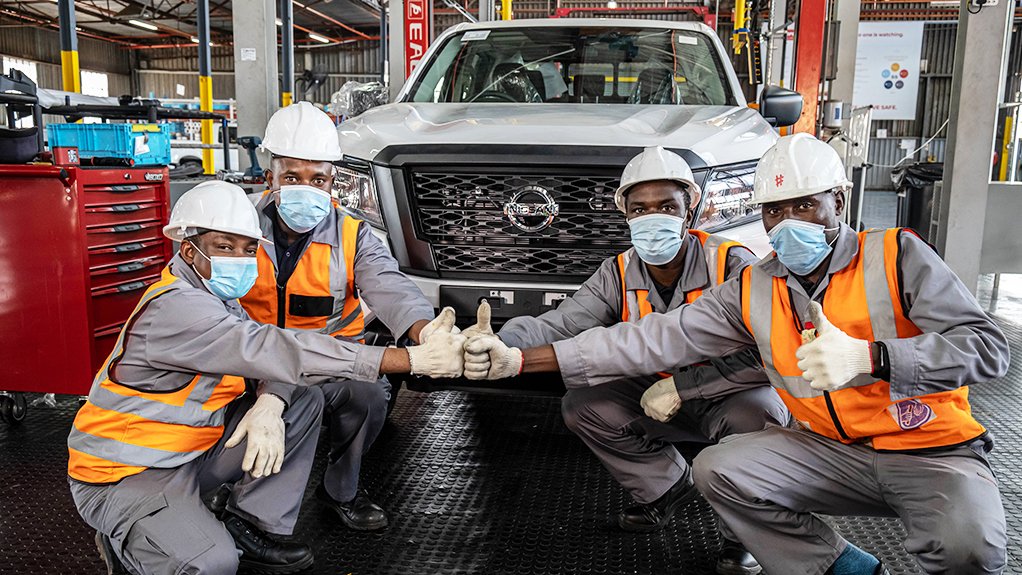
Chery’s move represents a deepening commitment by Chinese manufacturers to South Africa—not just as a sales market, but as a manufacturing base. Chinese brands have rapidly gained traction on local roads, winning buyers with strong value propositions, generous specifications and technology-led offerings. Taking ownership of a major production facility suggests long-term intent rather than short-term opportunism.
For consumers, local manufacturing has tangible implications. It can mean improved vehicle availability, greater localisation, stronger aftersales confidence and, potentially, more competitive pricing over time. It also reinforces South Africa’s relevance in a global industry that is increasingly selective about where it builds vehicles.
The deal also reflects broader global shifts. Traditional manufacturers are reassessing capacity and production strategies amid changing demand, electrification pressures and tighter margins. At the same time, newer players—particularly from China—are expanding aggressively, backed by scale, capital and a willingness to invest.
Rather than a simple story of exit and entry, the Nissan–Chery agreement points to an industry in transition. Legacy brands are adapting their footprints, while new players are stepping into roles once occupied by established names.
For South African motorists, the outcome could be a more dynamic, competitive market—one where global experience and new-world ambition meet on familiar ground. Rosslyn, it seems, is not closing a chapter, but turning the page.