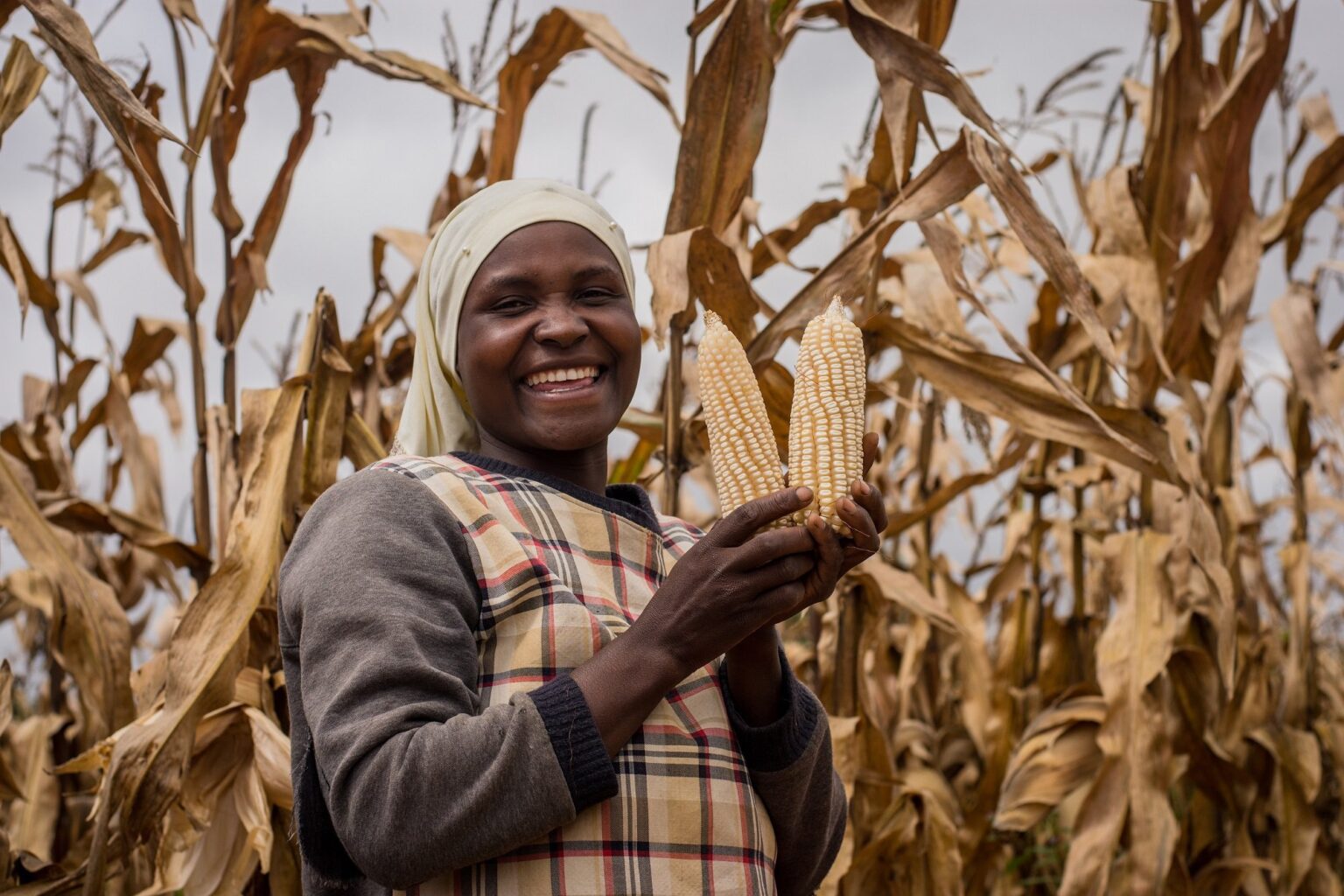
Women small-scale farmers continue to face barriers to growth, often farming without land ownership and struggling to access finance. New research by Sive Zintle Mbangiswano, Zamagebe Siphokazi Vuthela, and Dr Elona Ndlovu reveals that even well-intentioned farming projects can exclude women if not designed with their realities in mind. Their study of a citrus fruit partnership in South Africa’s Eastern Cape shows that women farmers benefited far less than men, a gap that demands attention.
Lead researcher Sive Zintle Mbangiswano shares more on their findings.

What problems do Black rural women farmers face in the Eastern Cape?
Rural women farmers sustain households and local markets, yet structural barriers
continue to limit their growth. Many farms are without title deeds or joint land ownership, which prevents them from accessing credit, as banks deem them “high risk”. With cooperative boards and agricultural committees largely male-dominated, women’s voices are often excluded from key decisions about inputs, pricing, and market access.

Access to training and grants is also limited, information seldom reaches women smallholders, and when it does, training is usually once-off without follow-up support. Many depend on stokvels to fund their operations, which helps with short-term needs but is insufficient for larger investments and doesn’t build a formal credit record. These challenges reinforce one another: insecure land tenure limits access to finance, limited finance stifles growth, and exclusion from leadership prevents reform — creating a structural glass ceiling that keeps women-run agribusinesses small and their potential unrealised.
What did the citrus project aim to achieve, and did it succeed?
The citrus public–private partnership in the Eastern Cape aimed to help emerging farmers, including women, sell oranges commercially and access packhouses for storage and export. It sought to transfer skills from commercial partners but did not address deeper issues such as land ownership or access to collateral.
Our research found that both men and women gained valuable technical skills and received stronger on-farm support, leading some to successfully export citrus and increase their incomes. However, women benefited less overall. They were excluded from key decision-making roles, holding no voting seats on cooperative boards or the project’s steering committee.
Without authority over budgets, procurement, or training opportunities, their voices were limited. Ultimately, while the project improved productivity and technical capacity, it failed to promote gender equity. The women’s training gains did not translate into control over resources or markets, highlighting how even well-intentioned initiatives can fall short when designed without addressing the specific structural barriers that women farmers
face.

How does this match up to the global promises made to women farmers?
There’s a clear gap between global commitments and what happens on the ground. The G20 and private sector have strong frameworks, such as the Women’s Empowerment Principles and the Global Partnership for Financial Inclusion, which aim to support women, youth, and small businesses.
However, these policies only work if practical support systems exist — like better internet access, trusted local agents who can assist women farmers, and loans that don’t rely on land deeds. In most cases, these structures are missing, and progress for women isn’t properly tracked, leaving the global promises largely unfulfilled at the grassroots level.
What needs to happen next?
Ensuring that rural women farmers in the Eastern Cape have equal access to finance is not just about fairness; it’s vital for household welfare and rural development. When women gain financial tools and assets, families and communities thrive. The government needs to track and publish how many women receive loans, training, and leadership opportunities, and take action to close the gaps.
South Africa can learn from successful global examples, such as India’s self-help groups, Indonesia’s group lending for women, and Brazil’s family farming programmes. Aligning national policies with the G20’s guidelines on women’s financial inclusion is crucial. Encouraging more women into leadership roles can shift cultural norms, strengthen value chains, and ensure that women farmers are finally recognised as key players in agriculture.

This article was originally written by Sive Zintle Mbangiswano, Lecturer in the Entrepreneurship Development Unit and Co-ordinator of the Student Women Economic Empowerment Programme (SWEEP) in the Faculty of Management Sciences at the Central University of Technology.
It was first published by The Conversation Africa (https://theconversation.com/rural- women-farmers-in-south-africa-how-global-promises-arent-translating-into-support-on- the-ground-266070) under a Creative Commons licence.