By Boipelo Kekana-Mabuza
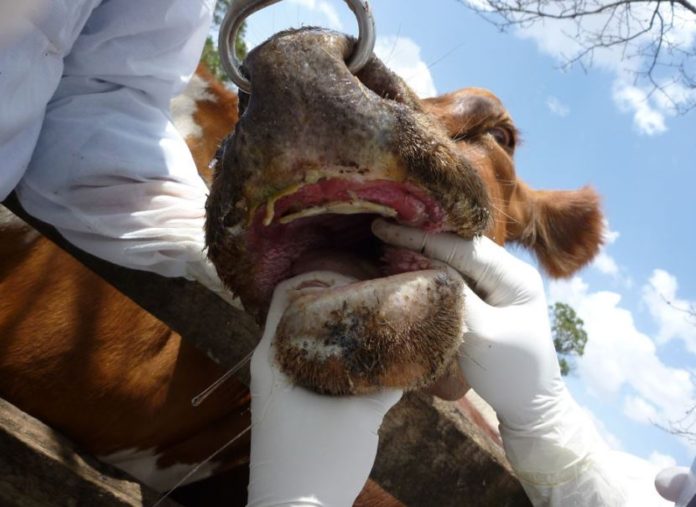
Foot and Mouth Disease (FMD) has emerged as one of the most consequential threats to South African agriculture in recent decades. While the virus poses no direct risk to human health, its economic consequences are severe due to its highly contagious nature and the movement, slaughter, and trade restrictions imposed once outbreaks are detected. Since 2025, South Africa has experienced a sharp resurgence of FMD, with hundreds of confirmed outbreaks across multiple provinces. This resurgence exposes not only biological vulnerability but deep structural weaknesses in animal-health governance, vaccine production, and disease-control policy. In an economy already burdened by unemployment and fiscal constraint, failure to contain FMD represents a systemic macroeconomic risk rather than a sector-specific problem.
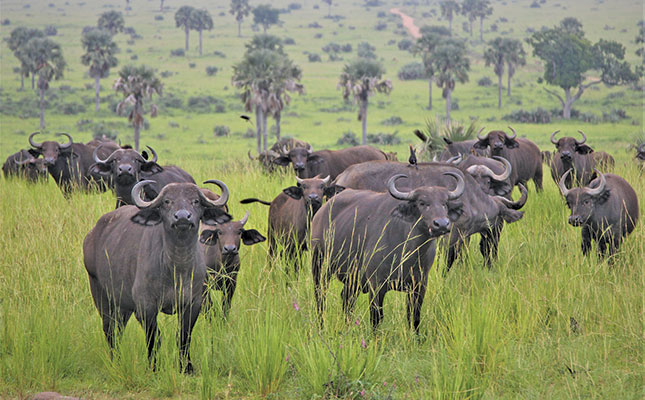
Historically, South Africa managed FMD through a spatial disease-control framework built around buffer zones, particularly near wildlife reservoirs such as the Kruger National Park, where African buffalo are known carriers. The country was divided into infected, protection, and FMD-free zones, supported by fencing, surveillance, and regulated animal movement. This allowed South Africa to maintain partial FMD-free status and preserve access to export markets. For decades, this spatial logic proved effective, reflecting an understanding that FMD control is inherently geographic and must be managed through zonal containment rather than uniform national interventions.
The current outbreak signals a breakdown of this system. FMD has spread into commercial farming regions, triggering widespread quarantines and movement bans affecting entire districts. By late 2025, more than 800 outbreaks had been confirmed nationally — a scale incompatible with effective containment under existing arrangements. The economic implications are substantial. South Africa’s agricultural gross production exceeds R340 billion annually, with livestock forming a large share. Beef and dairy contribute billions in domestic value and exports, generating roughly R8 –10 billion a year. Persistent outbreaks place this contribution at material risk.
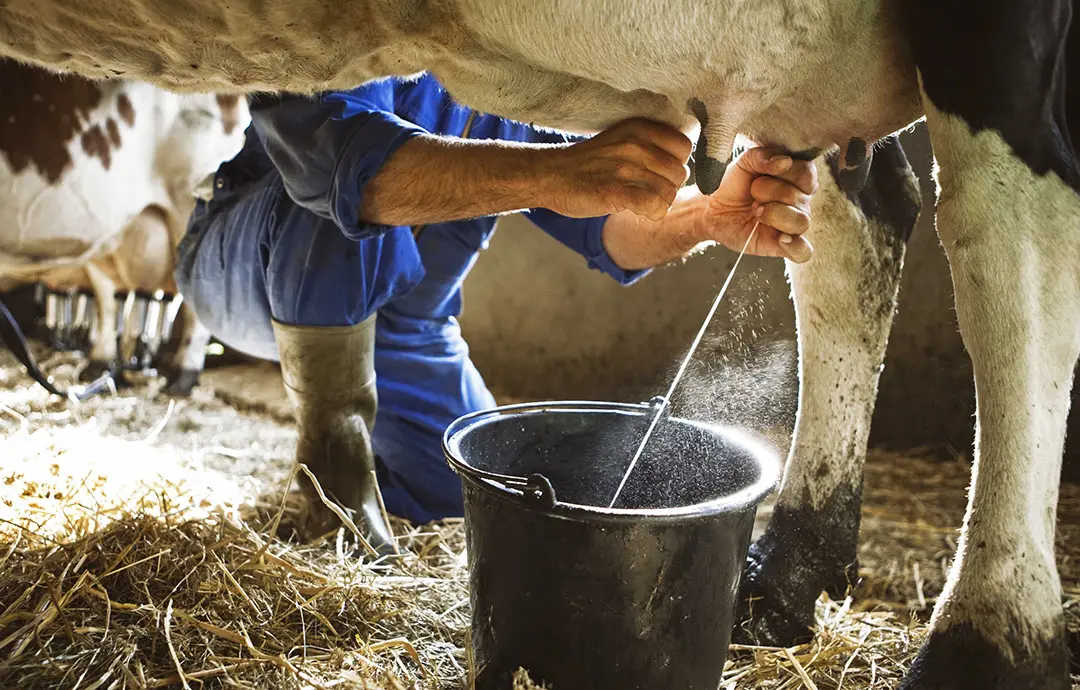
At farm level, productivity losses are immediate. Infected cattle suffer fever, lameness, reduced feed intake, and lower fertility. Dairy producers report milk declines of up to 50 percent per cow during infection. Because dairies depend on daily cash flow, even short quarantines undermine solvency, forcing milk dumping and herd reductions. Beef producers hold animals beyond optimal slaughter weights due to movement restrictions, raising feed costs while delaying revenue. Over time, these pressures erode herd quality and capital value, creating inefficiencies that persist long after outbreaks subside.
Sectoral modelling suggests direct farm losses could exceed R11 billion between 2025 and 2030, rising sharply once downstream impacts on processing, logistics, retail, and employment are included. These losses ripple through feed manufacturing, veterinary services, agricultural finance, abattoirs, cold storage, and transport. As slaughter volumes decline and processingplants operate below capacity, job losses spread across rural and peri-urban areas where alternatives are limited.
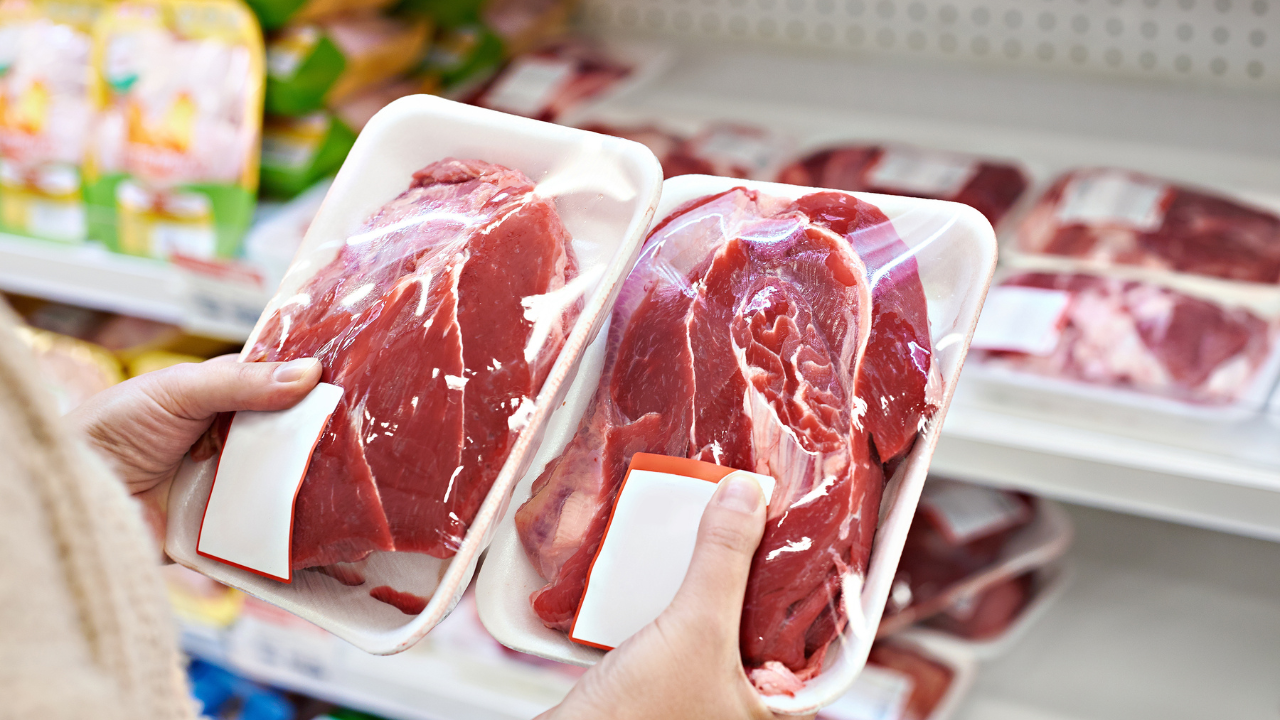
More concerning is the risk that beef and dairy become structurally inaccessible, not merely more expensive. South Africa relies largely on domestic production for fresh milk and beef. Quarantines fragment markets: milk is discarded, cattle remain unsold, and processing capacity contracts. If disruptions persist, producers exit the sector, reducing national supply even after outbreaks ease.
This creates conditions for import dependence, a profound structural reversal. Importing livestock products exposes South Africa to global price volatility, currency pass-through, and external shocks. With a historically volatile rand, even modest import reliance can trigger sharp protein inflation while worsening the agricultural trade balance.
Once a country shifts from net producer to net importer of strategic food commodities, path dependence sets in. Expected returns fall, risk perceptions rise, and access to finance deteriorates. This raises the cost of capital and discourages generational succession in farming. In development terms, this amounts to premature de-industrialisation within agriculture: productive capacity contracts not due to inefficiency, but institutional failure. Rebuilding herds, processing capacity, and export credibility becomes far costlier than preventing decline.
Food-security consequences extend beyond prices to nutrition. Beef and dairy are key sources of protein and micronutrients. As they become scarce or unaffordable, households substitute cheaper, lower-quality foods, undermining long-term health and human capital. FMD is therefore not merely a veterinary issue, but a development challenge with intergenerational effects.
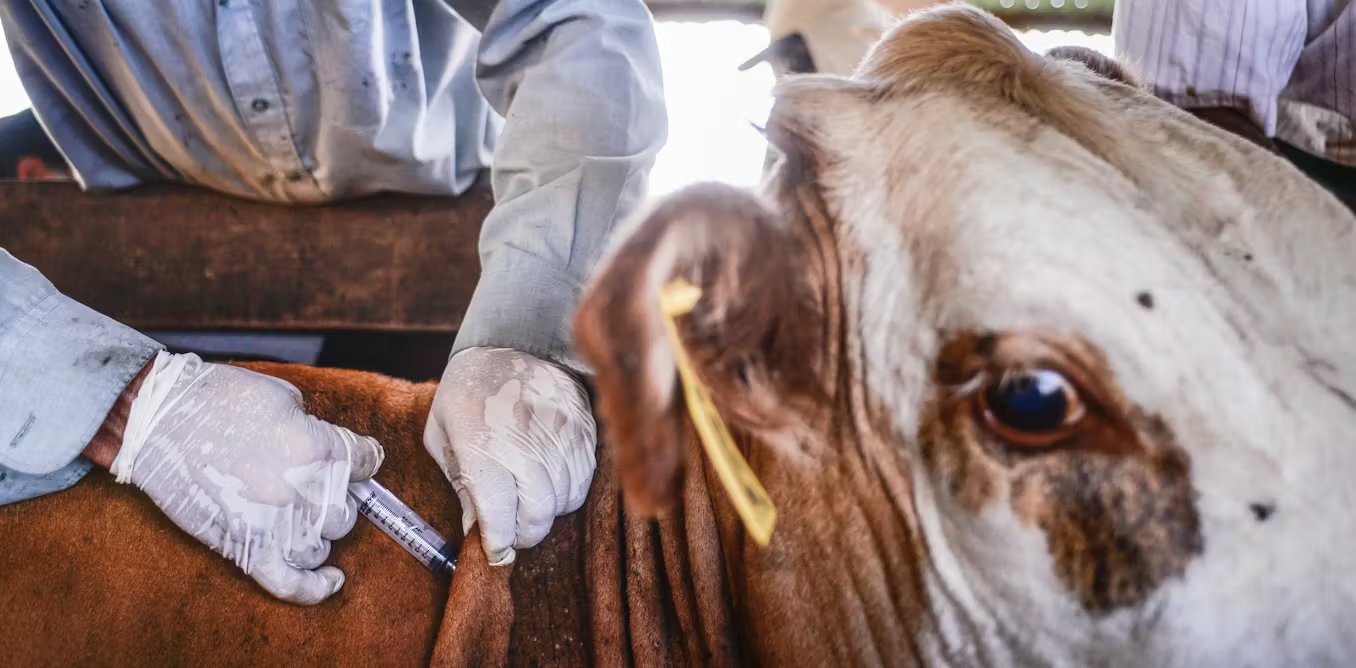
Despite these risks, South Africa’s response has been constrained by failures in vaccine production and regulation. Vaccination is central to FMD control, yet domestic supply has collapsed following production failures at Onderstepoort Biological Products under the Agricultural Research Council. Parliamentary oversight has raised concerns over roughly R500 million spent on infrastructure upgrades that failed to restore compliant production. This governance failure has forced reliance on imports and emergency procurement precisely when rapid vaccination is needed.
This is not merely administrative; it is epidemiologically and economically consequential. Vaccine delays allow the virus to spread faster than control measures can keep pace. Although the ARC acknowledges scientific capability to support a single-dose vaccine, its dependence on private partners implicitly concedes that the state-centric production model has become a constraint rather than a safeguard. Yet legislation still restricts broader private participation, reinforcing bottlenecks during outbreaks.
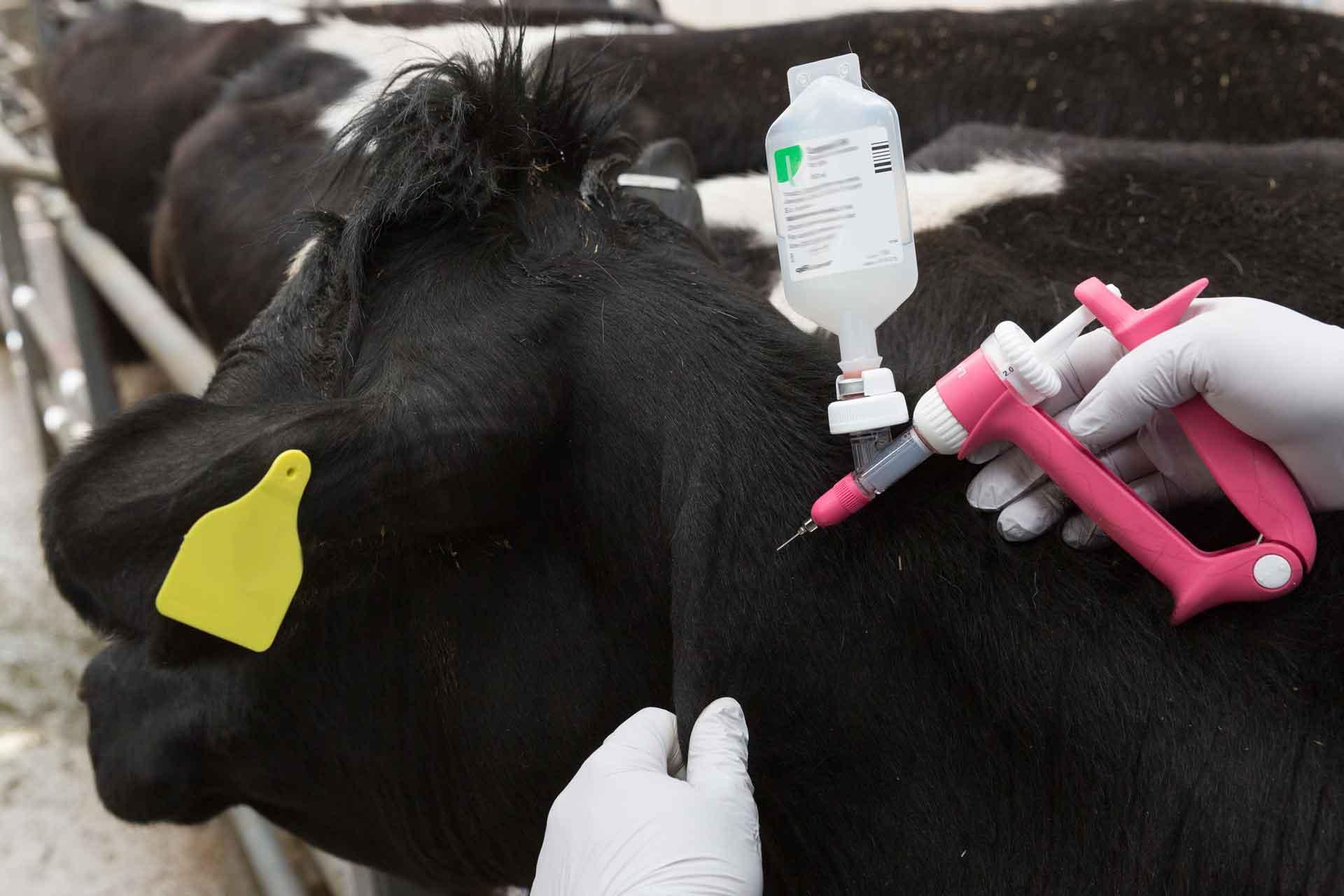
Delivery failures compound this problem. The system relies almost entirely on state veterinarians moving between farms under quarantine protocols that reduce effective labour capacity. In a country with millions of livestock and a limited veterinary workforce, this model is not scalable in crisis conditions.
Toward a Resilient Disease-Control Architecture: Lessons from COVID-19
The failure to contain FMD reflects institutional design flaws, not scientific ignorance. COVID- 19 showed that epidemic control requires coordinated systems linking science, logistics, and frontline implementation. Speed and scalability matter more than centralised control once outbreaks become systemic. Countries that monopolised testing and vaccination suffered delays; those combining central leadership with decentralised delivery scaled faster without sacrificing quality. South Africa’s FMD response remains trapped in a pre-pandemic logic where monopoly is mistaken for control.
A reformed strategy must re-anchor disease management in zonal governance grounded in epidemiology and economic realism. Transmission risk is spatial and heterogeneous. The country should be divided into clearly demarcated FMD management zones based on risk, livestock density, wildlife interface, and market integration. These zones must operate as accountable units.
Within each zone, experienced commercial farmers should be formally integrated as accredited disease-control partners under national protocols. This is not a retreat of the state but a reallocation of operational responsibility to those best positioned to act quickly. Commercial farmers possess infrastructure, labour, cold-chain capacity, and strong incentives to suppress outbreaks. Embedding them internalises disease externalities, aligning private incentives with public outcomes.
Institutional failure, regulatory rigidity, and fragmented implementation have transformed a controllable disease into a systemic economic threat.
Boipelo Kekana-Mabuza is a cattle and grain farmer and is pursuing a Master’s in Development Economics at the University of the Witwatersrand.